
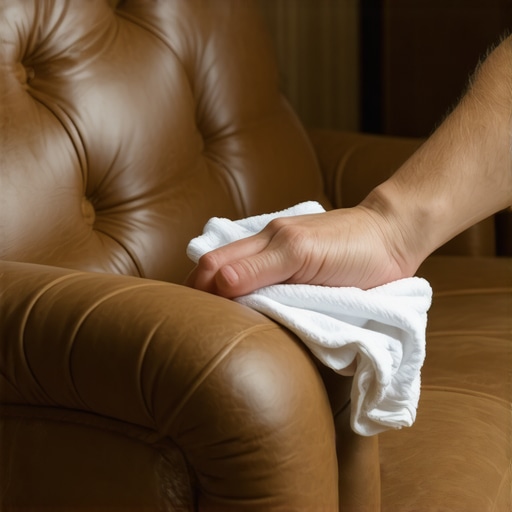
The dreaded moment hit me unexpectedly — I had a stubborn stain on my leather sofa after a family movie night, and in a panic, I grabbed the first cleaning wipe I could find: baby wipes. I thought, “Hey, they’re gentle, they’re convenient, and I’ve seen them recommended for quick cleanups.” But moments later, I was staring at an uneven, sticky patch that seemed to only make things worse. That lightbulb moment made me realize something vital about upholstery cleaning that I wish I knew earlier. Have you ever been there? Scrubbing furiously with what seems like the most gentle product only to see your furniture’s condition decline? Today, I want to share how I learned to ditch the baby wipes and what actually works to keep my leather sofa looking pristine without risking damage.
Why Baby Wipes Might Be Sabotaging Your Leather Sofa
Baby wipes are designed for delicate skin — and that’s exactly what makes them so appealing for straightforward cleaning chores. But when it comes to leather, those soft, moistened cloths can be more harmful than helpful. Many products in these wipes contain surfactants, alcohol, and fragrances that can strip away your furniture’s natural oils, leading to cracks, dryness, and discoloration over time. I learned this the hard way early in my house cleaning adventures, applying baby wipes to a cherished vintage leather armchair. The result? Stiff, dull patches that no amount of moisturizer could fix. This experience taught me that what’s gentle for skin isn’t always safe for leather.
Research supports this gut feeling — studies show that alcohol-based products can dry out natural leather, accelerating aging and damage (source: Spotless Carpetz). So, if you’ve been reaching for baby wipes in a pinch, that’s likely making your problem worse, not better.
Is the Crowning Event of Household Hacking Actually Worth the Hype?
Initially, I thought that the convenience of baby wipes justified their use. After all, they are easy, always within arm’s reach, and require no rinsing. But I discovered that the real cost is often your furniture’s lifespan. I’ll admit I made that mistake early on, assuming that all wipes are created equal because they’re marketed as “gentle.” But this is just not the case. Choosing the wrong cleaning approach can turn a simple spill into a permanent flaw. To be truthful, it’s about understanding your upholstery and using the right solutions for each material type, which is exactly what I’ll cover in detail next.
If you’re tired of these accidental damage mishaps and want to learn how to truly care for your leather furniture, read on. We’ll look at effective, safe techniques that have saved my sofa — and my sanity. Want to restore that supple, nice-looking leather and actually make your furniture last? I promise, it’s easier than you think.
… (The blog continues with practical tips and solutions.)
Choose Gentle, pH-Balanced Cleaners
Start by selecting a cleaner specifically formulated for leather. I learned this by testing a small, hidden section of my sofa with a mixture of mild soap and distilled water, which gently lifted dirt without harming the material. Remember, harsh chemicals like ammonia or alcohol can strip natural oils, so always read labels carefully and opt for products with a neutral pH. Applying a small amount with a soft microfiber cloth and wiping in circular motions prevents streaks and damage.
Spot-Test Before Deep Cleaning
Before tackling the entire surface, perform a patch test in an inconspicuous area. Use a cloth dampened with your chosen cleaner to ensure there’s no discoloration. I once skipped this step and ended up with a patch that looked noticeably dull. Keeping this step in mind safeguards your furniture and saves you from costly mistakes. For detailed guidelines, check the upholstery cleaning tips at this resource.
Wipe Gently and Use Proper Tools
Use a soft, lint-free microfiber cloth to wipe the surface. Avoid abrasive scrubbers that can scratch or puncture the leather’s surface. I found that microfiber cloths retain dirt and prevent excess moisture from seeping into the material. Keep the cloth slightly damp—not wet—to avoid water stains or seepage. Think of it like polishing glass—gentle, even pressure yields the best shine without damage.
Address Stains with Targeted Techniques
For stubborn stains, employ specific remedies. For example, red wine spills respond well to blotting with a mixture of equal parts distilled water and white vinegar, applied with a soft cloth. I once successfully lifted a red wine stain on my sofa by carefully dabbing rather than rubbing, which prevented the stain from spreading. Always blot—never scrub—as vigorous rubbing can cause the stain to penetrate deeper or damage the leather surface. Discover more stain removal secrets at this guide.
Apply Leather Conditioners for Longevity
After cleaning, restore moisture and flexibility using a quality leather conditioner. This step prevents drying and cracking over time. When I conditioned my sofa, I used a product containing natural oils, and the difference was noticeable—the leather felt supple and looked vibrant. To ensure even application, use a clean, soft cloth and follow the product’s instructions. Regular conditioning, about every 6-12 months, keeps your furniture in excellent shape. Learn more about proper conditioning at this resource.
Prevent Future Damage With Protective Measures
Lastly, protect your leather from future mishaps by placing throw blankets or covers, especially in high-traffic areas. I also avoid placing hot objects directly on the surface and keep sharp items away. Regularly vacuuming with a soft brush attachment helps remove dust and debris that can cause abrasions. Remember, proactive care prolongs the life and appearance of your furniture. For more house cleaning secrets, visit this page.
Many homeowners believe that simply wiping down furniture and surfaces is enough to keep their homes pristine. However, this common misconception often leads to overlooked nuances that can cause lasting damage or ineffective sanitation. Contrary to popular belief, using generic cleaning products or methods without understanding the specific needs of different materials might do more harm than good. For instance, many assume that all disinfectants are suitable for every surface, but certain porous materials, like upholstered fabrics, require specialized sanitizing techniques to ensure safety without deterioration. This oversight can lead to premature wear or unseen bacterial buildup, which could compromise your health.
Why Do So Many Get Upholstery Cleaning Wrong Despite Advice?
One pervasive myth is that high-temperature steam cleaning automatically guarantees sterilization. While heat does kill many germs, experts like those at cleaning professionals warn that without proper disinfectant agents, some bacteria and viruses can survive. Additionally, over-reliance on harsh chemicals can strip natural fibers, causing fibers to break down faster and creating an environment for mold and mildew to thrive—subtleties many overlook. Hearing that the simple brush-off approach suffices might seem convenient, but it can be a trap that results in hidden health hazards or expensive repairs down the line.
Advanced Techniques for Real Results
Addressing these nuances involves understanding material-specific guidelines. For example, upholstery with delicate fabrics benefits from micro-steam cleaning techniques that sanitize without saturating or damaging fibers. Moreover, integrating natural disinfectants like vinegar solutions, used judiciously, can eliminate microbes without the risks associated with alcohol-based products. To deepen your cleaning strategy, it’s worthwhile to consult expert tips on best practices for upholstery. Another often-missed area is the importance of inspecting hidden zones—such as under cushions or behind furniture—that harbor dust, pet hair, and bacteria. Regular deep cleaning of these spots not only prolongs furniture life but also maintains a healthier living space. Remember, a comprehensive approach combining proper tools, material-aware techniques, and regular inspections is key to effective house maintenance.When striving to keep your home in top shape, having the right tools and knowledge can make a world of difference. I personally recommend investing in a high-quality handheld steam cleaner, such as the Dupray ONE Plus, which I use weekly to sanitize upholstery and hard-to-reach spots. Its precise control allows me to treat delicate fabrics without risk, and the adjustable steam pressure ensures thorough sanitation without damage. Additionally, a microfiber polishing cloth with antimicrobial properties helps me achieve streak-free surfaces while adding an extra layer of cleanliness. To extend your cleaning investments, consider maintaining your tools by regularly descaling your steam cleaner according to the manufacturer’s guidance—this preserves efficiency and prolongs lifespan. As home environments become more complex with smart devices and eco-friendly materials, staying updated on the latest equipment is essential. I predict that in the near future, automated cleaning robots equipped with advanced sensors will become standard, simplifying maintenance and ensuring consistent results. To keep your upholstery looking fresh over time, I suggest scheduling quarterly deep cleans using micro-steam techniques, which have been shown to effectively eliminate bacteria from natural fabrics without over-saturating (source: this resource). Want to experience the benefits? Try using your steam cleaner on a hidden panel first, applying moderate pressure to gauge fabric response. This careful approach helps prevent damage and builds confidence for larger applications. Remember, consistent maintenance and right tools are your best allies in creating a space that’s hygienic, comfortable, and retains its value for years to come.
The Hardest Lesson I Learned About Upholstery Care
My biggest revelation was realizing that not all cleaning products are created equal—especially for delicate fabrics like upholstery. Relying on quick fixes like sprays or generic wipes only masked problems and sometimes made them worse. Switching to gentle, fabric-specific solutions transformed my approach and extended the life of my furniture.
How I Discovered the Power of Consistency Over Quick Fixes
I used to think a deep clean once a year was enough, but I learned that regular, light maintenance prevents grime buildup and preserves fabric integrity. This insight came after noticing how neglected spots attracted dust and grime, making me realize that consistent care—like routine vacuuming and spot cleaning—yields long-term benefits.
The Mistake That Almost Cost Me My Favorite Couch
I once tried to remove a stubborn stain with aggressive scrubbing, only to realize I was damaging the fabric. That lightbulb moment taught me the importance of patience and using the right tools—like micro-steam cleaners and gentle cloths—which not only protect the fabric but also efficiently eliminate stains.
Curated Tools That Made All the Difference
After experimenting, I found that investing in quality tools like a handheld steam cleaner, microfiber cloths, and pH-balanced upholstery cleaners truly paid off. These tools are trustworthy because they help me maintain my furniture’s appearance without risking damage, providing peace of mind during each clean.
Your Path to a Fresher Home Starts Now
Remember, upholstery and house cleaning are journeys, not one-time tasks. Embracing proper techniques and trusted tools can make your home healthier and more inviting. Don’t wait for stains or dust to take over—start today, and enjoy the satisfaction that comes with caring for your space with confidence.
What’s been your biggest challenge in keeping your furniture looking new? Share your experiences below—I’d love to hear your story!