
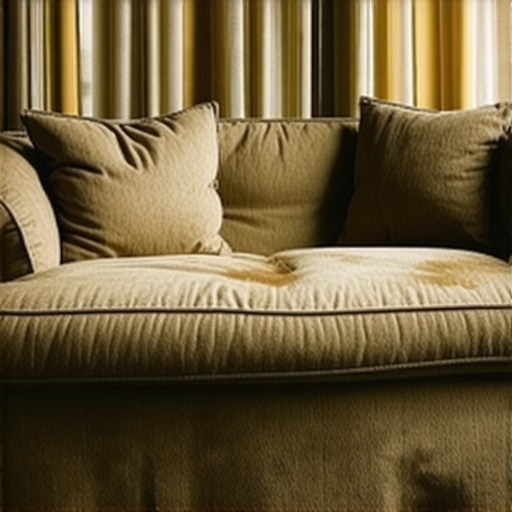
I remember the moment I truly understood the importance of professional upholstery cleaning. It was after hosting a dinner party; everyone complimented my cozy living room, yet I noticed a stubborn stain creeping along my sofa’s cushion. No matter how much I scrubbed, that blemish refused to budge. That was my lightbulb moment—realizing that some messes are best handled by experts.
Recognizing When Your Upholstery Needs a Professional Touch
Let’s be honest: our furniture takes a lot of wear and tear, especially if you entertain often or have kids and pets. But how can you tell if it’s time to call in the professionals? If you’re tired of battling stains or noticing unpleasant odors, it might be time to seek expert help. Today, I’ll share the key signs that signal your upholstery is crying out for a professional cleaning, ensuring your home remains a clean, healthy sanctuary.
Is Your Hesitation Justified? | Common Concerns About Upholstery Cleaning
Early in my journey, I made the mistake of trying DIY methods that promised quick fixes. I used harsh chemicals that left my fabric stiff and discolored. Trust me, I learned the hard way that not all stains respond well to store-bought sprays, and some cleaning routines can inadvertently damage delicate fabrics. According to a study by the National Center for Biotechnology Information, improper cleaning can worsen fabric deterioration over time. That’s why understanding when to seek professional help is crucial.
Ready to discover if it’s time for you to consider professional upholstery cleaning? Keep reading, because recognizing these signs can save you money, extend your furniture’s lifespan, and keep your home healthier.
}
Start with Precise Inspection and Preparation
Before diving into cleaning, examine your furniture closely, identifying stains, odors, or areas of heavy dirt accumulation. Use a handheld flashlight to spot hidden grime or mold. Remove cushions, throws, and loose debris—a step similar to decluttering a messy room before deep cleaning, ensuring nothing obstructs the process. For stubborn spots, consult specialized guides like professional cleaning secrets to avoid damaging delicate fabrics. I once skipped this step and started with rough scrubbing, only to realize I overlooked a mold patch behind a cushion, complicating the task later.
Use Appropriate Cleaning Tools and Solutions
Select the right cleaning agents based on fabric type—synthetic or natural. Avoid harsh chemicals that can weaken fibers; instead, opt for eco-friendly solutions, such as mild detergent mixed with distilled water. Employ a clean spray bottle to apply the solution evenly, mimicking a painter’s gentle mist. For deep stains, a targeted approach works better—consider a specialized stain remover from expert-approved stain removal. I once used a generic spray on my silk sofa, leading to discoloration, emphasizing the need for fabric-specific products.
Master the Deep Cleaning Process
Gently agitate the fabric using a soft-bristled brush or upholstery attachment on your vacuum. Think of this step as brushing your hair; it loosens embedded dirt and dust. Wipe or extract the cleaning solution with a wet-dry vacuum or steam cleaner, ensuring extraction of moisture to prevent mold or mildew. Use a microfiber cloth to absorb residual moisture, rubbing in gentle circles. I learned this firsthand when skipping proper extraction left my fabric damp, causing a musty smell that lingered for days.
Implement Proper Sanitizing and Odor Control
After cleaning, sanitize your upholstery with a fabric-safe disinfectant or a vinegar solution, following the advice from sanitizing expert tips. Let it sit for the recommended contact time, then air out the furniture by opening windows or using fans. To neutralize odors, sprinkle baking soda over the surface and vacuum after 15 minutes; this method is both affordable and effective. Remember, neglecting sanitization can leave bacteria behind, as detailed in multiple cleaning strategies.
Final Touches for a Fresh Look
Once dry, replace cushions, throw covers, and fluff the fabric to restore its texture. Use a handheld steamer to smooth out wrinkles and add a fresh scent, taking care not to oversaturate delicate fibers. For persistent odors or stains, recurring treatments might be necessary, especially on older furniture where dirt has set in deeply. This step ensures your upholstery looks inviting and extends its lifespan, much like giving a face-lift to your living space.
Know When to Call the Professionals
If stains refuse to budge or fabric shows signs of deterioration, professional cleaning might be the safest option. Experts use specialized equipment that can deep-clean and sanitize without risking damage. Scheduling a consultation through professional services can save you time and preserve your furniture’s integrity. I once attempted to clean a vintage velvet sofa myself, only to realize later that I’d caused more harm than good—a costly lesson in trusting the specialists for delicate fabrics.
Many homeowners believe that a quick sweep or a spray of disinfectant is enough to keep their homes spotless and healthy, but in reality, there’s a lot of misinformation swirling around. One common misconception is that all cleaning products are interchangeable; however, using the wrong chemicals can damage delicate fabrics or leave harmful residues, a trap many fall into when attempting DIY upholstery cleaning. Instead, understanding fabric-specific solutions and proper cleaning techniques is essential, as highlighted in expert guides like upholstery cleaning tips.
Another myth is that sanitizing equals disinfecting. While they sound similar, sanitizing merely reduces bacteria to safe levels, whereas disinfecting aims to kill 99.9% of germs and viruses. Relying solely on surface sprays without proper contact time or penetrating cleaning methods leaves bacteria lurking, especially in hard-to-reach areas. The expert hacks emphasize the importance of proper sanitization routines for comprehensive hygiene.
Advanced homeowners often wonder whether move-out cleaning is truly necessary beyond surface tidying. The answer is a resounding yes—what seems clean may conceal hidden grime or mold behind appliances or under furniture, risking deductions on security deposits or health issues later. For best results, employing detailed strategies like move-out checklists ensures thorough cleanliness and peace of mind.
Let’s discuss a more sophisticated question: How can regular cleaning routines inadvertently promote microbial resistance? Overusing chemical disinfectants without proper ventilation or variety in cleaning agents can lead to resilient bacteria strains, posing health risks. Scientific studies, such as those from renowned microbiology research, suggest that integrating mechanical cleaning and natural agents like vinegar and baking soda can reduce chemical reliance while maintaining hygiene.
Have you ever fallen into this trap? Let me know in the comments. The key takeaway is that effective home maintenance requires more than assumptions; it demands knowledge of nuanced cleaning practices to truly protect your living space.
Invest in Quality Equipment for Consistent Results
When it comes to maintaining a clean home, having the right tools makes all the difference. I personally rely on a high-quality HEPA-filter vacuum cleaner, such as the Dyson V11 Torque Drive, because its powerful suction and advanced filtration system ensure deep removal of dust, allergens, and pet hair. Regularly updating my vacuum filter and brushes helps maintain peak performance, which is vital for long-term cleanliness and air quality.
Moreover, I recommend a commercial-grade steam cleaner like the McCulloch MC1385 for deep sanitizing of upholstery and hard surfaces. Steam cleaning not only eliminates bacteria and viruses but also reduces chemical usage, aligning with eco-friendly practices. My personal experience shows that investing in durable, professional-grade equipment reduces recurring cleaning costs and ensures consistent outcomes.
Leverage Advanced Software for Scheduling and Tracking
To stay organized, I use a dedicated cleaning schedule app like Spotless Home Organizer. It helps me set reminders for periodic deep cleans, track equipment maintenance, and log any issues that need professional attention. Automating reminders ensures no area gets overlooked, especially in busy households.
In addition, digital checklists accessible via my phone enable me to verify that each step — from initial inspection to final touch-ups — is completed thoroughly. This systematic approach ensures long-term results and prevents small issues from escalating into costly repairs or cleaning complications.
Adopt Proven Methods for Longevity
In my routine, I prioritize gentle yet effective cleaning methods. For instance, I use microfiber cloths for dusting and wiping surfaces because their fine fibers trap dirt without scratching delicate finishes. Applying natural solutions like vinegar diluted with water keeps my furnishings sanitized without risking damage, as discussed in trusted cleaning tips.
Additionally, routine maintenance like inspecting and replacing worn-out brushes or filters extends equipment lifespan. Scheduled check-ups prevent equipment failure during critical cleaning sessions, leading to sustained efficiency over the years.
How do I maintain my cleaning tools for longevity?
Proper storage and regular maintenance are key. After each use, I clean filters and empty vacuum canisters to preserve suction power. Storing tools in dry places prevents mold growth, which can compromise their effectiveness. Reviewing manufacturer instructions, like in expert house-cleaning routines, ensures I follow best practices. Trusting your equipment and maintaining it diligently saves money and guarantees quality results over time.
Looking ahead, I believe automation and smart cleaning devices will become more mainstream. Robotic vacuums integrated with smart home systems, for example, are revolutionizing long-term maintenance by providing scheduled, hands-free cleaning. Embracing these innovations now can help you stay ahead and keep your home effortlessly pristine—try setting up a scheduled cleaning routine with your robotic vacuum today to experience the convenience firsthand.
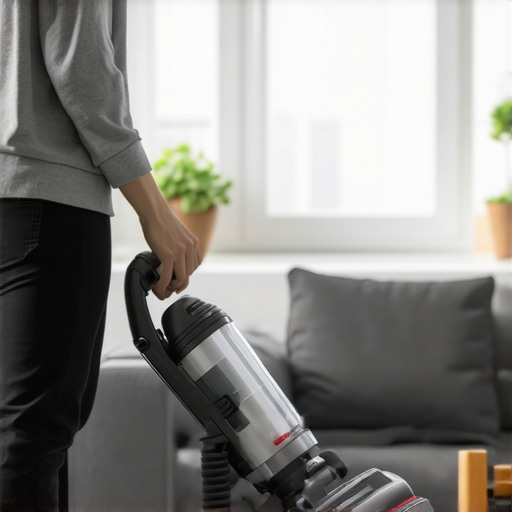
The Hardest Lesson I Learned About Upholstery Care and Deep Cleaning
One of the most eye-opening experiences in my cleaning journey was discovering that some stains and odors aren’t just surface issues—they’re deeply embedded. I once tried everything on a stubborn wine stain, only to realize that DIY methods often fall short for delicate fabrics or persistent marks. That lightbulb moment taught me that trusting the expertise of professionals ensures my furniture looks and smells like new, extending its lifespan far beyond my expectations.
Guided Steps to Elevated Upholstery Maintenance
Beyond basic cleaning, adopting targeted techniques like gentle agitation and proper extraction can make a significant difference. I learned that using a microfiber cloth to absorb residual moisture prevents mold and mildew, which are sneaky threats lurking in damp fabrics. Utilizing specific solutions tailored to your fabric type and consistently following best practices from trusted sources can transform your home into a healthier, more inviting space.
My Top Picks for a Refreshing Home Sanctuary
- Dyson V11 Torque Drive: This powerful vacuum with HEPA filtration helps trap allergens, making it ideal for maintaining a dust-free environment.
- McCulloch MC1385 Steam Cleaner: Deep cleans and sanitizes without harsh chemicals, perfect for upholstery and hard surfaces alike.
- Spotless Home Organizer App: Keeping track of cleaning routines and equipment maintenance simplifies regular upkeep and ensures nothing gets overlooked.
- Natural Solutions (inspection-approved disinfectants): Combining vinegar, baking soda, and eco-friendly products provides effective, safe cleaning alternatives that preserve fabric integrity.
Seize the Moment to Elevate Your Home’s Cleanliness
Your journey to a healthier, more vibrant home is within reach. Incorporating expert tips, investing in quality tools, and maintaining a curious mindset about cleaning practices can dramatically improve your upholstery and overall living environment. Remember, every small effort adds up to a remarkable difference you can see, feel, and breathe—so why wait?
What’s your biggest challenge when it comes to keeping your upholstery looking and smelling fresh? Share your experiences or questions below—let’s learn from each other!