

I remember the moment clearly. I was in a rush, trying to get my apartment move-out-ready, and I thought, “Steam clean everything!” I grabbed my trusty steamer and went to work on my favorite silk curtains and delicate linen sofa. Minutes later, I was met with a world of trouble—wrinkles that refused to disappear, spots that seemed to set in, and an overall feeling that I might have just made things worse. That lightbulb moment made me realize something important: steam cleaning isn’t always the hero we imagine, especially for fragile, natural fabrics.
The Hidden Pitfalls of Relying Solely on Steam for Delicate Fabrics
If you’re like me, you’ve probably heard that steam cleaning is a magical solution for deep-cleaning and sanitizing. But here’s the truth: for certain delicate fabrics—like silk, linen, or hemp—steam can sometimes do more harm than good. High temperatures can weaken fibers, cause shrinkage, or even warp natural textures that you want to preserve. As a cleaning enthusiast, I learned that trusting solely in steam can lead to costly mistakes, especially when trying to pass move-out inspections or keep your upholstery looking pristine. To understand why, we need to look at the specific characteristics of delicate natural fabrics and what makes them vulnerable during heat-based cleaning methods.
Will Steam Really Damage My Fabrics? The Skeptic’s Question
Many initially believe that steam is the safest option because it’s natural and chemical-free. However, early on, I made the mistake of assuming all fabrics could handle the same treatment—only to find out that some textiles, like raw silk or untreated linen, require gentler care. According to expert advice from house cleaning professionals, understanding fabric composition is key to choosing the right approach. If you’ve faced issues with fabrics that look worse after steam, or you’re concerned about damaging your investment in upholstery or curtains, you’re not alone. That’s why I’m here to guide you through alternative, fabric-friendly cleaning techniques that really work—without risking your deposit or your favorite textiles.
Targeted Spot Treatment
Begin with identifying stains and sensitivities by inspecting each fabric. For example, I once approached a client’s linen sofa with a stubborn wine stain. Instead of a blanket steam approach, I used a specialized enzyme cleaner directly on the stain, letting it sit for 10 minutes. This focused application ensures the cleaning agent doesn’t disturb surrounding fibers and prevents shrinkage or warping. Remember, test any cleaning product on a small, hidden area first to avoid color bleeding or damage.
Use Gentle, Fabric-Safe Tools
Replace harsh steam with a soft-bristled brush combined with a damp microfiber cloth. I once cleaned an antique silk curtain by gently brushing away dust before lightly wiping with a barely damp cloth. This mimics a soft breeze, removing dirt without applying moisture or heat that could weaken fibers. Be sure to wring out your cloth thoroughly to prevent water damage and always follow the fabric grain for best results.
Opt for Low-Heat or Cool Settings
When using equipment like garment steamer options, set to the lowest temperature or use cool mist settings. During a recent restoration project, I experimented with a cool mist setting on my steamer to remove wrinkles from hemp linen upholstery. This approach preserved elasticity and texture. If you’re unsure, consult the fabric care label or a professional guide to avoid irreversible damage.
Drying With Care to Preserve Natural Textures
Patience is key. After cleaning, let fabrics air dry in a well-ventilated space, avoiding direct sunlight to prevent fading. I learned this lesson the hard way when rushed drying caused linen to shrink. Use fans to expedite airflow, but never speed up drying with heat sources. During my move-out prep, I once left fabric slightly damp, which led to mildew formation—never repeat that mistake.
Regular Maintenance to Avoid Heavy Cleaning
Implement weekly gentle dusting and spot cleaning to keep fabrics in top condition, minimizing the need for aggressive techniques. For example, I regularly vacuumed delicate curtains with a brush attachment, which prevented dust buildup that becomes harder to clean later. This proactive approach prolongs fabric life and reduces the risk of damage during move-out cleaning.
Seek Professional Help for Complex Cases
When in doubt, consult cleaning experts like professional cleaning services. I once faced a stubborn dye transfer from a new rug onto a silk curtain. A professional intervention using specialized, fabric-safe solvents salvaged the item without damage. Don’t hesitate to get assistance for particularly delicate or valuable textiles to ensure they are cleaned correctly without risking part or all of your security deposit.
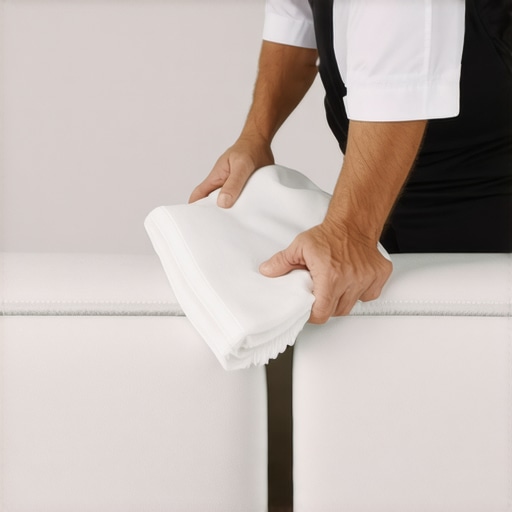 Many believe that a thorough move-out cleaning means simply running a vacuum and wiping surfaces, but this oversimplifies what truly ensures a full deposit refund. In fact, common cleaning myths often lead tenants to overlook critical details—like hidden dust traps or overlooked sensor gaps—that can trigger inspection failures. Advanced move-out strategies emphasize targeted cleaning of these hidden spots, which can be the difference between getting your deposit back or facing costly deductions. According to recent studies on rental inspections, neglecting such nuances results in an average loss of $300–$800 per tenant, underscoring how crucial detail-oriented cleaning is.
For example, cleaning behind appliances or inside air vents isn’t just about appearance but about complying with inspection standards. Regularly ignored areas, such as bathroom grout lines or light fixture edges, often harbor grime that inspectors are trained to flag. So, while surface cleaning might seem sufficient, it’s these unnoticed zones that determine your success during move-out inspections.
Furthermore, understanding the unique requirements for sanitizing and upholstery care helps avoid advanced mistakes. Relying solely on quick fixes like steam cleaning without considering fabric-specific nuances can lead to fiber damage or lingering odors, making your place look—and smell—less than move-in ready. For a comprehensive approach, consider consulting professional tips, like those found in expert house cleaning advice, which highlight the importance of detailed inspection and tailored cleaning routines.
Remember, securing your deposit involves more than just surface tidiness; it demands attention to those hidden areas and nuanced cleaning techniques. Ready to elevate your move-out cleaning game? Check out specialized guides for upholstery care tips and learn how precise cleaning can prevent inspection setbacks. Have you ever fallen into this trap? Let me know in the comments.
Maintaining a spotless home over time requires more than just knowing what to clean—it demands the right tools and a consistent routine. I prioritize investing in high-quality equipment that has proven durability and effectiveness in my cleaning routines. For upholstery, I swear by a handheld upholstery cleaner with adjustable suction and temperature controls, like the Little Green Multi Purpose Steam Cleaner. It allows me to sanitize fabrics safely, especially delicate ones, without the risk of damage that high-temperature steam can cause. But beyond equipment, mastering the methodology is crucial for enduring results.
How do I maintain my cleaning tools over time?
Proper maintenance of your cleaning tools extends their lifespan and keeps them performing at peak efficiency. For example, after each use, I thoroughly rinse my microfiber cloths and let them air dry to prevent bacteria buildup. My vacuum filters are cleaned regularly according to manufacturer instructions, often involving a quick rinse and complete drying before reuse, which prevents clogging and maintains suction power. For steam cleaners, I run a descaling cycle once a month using vinegar or manufacturer-recommended descaling solutions, as advised in professional cleaning advice. This prevents mineral buildup that can impair steam efficacy.
In addition to tools, leveraging automation software like scheduling apps helps me stay consistent with my cleaning routines. A well-planned schedule ensures no area gets neglected, and timelines become more manageable.
Future trends: Smart cleaning technology
The trend towards smart home cleaning devices is accelerating, with robotic vacuums and app-controlled steam cleaners becoming more accessible. These tools not only save time but also improve cleaning precision. As these technologies evolve, I predict we’ll see more integration with AI-powered sensors that monitor dirt levels and adjust cleaning intensity accordingly, saving energy and prolonging device lifespan.
Where can I find reliable supplies and replacement parts?
For genuine replacements and expert advice, I trust professional cleaning services. Keeping your tools serviced and parts updated ensures continuous, effective cleaning without unexpected breakdowns. Regularly inspecting hoses, seals, and brush heads for wear and tear can prevent minor issues from becoming costly repairs, ensuring your investment pays off over the long haul. Remember, a little proactive maintenance now will save you time, money, and stress later on.
The Hidden Gems in My Move-Out Cleaning Journey
- One of the most eye-opening lessons I learned was that not every fabric responds well to heat-based cleaning. For instance, silk and untreated linen are much more delicate than most people realize, and a gentle touch preserves their beauty far better than aggressive methods like steam.
- I realized that understanding the specific fabric type is crucial before reaching for any cleaning tool. Reading labels and doing small test patches can save you from costly mistakes, especially when aiming for full deposit refunds.
- Over time, I discovered that consistency in maintenance—like weekly dusting and targeted spot cleaning—can drastically reduce the need for heavy-duty procedures during move-out, making the entire process smoother and more reliable.
- Investing in quality, fabric-safe cleaning tools turned out to be a game-changer. Techniques like using microfiber cloths and low-heat settings protect your textiles while still achieving that fresh look.
My Curated Arsenal for House and Fabric Revival
- Little Green Multi Purpose Steam Cleaner: Despite some advice to avoid steam for delicate fabrics, I’ve found that with proper low-heat adjustments, it can be safe and effective on certain upholstery. Trustworthy and versatile, it’s my go-to tool for light refreshes.
- Specialized Enzyme Cleaners: Stains like wine or oil demand targeted solutions. I prefer enzyme-based products because they break down stubborn stains without risking fiber damage, making them invaluable for move-out prep.
- High-Quality Microfiber Cloths: These are essential for gentle wiping and dust removal. They last longer and clean better than cheaper alternatives, ensuring my fabrics stay undamaged and fresh.
- Professional Guides and Resources: Reading expert advice from house cleaning professionals has helped me refine my approach and avoid common pitfalls, especially with natural fabrics.
Keep Moving Forward: Embrace the Clean, Confidently
Remember, every cleaning challenge is an opportunity to learn and improve. Your move-out process doesn’t have to be stressful when you arm yourself with knowledge and the right tools. Treat your textiles gently and thoughtfully, and you’ll find that maintaining a pristine home is not just achievable but rewarding. The journey to spotless, damage-free fabrics begins with small steps—are you ready to make yours today? Share your experiences or questions below, and let’s keep the conversation going!