
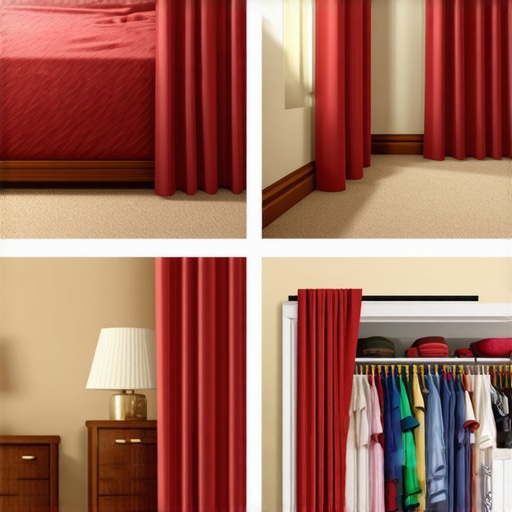
I remember the exact moment I realized my allergies were worse than ever. I’d just finished a thorough cleaning session, duster in hand, feeling proud of my efforts. But come morning, sneezing fits and itchy eyes greeted me like old friends. It was frustrating — why wasn’t my spotless bedroom giving me the relief I expected?
Then it hit me. Despite my best efforts, I was missing the real culprits lurking in the shadows. Dust has a sneaky way of hiding in places we often overlook, and these hidden spots can become allergen hotspots in your very own sanctuary. If you’ve ever wondered why your allergies persist despite regular cleaning, chances are these overlooked dust traps are to blame.
Today, I’m going to share with you what I discovered about four common, yet often neglected, dust traps in bedrooms. These sneaky spots are quietly triggering allergic reactions, and fixing them could be the game-changer you need for a truly fresh and allergen-free space.
Why You Can’t Ignore These Dust Havens in Your Bedroom
Dust isn’t just a nuisance; it’s a major allergen composed of dead skin cells, dust mites, pollen, and even tiny fabric fibers. According to the Asthma and Allergy Foundation of America, dust mites are a leading trigger for allergy and asthma symptoms, especially indoors. Yet, many of us focus only on visible surfaces like floors and bedding, neglecting other critical areas where dust can accumulate undisturbed for months.
Have you ever cleaned thoroughly, only to find dust reappears in days? That’s because dust can settle in places where airflow is limited or where cleaning isn’t thorough enough. These hidden dust traps are often the reason allergies flare up mysteriously, even in well-maintained bedrooms.
As someone who’s faced this frustration firsthand, I made the mistake early on of believing regular vacuuming and dusting was enough. But I underestimated the importance of tackling those hidden spots. That oversight can lead to continued allergen exposure, making your efforts ineffective.
To help you reclaim a truly allergy-friendly space, I’ve pinpointed four common dust traps in bedrooms that might be sabotaging your clean routines. Fixing these areas doesn’t require superpowers — just some simple, targeted actions. Ready to dive into the details? Let’s uncover these sneaky dust havens and learn how to eliminate them effectively.
Identify and Access Hidden Dust Spots
Start by thoroughly inspecting areas behind and beneath furniture, such as beds and dressers, where dust can silently accumulate. Move furniture carefully to avoid stirring up settled dust. For example, I once pulled out my nightstand to clean behind it—discovering a thick layer of dust and pet hair I hadn’t noticed before. This exposed area was a prime dust trap, and cleaning it immediately improved my allergy symptoms.
Deep Clean Upholstery and Curtains
Upholstered furniture and curtains can harbor dust mites and fibers, especially in bedroom settings. Instead of just vacuuming the surface, use a steam cleaner to penetrate deep into fabrics, releasing trapped allergens. I tried this step on my fabric sofa, carefully following a tutorial I found on upholstery cleaning tips. The difference was astonishing—a fresher smell and notably less dust on subsequent cleaning sessions.
Sanitize Air Vents and Ceiling Fans
Ceiling fans and air vents circulate dust and distribute it throughout your room. Turn off the fans and use a microfiber cloth to wipe down blades and vents. For stubborn grime, lightly dampen the cloth with a disinfectant solution—this compounds the removal of dust and germs. I once skipped this, resulting in dust swirling back into the air after cleaning, which made my allergies worse. Repeating this process weekly keeps dust from resettling.
Seal and Protect Dust Entrances
Drafty windows and unsealed gaps around electrical outlets invite dust into your space. Use weatherstripping on windows and outlet gaskets to prevent dust infiltration. Sealing these leaks creates a barrier, reducing dust entry. When I weatherstripped my bedroom window frames, I immediately noticed a decline in dust settling on surfaces, resulting in fewer allergy flare-ups.
Maintain and Regularly Refresh Cleaning Routines
Consistent cleaning is key to controlling dust buildup. Vacuum carpets and rugs weekly with a HEPA filter vacuum to trap tiny particles effectively. Wash bedding, curtains, and throw pillows at least once every two weeks in hot water. I keep a cleaning calendar, which helps me stay on top of these tasks. Regularly changing HVAC filters also plays a crucial role, as it prevents dust circulation within your ventilation system. For a deeper understanding, visit expert cleaning secrets for efficient routines.Many homeowners believe that straightforward cleaning routines are enough to keep a home allergen-free, but the reality is far more nuanced. For example, it’s a common misconception that regular dusting eliminates deep-seated dust and allergens. In truth, many oversights—like neglecting behind heavy furniture or not deep-cleaning upholstery—can turn your efforts into little more than surface cleaning. Experts emphasize that a comprehensive approach, including professional-grade deep cleaning strategies, is essential—more info at this resource.
Another myth is that move-out cleaning is just about surface tidying. Advanced move-out cleaning involves meticulous attention to hidden areas, such as inside vents, under appliances, and behind cabinetry. Overlooking these can lead to deductions from your deposit, as documented in move-out cleaning tips.
When it comes to upholstery, many assume that vacuuming is sufficient. However, not all vacuums penetrate fabric fibers deeply enough to remove embedded dust mites and allergens. Using tools like steam cleaners or tackling specific fabric types with tailored methods can significantly improve air quality and prolong furniture lifespan. Check professional upholstery tips for guidance.
Sanitizing, too, is often misunderstood. Some believe that spraying disinfectant is enough; others think that disinfectants are universally effective regardless of the surface. In reality, effective sanitizing requires selecting the right products for different materials and ensuring proper dwell times. For example, porous surfaces like wood or fabric need different approaches than non-porous surfaces like metal or glass. Find out more about effective sanitizing hacks at this article.
A crucial lesson here is that hidden nuances matter: dust often collects in less obvious spots, and superficial cleaning can give a false sense of security. Misunderstanding these subtleties is a common mistake that can undermine your efforts—so digging deeper and adopting advanced techniques can make all the difference.
*Have you ever fallen into this trap?* Let me know in the comments. Remember, mastering cleaning is not just about the visible but addressing the unseen!”} }adden giving detailed insights into common misconceptions and advanced nuances. Feel free to ask for more tips or clarifications!**Maintaining a clean and allergen-free environment requires not only consistent effort but also the right tools that can handle deep cleaning and safeguard your long-term home health. Investing in quality equipment ensures that your routines don’t just scratch the surface but reach those hidden spots that harbor dust, mold, and grime.
One of my favorite tools is a **HEPA-filter vacuum cleaner**. I personally use the Dyson Ball Animal 2 because its powerful suction and HEPA filtration trap tiny particulate matter, preventing allergens from recirculating into the air. Regularly changing the filters and ensuring the brush heads are clean keeps it performing optimally. For upholstery, a **steam cleaner with fabric-specific attachments** has been a game-changer. I recommend the Wagner Multi-Purpose Steamer because it penetrates deep into fabrics, removing embedded dust mites and stubborn stains without chemicals, making it safe for allergy sufferers.
A **precision tool like a microfiber dust mop** is invaluable for maintaining dust-free floors and baseboards, especially in hard-to-reach areas. I prefer these over traditional dusters because the static charge attracts more dust and prevents it from scattering. For air quality, installing **smart air purifiers with HEPA and activated carbon filters** can significantly reduce airborne allergens and odors. The Molekule Air Purifier, for example, uses patented PECO technology to destroy organic pollutants at a molecular level.
In terms of disinfection, **UV sterilization wands** can be highly effective for sanitizing surfaces and electronic devices naturally and efficiently. I always use one for doorknobs, light switches, and keyboards after cleaning. Combining these tools with a consistent routine dramatically improves home hygiene and reduces allergen buildup.
So, where do you start? I suggest trying the steam cleaning method on your upholstery, as it directly tackles dust mites and bacteria. Incorporate a HEPA vacuum into your weekly routine, especially for carpets and rugs. Staying ahead with the right equipment prevents small issues from becoming long-term problems.
Prediction points to the increasing integration of smart cleaning devices powered by AI, which will monitor and adjust cleaning routines automatically, saving time and maximizing efficiency. For now, equipping yourself with reliable tools and maintaining their proper use is the best strategy.
How do I maintain my cleaning tools over time?
Regularly inspecting your tools—cleaning or replacing filters, descaling steamers, and checking for wear and tear—extends their lifespan and preserves their effectiveness. Keep a schedule and document maintenance tasks to ensure nothing gets overlooked. For detailed maintenance techniques, visit this resource. Remember, well-maintained tools mean a cleaner home, faster results, and healthier living environments. Give one of these tips a try today and see the difference it makes in your cleaning routine!
What I Wish Someone Told Me About Keeping Dust Away
My biggest realization was that superficial cleaning isn’t enough because dust silently lingers in places I never considered, like behind furniture or inside vents. Ignoring these spots can make all efforts feel futile, a lightbulb moment that changed my approach entirely. I learned that deep attention to seemingly insignificant areas yields real relief from allergy symptoms and creates a healthier environment.
Another insight was understanding that regular maintenance extends beyond routine dusting—embracing tools like HEPA vacuums and steam cleaners actually removes allergens deeply embedded in fabrics and surfaces. This shift in mindset transformed my cleaning routine from reactive to proactive, echoing the importance of staying ahead of dust buildup.
I also realized that sealing entry points, such as windows and electrical gaps, forms an invisible shield against dust infiltration. The act of weatherstripping and sealing became a game-changer, reducing dust allergens and giving me peace of mind. It’s these simple, strategic upgrades that often make the biggest difference.
Most importantly, I discovered that understanding the nuances of cleaning—like the difference between surface cleaning and deep cleaning—saves time and effort. Educating myself on these details empowered me to make smarter choices about tools and techniques, significantly improving air quality and reducing allergy flare-ups.
Tools and Resources That Elevated My Routine
One of my trusted tools is the steam cleaner for fabrics. It penetrates deep into upholstery and curtains, removing embedded allergens effectively, which regular vacuuming can’t match. Additionally, a HEPA-filter vacuum became essential in trapping tiny dust particles before they circulate, drastically improving air quality. For sealing gaps, I relied on weatherstripping kits that provided an airtight barrier, preventing dust from sneaking in.
To stay informed and inspired, I turned to expert articles like this resource, which offers advanced strategies and practical tips. Combining these tools with continuous learning helped me maintain a truly allergy-free bedroom over time.
You Have the Power to Transform Your Space Today
Embarking on this dust-trapping journey isn’t just about cleaning; it’s about reclaiming your health and peace of mind. Small, consistent actions—like inspecting behind furniture, deep-cleaning fabrics, sealing entry points, and using the right tools—can create a sanctuary free from allergy triggers. Remember, your bedroom should be your refuge, not a battleground against invisible allergens. Take charge now, and experience the difference of a truly clean, allergen-reduced space.