
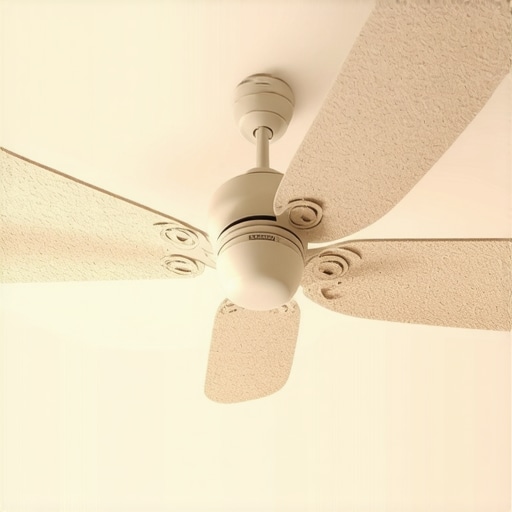
I remember the moment clearly — I was scrubbing my living room blinds, sweating under the frustration of yet another rental inspection looming. And then it hit me: the ceiling fan blades, hidden just above eye level, covered in a thick, dusty layer no one notices until it’s too late. That sneaky layer of dust is more than just an aesthetic nuisance; it’s a telltale sign that a place hasn’t been cleaned thoroughly enough for move-out inspections. Rental inspectors are trained to spot these tiny details, and trust me, neglecting this can cost you your security deposit.
Why You Can’t Afford to Ignore Ceiling Fan Dust During Move-Out Cleaning
The truth is, those layers of dust on ceiling fan blades are a common oversight — but one that rental inspectors are quick to flag. When I first moved out of a rental, I thought a quick dusting of visible surfaces would suffice. Spoiler alert: it didn’t. The inspector’s report cited dust accumulation on ceiling fans as evidence of inadequate cleaning, risking deductions from my deposit. This experience taught me that every little corner matters, especially those that are out of sight and out of mind. Achieving a spotless move-out clean isn’t just about cleanliness; it’s about meticulously ticking off each detail inspectors look for, from baseboards to ceiling fan blades.
Now, if you’re wondering whether tackling ceiling fan dust is worth the effort, the answer is a resounding yes. A comprehensive clean, including those high-up blades, can be the difference between a full refund or a fight over your deposit. Plus, maintaining a dust-free ceiling fan prolongs the life of the fan motor, saving you money in the long run. According to cleaning experts, neglecting high surfaces like fan blades can lead to allergy aggravation and dust buildup, which are difficult to clean later. Yet, many overlook this step — a mistake I made early on, thinking a quick wipe would cut it. Don’t make the same mistake.
Have you ever faced a move-out inspection where just one overlooked detail cost you your deposit? If so, you’re not alone. That’s why I want to guide you through an effective, easy way to eliminate dust from ceiling fan blades once and for all. In the following sections, we’ll delve into the practical steps to get your ceiling fans spotless and inspector-proof. Ready to turn that dusty eye sore into a shining example of cleanliness? Let’s go.
Prepare Your Tools and Workspace
Start by gathering a sturdy step ladder, a microfiber cloth, a vacuum with a brush attachment, and a reusable dust mask. Place a drop cloth or old sheet under the fan to catch falling dust, preventing mess on your floor or furniture. Wearing a dust mask minimizes inhalation of allergens suspended in the air, especially if you’re sensitive to dust or cleaning in a confined space.
Turn Off Power and Access Fan Blades
Switch off the ceiling fan and, if possible, the circuit breaker to ensure safety. Carefully position your ladder directly beneath the fan, making sure it’s stable. Climb up securely, holding onto the ladder firmly. Use a gentle motion to avoid knocking the fan or risking falls. Remember, safety comes first—rushing can lead to accidents.
Initial Dust Removal with Vacuum
Attach the brush tool to your vacuum cleaner. Gently run it along each blade’s surface and edges to loosen and suck up loose dust and cobwebs. This step is efficient for removing most surface dust without spreading debris around. Think of it as vacuuming the surface dirt before a more detailed wipe—like sweeping before mopping.
Wipe Down with Microfiber Cloth
Dampen a microfiber cloth slightly to trap dust more effectively. Wipe each blade carefully, following the grain of the material to avoid scratching. For stubborn spots or thick dust, fold the cloth for a fresh surface. Use light pressure; pressing too hard can bend or damage the blades. This step ensures a thorough cleaning, eliminating residual dust that vacuuming might miss.
Deep-Clean Fan Blades for Stubborn Dust and Stains
If dust has accumulated over a long period or mold appears, a deeper cleaning is necessary. Mix a gentle cleaning solution—half water, half white vinegar—to disinfect and dissolve grime. Dampen a cloth with this solution and wipe each blade, paying special attention to corners and edges where dust can settle unnoticed. For textured or porous blades, a soft-bristle brush dipped in the solution can help loosen embedded dirt. Avoid soaking the blades, as excess moisture can cause warping or damage.
Dry and Inspect
Use a dry microfiber cloth to wipe down each blade, removing any remaining moisture. This prevents streaks or water spots. Turn the fan back on briefly to verify smooth operation, ensuring nothing was dislodged during cleaning. Look for any damage or loose parts that might need fixing before you finish.
Final Touches and Safety Checks
Disassemble your tools, seal dust-filled cloths or vacuum bags, and dispose of debris properly. Check that your ladder is stable before descending. Restock your cleaning supplies for next time, and consider scheduling regular maintenance to keep dust from building up again. Remember, consistent cleaning extends the lifespan of your fan and keeps your home healthier.
For additional tips on effective home cleaning, review effective house cleaning secrets or learn about specialized cleaning methods that can help maintain a spotless home environment.
While many believe that sweeping and wiping surfaces suffice for effective sanitation, experts emphasize that superficial cleaning often leaves behind invisible bacteria and allergens, especially in upholstery and hard-to-reach areas. A widespread misconception is that using bleach or strong disinfectants alone guarantees a hygienic space; however, overusing harsh chemicals can damage fabrics and surfaces, reducing longevity and posing health risks. Instead, understanding the nuances of proper cleaning agents and their appropriate applications is crucial for thorough sanitation, as highlighted by cleaning professionals in their effective house cleaning secrets. One common mistake is neglecting to pre-treat stubborn stains or using the same cleaning method on all surfaces, which can lead to ineffective results or even surface damage. Advanced cleaning involves tailored approaches, such as enzymatic cleaners for organic stains on upholstery or steam cleaning for deep bacteria elimination, ensuring a truly sanitized environment. Are you aware of how specific fabrics and materials react to various cleaning agents? Many overlook that delicate textiles like microfiber or eco-friendly fabrics require special care, otherwise risking discoloration or deterioration. According to industry research, using inappropriate tools or chemical mixtures can trap bacteria rather than remove them, a trap many fall into without realizing. For instance, spraying alcohol on synthetic upholstery without proper dilution can strip protective coatings, making fabrics more vulnerable over time, a common mistake addressed in advanced sanitizing techniques. As you prepare for your next deep clean, consider whether your current methods truly target unseen dirt and germs or just the surface—digging into these details can elevate your cleaning game significantly. Have you ever fallen into this trap? Let me know in the comments. Maintaining a spotless home over time requires more than just occasional elbow grease; it depends on the right tools and a strategic approach. I personally swear by a few specific items that make ongoing house cleaning, upholstery maintenance, and move-out prep much more manageable. One of my top recommendations is a high-quality microfiber duster with extendable arms. Unlike cheap versions, these allow me to reach ceiling fans, corner vents, and behind appliances without a ladder, saving time and ensuring thorough dust removal. For deeper cleans, I rely on a steam cleaner such as the Bissell SteamShot, which I’ve used to sanitize upholstery and grout lines effectively, eliminating bacteria without harsh chemicals. Its portability and adjustable steam jet make it perfect for targeted cleaning, and I plan to invest in one with an even higher pressure model as technology advances predicted in upcoming cleaning trends. Additionally, a handheld vacuum equipped with a HEPA filter is indispensable for quick daily touch-ups, especially in allergy-prone areas. It captures fine dust and allergens that can aggravate respiratory issues. Over the long term, pairing these tools with regular scheduled cleaning—such as weekly upholstery refreshes and monthly deep cleans—keeps dirt from building up, reducing the need for costly last-minute move-out cleans. Looking ahead, I believe advances in AI-powered cleaning devices will further streamline this process, integrating autonomous vacuums and smart sensors to maintain a consistently clean environment with minimal effort.
How do I maintain tools like these over time?
Regular maintenance is key—clean microfiber cloths and filters after each use, ensure steam cleaners are descaled according to manufacturer instructions, and store equipment in dry, accessible spaces. This prolongs their lifespan and guarantees optimal performance. For detailed strategies on maintaining your cleaning gear, you might find the expert tips in professional house cleaning advice particularly helpful. Investing in quality tools might seem costly upfront, but it pays off in efficiency and the superior results you’ll achieve over time. If you’re eager to elevate your cleaning routine, I recommend starting by upgrading your microfiber cloths and vacuum filters—these small investments can make a big difference. Ready to experience a cleaner, healthier home? Explore the latest in steam cleaning technology or visit contact us for personalized recommendations.
The Hardest Lesson I Learned About dusting and cleaning ceiling fans
- Early in my cleaning journey, I underestimated the importance of addressing high, out-of-sight surfaces, especially ceiling fan blades, assuming visible cleanliness was enough—only to learn inspectors scrutinize those unnoticed details.
- My quick wipe-down routine didn’t cut it; thorough dust removal requires dedicated tools and methods to truly impress rental inspectors and secure my deposit.
- I realized that neglecting seemingly minor areas can lead to deductions, emphasizing that comprehensive cleaning is a strategic process, not just a surface effort.
- The journey taught me to prioritize safety alongside effectiveness, ensuring that reaching high spots is done securely to avoid accidents while achieving spotless results.
My Essential Tools for Perfect Ceiling Fan Cleaning
Investing in quality microfiber dusters with extendable handles, a lightweight vacuum with brush attachments, and eco-friendly cleaning solutions like vinegar and water can dramatically improve your cleaning efficiency and results. These tools are reliable, eco-conscious, and make the process quicker, ensuring you don’t overlook those crucial dust spots.
Feeling Inspired to Elevate Your Cleaning Routine
Achieving a pristine, inspector-proof ceiling fan may seem daunting at first, but with the right approach and tools, it becomes a manageable task that transforms your home’s cleanliness. Remember, attention to detail not only secures your deposit but also promotes a healthier living environment. Don’t hesitate—start today to make your move-out cleaning a breeze and turn imperfections into perfection. Have you ever overlooked a small detail that cost you your deposit? Share your experiences below and let’s learn together!