
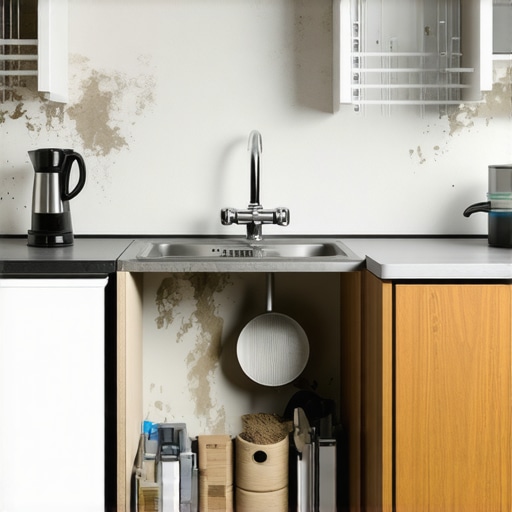
I still remember the sinking feeling in my stomach when I got the call from my landlord—the dreaded move-out inspection was scheduled, and I knew I hadn’t paid enough attention to those tiny, tucked-away kitchen spots. It was a moment of realization that even a thorough cleaning can overlook the sneakiest areas, causing stress and potential loss of my security deposit. If you’ve ever rushed through a cleaning, only to be caught off guard by unexpected inspection points, you’re not alone.
In today’s post, we’re going to uncover the seven hidden kitchen spots that often cause tenants to fail their professional move-out inspections. Together, we’ll explore practical strategies to ensure these areas are spotless, freeing you from surprises and helping you secure your full deposit.
Why Overlooked Spots Can Make or Break Your Move-Out Success
Target Every Corner with Precision
Start by systematically inspecting each hidden nook, like behind the refrigerator or under the sink. These are common spots landlords scrutinize and often overlook during cleaning. During my last move, I dedicated 15 minutes to these areas, using a microfiber cloth dampened with an all-purpose cleaner. The result? No surprises at inspection, and my full deposit returned. Remember, thoroughness trumps speed; missing even small patches can lead to deductions.
Disinfect and Sanitize Effectively
Use the Right Products
Employ EPA-approved disinfectants for surfaces like countertops, cabinet handles, and switches. Avoid harsh chemicals that damage finishes. A good tip: spray and let sit for the recommended contact time to ensure germs are killed, especially in high-touch areas. This method is akin to letting a stain soak — patience pays off. For detailed sanitizing hacks, visit this guide.
Eliminate Odors
Odors are often stubborn, especially in kitchens. Baking soda is a hero here; sprinkle it on surfaces, let sit for 15 minutes, then wipe away. For smells lingering in drains or garbage disposals, pour a mixture of baking soda and vinegar, then flush with hot water. It’s like giving your kitchen a fresh breath, which can make a significant difference in inspection reports.
Deep Clean Appliances
Focus on the typically neglected parts like the fridge seals, oven racks, and microwave vents. Remove and soak oven racks in a solution of hot water, baking soda, and dish soap. Scrub with a non-abrasive sponge and rinse thoroughly. For fridge seals, wipe with a damp cloth dipped in a mixture of warm water and mild detergent, followed by a disinfectant spray. Think of appliances as the kitchen’s face — giving them a professional shine can dramatically improve inspection outcomes.
Address Tiny but Critical Details
Small imperfections can be costly. Fill nail holes with spackle, then sand smooth — a quick job that can save your deposit. Clean all light fixtures, switch plates, and baseboards with a gentle brush or microfiber cloth. If you’ve ever rushed through baseboards, you know this detail makes a real difference. For tips on fixing minor wall imperfections swiftly, check this article.
Check and Recheck
Finally, walk through your kitchen as if you’re the inspector. Use a flashlight to spot missed dust or streaks. Look under appliances, inside drawers, and inside corners. My last move-out involved a second walkthrough, catching a forgotten fingerprint near the light switch, which I cleaned promptly. This extra step ensures no area is overlooked.
Many homeowners and tenants believe that a quick vacuum and surface wipe suffice for upholstery and household sanitization, but the reality is far more nuanced. A common myth is that cleaning fabrics with just soap and water will eliminate all germs and odors, yet experts like those at the Institute of Inspection, Cleaning and Restoration Certification (IICRC) warn that inadequate sanitization can leave hidden bacteria behind, risking health and freshness. For example, this detailed guide emphasizes using EPA-approved disinfectants specifically designed for fabrics, which many overlook.
A crucial mistake is assuming that natural remedies like vinegar or baking soda alone are sufficient to sanitize upholstery. While these household staples excel at odor control, evidence shows they don’t reliably kill bacteria or viruses without additional disinfectants, especially in high-touch or heavily used furniture. Misapplication here can lead to persistent odors and unseen germs, a trap many novices fall into.
Think about the advanced cleaning process—it’s not just about removal of surface dirt but about eliminating the microscopic pathogens that lurk within fibers. Using a dry brush or vacuum might remove dust but won’t suffice for deep microbial elimination. Proper extraction with professional-grade equipment, combined with appropriate disinfectants, ensures a thorough job. This approach not only revitalizes your furniture but also safeguards your household health.
What do experts say about fabric sanitization amidst COVID-19 concerns?
Studies reveal that fabrics can harbor viruses and bacteria for extended periods unless properly disinfected. According to a research paper published by the American Journal of Infection Control, effective sanitization involves a combination of mechanical cleaning and chemical disinfectants approved against viruses, including SARS-CoV-2. Therefore, the notion that regular household cleaners are enough can be dangerously misleading. Remember, overuse of harsh chemicals like bleach on delicate upholstery can cause fabric degradation or discoloration. Instead, opt for tailored products that balance efficacy with fabric safety.
An often-overlooked detail is the importance of post-cleaning ventilation. After applying disinfectants, airing out furniture enables residual chemical fumes to dissipate, preventing potential respiratory issues. This step is simple but critical, often missed in rushed cleanings. For more insights into effective upholstery refresh techniques, visit this resource.
By understanding these nuances, you can prevent common pitfalls that compromise cleanliness. Do you ever wonder if your current cleaning routine truly cleans deep and disinfects? Share your experiences in the comments, and let’s elevate your household hygiene game. Remember, thorough cleaning is an investment in health and comfort, not just appearance.Maintaining a clean and healthy living environment isn’t just about daily tidying; it requires investing in the right tools and adopting effective methods to ensure your efforts last over time. One of my top recomendations is a high-quality microfiber mop and cloth set. Unlike traditional cotton rags, microfiber captures dust and microbes more effectively, reducing allergens and bacteria buildup. I personally use a microfiber steam mop for hard floors; it sanitizes without chemicals, aligning with the future trend towards chemical-free cleaning solutions. Investing in a UV-C sterilizer for high-touch surfaces like door handles and switches can also dramatically reduce germ transmission, especially during flu seasons. For upholstery, a portable extractor paired with EPA-approved disinfectants ensures deep cleaning that prolongs fabric life and maintains freshness. Regularly scheduling professional deep cleans, such as those recommended in [this move-out cleaning guide](https://spotlesscarpetz.com/move-out-cleaning-strategies-to-secure-your-deposit), complements your routine cleaning, preventing grime from accumulating long-term. Predictively, I anticipate a rise in smart cleaning devices—robotic vacuums integrated with air quality monitors—that will automate routine maintenance, freeing up your time for more targeted tasks.
**How do I keep my home maintained over time?** Regularly inspecting and replacing worn tools is critical. A worn mop head, for example, can harbor bacteria and spread dirt rather than clean it. Mark your schedule to replace these every three to six months, depending on use. Cleaning tools like microfiber cloths should be washed after every use at high temperature to eliminate germs and prolong their effectiveness. Incorporating these practices with our detailed [effective house cleaning secrets from cleaning experts](https://spotlesscarpetz.com/effective-house-cleaning-secrets-from-cleaning-experts) will ensure your household remains sanitary and inviting. Don’t forget, consistent maintenance is the key to avoiding massive, time-consuming cleaning efforts later—think of it as preventive healthcare for your home. Taking this approach not only preserves your property’s value but also creates a healthier environment for you and your family. Try implementing a weekly tool inspection and clean routine, and observe how your home’s freshness endures longer and with less effort.
What I Didn’t Expect About Deep Cleaning Mistakes
- One surprising lesson was how overlooking small details like the inside of drawers can lead to significant deposit deductions. Paying attention to these often-forgotten spots saves both time and stress.
- Another realization was that many people underestimate the power of proper disinfectants. Using EPA-approved products on fabrics and surfaces dramatically improves cleanliness and safety, an insight I learned through hands-on experience.
- Lastly, I discovered that persistent odors often stem from overlooked areas, like vents or behind appliances. Addressing these hidden sources transformed my cleaning routine from superficial to thorough, ensuring peace of mind during inspections.
My Top Tools and Resources for Upholstery and House Sanitizing
- Microfiber Cleaning Cloths: These are my go-to for dust and microbes, thanks to their superior ability to trap particles without spreading dirt. I never compromise on quality here.
- EPA-Approved Disinfectants: They have proven to be essential for sanitizing fabrics and high-touch surfaces safely. I trust products recommended by the CDC, which ensure unseen germs are eliminated effectively.
- Deep Cleaning Guides: The article on effective house cleaning secrets from cleaning experts is invaluable for tailoring my routine. It offers practical tips that I’ve integrated into my weekly maintenance, keeping my home consistently fresh.
- Professional Upholstery Extraction Equipment: For deep-seated dirt and bacteria, I rely on a portable extractor paired with disinfectants. It’s a game-changer for revitalizing furniture and ensuring a healthy environment.
Feel Empowered to Make Your House a Sanctuary
Embrace the journey of mastering upholstery and house cleaning — it’s not just about appearance but about nourishing your well-being. Every small step, like choosing the right tools or inspecting those hidden spots, builds toward a healthier, stress-free home environment. Remember, the effort you put in now creates lasting comfort for you and your loved ones. Start today, and watch your space transform into a true sanctuary where cleanliness and health flourish. What’s a cleaning task you’ve been putting off that you’re now inspired to tackle? Share your thoughts below, and let’s support each other in creating cleaner, happier homes.