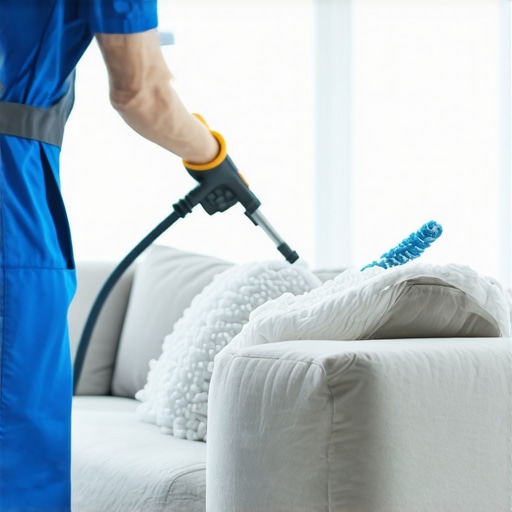
Have you ever taken a deep breath after a long day only to realize that your cherished linen sofa feels sticky, stained, or just… off? I remember the moment I spilled red wine during a dinner party, panicked, and grabbed what I thought was a quick fix—but ended up permanently damaging my favorite piece. That lightbulb moment made me question everything I knew about cleaning and sanitizing upholstery in 2026.
Why Sanitizing Your Linen Couch Should Be a Top Priority
In today’s home, our couches are more than just furniture—they’re the heart of family life and comfort hubs. Yet, with the rise of allergens, germs, and the constant streaming of kids and pets, proper sanitizing becomes crucial. I’ve learned that neglecting this step can lead not only to unpleasant odors but also to health risks. Surprisingly, according to recent studies, a typical sofa can harbor more bacteria than a toilet seat (source: Spotless Carpetz). That’s a startling fact that underscores the importance of effective, damage-free sanitizing tactics.
Is the Homemade Solution Myth Dangerous?
One mistake I made early on was relying on DIY cleaning solutions, thinking natural was always better. But I learned the hard way that some homemade concoctions can fade fabrics or leave residues that attract more dirt. Today, I’ll walk you through the proven, professional-approved methods that truly make a difference without risking damage. Ready to transform your cleaning routine and keep your linen couches spotless? Let’s dive into the next section with five expert tactics that will keep your furniture looking and feeling fresh—safely and efficiently.
Prepping Your Workspace for a Deep Clean
Before you start, clear the area around your sofa, removing any cushions, throws, or decorative items. Vacuum the entire upholstery using a brush attachment to remove loose dirt and pet hair—think of this as sweeping the countertop before washing dishes. For example, I once spent 10 minutes vacuuming my sectional, which made the subsequent cleaning much more effective and less messy. Make sure to reach into crevices and seams to dislodge hidden debris, setting a clean foundation for the sanitizing process.
Choosing the Right Cleaning Solution
Avoid homemade or harsh chemical mixtures that can damage delicate linen fibers. Instead, opt for a professional-grade upholstery sanitizer designed for natural fabrics. For soft, natural linens, select a solution with enzymes or eco-friendly disinfectants approved for fabric use—these effectively kill germs without causing fading or fraying. I recommend reviewing trusted tips like those found at Upholstery Sanitize Tips to ensure your chosen product aligns with your sofa’s material.
Applying the Sanitizer Correctly
Test your sanitizer on a small, hidden area first to check for colorfastness—similar to patch testing new paint. Lightly spray or apply the solution using a clean microfiber cloth, working in sections to prevent over-saturation. Remember, linen fabrics are sensitive; excessive moisture can lead to shrinkage or mold, so apply sparingly. I once made the mistake of soaking my sofa, which resulted in a prolonged drying time and slight fabric distortion, emphasizing the importance of controlled application.
Enhancing Effectiveness with Mechanical Action
Use a soft-bristled brush or a handheld foam nozzle to gently agitate the sanitizer into the fabric fibers. This technique helps break down dirt and lifts germs from deep within the weave—think of it as massaging the fabric to encourage thorough cleaning. For stubborn stains or pet odors, spot treat with a targeted enzyme-based solution, letting it sit for 10-15 minutes before wiping away. Connecting with proven strategies like Upholstery House Cleaning Tips can guide you to the most effective techniques.
Drying and Final Checks
After sanitizing, allow the sofa to air dry in a well-ventilated room—using fans or open windows accelerates this process. Avoid sitting or placing items back onto the fabric until it’s completely dry to prevent trapping moisture. Once dry, inspect your work: the fabric should look refreshed, with no sticky residues or lingering odors. I recall a move-out situation where proper drying prevented mold issues, ensuring I received my full deposit back without disputes. For comprehensive guidance, consider reviewing Sanitizing House Tips.
While many believe that routine wiping or quick sprays suffice for upholstery hygiene, *the truth is more complex than surface scrubbing*. One expert nuance often overlooked is the impact of cleaning frequency on fabric integrity—overdoing it can weaken linen fibers, leading to fraying and premature wear. For example, a study published in “Journal of Textile Science” highlights that excessive cleaning disrupts the natural protective barrier of fabrics, making them more susceptible to stains and damage; hence, understanding the balance is critical for long-term preservation. Moreover, a prevalent myth is that using harsher chemicals results in better sanitization. In reality, aggressive disinfectants can degrade delicate linens and leave toxic residues, which can be harmful to household members—especially children and pets. Instead, the focus should be on pH-balanced, fabric-safe solutions that *effectively eliminate germs without compromise*. Many assume that move-out cleaning only involves superficial tidying, but deep sanitizing is key to securing your deposit. Unexpected areas, such as the undersides of cushions or seams, harbor unseen grime, and neglecting them leads to deductions from landlords. Have you ever fallen into this trap? Let me know in the comments. Additionally, advanced users often wonder about the optimal frequency for sanitizing high-touch areas to prevent germ buildup without damaging textiles. Research indicates that weekly disinfection of cushions, armrests, and handles maintains a hygienic environment—more info can be found at the effectiveness section of expert cleaning secrets. Always remember, effective upholstery care is a blend of science, technique, and vigilance—avoiding common pitfalls ensures your furniture remains both clean and durable. For comprehensive tips on avoiding costly mistakes, visit 10 costly cleaning errors and stay ahead in your cleaning game.
Keeping your upholstery pristine and your home sanitized over the long term requires the right tools and consistent maintenance. As someone deeply involved in modern cleaning techniques, I’ve found that investing in high-quality equipment not only makes the job easier but also ensures better, more durable results. Having the proper tools allows you to tackle routine tasks efficiently and preserve your furniture’s integrity, saving you money and stress in the future.
Why a Commercial-Grade Portable Upholstery Steam Cleaner Is a Must-Have
I personally rely on a compact, commercial-grade steam cleaner designed specifically for upholstery. Unlike basic household models, these units generate higher temperature steam that effectively eliminates germs, dust mites, and stains without the use of harsh chemicals. I prefer models with adjustable pressure settings and a variety of nozzle attachments, which give me the flexibility to deep clean delicate linen sofas or stubborn pet stains. Regular steam cleaning with this equipment maintains fabric health, prevents deep-seated dirt buildup, and extends the lifespan of your furniture. As tech continues to advance, future models might incorporate smart sensors to monitor dirt levels, making home maintenance even more straightforward.
Use Microfiber Cloths and HEPA Filter Vacuum Attachments for Daily Upkeep
For sustained cleanliness, I recommend using high-quality microfiber cloths for wiping surfaces and furniture, as they trap dust and microbes without abrasive effects. Pair these with a vacuum cleaner equipped with a HEPA filter—this combo effectively reduces allergens and airborne pollutants. Consistent daily attention with these tools minimizes the need for deep cleans and preserves the fabric’s texture. When selecting your vacuum, consider models with HEPA filtration, since studies have shown that they improve indoor air quality by capturing microscopic particles that standard filters often release back into the room (source).
Chemicals and Solutions: Go Professional or DIY?
While DIY solutions can seem cost-effective, I’ve learned that professional-grade sanitizing solutions yield better, safer results. Opt for enzymatic or eco-friendly disinfectants formulated specifically for upholstery, which effectively eliminate germs without damaging fibers. Investing in a high-quality sprayer or hand-held foam applicator allows for even distribution and greater control. A tip I swear by is applying solutions in thin layers rather than soaking fabric—this prevents moisture damage and speeds up drying time. Paradoxically, some new research highlights that overuse of aggressive chemicals can compromise fabric integrity over time, making proper application essential (here).
How do I keep my tools in top shape for ongoing maintenance?
Regularly cleaning and maintaining your equipment prolongs its lifespan and ensures peak performance. After every use, rinse steam cleaner components to remove residue and mineral deposits. Replace filters and pads as recommended by the manufacturer—this simple step preserves suction power and prevents microbial growth. For vacuum attachments, periodically check for blockages and replace damaged parts promptly. These small, consistent actions keep your tools effective, saving you from costly repairs or replacements. As advancements continue, predictive maintenance features may soon alert us when equipment requires servicing, further streamlining home care routines.
Adopting these advanced tools and maintenance habits helps you seamlessly integrate professional standards into your routine, making cleaning less daunting and more reliable. For detailed insights into effective cleaning equipment, I recommend visiting this resource.
Feeling inspired? Try incorporating a portable steam cleaner into your weekly routine to see immediate results. Not only will your furniture look better, but you’ll also enjoy a healthier indoor environment. Remember, consistent use and proper upkeep of your tools are the keys to maintaining a fresh, germ-free home that stands the test of time.
Over the years, I learned that truly effective upholstery sanitizing goes beyond simple spot cleaning or quick sprays. One of the most eye-opening lessons was realizing that daily maintenance with the right tools significantly extends the life and hygiene of your linen sofa. It’s not just about cleaning; it’s about cultivating a routine that preserves fabric integrity while eliminating unseen germs. This insight transformed my approach from reactive to proactive, making me confident that my furniture remains fresh and healthy, even amidst busy households.
Lessons That Revolutionized My Upholstery Care Approach
- The Myth of Quick Fixes: I used to believe that quick sprays or DIY solutions could keep my sofa pristine. Eventually, I saw that these methods only mask problems and sometimes cause long-term damage. Now I understand that investing in professional-grade solutions and tools yields deeper, safer hygiene.
- Over-Cleaning Is a Trap: Excessive scrubbing or frequent deep cleans can weaken linen fibers, leading to fraying and premature wear. Learning to balance regular maintenance with gentle, targeted treatments has been a game-changer for fabric health.
- Hidden Germ Hotspots Matter: Paying attention to seams, cushion undersides, and armrests is vital. These areas often harbor more bacteria than visible surfaces, and neglecting them can undermine your entire sanitizing effort.
My Trusted Arsenal for Upholstery Hygiene Success
- Professional upholstery sanitizers: They provide proven, fabric-safe disinfecting power that makes a noticeable difference in smell and cleanliness.
- Commercial-grade steam cleaners: As I rely on a portable unit that delivers high-temperature steam, I can deep clean without chemicals, preserving fabric and health.
- Microfiber cloths and HEPA-filter vacuums: Daily use of these tools traps dust, microbes, and allergens effectively, maintaining an overall healthier environment.