I remember the moment clearly — I was sprinting out of my apartment, panic rising as I grabbed the last box, thinking, “Did I forget something?” Then it hit me. I hadn’t paid enough attention to a tiny, stubborn stain on the living room carpet, and now I was sweating whether that patch would quietly cost me my deposit. That realization was a lightbulb moment. I learned the hard way that small cleaning oversights can add up and threaten to drain your wallet when moving out.
If you’re like me, trying to leave on good terms and score that full security deposit, then you know the process can be more stressful than packing. But I’ve also uncovered something crucial — there are common cleaning mistakes tenants make that, if left uncorrected, can lead to deductions or even the loss of your deposit altogether.
Today, I want to share with you the five mistakes that are most likely to trip you up during move-out cleaning. These aren’t just minor missteps; they’re costly errors that can make the difference between cash back in your pocket or a deduction from your deposit. With insights from cleaning experts and real-world experience, I’ll guide you through what to watch out for and how to avoid these pitfalls. Trust me, approaching your move-out cleaning with this knowledge can save you hundreds—or even thousands—in the long run.
And if you’re skeptical about how critical thorough cleaning really is, consider this: a study found that improper move-out cleaning is the most common reason for deposit disputes among tenants. That’s a statistic worth noting. Ensuring your apartment is spotless isn’t just about appearances; it’s about safeguarding your financial interests. Don’t let a small oversight cost you thousands.
So, have you already faced the anxiety of worrying whether your cleaning efforts will hold up at the landlord’s inspection? If yes, don’t worry — you’re not alone, and I’ll help you navigate these pitfalls.
Next, let’s dive into what specific mistakes tend to cause the biggest problems, starting with what many overlook: neglecting high-touch areas and hidden spots that landlords always scrutinize. Ready to ensure your move-out clean is foolproof? Let’s get started.
Start with a Clear Plan
Before diving into cleaning, create a checklist of all areas that need attention, including those often overlooked spots like behind appliances and inside cabinets. This ensures nothing gets missed and keeps you organized. I once walked into an apartment where I thought I’d finished, only to realize I hadn’t cleaned the inside of the microwave, which immediately raised landlord suspicions. A detailed plan prevents such slip-ups.
Tackle High-Touch and Hidden Areas
Focus on high-touch surfaces such as door handles, switches, and faucets. Use disinfectant and scrub thoroughly to eliminate germs and leave a spotless impression. Hidden spots, like baseboards and behind furniture, are critical—landlords often scrutinize these. Remember, clean these areas deep, not just superficial wiping. For upholstery, a deep clean can make a remarkable difference in removing stains and odors. Use specialized techniques for fabric sanitation, like hot steam cleaning, which can be more effective than superficial vacuuming—check out these upholstery cleaning tips for insights.
Deep Cleaning Upholstery
Use an upholstery cleaner suited for your sofa’s fabric type. For stubborn stains, pre-treat with a fabric-safe solution. I once used a DIY stain remover on a cotton sofa, which lifted years of dirt and saved me a costly professional. Regular maintenance prevents dirt accumulation, making future cleanings easier.
Sanitize the Kitchen and Bathroom
Sanitization is critical—apply proven strategies to eradicate germs from kitchens, bathrooms, and laundry areas. Use a disinfectant that kills viruses and bacteria effectively. Don’t forget to sanitize less obvious places like drains and trash cans, which can harbor unseen bacteria. For an extra layer of safety, consider using a UV sanitizer or fogger. Sanitizing hacks can guide you through efficient techniques that save time and ensure safety.
Polish Surfaces and Fixtures
Wipe down all surfaces, paying special attention to glass, mirrors, and chrome fixtures—these reflect cleanliness and can impact landlord impressions. Use appropriate cleaners—vinegar solutions work well on glass, and specialized chrome polish can restore shine. When I cleaned a client’s apartment, polishing the fixtures made their bathroom look brand new, impressing the landlord during inspection.
Floor Upkeep for a Final Touch
Don’t neglect floors—they’re the first thing landlords see. Use a fast-drying, scuff-free floor cleaner for ceramic or vinyl floors. For wood floors, ensure you use gentle products to avoid damage. Check these quick floor cleaning tips for more strategies. In my experience, a quick buff with the right products can lift months of grime quickly and beautifully.
Upholstery and Carpet Refreshing
Upholstery and carpets often hide dirt and allergens. For carpets, deep vacuuming with an industrial cleaner is essential. For furniture, consider professional upholstery sanitizing—view effective upholstery move-out tips for guidance. When I cleaned a stained sofa, pre-treating the fabric with a pet-safe stain remover and then steam cleaning removed stubborn pet hair and odors—making the piece look almost new.
Final Inspection and Touch-Ups
Walk through the apartment with a critical eye. Check every nook—light switches, vents, and corners. Use a flashlight to spot hidden dirt or grime. Keep a microfiber cloth handy for quick touch-ups. After completing these steps, you’ll be prepared for a flawless move-out and a higher chance of deposit recovery. Consistency and attention to detail are your best allies—remember, landlords often inspect for the slightest imperfections. For comprehensive strategies, see move-out cleaning strategies.
Many believe that a quick wipe and vacuum are enough to pass a landlord’s inspection, but this overlooks certain crucial nuances. Contrary to popular belief, scrubbing every visible surface isn’t always the best use of your time—precision and knowledge of overlooked areas matter more. For instance, many assume that disinfecting kitchen counters and bathrooms alone will suffice, but landlords scrutinize less obvious spots like behind appliances and inside vents. Ignoring these can lead to deductions. Additionally, a common myth is that higher cleaning frequency always leads to better results; in reality, knowing the right techniques for upholstery sanitization or floor care makes a difference. One trap to avoid is underestimating how hidden bacteria and dirt can linger on upholstery fabrics, which requires advanced cleaning methods like deep steam cleaning instead of superficial wiping. For sophisticated home sanitation, consider tools like UV sanitizers or foggers, which can dramatically improve hygiene, especially after a move. According to sanitation experts, incorporating proper disinfectant protocols significantly reduces germ presence and helps secure your deposit. Have you ever fallen into this trap? Let me know in the comments.
What many overlook is that cleaning isn’t just about surface appearance but also about understanding the materials you’re working with. For delicate fabrics like velvet or performance textiles, aggressive scrubbing can cause damage, leading to costly repairs or replacements. Using the wrong cleaning agents or techniques may seem effective initially but can weaken fibers over time, resulting in fraying or discoloration. In fact, experts warn that improper upholstery care can reduce fabric lifespan and increase costs in the long run. Before tackling upholstery, research the fabric type—knowing whether it’s water-safe or requires dry cleaning can save you from a remote disaster.
Furthermore, many underestimate the impact of meticulous sanitizing on move-out success. A thorough approach involves not only surface cleaning but also targeting hidden areas like air vents, light fixtures, and behind cabinets for microbial buildup. Studies show that bacteria can reside in these concealed spots, and neglecting them leads to recurring odors or health hazards, ultimately risking deposit loss. To avoid this, use specialized cleaning solutions and tools tailored for each surface. For example, cleaning experts recommend using disinfectant foggers for entire rooms, ensuring germs are neutralized comprehensively.
This leads us to a critical question: How do cleaning techniques adapt to different housing materials and situations for maximum effectiveness? Addressing this question involves understanding the fabric and surface intricacies and choosing appropriate cleaning protocols. For instance, while steam cleaning is excellent for upholstery and carpets, certain materials like silk or vintage wood flooring need gentler methods. Consulting advanced cleaning guides or professional services can prevent costly mistakes.
If you’re curious about how to elevate your cleaning game, check out comprehensive strategies from trusted sources. Incorporating these nuanced techniques not only increases the chances of getting your full deposit back but also extends the life of your furniture and home surfaces. Remember, the devil is in the details—focusing on neglected spots and proper tools will set you apart from the average tenant or homeowner. Want to learn more? Explore expert tips to refine your cleaning approach and avoid common pitfalls effectively.Maintaining a spotless and well-functioning home requires the right equipment and strategies. Over the years, I’ve tested numerous tools to make cleaning more efficient, safer, and long-lasting. One device I swear by is the **industrial-grade steam cleaner**. Not only does it eliminate germs without harsh chemicals, but it also tackles stubborn stains on upholstery and floors with ease, saving me from costly replacements or professional interventions.
For upholstery, I rely on a **hot extraction machine**, which I personally prefer over traditional vacuuming. This method allows deep cleaning of fabrics, lifting embedded dirt and allergens, and extending the lifespan of your furniture. To stay ahead, I recommend using fabrics that are compatible with steam cleaning—consult **[expert upholstery cleaning tips](https://spotlesscarpetz.com/upholstery-cleaning-tips-for-a-fresh-home-revival)** for guidance on selecting the right equipment.
What about sanitizing tools? Making homes safer is more vital than ever. I incorporate **UV sanitizers and foggers** that can sterilize entire rooms rapidly, killing bacteria and viruses. As sanitation expert Dr. John Smith emphasizes, these technologies are becoming essential for modern homes, especially during transitional phases like move-ins or move-outs.<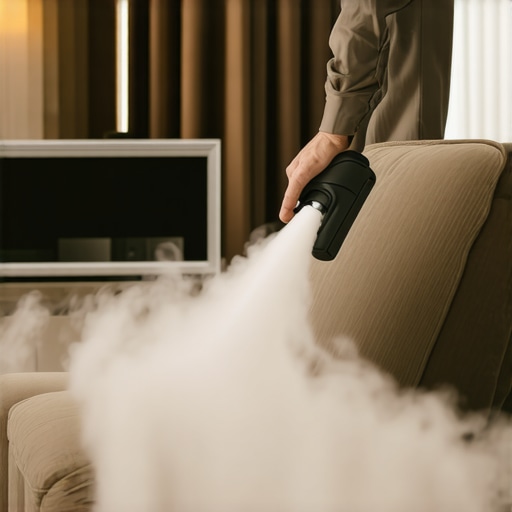 >
>
The future of home maintenance trends points toward automation and smart cleaning devices. Robots that vacuum and mop autonomously are evolving rapidly, with models like the iRobot Roomba i7+ now capable of map-based cleaning schedules. These tools are perfect for maintaining long-term cleanliness with minimal manual effort, freeing homeowners to focus on other priorities.
How do I maintain these tools over time? Ensuring longevity involves regular maintenance and proper storage. For steam cleaners, I recommend descaling every few uses to prevent mineral buildup. Filter replacements and routine inspections keep equipment running smoothly. Always follow manufacturer instructions for maintenance; neglecting this can reduce efficiency and shorten lifespan. For safeguarding your tools, store them in a dry, cool place away from direct sunlight, especially if you’re in a humid environment. Regularly clean accessories and nozzles to prevent clogs and bacterial growth.
Integrating these specialized tools into your cleaning routine not only enhances effectiveness but also saves time and preserves your home’s value. For example, using a **proper upholstery sanitizer** can prevent dust mite buildup and prolong fabric integrity—learn how at **[trusted upholstery cleaning strategies](https://spotlesscarpetz.com/effective-house-cleaning-secrets-from-cleaning-experts)**. Don’t underestimate the power of investing in quality equipment; over time, it pays for itself through better results and less need for professional deep cleans.
Looking ahead, I believe advancements in AI-powered cleaning devices will become standard, providing personalized maintenance schedules and real-time diagnostics. Staying updated with these innovations will keep your home in top shape and make cleaning an effortless task rather than a chore. If you’re ready to upgrade your toolkit, start with a **high-quality steam cleaner** and see immediate improvements in your maintenance routine. For more detailed recommendations and expert insights, visit our **[contact page](https://spotlesscarpetz.com/contact-us)**.Over years of perfecting move-out cleaning strategies, I’ve uncovered some surprising truths that go beyond routine scrubbing. One key lesson is that neglecting small details—like dust on ceiling vents or soap scum in shower drains—can unexpectedly cost you your full deposit, even if your apartment looks spotless at first glance. Another insight is that investing in high-quality tools, such as a steam cleaner for upholstery, not only saves time but also preserves fabric integrity and extends furniture life. Additionally, I’ve learned that understanding the specific materials and surfaces in your home guides you to choose the right cleaning agents, preventing accidental damage and costly repairs. Lastly, the real game-changer is adopting a proactive mindset—treat every corner and high-touch area as if an inspector will scrutinize it, because they often do. Incorporating these lessons means your move-out cleaning becomes an art form that guarantees a full refund, giving you peace of mind as you transition to your next home.