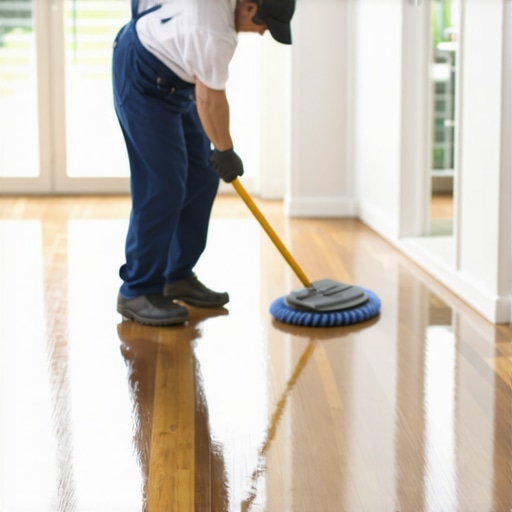
It was the day I dreaded most—a frantic rush to finish the move-out cleaning before the landlord’s inspection. As I scrubbed the floors, I noticed stubborn scuff marks that just wouldn’t come off, no matter how much elbow grease I applied. That lightbulb moment hit me hard: I had overlooked the importance of targeted, efficient cleaning techniques. My mistake? Relying on generic methods that promised results but only made things worse. Have you ever faced the frustration of leaving behind floors marred with scuffs, only to worry if you’ll get your full deposit back? You’re not alone. In fact, studies show that improper cleaning is one of the top reasons tenants lose part of their security deposit (source: Spotless Carpetz), which makes mastering the right move-out cleaning tricks crucial. Today, I’ll share six fast, proven tips to achieve spotless, scuff-free floors in 2026, ensuring you leave with confidence and a full deposit. Let’s dive into why these strategies work and how you can implement them effectively.
Why Your Floor Cleaning Routine Might Be Doing More Harm Than Good
Before we get to the good stuff, it’s essential to understand why typical cleaning approaches often fall flat. For example, using harsh chemicals or coarse scrubbing tools can temporarily mask stains or scuffs but risk damaging delicate floor surfaces—especially vinyl, laminate, or hardwood. I learned this early on when I swiped at stubborn marks with rough sponge pads, only to realize I was causing micro-scratches that made future cleaning even tougher. To truly master move-out cleaning, you need to avoid these common pitfalls and adopt smarter, surface-safe methods. Interested in learning how to prevent costly mistakes? Check out expert-recommended cleaning strategies that focus on protecting your floors while making them pristine. Now that we’ve covered what not to do, let’s explore the top six tips that will make your floors look their absolute best in record time.
Target Stubborn Marks with the Right Tools
I recall a particular Saturday when I faced a heavily scuffed laminate floor in my rental. Instead of futile scrubbing with abrasive pads, I grabbed a microfiber mop and a solution of warm water mixed with a few drops of dish soap. Gently, I dampened the microfiber and let it sit on the scuff for a minute, softening the mark. Then, I lightly buffed with circular motions. The stubborn scuff faded significantly without scratching the floor. This technique exemplifies using surface-safe tools and solutions. Learn more about surface-friendly cleaning to prevent damage while removing stains.
Use Targeted Cleaning Solutions for Different Surfaces
Different flooring types demand tailored approaches. For vinyl, a mix of equal parts water and white vinegar effectively cuts through grime. Hardwood floors benefit from a few drops of mild dish soap in warm water, avoiding excess moisture. I once tried a generic chemical cleaner on my hardwood and ended up with dull patches. Instead, applying a minimal amount of the appropriate solution with a damp cloth preserved the shine. Remember, selecting the right cleaning agents is crucial to avoid surface damage and ensure thorough sanitation. Explore effective house cleaning secrets from experts.
Deep Clean with Controlled Aggression
Sometimes, surface-level cleaning isn’t enough, especially with ingrained dirt. I had a set of ceramic tiles with stubborn stains which required a more focused effort. I applied a paste of baking soda and water on the stained areas, letting it sit for 10 minutes. Then, with a soft-bristled brush, I scrubbed lightly, being careful not to scratch the tile. Rinsing with clean water revealed a remarkable transformation. This method showcases controlled friction combined with natural, non-abrasive agents. When dealing with porous or delicate surfaces, always remember: gentler is better. For additional tips on sanitizing surfaces effectively, visit a comprehensive landlord move-out checklist.
Sanitize Efficiently to Remove Germs
Sanitizing extends beyond visible cleanliness; it targets hidden germs that can linger on floors and furniture. I once disinfected my kitchen tiles using diluted bleach, but quickly learned this could harm certain materials. Modern sanitizers like EPA-approved spray solutions offer effective germ-killing without damaging surfaces. I sprayed a fine mist and let it sit for the recommended contact time, then wiped away. For upholstery, I use specialized sanitizing wipes that ensure deep cleaning of fibers without over-wetting. Regular sanitization ensures a healthy environment and helps secure your deposit. For guided sanitizing techniques tailored to modern homes, check modern sanitizing strategies here.
Protect Floors During Final Clean
During detailed cleaning, avoid dragging heavy furniture across floors, which can cause micro-scratches or gouges. Instead, I use furniture sliders, especially on hardwood and laminate. Once, I had a bulky bookshelf that I carefully moved using these sliders after clearing the items. The effort prevented surface damage and saved me time and repair costs. Using proper protective equipment and techniques is essential for preserving surfaces and achieving a truly spotless finish. For more tactics on safeguarding your flooring during cleaning, explore deposit-assuring move-out cleaning tips.
Final Touches to Achieve Apartment-Ready Shine
After cleaning, I often revisit high-touch spots—door handles, switch plates, and baseboards—with disinfectant wipes or spray. This not only enhances sanitation but also leaves the space feeling fresh. Additionally, inspecting the floors for missed spots ensures nothing is overlooked before your landlord’s inspection. Perfecting your move-out cleaning routine with these targeted, effective steps guarantees a flawless exit. For a curated guide to reliable cleaning tactics, visit modern sanitizing fixes and optimize your efforts.
While many believe that a thorough wipe-down of surfaces suffices, the real nuance lies in knowing which cleaning practices can inadvertently cause more harm than good. A common myth is that using stronger chemicals guarantees a spotless result. However, in my experience, over-reliance on chemical cleaners can damage delicate flooring and furniture, especially if used improperly or not diluted correctly. For instance, applying concentrated bleach on hardwood floors can strip their finish, leading to costly repairs. Experts suggest opting for surface-specific solutions, such as vinegar-based cleaners for vinyl or mild soap for hardwood, to preserve the material integrity. Discover more about tailored cleaning solutions to avoid common pitfalls.
Are The Missteps in Sanitizing Sometimes More Dangerous Than No Cleaning?
It’s a misconception that more disinfectant always means better sanitization. Overuse or inappropriate application of disinfectants, like spraying excessive amounts of chemical solutions on certain surfaces, can leave residues that promote bacterial resistance or damage delicate fabrics. A study in the Journal of Infectious Disease notes that misuse of sanitizers can reduce their effectiveness over time and pose health risks. Hence, understanding proper contact times and surface compatibility is crucial. When sanitizing upholstery or high-touch areas, always follow manufacturer instructions to prevent accidental deterioration. To learn about safe and effective sanitizing strategies, check modern sanitizing techniques here.
How Do You Prevent the Most Overlooked Cleaning Mistakes?
A frequently missed detail is neglecting hidden spots that harbor germs or dirt, like behind appliances, under furniture, or inside vents. This oversight can lead to persistent odors or microbial growth, undermining your cleaning efforts. Incorporate tools like microfibers and extend vacuums to these areas regularly. Additionally, many underestimate the importance of using furniture sliders to protect flooring during moving or detailed cleaning, which prevents micro-scratches and gouges that can turn into long-term damage. For a comprehensive checklist to ensure no spot is left untouched, visit the latest landlord checklists.
Understanding the nuances behind proper move-out cleaning and sanitizing not only safeguards your deposits but also ensures a healthier living environment. Don’t fall prey to misconceptions—equip yourself with the right techniques and tools. Have you ever fallen into this trap? Let me know in the comments.
Staying on top of house cleaning, upholstery care, and sanitizing requires more than just picking up a spray bottle. It demands having the right tools and systems that ensure your efforts lead to lasting, trustworthy results. Over the years, I’ve refined my toolkit to include equipment that not only elevates the cleaning process but also prevents damage, saves time, and maintains the integrity of various surfaces. Investing in quality tools is essential for anyone serious about maintaining their home efficiently.
Why I Swear by a Cordless Steam Cleaner
One of my top recommendations is a high-quality cordless steam cleaner (like the Bissell SteamShot). Why? Because its versatility allows me to deep clean grout lines, sanitize upholstery, and even prep floors without the hassle of cords or chemical dependencies. The steam penetrates surfaces, loosening dirt and germs simultaneously, which means less scrubbing and chemical exposure. Plus, natural steam means I avoid damaging delicate materials, an important factor I always keep in mind. As an added bonus, modern models are lightweight and easy to maneuver, making thorough cleaning less of a chore. For comprehensive cleaning, I always integrate steam cleaning as a core part of my routine—it’s surprisingly effective and eco-friendly.
Microfiber Cloths and Mops for Scratch-Free Surfaces
Replacing rough sponges with microfiber cloths has revolutionized my approach to maintenance. Microfiber is not only gentle but also far more effective at trapping dirt, dust, and microbes than traditional materials. When dealing with upholstery or delicate floors, I dampen microfiber cloths with the appropriate solution and avoid excess moisture that can lead to warping or swelling. For larger surfaces, a microfiber mop paired with an adjustable handle allows me to reach into tight corners and high spots effortlessly. This method significantly extends the life of my surfaces and ensures a streak-free, sanitized finish. Check out these expert-recommended microfiber techniques for more insights.
Smart Scheduling with Maintenance Software
Modern home maintenance isn’t just about physical tools but also about organized planning. I use a simple digital schedule—like Google Calendar integrated with task management apps—to set reminders for quarterly upholstery cleanings, deep sanitizing, and proactive inspections. This prevents neglect and ensures I stay ahead of issues that could become costly down the line. Technology has made it easier to track cleaning histories, order supplies just in time, and even schedule professional services automatically. As the trend toward smart home integration grows, I predict that intelligent maintenance systems—combining sensors with AI—will further streamline upkeep, reducing the need for reactive cleaning and increasing surface longevity.
How do I Maintain These Tools Over Time?
Regular cleaning and proper storage are key to ensuring your tools last. For example, after steam cleaning sessions, I rinse and dry my equipment thoroughly to prevent mineral buildup. Microfiber cloths are washed separately in gentle detergent and air-dried to keep their efficacy. Electronics linked to scheduling apps require routine updates to stay secure and functional. For optimized performance, I recommend checking manufacturer guidelines about specific maintenance routines. This simple discipline extends the lifespan of your investment and guarantees consistent results over time. Want to learn more about maintaining your cleaning arsenal? Explore trusted sanitizing hacks to keep everything working smoothly.
Incorporating specialized equipment like steam cleaners or microfibers into your routine can elevate your cleaning game immensely. If you’re ready to step up, I suggest trying out a high-quality cordless steam cleaner firsthand. Its ability to sanitize without harsh chemicals makes it a game-changer, especially when combined with a smart maintenance plan. Remember, the longevity and effectiveness of your tools directly impact your home’s cleanliness and health—so investing in proper equipment and care is a smart move.
Lessons Hidden in the Dust: What I Wish I Knew Sooner
One of the most eye-opening lessons I learned about move-out cleaning is that patience and patience alone don’t cut it—precision and strategy are key. Rushing to finish without the right tools or techniques often exacerbates stains or causes damage, making the difference between a full deposit and unnecessary deductions. I also discovered that surface-specific solutions, like vinegar for vinyl and gentle soap for hardwood, preserve surfaces while delivering deep cleanliness. Another invaluable insight was that your attitude towards cleaning can influence results—approaching the task with care rather than haste yields better, longer-lasting results. Lastly, investing in quality tools like microfiber cloths and cordless steam cleaners can transform your cleaning routine from a chore into a satisfying, effective process.