
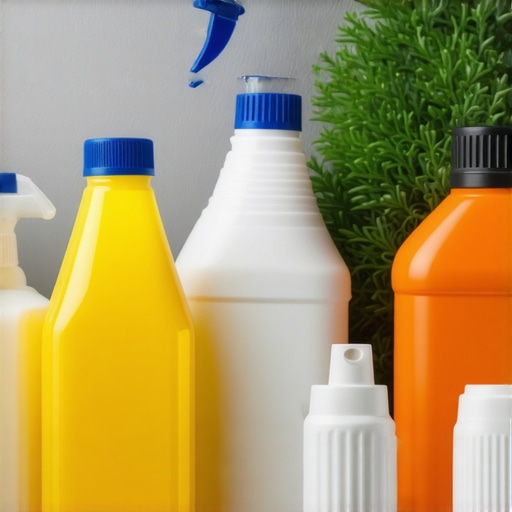
It was a typical Saturday morning, and I was eager to tackle that stubborn soap scum in my bathroom. Armed with my favorite cleaning sprays, I started scrubbing away, confident I was making everything sparkle. But then, I heard that unmistakable hissing sound—as if my bathroom had just sprung a leak. Turns out, I had accidentally combined two chemicals, creating a dangerous reaction that could have been much worse. That lightbulb moment made me realize how many of us are unknowingly risking our health and safety during what should be a routine cleaning.
Why Mixing the Wrong Cleaning Chemicals Can Turn Your Bathroom Cleanup Into a Hazard
Cleaning is supposed to make our homes healthier and more comfortable, but a simple mistake with chemicals can turn what’s meant to be a fresh, sanitized space into a hazardous zone. I found out the hard way that not all cleaning products are compatible. Some combinations release toxic gases, which can cause respiratory issues or even chemical burns if you’re not careful. According to the Environmental Protection Agency, mixing certain household chemicals can produce dangerous fumes that are not only harmful but sometimes deadly. Yet, many of us overlook the dangers, especially when rushing through chores or using multiple products without reading labels.
Is It Really Worth the Risk to Skip Reading Labels?
One early mistake I made was assuming that all bathroom cleaners, regardless of their ingredients, could be mixed freely. After that scare, I started paying close attention to labels, but I know some of you might still be tempted to take shortcuts. Trust me, the potential consequences far outweigh the convenience of skipping a quick read. If you’ve ever felt unsure about whether two products can coexist safely, you’re not alone. But understanding which combinations to avoid can save you from accidents, injuries, or worse.
Feeling overwhelmed about what to use and what to avoid? Don’t worry—I’ll walk you through the key chemicals that should never meet during your deep clean. And believe me, once you know the risks, it becomes much easier to keep yourself and your family safe while achieving a pristine bathroom. Ready to master the art of safe cleaning? Let’s get started.
Identify and Gather Your Cleaning Supplies Precise and Ready
Start by carefully selecting your cleaning products. Always check labels for compatibility; for example, never mix bleach with ammonia-based cleaners, as it creates toxic chloramine vapors. To do this efficiently, keep all necessary cleaners, scrapers, gloves, and cloths within arm’s reach, just like assembling a toolbox before a DIY project. On a memorable Saturday, I set up all my supplies on a plastic sheet in my utility room, ensuring I didn’t miss any essentials. This preparation prevents accidental chemical reactions and streamlines your cleaning process.
Learn to Read Labels and Recognize Dangerous Combinations
Before applying any product, scrutinize the label’s warnings. Look for instructions about mixing or restrictions. Imagine you’re negotiating with a stubborn but well-intentioned friend—know what they can handle and what will upset them. For instance, I once thought I could combine an all-purpose cleaner with a descaler, only to see a fizzing foam that told me I’d crossed the line. Recognizing symbols like the ‘do not mix’ icon can prevent hazardous reactions. When uncertain, consult trusted sources or visit this sanitizing safety guide for clarification.
Process Deep Cleaning in Stages for Safety and Effectiveness
Break down your cleaning into stages: first, tackle the surfaces that need a gentle wipe, then handle tougher grime with suitable tools. Think of it like peeling an onion—remote layers are safer to clean first, reducing overall risk. For example, I started with wiping the mirrors and glass fixtures using a microfiber cloth dampened with vinegar-water solution, avoiding excess moisture. Then, I moved on to scrubbing tiles with a brush. This staged approach minimizes chemical overload and prevents accidental splashes of incompatible cleaners. Remember, avoid combining cleaners in one large bucket; instead, use separate spray bottles to apply each product methodically.
Use the Right Tools for the Job
Equip yourself with appropriate tools: soft cloths for delicate surfaces, stiff brushes for grout, and microfiber mops that trap dust without scratching. During my cleaning session, I realized that using a plastic scraper for stubborn soap scum on tiles prevented damage compared to metal tools. Choosing the correct brush and cloth helps you work faster and safer, reducing the need for aggressive chemicals or force. For upholstery, always refer to a specialist guide to avoid ruining delicate fabrics.
Apply Chemicals Safely and Know When to Rinse
Pour or spray cleaners carefully, aiming away from your face and skin. Use protective gloves and masks if necessary. Imagine you’re administering medicine—accuracy and caution are crucial. During my task, I always kept a spray bottle at arm’s length and sprayed directly onto the surface, then waited the recommended contact time before rinsing or wiping. For example, after applying a disinfectant, I paused for the specified 10 minutes, as advised in this disinfection protocol. Rinsing thoroughly afterward prevents residual chemicals from causing irritation or damage.
Double-Check and Ventilate for Final Safety
Once cleaning is complete, ventilate the area by opening windows or turning on exhaust fans. Think of it like airing out a room after cooking—this reduces lingering fumes. Before closing up, inspect your work: are there any streaks, residues, or missed spots? During my clean-up, I used an old towel to wipe down surfaces for streaks, then left the bathroom door open for 15 minutes. Proper ventilation not only dissipates any residual vapors but also boosts overall air quality. Remember, never store chemicals in unmarked containers—they can be mistaken for other household items, leading to accidental ingestion or misuse.
By following these straightforward steps—prepared supplies, label literacy, staged process, proper tools, cautious chemical handling, and ventilation—you can transform routine cleaning into a safe, effective, and even satisfying task. Want to learn more about maintaining a pristine home without compromise? Check out this house cleaning secrets from professionals and stay safe.
While many homeowners stick to surface-level cleaning routines, there’s a wealth of nuance that often escapes even experienced cleaners. One common misconception is that a quick scrub with disinfectant suffices for true sanitation, but the reality is more complex. According to a study published in the Journal of Hospital Infection, many disinfectants require specific contact times and proper surface preparation to effectively eliminate germs. Skipping these crucial steps means risking residual bacteria and viruses lingering on surfaces.
Another misconception revolves around move-out cleaning strategies. Many believe that standard cleaning tools and generic checklists are enough to secure the full deposit refund, but landlords often scrutinize overlooked spots like behind appliances or inside ventilation covers. For a comprehensive approach, consulting a detailed move-out checklist, like the one at this guide, can make all the difference.
When it comes to upholstery, a widespread myth is that all cleaning methods are equal. In reality, using improper techniques or harsh chemicals can damage delicate fabrics, leading to costly repairs or replacements. The ultimate upholstery care guide emphasizes tailored cleaning methods based on fabric type. Incorrect treatments can cause fading, shrinking, or fiber degradation, which is why selecting professional-grade techniques is often the safer route.
Many people overlook the importance of cleaning frequency and the timing of deep cleans. For example, waiting until visible dirt accumulates can make cleaning more difficult and less effective. Regularly scheduled maintenance, such as weekly dusting and monthly deep cleaning, maintains hygiene and prevents the buildup of allergens and germs. Implementing a consistent routine is supported by research from the American Journal of Respiratory and Critical Care Medicine, highlighting the health benefits of routine cleaning.
Don’t fall into the trap of assuming that all cleaning products are interchangeable. Mixing incompatible chemicals not only wastes time but can create dangerous fumes or chemical reactions—an often underestimated risk. For instance, combining bleach with ammonia-based cleaners produces chloramine vapors, which can irritate the respiratory system or cause more severe health issues. Always read labels carefully, and if you’re unsure about specific combinations, consult trusted cleaning resources or professionals.
Have you ever fallen into this trap or overlooked an essential step in your cleaning routine? Let me know in the comments. Staying informed about these hidden nuances can save you time, money, and ensure your home truly remains a safe, healthy sanctuary.
Investing in Quality Equipment for Long-Term Cleanliness
When it comes to maintaining a pristine home, the tools you choose can make all the difference. I personally swear by a high-quality cordless steam cleaner, like the Wagner Flexio 3000, because it offers powerful sanitization without the use of harsh chemicals. Its versatility allows me to deep-clean everything from bathroom tiles to upholstery, ensuring stubborn grime doesn’t stand a chance. These devices also heat water to optimal temperatures, effectively killing germs—a vital aspect considering how viruses can linger on surfaces. Expert cleaning secrets emphasize that investing in reliable tools reduces both time and chemical usage, promoting a safer environment for your family.
Using the Right Software to Track and Schedule Maintenance
Aside from physical tools, digital solutions can streamline your cleaning routine. I recommend a dedicated app like Tody, which helps schedule and monitor chores for different areas of your home. This way, tasks like upholstery refreshes or move-out cleaning aren’t forgotten—plus, it provides reminders for filter replacements or chemical checks. Maintaining a regular schedule prevents grime buildup, ultimately extending the lifespan of your fixtures and furnishings. As research suggests, consistent maintenance, supported by reliable software, enhances the effectiveness of your cleaning routines over time.
How do I maintain my cleaning tools and software over time?
Proper maintenance of your cleaning equipment involves regular descaling, checking for wear and tear, and sterilizing tools after each use. For example, vacuum filters should be replaced every 3-6 months, especially if you have pets. Cleaning your steam cleaners with vinegar solutions, as recommended by this professional guide, ensures optimal performance and hygiene. Additionally, updating your cleaning app’s software ensures you get the latest features and bug fixes, maintaining its usefulness. Think of regular tool maintenance as investing in the longevity of your cleaning results—no shortcuts here.
Planning for Long-Term Results and Scale
As your cleaning routine becomes more routine and your tools become more efficient, scaling your efforts can lead to even better results. For instance, setting up a dedicated cleaning zone with storage compartments organized by task reduces time spent searching for supplies. Moreover, integrating professional-grade equipment like a commercial upholstery cleaning machine can upgrade your home’s freshness and hygiene. This investment pays off over time by reducing allergen buildup, controlling pet dander, and preventing mold growth. Trends in the industry point toward smart cleaning devices that connect to your phone, providing real-time alerts about chemical levels and maintenance needs, so the future of home sanitation is heading toward seamless technology integration.
What’s the best way to sustain my cleaning system in the long run?
Establishing a routine that includes regular inspections of your tools and scheduled deep cleans will ensure your efforts last. Also, staying informed by following upholstery care tips can help you adapt your maintenance as your furniture ages. Tackling a small task monthly, like sterilizing your microfiber cloths or cleaning air filters, will keep your system running smoothly. Remember, small, consistent steps are more effective than sporadic heavy-duty cleaning sessions. And don’t hesitate to reach out through this contact page if you need personalized advice or professional assistance to scale your cleaning efforts confidently.
The Hardest Lesson I Learned About sanitizing,move-out clean,upholstery,house cleaning
One of my biggest surprises was realizing how a simple shortcut in reading labels could turn into a hazardous situation. Jumping into cleaning without understanding chemical interactions nearly led me to a costly mistake. This taught me that patience and knowledge are your best allies in home sanitation.
3 Myths About sanitizing,move-out clean,upholstery,house cleaning That Held Me Back
I used to believe that all cleaners could be mixed freely and that scrubbing harder would always mean cleaner results. Breaking these myths revealed the importance of compatibility and patience, saving me time and protecting my family’s health.
What Experts Won’t Tell You About sanitizing,move-out clean,upholstery,house cleaning
Professionals know that routine maintenance and using the right tools make all the difference. They also understand that over-reliance on chemicals without proper ventilation can do more harm than good. Learning these secrets transformed my cleaning routine into an effective, safe process.
My Essential Toolbox for Sanitizing and Deep Cleaning
I’ve come to trust high-quality microfiber cloths, a reliable steam cleaner like the Wagner Flexio 3000, and digital scheduling apps such as Tody. These tools help me maintain consistency and safety, reducing chemical usage and ensuring thorough sanitation.
Where to Go from Here
If you’re serious about mastering home sanitization and move-out cleaning, explore trusted resources like the comprehensive expert cleaning secrets. These guides offer proven strategies to avoid common pitfalls and achieve lasting results.
Your Turn to Try
Remember, the key to effective and safe cleaning lies in knowledge, preparation, and care. Don’t wait for a mishap to realize the importance of proper chemical handling and routine maintenance—start today and turn cleaning into a confident, stress-free part of your home care. What’s your biggest cleaning challenge right now? Share below and let’s tackle it together!
,