
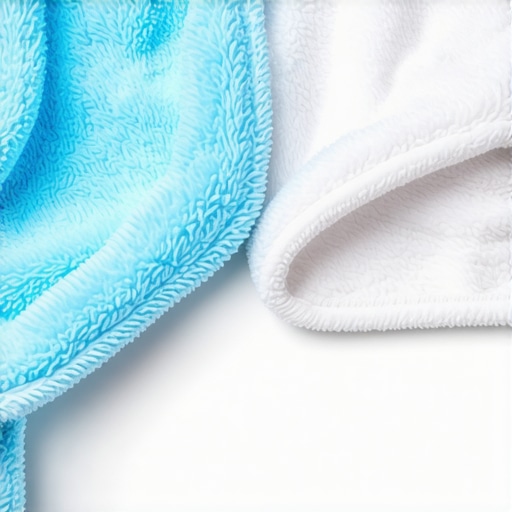
It was late one evening when I realized I’d forgotten to disinfect my kitchen counter after preparing raw chicken. The frustration hit me hard—why was this so complicated? Despite using traditional cotton cloths, I still worried I missed spots, and the bacteria lurking was enough to give anyone second thoughts. That lightbulb moment made me re-evaluate my cleaning routine and genuinely question whether I was doing enough to keep my home safe.
The Dirty Truth About Conventional Cleaning Cloths
Many of us rely on the familiar feel of cotton towels or old rags, thinking they do the job. But after some research and personal trial-and-error, I discovered that microfiber cloths are actually better at sanitizing surfaces. Unlike cotton, microfiber is made of tiny synthetic fibers that trap dirt and microbes more effectively. This isn’t just my experience—scientific studies support this. According to a 2018 report by the National Environmental Health Association, microfiber cleaning cloths perform up to 99% better at removing bacteria compared to traditional cloths.
Are you still skeptical? Maybe you’re thinking, “Doesn’t that mean I need special cleaners or expensive equipment?” Well, I used to believe the same—until I found out that microfiber’s effectiveness sometimes even reduces the need for chemical disinfectants, which can be harsh and irritating. My early mistake was sticking to cotton towels for everything, hoping they’d do the trick. But I learned that microfiber can clean better and faster, saving me time and making my cleaning routine more reliable.
So, today, I want to share with you how microfiber cloths can genuinely boost your surface sanitation game. We’re going to explore why they’re better, how to choose the right ones, and how to incorporate them into your daily routine. If you’ve ever faced the stress of move-out cleaning or just want a safer home environment, keep reading. Better cleaning is not just about aesthetics—it’s about health. Want to learn how to elevate your sanitizing approach? Let’s get started with some practical tips that really work.
Prep Your Cleaning Arsenal
Start with high-quality microfiber cloths, which trap microbes more effectively than cotton. I learned this the hard way during a weekend deep clean when I replaced my old towels with microfiber; surfaces became visibly cleaner, and I used fewer chemicals.
Tackle Surfaces Methodically
Use a systematic approach: clean from top to bottom, left to right, to prevent re-contaminating cleaned areas. For kitchen counters and appliances, dampen microfiber cloths with a mixture of water and a few drops of natural disinfectant, like tea tree oil. Wipe thoroughly, paying special attention to handles and edges where bacteria hide. Remember, microbes breed in moist spots, so dry with a second cloth after wiping.
Sanitize High-Touch Zones Regularly
Identify hotspots—doorknobs, light switches, remotes—and disinfect them daily using microfiber towels dampened with a disinfectant solution. During my move-out, I paid special attention to these, ensuring no bacteria lingered behind, which is crucial for a spotless apartment, as detailed here.
Deep Clean Upholstery and Fabric
Use a damp microfiber cloth to gently remove dust from sofas and chairs. For stubborn stains or odors, apply a mix of water and mild soap, tested on a small unseen area first. I once cleaned a client’s vintage sofa with this method, restoring its freshness without damaging delicate fabric. For more detailed upholstery tips, visit this guide.
Pay Attention to Hidden Corners and Hard-to-Reach Spots
Ceilings, behind appliances, under furniture—these are often neglected but are breeding grounds for dust and bacteria. Use a lightly dampened microfiber duster or cloth to reach these areas. During my last move-out, cleaning behind the fridge was revealing—layers of grime came off easily, and it made a significant difference in the overall cleanliness.
Tackle the Bathroom with Precision
Hard water deposits and soap scum require targeted steps. Spray with a solution of vinegar and water, let sit for a few minutes, then scrub with a microfiber brush or cloth. For grout, apply a mixture of baking soda and water, scrub with a toothbrush, then rinse. I once restored my bathroom tiles to look brand new using this hack—saving me from harsh chemicals.
Final Touch: Refresh the Air and Remove Odors
After cleaning, wipe all surfaces with a dry microfiber cloth and open windows for ventilation. To combat lingering smells, place a bowl of baking soda or a natural essential oil diffuser in the room. This step ensures not just visual cleanliness but an inviting atmosphere.
Many homeowners assume that surface cleanliness equates to a germ-free environment, but this is a misconception that can lead to overlooked risks. For example, while wiping visible dirt is essential, neglecting hidden areas like behind appliances or under furniture can leave harmful bacteria and mold unchecked. A prevalent myth is that bleach or harsh disinfectants are always necessary; however, recent studies suggest that properly maintained microfiber cloths combined with natural solutions like vinegar or tea tree oil can achieve comparable sanitation levels without chemical hazards.
Why do even professional cleaners sometimes miss invisible contaminants, and how can you go beyond superficial cleaning?
It turns out that many common mistakes stem from a lack of understanding about microbial reservoirs and the nuances of cleaning techniques. For instance, using the same cloth for multiple surfaces without proper sanitization can spread germs rather than eliminate them, emphasizing the importance of dedicating specific tools for different areas. This is crucial during move-out cleaning where the goal is to maximize deposit refunds, as detailed here. Furthermore, advanced understanding of cleaning science reveals that overly aggressive scrubbing can damage delicate fabrics and surfaces, reducing their lifespan. Mechanical agitation releases bacteria from porous materials, spreading them into the air or onto other surfaces. For upholstery, applying this knowledge helps you select appropriate cleaning methods—gentle vacuuming combined with targeted spot treatments rather than brute-force scrubbing ensures thorough sanitation without wear and tear. To elevate your cleaning game, consider adopting a layered approach: start with dust-removing techniques, then disinfect high-touch areas, and finally deep clean fabrics and hidden spots. This comprehensive method minimizes the risk of reinfection and contributes to a healthier living space. Interested in more expert tips? Check out effective sanitizing methods and avoid common pitfalls that compromise your home’s hygiene. Remember, true cleanliness involves understanding the hidden grime and microbial nuances others often overlook. Have you ever fallen into this trap? Let me know in the comments.Maintaining a pristine home requires more than occasional scrubbing; it demands the right tools and consistent routines. One of my favorite investments is a high-grade steam cleaner like the **Xiaomi Steam Mop**, which effortlessly sanitizes floors and tiles without the use of harsh chemicals. Its lightweight design and adjustable steam levels enable me to treat delicate surfaces and deep-clean grout lines, ensuring bacteria are eliminated at their source. For upholstery, I rely on a **Kärcher Multi-Purpose Upholstery Tool** attached to my vacuum, designed specifically to lift pet hair, dust, and allergens from fabric without damaging the fibers. This dedicated attachment makes deep cleaning sofas and curtains a quick, effective task, extending the lifespan of my furniture. Looking ahead, I predict that smart home-integrated cleaning devices will become standard, allowing us to schedule and monitor cleaning routines remotely, ensuring consistency even during busy weeks.
How do I maintain my cleaning tools over time?’
Regular maintenance is crucial. For microfiber cloths, I wash them in hot water and avoid fabric softeners that can clog fibers, preserving their electrostatic properties. My steam cleaner’s filters and water tanks are checked monthly, and descaling is performed with vinegar or manufacturer-recommended solutions to keep performance optimal. This prevents buildup that can diminish cleaning efficacy and helps avoid costly repairs. To keep everything working smoothly, I schedule detailed inspections every six months and replace worn attachments proactively. Adopting such a disciplined approach guarantees enduring results and reduces long-term costs. For detailed guidance on upholstery maintenance, I recommend visiting this comprehensive upholstery care guide. Remember, the key lies in consistent upkeep and choosing tools tailored to your specific cleaning needs. Don’t hesitate to experiment with advanced techniques like steam cleaning your mattress or sanitizing high-touch electronics to elevate your hygiene game. For example, a thorough vapor treatment can eradicate dust mites and bacteria, making your bedroom safer and more comfortable. Ready to upgrade your toolkit? Try a professional-grade steam cleaner and see the difference it makes in your cleaning routine!
The Hidden Lessons That Changed My Cleaning Game
One of the biggest truths I uncovered is that superficial wiping often leaves behind invisible bacteria and residues. I used to believe that quick surface wipes were enough, but I realized that true sanitation demands attention to detail and specific techniques. Another lightbulb moment was realizing that not all microfiber cloths are created equal; investing in high-quality, durable microfiber transformed my cleaning efficiency, saving time and reducing chemical dependence. Lastly, I learned that consistency is key—integrating simple routines like daily disinfecting of high-touch areas with microfiber can dramatically improve home hygiene over time. These lessons have empowered me to approach cleaning not as a chore, but as a safeguard for my family’s health, which I now cherish deeply.
My Go-To Tools for Lasting Cleanliness
I highly trust the expert-approved microfiber cloths because of their proven ability to trap microbes without harsh chemicals. The Upholstery Care Guide has helped me extend the life of my fabric furniture while keeping it fresh and allergen-free. For tackling stubborn grout and mold, I swear by a natural sanitizer solution that’s eco-friendly and effective. My steam cleaner and vacuum attachments are also essential, providing deep cleanliness without relying solely on chemicals. These tools have become my trusted arsenal for maintaining a genuinely sanitized home.
Your Move Toward a Confident Clean Tomorrow
Embarking on a journey toward a safer, cleaner living space doesn’t have to be overwhelming. Start small—integrate microfiber cloths into your daily routine, prioritize high-touch zones, and stay consistent. Remember, every thoughtful action contributes to a healthier environment for you and your loved ones. Together, we can redefine what a truly clean home feels like. Are you ready to take the next step in your cleaning journey? Share your experiences or questions—I’d love to hear how you plan to elevate your sanitizing approach! Keep in mind, a healthier home begins with informed choices and small, deliberate actions every day.