
Ever had that sinking feeling when your favorite sofa starts to smell off, or you notice stubborn stains that just won’t budge? I remember the moment I realized my couch was more of a germ haven than a cozy retreat. It hit me that in 2025, with all the new materials and smart home tech, our approach to cleaning upholstery needs a serious upgrade. If you’re like me, tired of quick fixes that don’t last or worse, risking damage to your beloved furniture, then stick around. Today, I promise to share proven strategies to keep your upholstery spotless and sanitized, making your home not just look good, but feel safe and healthy.
Start with a Deep Vacuum
My first step is always to vacuum thoroughly. Use a high-quality upholstery attachment to remove loose dirt, dust, and pet hair. I remember a time I skipped this step and ended up rubbing debris further into the fabric, making stains worse. Regular vacuuming not only prolongs your furniture’s life but also prepares it for effective cleaning.
Choose the Right Cleaning Solutions
Not all fabrics react well to the same cleaners. For modern homes, I prefer eco-friendly, fabric-safe solutions. For example, mix a gentle detergent with warm water or opt for specialized upholstery cleaning products. I once tried a DIY solution with vinegar and baking soda, but it caused discoloration on my velvet sofa. Testing on a small hidden area first is crucial.
Spot Cleaning Stains Immediately
When I noticed a coffee spill on my couch, I acted fast. Blot the stain gently with a clean, damp cloth—don’t rub, or you’ll spread the stain. For stubborn spots, use a mixture of mild detergent and water. Remember, the longer a stain sits, the harder it becomes to remove. For persistent stains, consider professional-grade products or consult experts.
Use Steam for Sanitizing
Steam cleaning is a game-changer, especially in 2025 when smart tech allows for more effective sanitization. I used a handheld steam cleaner on my armchair, which not only cleaned but also disinfected. The high temperature kills germs and bacteria without chemicals. Think of it as a spa treatment for your furniture—refreshing and hygienic.
Allow Proper Drying
After cleaning, give your upholstery time to dry completely. In my experience, using fans and opening windows speeds up the process. Avoid sitting on damp furniture, as moisture can promote mold growth. For quick results, I sometimes use a hairdryer on a cool setting, but be cautious not to damage delicate fabrics.
Protect for Future Stains
Finally, applying a fabric protector spray creates a barrier against future spills and dirt. I learned this the hard way when a wine spill nearly ruined my sofa. A protective coating makes cleanup easier and extends the life of your furniture. For expert advice, check out upholstery cleaning tips.
Remember, investing time in proper cleaning techniques now saves you money and stress later. For more detailed strategies, explore trusted cleaning secrets or consult professionals through contact us.
While many homeowners believe that a quick vacuum and spot cleaning are enough to keep their upholstery pristine, the reality is far more nuanced. One common myth is that using harsh chemicals or overly aggressive scrubbing will effectively remove deep-seated stains and sanitize fabrics. In fact, these approaches can damage delicate fibers and leave residues that attract more dirt over time. As an upholstery expert, I can tell you that understanding the subtle differences in fabric types and cleaning agents is crucial. For instance, natural fibers like silk or velvet require gentle, specialized cleaning techniques, whereas synthetic fabrics can handle more robust treatments. Misapplying cleaning solutions not only risks discoloration but also voids warranties—so always test in inconspicuous areas before full application.
Another tricky aspect is the timing of cleaning. Many assume that waiting until furniture looks visibly dirty is best, but this is a trap. Dirt and bacteria build up gradually and can embed deeply into fibers, making stains more difficult to remove later. Regular maintenance, including professional sanitizing, can prevent this buildup—something many overlook. For example, steam cleaning with high-temperature equipment effectively kills germs and bacteria without chemicals, but only if performed correctly. Using the wrong temperature or technique can leave moisture trapped inside, leading to mold growth. Always ensure thorough drying and proper ventilation after cleaning.
Advanced experts also know the importance of understanding the hidden risks involved in DIY cleaning. Over-wetting fabrics can cause fibers to stretch or warp, and improper use of cleaning agents might strip protective finishes. To avoid these pitfalls, I recommend consulting trusted sources like professional sanitizing hacks or seeking expert assistance for deep cleaning needs.
What about the myth that homemade solutions are as effective as professional cleaning?
In my experience, DIY solutions like vinegar and baking soda might seem eco-friendly and cheap, but they often fall short when it comes to sanitization and stain removal. Studies have shown that professional-grade equipment and solutions deliver a higher kill rate of bacteria and deeper clean that DIY methods can’t match. For instance, a study by the Institute of Inspection, Cleaning and Restoration Certification (IICRC) highlights how advanced steam cleaning can eliminate up to 99% of bacteria—something household solutions rarely achieve.
Remember, the goal isn’t just to make your furniture look clean but to ensure it is truly sanitized and safe. Don’t fall into the trap of thinking more aggressive cleaning is better; instead, focus on the right techniques tailored to your fabric and dirt type. When in doubt, consulting experts or reliable guides can save you from costly mistakes. For detailed strategies, check out trusted cleaning secrets or contact professionals through our contact page. Have you ever fallen into this trap? Let me know in the comments.
Keeping your upholstery in top-notch condition over time requires the right tools and a strategic approach. In 2025, advancements in cleaning technology have made maintenance more efficient and accessible for homeowners and professionals alike. One of my favorite tools is the high-powered steam cleaner. Unlike traditional methods, modern steam cleaners deliver consistent heat and pressure, effectively sanitizing fabrics without the need for harsh chemicals. I personally use a model like the Dupray Neat Steam Cleaner because of its versatility and ability to reach tight corners, ensuring every inch of your furniture gets the attention it needs. 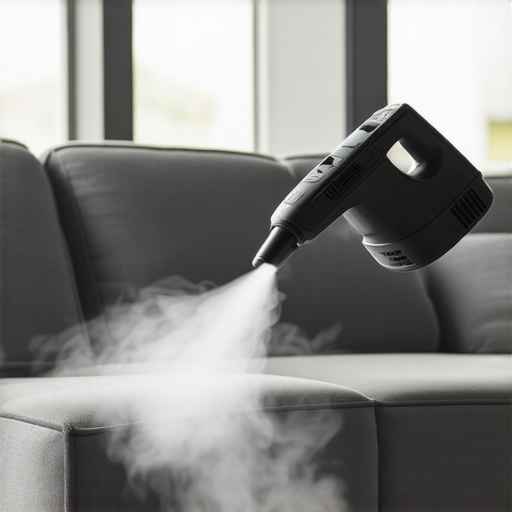
Why Invest in Quality Equipment for Long-Term Results
Investing in reliable tools isn’t just about immediate cleanliness; it’s about maintaining the integrity of your upholstery over the years. For instance, I recommend a microfiber cleaning cloth for gentle dust removal, which prevents scratching delicate fibers. Additionally, a handheld UV sterilizer can be a game-changer in disinfecting surfaces between deep cleans, especially during flu season or after illness outbreaks. These tools, combined with proper techniques, extend the lifespan of your furniture and keep it looking fresh.
Embrace Smart Technology for Modern Care
With smart home integrations becoming more prevalent, some cleaning devices now connect to apps that guide you through each step, ensuring no area is missed. For example, robotic vacuum cleaners equipped with upholstery-specific attachments can pre-clean your furniture, removing loose debris before you perform a deeper clean. As technology advances, I predict that AI-powered cleaning systems will become even more intuitive, offering personalized maintenance schedules based on your furniture’s usage patterns. Staying ahead of these trends means investing in tools that evolve with your needs.
How do I maintain upholstery over time?
Regular maintenance is key. Schedule quarterly deep cleans using a combination of steam cleaning and professional-grade protectants. Also, keep a stash of fabric-safe stain removers for quick action on spills. Remember, consistency beats intensity; a little effort often yields better, longer-lasting results. To learn more about effective long-term strategies, I recommend exploring trusted sanitizing hacks. And if you’re planning a move or a major refresh, check out move-out cleaning strategies for comprehensive tips.
Don’t forget to test new tools on hidden fabric areas first to avoid surprises. As I always say, maintaining upholstery is a marathon, not a sprint. Regular inspections and timely interventions will keep your furniture looking and feeling brand new for years to come. Start by trying a high-quality steam cleaner today, and see how your furniture responds over the next few months.
After mastering the basics, I realized there are deeper lessons that truly elevate upholstery maintenance. One of the hardest lessons I learned was that rushing through a quick clean often leaves residues and germs behind. Patience and precision are your best friends in 2025, especially with advanced tech at your fingertips. Another myth I busted early on was that more aggressive scrubbing or harsh chemicals mean better results. In reality, gentle, fabric-specific techniques preserve your furniture and ensure longevity. Lastly, I discovered that the true secret isn’t just about cleaning—it’s about creating a routine that respects the delicate balance of your upholstery materials. These insights transformed my approach from reactive to proactive, saving me money and stress over time.