
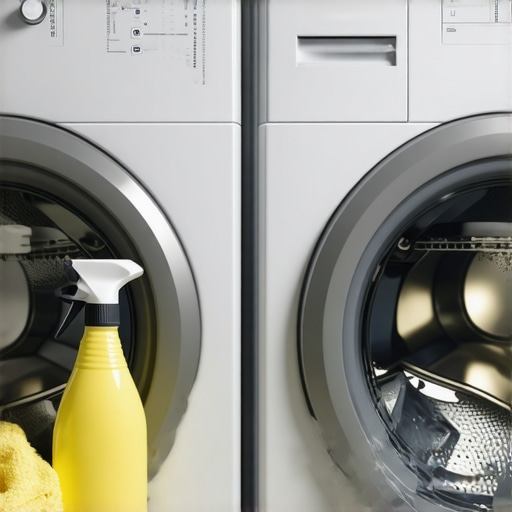
I stood there in the dimly lit basement of my new apartment, my arms aching from carrying boxes, and stared at the communal washing machine. It looked fine. It looked… white. I figured, hey, it’s a cleaning machine, right? It cleans itself. I threw in my favorite linen sheets, the ones I’d saved for my first ‘real’ night in the new place, and hit start. Forty minutes later, I opened the lid to find my beautiful whites covered in oily, gray streaks. I’d fallen victim to ‘scrud’—that nasty buildup of detergent and fabric softener that hides in the outer drum. I felt defeated. I was tired, and now I had ruined bedding. This is why I tell every friend who moves: you cannot trust a shared laundry room until you’ve claimed it as your own. Today, I’m going to show you how to purge the previous tenants’ gunk so your clothes actually come out cleaner than they went in. We’ll look at the move-in checklist for people who hate other people’s germs and apply it to the one room everyone forgets. Have you ever opened a washer and immediately wanted to close it and run away?
Why You Can’t Trust the ‘Clean’ Look of a Shared Laundry Room
Most of us walk into a new building and check the fridge or the oven, but the laundry room is a hidden battlefield. You’re sharing those machines with twenty other families, their pets, and their gym clothes. Early in my renting days, I made the mistake of thinking hot water solved everything. It doesn’t. If the person before you had a ‘swampy’ machine, those spores are just waiting for your towels. If you’ve ever wondered why your washing machine smells like a swamp, it’s usually because of biofilm. A study by the University of Arizona found that 44% of home washing machines tested positive for fecal coliform bacteria. Now, imagine a machine that isn’t even yours! Using sanitizing secrets for a safer house in 2025 is the only way to ensure your clothes are actually hygienic. This isn’t just about being a ‘clean freak’—it’s about basic health and protecting your expensive fabrics from oily residue.
Is spending my first night cleaning a public washer actually worth it?
I get it. You have a mountain of boxes and you’re exhausted. You might think a quick cycle with bleach is enough. But the truth is, the lint traps, the seals, and the dispensers are often neglected for years. If you want to keep your security deposit at your old place, you probably used a move-out clean checklist to simplify your transition, so why would you accept anything less than perfection in your new home? Dealing with the grit now prevents a ruined wardrobe later. It’s about peace of mind. When you know you’ve used sanitizing hacks for safe house transitions, you can finally relax and actually feel at home. Let’s get into the nitty-gritty of what you need to scrub before that first load of whites goes in.
Start with the Rubber Seal Where Mold Hides
Front-loading machines are notorious for this specific problem. The rubber gasket is like a rain gutter that never drains; it collects hair, coins, and a thick, black sludge called biofilm. I once pulled a grey, slimy sock out of a seal in a rental that looked like it had been there since the building was commissioned. It was terrifying. You need to pull that rubber back and wipe it down with a mixture of hot water and soap. If the smell persists, you’re looking at how to get rid of that musty smell in your front load washer seal to truly neutralize the spores. 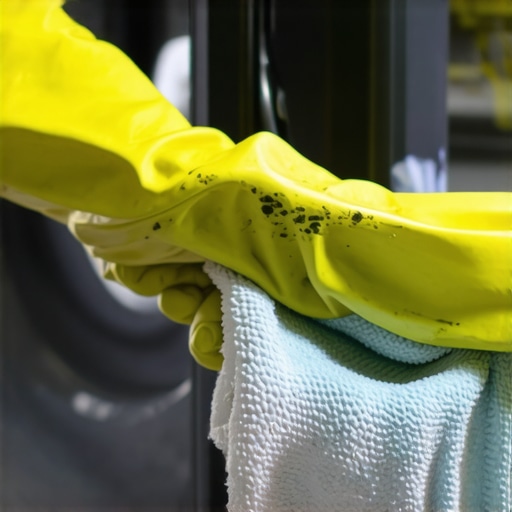
Stop the Gunk at the Source in the Detergent Drawer
Most people just pour soap in and walk away, but that drawer is a breeding ground for ‘scrud’—the waxy buildup of fabric softener and detergent. It’s a buffet for bacteria. Pull the whole drawer out. If it doesn’t budge, look for the release tab. Scrub it in the sink like you’re washing dishes after a greasy Sunday roast. This is one of those effective sanitizing methods for a germ-free home that makes a visible difference immediately.
Clear the Drain Filter of Hidden Horrors
Most people don’t even know their washer has a filter at the bottom. It’s usually behind a small flap. Be warned: when you open this, water will gush out, and it will smell like a swamp. In my last apartment, I found three hair ties, a rusted nickel, and a literal wad of grey sludge that was blocking the pump. Cleaning this is essential to understand how to get rid of the musty odor in your washing machine for good. If the water can’t drain properly, it just sits there and rots between cycles.
Run a High-Heat Purge of the Inner Drum
Once the physical debris is gone, you need to tackle what you can’t see. Don’t waste money on fancy machine cleaners yet. The best way is often the only way to deep clean your washing machine without harsh chemicals: a long, hot cycle with two cups of white vinegar poured directly into the drum. The acidity breaks down the lime scale and cuts through the biofilm that makes the machine smell like a locker room.
Don’t Forget the Dryer Filter and Interior
A clean washer is useless if your dryer is full of the previous person’s lint and pet dander. I learned this the hard way when my ‘clean’ sheets came out covered in golden retriever fur—I don’t even own a dog. Vacuum the lint trap and wipe the drum with a microfiber cloth. Learning how to deep clean the interior of a dryer to prevent lint fires isn’t just about hygiene; it’s a safety requirement for your essential checklist for your first night in a new home.
You’ve scrubbed the seals and cleared the lint, but here is the cold, hard truth that most DIY-ers miss: visual cleanliness does not equal microscopic sanitation. Everyone tells you to just pour a bottle of bleach into a hot cycle and call it a day. In my experience, that is exactly how you end up with lingering odors. Bleach is a fantastic surface disinfectant, but it is surprisingly poor at penetrating the thick, waxy ‘scrud’—that layer of biofilm made of skin cells and detergent fats—that coats the outer drum of a shared machine. If you want to move beyond the basics, you need to understand that you are fighting a chemical buildup, not just a few germs.
Stop Trusting Bleach to Do All the Heavy Lifting
Most renters treat bleach like a magic wand. However, bleach often just ‘whitens’ the mold rather than fully eradicating the colony hidden behind the drum support. This is where effective house cleaning secrets from cleaning experts come into play. Professionals know that you need an acid (like vinegar or citric acid) to break down the mineral scale first, followed by an alkaline or oxidative cleaner to handle the organic matter. Mixing them is a death sentence, but using them in separate, sequential cycles is the real secret. According to microbiologist Dr. Charles Gerba from the University of Arizona, a single load of underwear can leave behind enough bacteria to contaminate the entire next wash. If you aren’t breaking down that biofilm, you’re just washing your clothes in a microbial soup from the previous ten tenants.
The Counterintuitive Reason Your Soap Is Making Things Dirtier
Here is the ‘oops’ factor that almost every new tenant falls for: using too much detergent. You think that more bubbles mean a cleaner machine, right? Wrong. Modern High-Efficiency (HE) machines use very little water. When you use too much liquid detergent or, heaven forbid, too much fabric softener, it doesn’t all wash away. It turns into a sticky glue that traps the very dirt you’re trying to remove. This residue is the primary food source for mold. If you’re transitioning into a new space, check out the sanitizing secrets for a safer house in 2025 to learn why ‘less is more’ when it comes to chemical agents. Over-sudsing is the number one cause of mechanical failure and ‘swamp smell’ in front-loaders.
Why does my ‘clean’ laundry still have a faint swampy scent?
If you have run the cleaning cycles and your towels still smell like a damp basement the moment they get wet, the problem is likely your ‘cross-contamination’ habits or a clogged internal vent. Often, the smell isn’t just in the washer; it has migrated. If you brought over an old couch or rug, you might need upholstery cleaning tips for a fresh home revival to ensure the air in your laundry nook isn’t just re-infecting your damp clothes. You should also check the bellows—the part of the machine you can’t see without a flashlight—for stagnant water. This is why following effective sanitizing methods for a germ-free home is about more than just the appliance itself; it’s about the entire environment. Have you ever fallen into this trap where you clean the machine but the smell just won’t leave? Let me know in the comments. Using the only way to deep clean your washing machine without harsh chemicals usually provides a more sustainable result than a one-off bleach bomb. Once you’ve conquered the laundry room, you can finally cross it off your essential checklist for your first night in a new home and actually enjoy those fresh sheets.
I used to think that a one-time deep clean was enough to ‘reset’ a machine to factory standards. I was wrong. After three months of living in my last apartment, that familiar, faint, musty scent started creeping back into my towels. I realized that keeping a machine sanitary isn’t a one-and-done event; it’s a system of habits. If you want your laundry to stay as fresh as a professional service, you need to think like a technician. I personally switched from vinegar to citric acid for my quarterly maintenance. Why? Because while vinegar is great, citric acid is a powerhouse at removing the calcium deposits that bacteria love to cling to. Integrating this into your daily house cleaning routine to maintain perfection prevents the scale from ever becoming a ‘swamp’ in the first place.
The One Tool That Beats Vinegar Every Time
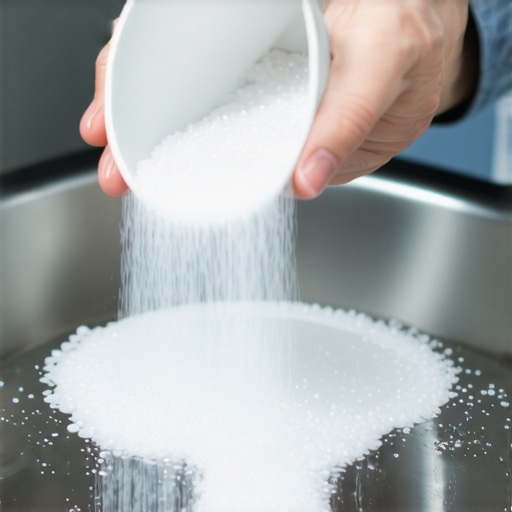
While DIY enthusiasts love white vinegar, I’ve found that high-purity citric acid crystals are more effective for shared machines with heavy hard-water buildup. It’s less abrasive on the rubber seals but far more aggressive against the lime scale where biofilm takes root. This is the kind of detail you’ll find in effective house cleaning secrets from cleaning experts who have to maintain machines that run twenty loads a day. According to the Association of Home Appliance Manufacturers (AHAM), specifically in their guide for High-Efficiency (HE) washer care, the use of non-HE detergents or excess soap creates a ‘suds lock’ that prevents thorough rinsing of these biofilms. If you aren’t using the right tools, you’re just moving the dirt around.
How do I maintain a germ-free machine over time?
The secret isn’t a chemical—it’s airflow. The single most important thing I do every day is leave the washer door and the detergent drawer wide open when the machine isn’t in use. It looks a bit messy, but it’s the only way to ensure the interior dries completely. If you are applying house cleaning strategies for a sparkling home today, this ‘dry-out’ rule is non-negotiable. For those who just moved into a new place and used sanitizing hacks for safe house transitions, don’t let your hard work go to waste by trapping moisture inside a dark, warm drum.
Future-Proof Your Laundry with Smarter Tech
Looking ahead, the industry is shifting toward more passive sanitation. In the next five years, I expect we’ll see more residential washers coming standard with integrated UV-C sanitizing cycles to handle the antibiotic-resistant bacteria that thrive in cold-water washes. We are already seeing this technology in high-end appliances, and it will eventually become a standard for rental units. Until then, you have to be your own quality control. Just as you might use an ultimate upholstery care guide for lasting freshness to protect your sofa, you need a proactive schedule for your washer. My challenge to you: Go buy a bag of food-grade citric acid and run one hot cycle with it tonight; it’s the single most effective maintenance step you can take to reclaim your laundry room from the ghosts of previous tenants.
The Hardest Lesson I Learned About Shared Laundry Hygiene
After years of apartment hopping, I realized that the “smell of clean” in a shared laundry room is often just a mask for underlying issues. My biggest lightbulb moment was discovering that my clothes weren’t actually getting cleaner—they were just being re-contaminated by the previous user’s fabric softener buildup. I also learned that cold water cycles are a haven for bacteria; unless you’re using hot water for your maintenance runs, you aren’t actually killing much. Most importantly, I found that effective house cleaning secrets from cleaning experts always prioritize the removal of physical debris before the chemical soak. If you don’t scoop out the hair and lint first, you’re just disinfecting trash.
#IMAGE_PLACEHOLDER_E#
My Personal Arsenal for a Clean Start
To keep my machines in peak condition, I rely on a few specific tools that I trust more than any store-bought “machine cleaner” pods. First, I always keep bulk citric acid in my pantry; it’s the only thing that effectively strips the lime scale from the hidden heating elements. I also swear by microfiber cloths because they grab the slime on the gasket instead of just smearing it around. Finally, I integrate these checks into my daily house cleaning routine to maintain perfection to ensure I never leave a wet load sitting for more than ten minutes. This prevents that “re-wash” cycle that ruins so many fabrics.
You Deserve a Truly Clean Home
Moving into a new space is about more than just a change of address; it’s about reclaiming your environment. Taking twenty minutes to deep clean a communal appliance isn’t a chore—it’s an investment in your health and your comfort. When you use sanitizing hacks for safe house transitions, you remove the “ghosts” of the people who lived there before you. You finally get to have that first night of sleep on sheets that aren’t just white, but truly deep-cleaned. Don’t let a shared machine dictate the quality of your life; take control, run that purge cycle, and enjoy the freshness you’ve earned. Have you ever found something truly bizarre left behind in a shared washing machine? Let me know in the comments below!