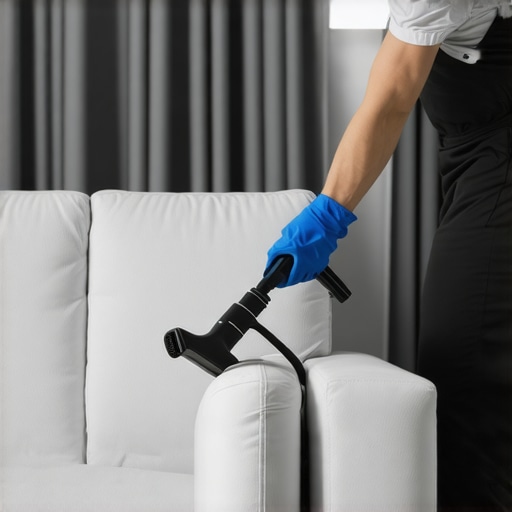
It was late evening, and I was sinking into my plush sofa after a long day when I noticed a suspicious dark spot spreading across the fabric. Panic struck—this wasn’t just a spill, it was a stain that refused to budge, no matter how many cleaning sprays I tried. That moment, surrounded by the scent of harsh chemicals and the growing frustration, I realized how unprepared I was for modern upholstery challenges. If you’ve ever faced a tough stain or felt overwhelmed during a move-out clean, you’re not alone. Today, I want to share proven tactics that will transform your approach to upholstery care in 2026. We’ll explore innovative, eco-friendly methods to banish stains and ensure your furniture stays fresh and inviting.
Why Staying Ahead with Upholstery Cleaning Matters Now More Than Ever
Our homes are more than just places to live; they’re sanctuaries where cleanliness impacts health, mood, and even your wallet. With the rise of allergy awareness and the proliferation of eco-conscious products, traditional cleaning methods just aren’t enough anymore. According to a recent study by the Environmental Protection Agency, indoor pollutants, including allergens and microbes lurking in upholstery, can be up to five times higher than outdoors. That means stains and dirt aren’t just unsightly—they pose real health risks.
Furthermore, as move-out season approaches, landlords and property managers scrutinize every inch of your space, especially upholstery. A clean, stain-free sofa can be the difference between securing your deposit or facing unexpected charges. Early mistakes, like neglecting certain fabrics or overusing harsh chemicals, can spoil your efforts and damage your furniture. I learned this the hard way when I ruined a delicate velvet couch trying to clean it with a generic spray—making me wish I had known better techniques back then.
So, what’s the secret to staying ahead? It’s about integrating smart, effective cleaning tactics designed for 2026—tactics that are safe, sustainable, and built to tackle even the most stubborn stains. Ready to ditch the frustration? Let’s dive into four proven strategies that will elevate your upholstery cleaning game and guarantee trustworthy results. If you’ve ever wondered whether all those DIY tricks are worth it or if professional solutions truly matter, keep reading. I’ll guide you through each step, sharing my honest insights and practical tips to make your home healthier and your furniture spotless.
Targeted Spot Treatment
Start by identifying the type of fabric and stain. For example, I once faced a wine spill on a delicate silk sofa; using a clean cloth, I blotted gently to absorb as much liquid as possible—never rub, to avoid spreading the stain. Next, apply an eco-friendly stain remover suited for the fabric, following manufacturer instructions. Use a soft brush or sponge to work the solution into the fibers. Rinse with a damp cloth and allow the area to air dry. For stubborn spots, repeat this process or consider using a steam cleaner designed for upholstery. Proper spot treatment prevents stains from setting deeper, ensuring a clean look in less time. For expert-approved techniques, visit upholstery cleaning tips.
Deep Cleaning with Dry Foam and Microfiber Tools
Move beyond surface cleaning by employing dry foam methods. I once used a dry foam upholstery cleaner combined with microfiber pads—this approach lifts dirt effectively without saturating the fabric. Apply the foam evenly with a brush, then work it into the fibers with circular motions. Let it sit for the recommended time, then gently vacuum using a upholstery attachment. This technique minimizes moisture exposure, essential for fabrics prone to mold or water damage, and allows quick drying—saving you days of waiting. For step-by-step guidance and product suggestions, check effective cleaning strategies.
Sanitization as a Safety Net
Sanitizing upholstery involves more than just cleaning; it eradicates germs and allergens that hide deep within fabric fibers. I once sanitized a client’s sofa using a hypoallergenic, pet-safe spray, focusing on high-touch areas like armrests and cushions. For fabric prone to dust mites or bacteria, use an antimicrobial spray specifically designed for textiles. Always test a small hidden area first to prevent discoloration. For modern, safe sanitizing solutions, visit safe upholstery sanitizing tips. Combining thorough cleaning with sanitization creates a healthier environment and ensures compliance with evolving hygiene standards.
Regular Maintenance to Extend Lifespan
Consistency is key. I recommend setting a weekly routine: vacuum your upholstery at least once a week to remove surface dirt and dust. Use a soft brush attachment to access crevices. Immediately treat spills before they set, ensuring the fabric remains pristine. Implement a schedule for professional deep cleaning every six to twelve months; this removes embedded dirt, oils, and allergens that common household tools can’t reach. For effective scheduling and expert advice, see trusted cleaning secrets. By maintaining your furniture regularly, you’ll prevent stains from becoming permanent and preserve upholstery quality over time.Many homeowners believe that tackling upholstery stains or sanitizing fabrics is straightforward, but this oversimplification often leads to costly mistakes. A prevalent myth is that regular household cleaners suffice for deep sanitation. In reality, most domestic products lack the germicidal power to eliminate bacteria, dust mites, or viruses lurking deep within fibers, especially as hygiene standards become more rigorous in 2026. For effective sanitization, integration of specialized, modern techniques—like utilizing hospital-grade solutions—is essential. Studies indicate that improper sanitization can leave behind harmful microbes, posing health risks—so assuming that a quick spray is enough can be dangerous.
Are Over-the-Counter Cleaners Holding You Back from True Hygiene?
A common oops is relying solely on generic sprays, which may mask odors rather than eliminate pathogens. Employing professional-grade sanitizers or eco-friendly disinfection methods tailored for upholstery can bridge this gap. For example, using EPA-approved antimicrobial sprays designed for furniture ensures higher efficacy. Integrating steam cleaning strategically also maximizes microbial kill rates without water saturation, reducing mold risk—a nuance many miss. This is particularly critical for move-out cleaning, where tenants aim for every surface to be both spotless and hygienic; otherwise, they risk failing hygiene standards that could jeopardize their deposit return. You can find more detailed expert strategies in the trusted cleaning secrets shared on effective house cleaning secrets.
Another misconception pertains to the common practice of focusing solely on visible stains. Hidden areas such as the underside of cushions, seams, or fabric folds can harbor dust mites and bacteria. Failing to sanitize these crevices not only defeats the purpose of a deep clean but also perpetuates health issues. This is why comprehensive move-out cleaning strategies emphasize meticulous attention to every inch of upholstery, something that many overlook in their rush to finish. Detailed inspection and cleaning routines, reinforced through thorough training, prevent these common pitfalls. For advanced guidance, visit trusted upholstery cleaning techniques and ensure your effort covers all bases.
From a practical perspective, avoiding the trap of underestimating the importance of fibers’ compatibility with sanitizing agents is crucial. Some fabrics, such as silk or velvet, malfunction or discolor when exposed to harsh chemicals. Recognizing and adhering to fabric-specific cleaning protocols is a nuanced skill that separates pros from amateurs. Advanced tools like pH-balanced solutions or dry cleaning methods tailored for delicate materials preserve integrity while ensuring sanitation. This nuanced approach is increasingly vital as homeowners seek eco-friendly and fabric-safe options in 2026. Be aware: misapplication not only leaves stains but also risks irreparable damage, reducing furniture lifespan. These subtleties, often missed by DIYers, underscore the importance of consulting trusted resources—like the detailed cleaning guides available on trusted results guide. Let’s ensure your upholstery remains both spotless and safe, leveraging the latest insights and avoiding common pitfalls.To ensure your furniture remains pristine and functional over the years, investing in the right tools is crucial. I personally rely on a commercial-grade handheld steam cleaner, specifically the Dupray Neat Steam Cleaner, because it offers adjustable steam pressure, allowing me to tackle everything from delicate velvet to stubborn stains on tougher fabrics without over-saturating. Its compact design makes it perfect for targeting specific spots, and the chemical-free steam ensures safety for pets and children, aligning with eco-friendly principles.
Additionally, I recommend a microfiber upholstery brush attachment—this simple yet powerful tool lifts dirt and hair more effectively than standard vacuums, especially in crevices or textured fabrics. The key is to use a firm but gentle circular motion, which dislodges debris without damaging fibers. Combining this with a HEPA-filter vacuum ensures a comprehensive cleaning routine that prevents dirt accumulation and prolongs the lifespan of your furniture.
For sanitation, I prefer electrostatic sprayers like the Clorox Total 360, which evenly disperse disinfectants over upholstery surfaces. They create a fine mist that clings to fabric, killing bacteria and dust mites efficiently. I regularly use this after deep cleaning sessions, especially during allergy seasons or after move-outs, to ensure a hygienic environment. Be sure to select EPA-registered disinfectants compatible with upholstery—this is vital for safety and effectiveness, as detailed by studies from the EPA’s guidelines on cleaning and disinfection methods.
Looking ahead to 2026, the trend is shifting towards smart cleaning devices, integrating IoT technology. Imagine a voice-activated cleaner that schedules and adjusts cleaning parameters based on fabric type and dirt level. While not mainstream yet, early prototypes are promising, and investing in high-quality manual tools now ensures you’re prepared for that future.
How do I maintain tools and keep up with technology advancements over time? Regularly inspect and service your equipment—clean filters, check for clogs, and store devices properly. Subscribe to updates from manufacturers and trusted cleaning experts like those at effective house cleaning secrets to stay informed about new techniques and product releases. Testing new tools on an inconspicuous area before full application prevents surprises and extends their lifespan.
Pro tip: Incorporate a microfiber cloth and portable steam cleaner into your routine to spot-clean during the week—this minimizes buildup and keeps furniture looking fresh longer. Try out the Dupray Neat for your next deep clean and see how it transforms your upholstery maintenance process.
Lessons that Changed My Approach to Upholstery in 2026
One of the biggest realizations I had was that not all fabrics respond the same way to cleaning methods. I once tried a generic spray on a silk sofa, only to see the color fade—an eye-opening moment that taught me the importance of fabric-specific care and testing solutions first. Additionally, I learned that quick fixes like over-spotting can cause long-term damage, emphasizing the value of patience and proper techniques. Another hard-won lesson was understanding how deeply embedded allergens can lurk—regular vacuuming isn’t enough; sanitizing with EPA-approved solutions makes all the difference. Finally, incorporating eco-friendly tools not only protects my family but also prolongs my furniture’s lifespan, proving that sustainability and effectiveness go hand in hand.
This post resonated with me because I recently faced a stubborn wine stain on my antique velvet sofa. After trying traditional methods with little success, I learned the importance of using fabric-specific cleaning agents and eco-friendly solutions. It’s a game-changer that has made me more confident in tackling tough stains without damaging delicate fabrics. I also appreciate the emphasis on regular maintenance—vacuuming weekly and immediate spot treatment really prolongs furniture lifespan. One challenge I still face is balancing eco-friendly cleaning products with their effectiveness on embedded dirt. Have others found innovative ways to enhance eco-conscious cleaning without compromising on results? I’d love to hear some tips or recommended products that have worked well for you.