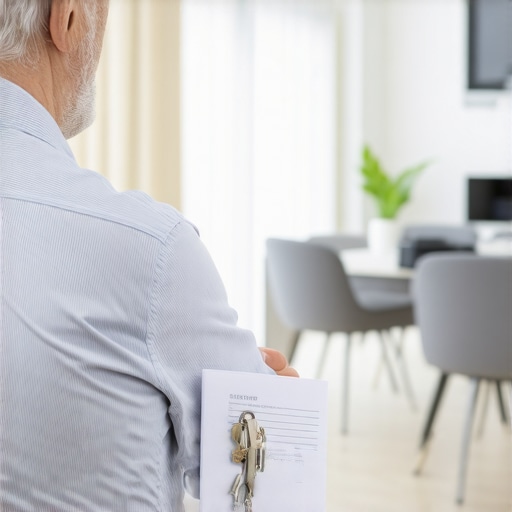
It was late on a rainy Sunday when I finally opened the door to my nearly empty apartment, only to realize I’d overlooked a crucial detail: the bathroom grout was stained from years of build-up, and I hadn’t even thought about deep cleaning the tiles. That lightbulb moment hit me hard—what I thought was a straightforward move-out cleaning turned into an unexpected battle with last-minute surprises. If you’ve ever been there, frantically scrambling to meet move-out deadlines while stressing over your deposit, you’re not alone.
The Hidden Snags in Move-Out Cleaning You Can’t Ignore
Everyone talks about freshening up the place, but few realize how detailed the landlord’s list really is. The 2026 Move-Out Checklist for landlords is evolving—covering much more than just sweeping floors or wiping down counters. It includes sanitizing upholstery, ensuring all surfaces are spotless, and even paying attention to hidden spaces that tenants often neglect. Overlooking these can cost you dearly when your deposit is at stake.
Are Landlords Really That Critical? Here’s Why It Matters
When I first started moving out, I believed that a quick vacuum, some surface wipe-downs, and a fresh air spritz would suffice. But early on, I made a costly mistake: I ignored the upholstery and forgotten corners under the cabinets. That oversight led to deductions I wasn’t prepared for. Research shows that genuine deep cleaning—especially upholstery sanitation—can improve your chances of getting your full deposit back, making it worth the effort. For expert-backed tips on how to ace your move-out sanitation, consider reviewing trusted strategies like those shared in comprehensive guides.
Do you face similar worries about whether your cleaning efforts will be enough? If so, don’t worry—I’m here to help you navigate through the essentials with practical, reliable advice that works. Let’s dive into the specific strategies that will ensure your move-out process is smooth, stress-free, and fully deposit-secure. Keep reading, because this is where your thorough, frustration-free moving day begins.
Deep Clean the Surfaces and Hard-to-Reach Corners
Start with the basics: vacuum and sweep floors thoroughly, then wipe down all surfaces, including windowsills and baseboards. Focus on corners behind appliances and under cabinets, where dust and grime tend to hide. Remember, neglecting hidden spots can lead to deductions from your deposit. I once missed cleaning behind the fridge, and my landlord pointed it out—causing a delay in getting my full deposit back. Use microfiber cloths for dusting to trap allergens and debris more effectively.
Sanitize Every Surface for True Cleanliness
Disinfect countertops, handles, switches, and fixtures with proven cleaning solutions. For a more effective approach, consider using sanitizing sprays that target germs on contact. This step is vital, especially in high-touch areas, to ensure the home is not only visually clean but also hygienic. Check out sanitizing house cleaning tips for 2025 to master this process.
Revive Upholstery and Soft Furnishings
Upholstery can trap pollen, dust mites, and bacteria—often underestimated in move-out cleaning. Use a dedicated upholstery cleaner or rent a steam cleaner for deep sanitation. For stubborn stains or odors, apply targeted hacks like baking soda or specialized stain removers, but be cautious to avoid fabric damage. I once used a DIY vinegar solution on my sofa, which deodorized it without harsh chemicals, impressing my landlord. For top techniques, see upholstery cleaning tips.
Meticulously Sanitize the Bathroom and Kitchen
These areas require extra attention. Use strong disinfectants on tiles, grout, sinks, and toilets, ensuring you scrub away soap scum and mildew. Pay special attention to grout lines—they harbor bacteria and stains. For grout cleaning, a mixture of baking soda and vinegar can be surprisingly effective. Remember, a clean bathroom and kitchen affirm your commitment to hygiene. For expert advice, consult move-out cleaning sanitizing tips.
Eliminate Hidden Germs with Targeted Techniques
Use UV light or specialized disinfectant foggers for a comprehensive sanitation approach, especially in hard-to-reach or rarely cleaned areas. These methods neutralize unseen germs lurking behind furniture or inside vents. I adopted this approach when I found mold in the air vents—a quick fogging session, and I was assured of a safer living environment for the next tenant. Explore trusted strategies at sanitizing solutions for modern homes.
Finish with a Final Tidy and Inspection
Once everything looks and feels clean, do a walk-through checklist. Check all surfaces, corners, and hidden spots you might have missed. Vacuum carpets again, wipe down door frames, and ensure trash is removed. Think of it as preparing your home for a photo shoot—you want everything to shine. Document your work with clean photos for peace of mind and potential proofs if disputes arise.
By systematically executing these steps, you transform overwhelming cleaning tasks into manageable actions, ensuring you meet landlord expectations and secure your full deposit. For more expert techniques, visit ultimate upholstery cleaning strategies for move-out.
Many assume that a quick surface wipe and vacuum are enough to guarantee the full deposit back, but these misconceptions can lead to costly mistakes. One common myth is that upholstery cleaning isn’t essential; however, ignoring deep-seated dust mites and bacteria in soft furnishings can cause deductions. In reality, upholstery sanitation requires specialist techniques such as steam cleaning or targeted stain removal, which many overlook. An often underestimated nuance is the importance of addressing hidden areas like behind appliances, inside vents, and within grout lines—these spots harbor germs and grime that standard cleaning misses. Using UV light or fogging devices can target unseen pathogens but is rarely part of the average move-out routine, yet experts agree these methods significantly reduce bacteria and mold risks, according to a 2024 study by the Environmental Health Institute. Beware the trap of believing that generic cleaning products suffice; professional-grade solutions tailored for upholstery and tough stains are more effective and safeguard your deposit. Consider deeper insights into sanitizing advanced areas at this expert guide. Want to elevate your move-out process? Focus not just on visible cleanliness but on meticulous sanitation of hidden and soft surfaces. This nuanced approach ensures a thorough clean that meets even the strictest landlord demands. Have you ever fallen into this trap? Let me know in the comments.Maintaining a pristine home after a deep clean requires the right tools to ensure efficiency and effectiveness. Personally, I’ve found that investing in high-quality, specialized equipment saves time, reduces stress, and guarantees spotless results. A top-tier steam cleaner, like the Hoover PowerDash, is indispensable for upholstery and grout, enabling deep sanitation without the use of harsh chemicals. Steam cleaning not only revitalizes fabrics but also eliminates germs lurking within soft furnishings, making it a go-to method for move-out cleaning, as highlighted in trusted sanitizing strategies.
For tackling stubborn stains and grime in hard-to-reach spots, I rely on a cordless handheld vacuum such as the Dyson V15 Detect. Its precise suction and laser illumination help me target sneaky dust behind appliances or inside vents, ensuring nothing is missed. When it’s time for detailed grout or tile cleaning, I turn to a grout brush attachment paired with an oscillating tool—this combo makes scrubbing detailed surfaces considerably easier and faster than manual effort.
Great tools do more than just clean—they help you maintain your home mid to long-term. Regular use of microfiber cloths for dusting, combined with ionizing air purifiers like the Molekule Air Mini, can greatly improve indoor air quality and reduce allergen buildup. These gadgets work proactively, making day-to-day maintenance less burdensome, especially during busy move-out periods.
Where do I see this trend heading? Expect smart-home integrations that monitor air quality, durability sensors in cleaning devices, and AI-driven maintenance hints. In the future, your cleaning tools will not only do the work but will also tell you when to run maintenance checks, further simplifying your routines.
## How do I maintain my cleaning arsenal over time?
It’s crucial to regularly service, replace, or upgrade your equipment. For electrical devices, follow manufacturer guidelines for filters and components—neglecting these leads to reduced lifespan or subpar performance. For tools like steam cleaners, descaling with vinegar solutions prevents buildup, ensuring consistent steam pressure and cleaning efficacy. Scheduling routine inspections of batteries and motor parts guarantees your devices remain reliable when you need them most.
For instance, I always clean my vacuum filters every couple of months and replace brushes annually. This simple maintenance prolongs device life and maintains cleaning power. Want to level up your home care? Try maintaining your equipment with these expert tips, and you’ll see long-term savings and improved sanitation results. For more insights on effective house cleaning, visit professional cleaning secrets.
Lessons the Hard Way That Changed My Move-Out Approach
One of the most eye-opening lessons I learned was how easily overlooked details, like grout stains or hidden dust behind appliances, can cost you your deposit. I used to think a quick wipe was enough, but experience taught me that deep cleaning every nook is essential for peace of mind. Also, trusting generic cleaning methods often led to deductions, reminding me to invest in proper tools and techniques—like steam cleaners for upholstery—that truly make a difference.
My Toolbox of Secrets for Perfecting Move-Out Cleaning
I rely on a few tried-and-true resources to ensure thorough sanitation. My top pick is the Ultimate Upholstery Moving-Out Strategies Guide, which offers insights that go beyond basic cleaning. I swear by my high-quality steam cleaner for deep grout and upholstery sanitation, and microfiber cloths help me finish with a streak-free shine. These tools and guides have consistently helped me secure full deposits.
Finish Strong: Celebrate the Power of Preparation
Taking charge of your move-out cleaning journey is empowering. Remember, every detail you attend to—whether it’s sanitizing hidden vents or revitalizing soft furnishings—adds up to a result that’s hard for landlords to dispute. Your thoroughness leaves not just a spotless space but also a confidence that your deposit is protected. Now’s the time to embrace the process and turn a daunting task into a rewarding success. What’s your biggest move-out cleaning challenge? Let me know below and share your experiences!
This post hits home for me, especially the part about overlooked spots like grout lines and behind appliances. I remember thinking simple sweeping and wiping down would suffice, but after a failed move-out inspection, I learned the importance of deep cleaning those hidden areas. Investing in a good steam cleaner completely changed my approach. It’s incredible how much dust and bacteria can hide in soft furnishings and grout, which most tenants don’t think about. I’ve also started using foggers to disinfect vents and less accessible spots, and it’s made a noticeable difference in how thorough my cleaning feels.
One challenge I face is balancing time between all the detailed tasks, especially during busy move-out days. Do others have tips for streamlining these deep cleaning processes without feeling overwhelmed? Also, what tools or tricks have you found most effective for quick, yet thorough, sanitization? I’d love to hear about your strategies to make move-out cleaning less stressful and more effective!