
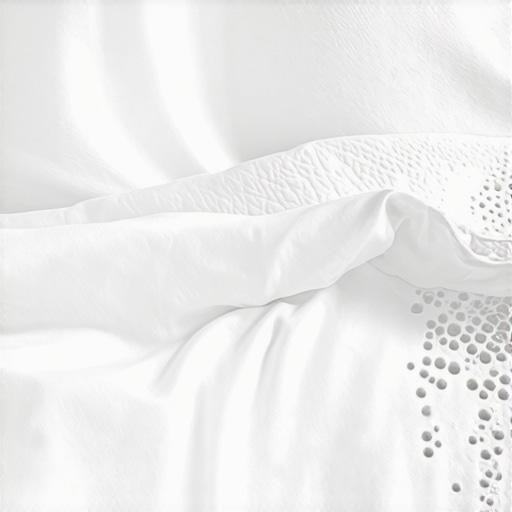
I stood there in the morning light, squinting at my once-pristine mulberry silk pillowcase. It wasn’t pristine anymore. Instead, there was a stubborn, yellowish ring where my head rests every night. It is a gut-wrenching feeling when you’ve invested in luxury bedding only to see it look like it belongs in a gym locker room. I’ll be honest: I panicked. I reached for the harshest bleach alternative I had and started scrubbing with a rough sponge. That was a massive mistake. I didn’t just fail to remove the stain; I actually scorched the fibers, leaving a dull, stiff patch that felt like sandpaper against my skin. We’ve all been there, right? Thinking that more friction and stronger chemicals equal a cleaner result. But today, I’m going to show you that silk requires a different kind of logic. We are going to lift those ancient perspiration marks without turning your favorite bedding into a cleaning rag. [IMAGE_PLACEHOLDER]
Why Your Expensive Silk Looks Like a Crime Scene
Silk is a living, breathing fabric—well, metaphorically speaking. It is a protein fiber, much like your own hair. When you sleep, your skin releases natural oils and sweat, which the silk absorbs. These substances don’t just sit on the surface; they bond with the material. Over time, oxygen causes these proteins to turn yellow in a process called oxidation. It feels personal when it happens to your favorite pillow, but it’s really just chemistry. If you’ve ever dealt with similar issues on other fabrics, you might have looked up how to get old mascara stains out of a white pillowcase, but silk is a much pickier beast. According to research published by the Textile Institute, silk is highly susceptible to degradation from alkaline substances, meaning your standard grocery-store laundry detergent is likely doing more harm than good by breaking down the fiber’s integrity.
Does Silk Deserve a Place in Your Bedroom at All?
I get it. You’re wondering if you should just switch back to cotton and be done with it. Is the hair-smoothing benefit worth the constant fear of a yellow ring? The answer is a resounding yes, but only if you stop treating it like a heavy-duty bath towel. One of the most important things I learned after my first disaster is that heat is the enemy. Just like why you should never use hot water on a fresh blood stain, using anything but cool temperatures on silk will essentially ‘cook’ the proteins and set that yellow stain forever. Have you ever accidentally cooked a stain into your favorite fabric and wanted to scream? Tell me your cleaning horror stories—I promise I won’t judge! When you’re searching for upholstery cleaning tips for a fresh home revival, you’ll notice a common theme: gentleness wins every single time. Now, let’s get into the actual steps to reclaim that luxury feeling.Start by filling a clean basin with cool water. I cannot stress this enough: lukewarm is already too hot. Just as you’d follow the cold water secret for removing blood stains from linen, silk requires that same temperature control to prevent the proteins from locking into the weave forever. If you use warm water, you aren’t cleaning; you’re essentially dyeing the fabric yellow.
Ditch the Heat and Embrace the Chill
When I first started experimenting with silk recovery, I thought a quick soak was enough. It’s not. You need to let the silk rest. Submerge the item completely and let it sit for at least 15 minutes. This softens the salt and oils without any mechanical stress. Think of it as a pre-treatment that prepares the fibers for cleaning without the need for aggressive agitation. If you are handling a larger piece, like a silk-blend throw, check out the ultimate upholstery care guide for lasting freshness to ensure you’re managing the weight of the wet fabric correctly.
Your Regular Detergent is Actually a Weapon
Most people grab whatever is sitting on top of their washing machine. Stop. Your standard detergent is designed to rip apart stains on rugged cotton, but on silk, it’s like using a chainsaw to prune a bonsai tree. You need a pH-neutral liquid specifically formulated for delicate fabrics. While some people swear by the truth about castile soap and its cleaning power, be careful—if your water is hard, castile soap can leave a filmy residue that makes silk feel greasy and stiff. 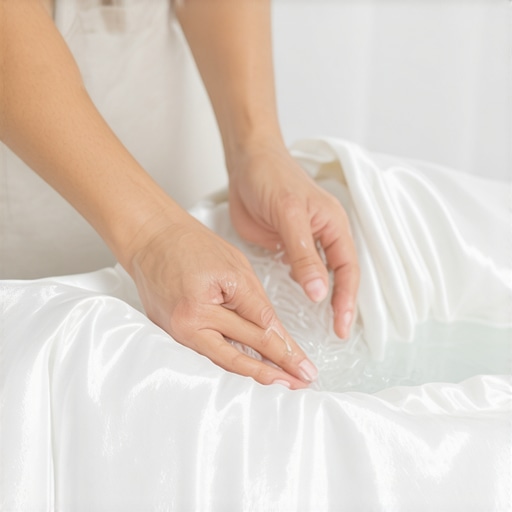
The Finger-Tap Trick for Stubborn Yellow Rings
Here is where I usually messed up in the past: the scrubbing. Never, ever rub silk against itself. That friction causes ‘pilling’ or permanent breakage of the tiny filaments. I remember trying to save a champagne-colored silk camisole once; I was so impatient I almost used a soft toothbrush. Instead, I used the pad of my ring finger—the gentlest part of the hand—to gently tap a mixture of one part white vinegar and three parts water onto the stain. Vinegar is a mild acid that helps break those protein bonds without dissolving the silk itself. It’s a similar logic to how to remove yellow sweat stains from white t-shirts naturally, but you have to be ten times more patient with the tapping.
Drying Methods That Won’t Leave Your Silk Feeling Like Cardboard
Once the stain is lifted, rinse the silk in cool water until all soap or vinegar is gone. Do not wring it out like a wet dishcloth. If you twist silk, you are essentially snapping the fibers. Lay the silk flat on a clean, white towel and roll it up like a burrito to squeeze out the excess moisture. This controlled pressure is the only way to avoid wrinkles that are nearly impossible to steam out later. Finally, whatever you do, why you should never use hairdryers on wet fabric spills applies double here. Intense, direct heat will make the silk brittle and ‘crunchy.’ Hang it away from direct sunlight, and you’ll find it stays as soft as the day you bought it.
The ‘Natural’ Trap That Dissolves Your Bedding
Wait, before you reach for that box of baking soda thinking it’s a ‘safe’ natural alternative, stop right there. A huge mistake I see in the DIY cleaning world is the assumption that ‘natural’ equals ‘harmless.’ While it’s great for some surfaces, it is a total disaster for protein-based fibers. Silk is chemically similar to your hair, and just as why you should never use baking soda on your marble countertops because of its high pH, it will eventually make your silk brittle and prone to shattering. If you have ever tried to ‘deodorize’ a silk item and noticed it felt crunchy afterward, you have witnessed chemical degradation in real-time. #IMAGE_PLACE_HOLDER_C#
Can You Actually Sanitize Silk Without Ruining the Sheen?
This is the million-dollar question for anyone obsessed with hygiene. Standard sanitizing usually relies on high heat or chlorine—both of which are ‘silk killers.’ According to research published in the Journal of Textile and Apparel, Technology and Management, protein fibers lose significant tensile strength when exposed to alkaline environments or temperatures exceeding 140°F. If you are worried about germs, you should look into is steam cleaning enough to kill bacteria on high touch surfaces, but remember that for silk, even ‘dry’ steam must be applied from a distance to prevent moisture saturation. For items that cannot be washed, such as delicate trims, learning how to sanitize a plush toy that can’t go in the washing machine provides a great baseline for gentle, non-immersion sanitizing.
Why You Should Never Give Up on an Old Stain
I used to think that if a yellow mark was more than a month old, the silk was destined for the trash. That is a myth. The nuance here is that oxidation is a slow burn. You can often reverse it by using a mild oxygen-based whitener specifically for silk or a prolonged cold-water soak with a drop of high-quality silk wash. This is a far cry from move-out cleaning hacks ensure your deposit refund where speed is often the priority. With silk, speed is your enemy. Have you ever fallen into this trap of rushing a clean and ruining the fabric? Let me know in the comments—I’ve definitely been there! Even when we look at the ultimate upholstery care guide for lasting freshness, the secret isn’t a magical chemical; it’s the patience to let the gentle cleaners work their magic slowly.I’ve had to learn the hard way that once the silk is clean, the real work begins: keeping it that way. I personally swear by the ‘Double-Bag’ method for my delicates. I use the Honey-Can-Do heavy-duty mesh bags because the weave is tight enough to prevent even the smallest bra hook or zipper from snagging the fibers in a mixed load. If you are scaling up your efforts to include larger textile care, you might find this move-out clean checklist to simplify your transition helpful for organizing your specialized equipment. Having the right tools isn’t just about luxury; it is about protecting your investment from mechanical damage that no amount of cleaning can fix. 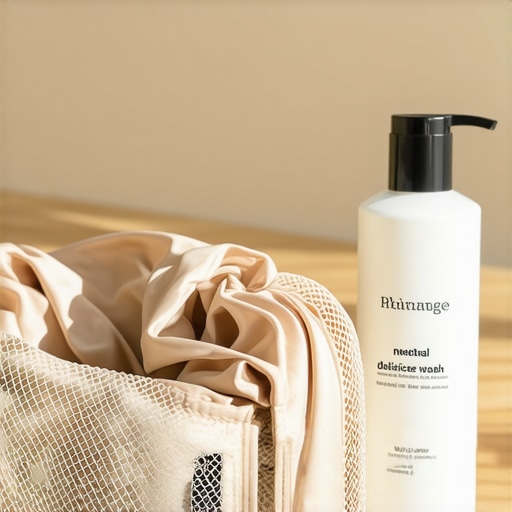
Invest in Tools That Save Your Sanity
Beyond the bags, I recommend a specialized pH-neutral detergent like Eucalan. It is a no-rinse formula which reduces the amount of handling the silk undergoes. According to Mary Ballard, a senior textiles conservator at the Smithsonian Institution, the cumulative effect of improper pH exposure can lead to ‘shattered silk,’ where the fabric literally disintegrates over time due to chemical fatigue. This is why I avoid the typical ‘green’ cleaners that use citrus—the acidity can be too much for long-term storage. If you’re looking for more general effective house cleaning secrets from cleaning experts, you’ll see that professional results always stem from matching the chemical to the specific fiber type.
How do I maintain my silk pillowcases over the long haul?
Maintenance isn’t a one-time event; it’s about consistency. I’ve integrated my silk care into a broader daily house cleaning routine to maintain perfection. Every morning, I give my pillowcase a quick shake to realign the fibers and let it breathe. Once a month, I perform a ‘cool-down’ rinse with a tablespoon of white vinegar to strip any lingering calcium from my tap water. This keeps the silk from getting that ‘crunchy’ feeling. If you are worried about bacteria, don’t reach for the bleach. Instead, look into effective sanitizing methods for a germ-free home that prioritize low-temperature solutions. For those with larger upholstered pieces, applying these upholstery cleaning tips for a fresh home revival ensures that your high-end fabrics stay vibrant for years rather than months. Looking forward, I predict we will soon see ‘self-healing’ bio-silk that uses synthetic proteins to repair minor abrasions automatically, but until then, these manual steps are our best defense. My challenge to you: Try the distilled water final rinse on one silk item this week. You will be shocked at how much softer it feels without those hard water minerals weighing it down!
The Most Expensive Mistakes I Made So You Don’t Have To
After years of ruining beautiful fabrics, I’ve realized that silk care is more about what you don’t do. First, stop thinking of silk as laundry; think of it as skincare. If you wouldn’t put a harsh chemical on your face, don’t put it on your pillowcase. Secondly, I learned that ‘clean’ doesn’t mean ‘sterile.’ While searching for sanitizing secrets for a safer house in 2025, I discovered that over-cleaning silk is just as damaging as neglecting it. Finally, the mineral content in your tap water is often the hidden culprit behind that ‘crunchy’ texture. Switching to a distilled water final rinse was the lightbulb moment that changed everything for me.
My Tested and Proven Silk-Saving Toolkit
If you want to move beyond the basics of house cleaning strategies for a sparkling home today, you need a specialized arsenal. I never wash my silk without my Honey-Can-Do mesh bags; they are the only ones I’ve found with a weave tight enough to prevent snagging during a delicate cycle. For the cleaner, Eucalan is my top choice because it’s pH-neutral and contains lanolin, which actually conditions the fibers. I also keep white vinegar on hand for its ability to neutralize odors and break down sweat proteins without the use of harsh enzymes. These tools aren’t just about luxury; they are about extending the life of your investment by years.
Stop Worrying and Start Sleeping Better
Your mulberry silk pillowcase was meant to be a sanctuary for your skin and hair, not a source of cleaning anxiety. Once you master the art of the cold-water soak and the gentle ‘burrito’ roll for drying, you’ll spend less time scrubbing and more time enjoying that pristine, cool-to-the-touch feeling. If you’re also tackling other delicate bedroom items, such as the best way to disinfect a mattress without soaking the foam, remember that preservation is always better than aggressive restoration. Cleaning is an act of care, not a battle. Have you ever tried using distilled water for your delicates, or are you still battling with hard water stiffness? Let me know your results in the comments!