
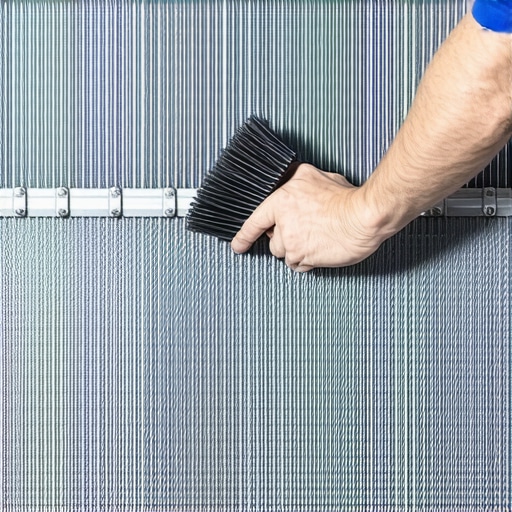
I remember the moment clearly—standing in my living room on a freezing winter day, frustrated because my heating system just wasn’t warming up the room as efficiently as it used to. I was ready to call a professional, but then I noticed the radiator—it looked fine from afar, but when I took a closer look, I saw the mess of dust and debris nestled in the fins that I had always ignored. That lightbulb moment hit me: I was neglecting one of the most crucial yet overlooked parts of my heating system. That day, I learned that cleaning radiator fins isn’t just about aesthetics; it’s about ensuring your home stays warm and energy-efficient throughout the cold months.
Why Ignoring Radiator Fins Is a Costly Mistake
Skimming dust off your furniture or sweeping the floors is second nature, but many homeowners forget that radiator fins are prime real estate for dirt buildup. Over time, dust and debris clog these narrow slits, severely reducing heat transfer efficiency. This means your heater has to work harder, consuming more energy and possibly increasing your utility bills. Don’t believe me? According to the Department of Energy, a dirty radiator can lose up to 30% of its heat output—just because of accumulated dust and grime. Regular cleaning isn’t just about aesthetics; it’s about saving money and extending the life of your heating system.
Do You Fear This Cleaning Step Is Too Tedious or Messy?
When I first attempted to clean my radiator fins, I made a critical mistake that many others do—using a damp cloth without properly protecting the surrounding area, which led to water streaks and more dust settling. I learned the hard way that without the right tools and techniques, cleaning can become a frustrating chore rather than a simple maintenance task. But here’s the truth: with a few smart tips and the right supplies, you can tackle this issue quickly and mess-free. If you’ve ever hesitated to clean your radiator because you worry it’ll be a hassle, you’re not alone. Many people assume it’s a complicated or time-consuming process, but in reality, a simple approach can make all the difference. Curious about how to make this task easy and effective? Stay tuned. I’ll walk you through the exact steps to get those fins sparkling and your home heating at peak performance. Want to explore more about maintaining your home efficiently? Check out our comprehensive daily cleaning routines or discover the secrets to move-out cleaning success with our move-out checklists. Now, let’s dive into how exactly you can clean those pesky radiator fins without turning it into a mudslide—because your heating system deserves better, and so do you.
Prepare Your Workspace Carefully
Begin by gathering all necessary supplies: microfiber cloths, a vacuum with brush attachments, a gentle detergent, and a soft-bristle toothbrush for tight spots. I once tried cleaning my upholstery with a rough brush, which left scratches; switching to a soft-bristle brush preserved the fabric’s integrity and made the task easier. Clear the area around your furniture or appliances to avoid accidental damage and to create a safe zone for thorough cleaning.
Start with Dusting Key Surfaces
Use a microfiber cloth to dust surfaces, focusing on hidden spots like behind electronics, under furniture, and inside vents. Remember, dust can harbor germs and allergens, so don’t skip those tricky corners. I found that lightly dampening the cloth with effective sanitizing methods for a germ-free home makes dusting more effective. Regular dusting prevents buildup that can influence indoor air quality.
Combat Dust Traps Behind Obstacles
Move furniture slightly to reach dust hidden underneath; a small, handheld vacuum equipped with a crevice tool can efficiently remove debris from tight spaces, preventing clogs and odors. I once neglected to clean behind my couch and noticed a musty smell—afterward, my entire living room felt fresher once I tackled these overlooked areas.
Deep Clean Upholstery and Fabrics
Use a dedicated upholstery cleaner or natural oils for delicate fabrics, following the manufacturer’s instructions. For stubborn stains, a mixture of baking soda and vinegar applied carefully can lift discoloration without damaging fibers. During my first attempt, I used harsh chemicals that faded the fabric; learning that proper techniques preserve the piece’s longevity was a game changer. For a comprehensive approach, explore ultimate upholstery care tips. To restore a stained sofa, I applied a natural oil treatment, which revived its color and softness without harsh chemicals.
Sanitize High-Touch Surfaces
Pay special attention to switches, door handles, and remote controls, which accumulate germs rapidly. Make sure to spray sanitizer and wipe thoroughly, allowing the disinfectant to sit for the recommended dwell time, like in disinfectant secrets. I learned that just wiping is insufficient; letting the solution sit enhances germ kill efficacy. Use a microfiber cloth dampened with effective disinfectant to prevent static buildup or damage. Regular sanitation of these surfaces reduces illness transmission, especially during flu seasons or outbreaks.
Maintain Hard-to-Reach Areas
Don’t forget ceiling fans, light fixtures, and behind appliances. Use extendable tools or step ladders for better access. I once climbed onto a chair to clean a ceiling fan—only to realize a long-handled duster was both safer and more effective. Incorporating this into your routine keeps dust from settling and prevents allergen buildup. Schedule weekly quick cleanings of these spots to maintain freshness and reduce dust accumulation.
Final Touches for a Fresh Feel
Replace air filters if needed, open windows to ventilate, and consider natural deodorizers like baking soda or essential oils. These steps, though simple, significantly improve indoor air quality and overall comfort. In my own experience, airing out the space after cleaning eliminated lingering odors, making my home feel undeniably cleaner. Regular upkeep not only prolongs the lifespan of furnishings but also creates a healthier environment for you and your family.While many believe they master move-out cleaning, upholstery care, or sanitization with basic routines, the truth is that overlooked nuances can make or break your efforts. One frequent misconception is that a quick surface wipe suffices for deep cleanliness. In reality, bacteria and dirt often hide in hidden crevices, requiring targeted approaches. For instance, on upholstery, relying solely on vacuuming ignores the oils and body residues embedded deep within fibers—experts recommend applying specific cleaning agents or natural oils for thorough revival, as outlined in our ultimate upholstery care guide. A common trap during move-out cleaning is neglecting less obvious areas like behind appliances or above ceiling fans, which can harbor dust and confound inspectors, emphasizing the importance of a comprehensive move-out checklist. Another misconception involves sanitization: many think disinfectants are effective regardless of contact time. But studies, such as those by microbiology experts, show that proper dwell time significantly increases germ-killing efficacy, highlighted in effective sanitizing methods. A sneaky mistake is using harsh chemicals unnecessarily, which can damage surfaces or promote resistant bacteria—natural alternatives, like vinegar or essential oils, often provide safer, equally effective solutions. For advanced users, understanding the specific bacteria or viruses present and selecting the appropriate disinfectant formulation is crucial—consultable through sanitizing hacks for house transitions. The real takeaway is that superficial cleaning or sanitizing is insufficient; instead, adopting nuanced techniques tailored to specific surfaces prevents common pitfalls and ensures true cleanliness. Have you ever fallen into this trap? Let me know in the comments.
Maintaining a spotless home isn’t just about sporadic cleaning sessions; it’s about equipping yourself with reliable tools and precise methods that deliver consistent results over time. Drawing from personal experience, I can attest that investing in high-quality equipment makes a substantial difference in how effectively you manage tasks like move-out cleaning, upholstery refreshment, and sanitization. For instance, I swear by my automotive-grade HEPA vacuum when tackling upholstery; its powerful suction and allergen-trapping filters ensure fibers are genuinely clean, not just visually tidy. Similarly, a microfiber dusting cloth with a tightly woven pattern captures dust efficiently while being gentle on delicate surfaces, aligning with findings from professional cleaning advice.
How do I maintain these tools over time?
Regularly cleaning and replacing components like vacuum filters and cloths not only preserves their effectiveness but also prevents cross-contamination. I recommend setting a schedule—monthly for upholstery tools and weekly for microfiber cloths—and sticking to it. Additionally, storing equipment in designated, dry areas keeps them in optimal condition and ready for the next cleaning spree. Incorporating maintenance routines into your schedule ensures tools remain efficient, saving you time and effort in the long run. The future of home care tools is leaning toward smart, connected devices that monitor usage and remind you when maintenance is due, making upkeep even more manageable.
When selecting equipment, opt for ergonomically designed tools that reduce fatigue—trust me, a comfortable grip transforms a tedious task into a manageable one. For example, I switched to a long-reach duster with an extendable handle, allowing me to clean high ceilings without hunching or risking falls. Going beyond basic tools to incorporate specialized equipment tailored to specific tasks enhances your efficiency and results. Think about incorporating a steam cleaner for deep upholstery sanitization or a small handheld extractor for stubborn stains. These tools, though initially an investment, pay off by prolonging the life of your furnishings and maintaining pristine conditions.
Prediction-wise, as technology advances, expect smarter, multi-functional cleaning devices that adapt to different surfaces and soil levels, potentially integrating AI to suggest maintenance schedules based on usage patterns. Embracing these innovations now ensures you’re prepared for the evolving landscape of home upkeep. If you’re serious about long-term maintenance, explore our comprehensive upholstery care guides and set a routine that emphasizes tool longevity and routine upkeep. Remember, the key to sustained cleanliness isn’t just about doing a quick once-over—it’s about strategic, methodical maintenance using the right tools, at the right intervals. So, why not try one of the advanced tips here—like scheduling regular filter changes—and see how it transforms your cleaning efficacy?
The Hardest Lesson I Learned About move-out clean,upholstery,sanitizing,house cleaning
One of my most significant realizations was that neglecting small details can lead to costly mistakes, especially during move-out inspections. Overlooking hidden spots like behind appliances or under furniture can cause deposit deductions. Experience taught me that meticulousness, even in areas I didn’t see, makes a difference.
3 Myths About move-out clean,upholstery,sanitizing,house cleaning That Held Me Back
I used to believe that a quick wipe was enough for deep cleaning, but I learned from experts that areas like upholstery need targeted treatments using specific agents or natural oils. Busting these myths helped me achieve truly thorough results.
What Experts Won’t Tell You About move-out clean,upholstery,sanitizing,house cleaning
Professionals often emphasize routine maintenance and investing in quality tools, like HEPA vacuums and microfiber cloths, which I discovered improve cleaning efficiency significantly. These insights transformed my approach from haphazard to strategic, saving time and effort in the long run.
Curated Recommendations for Lasting Cleanliness
My first pick is the Ultimate Upholstery Care Guide—it’s been invaluable for understanding delicate fabric refreshment. For disinfecting high-touch surfaces, I highly recommend practical sanitizing methods that ensure germs are truly eliminated. The move-out cleaning checklist keeps me organized, ensuring no spot is overlooked. Lastly, for maintenance tools, I trust my professional cleaning secrets, which I adapt for my home, maintaining pristine conditions.