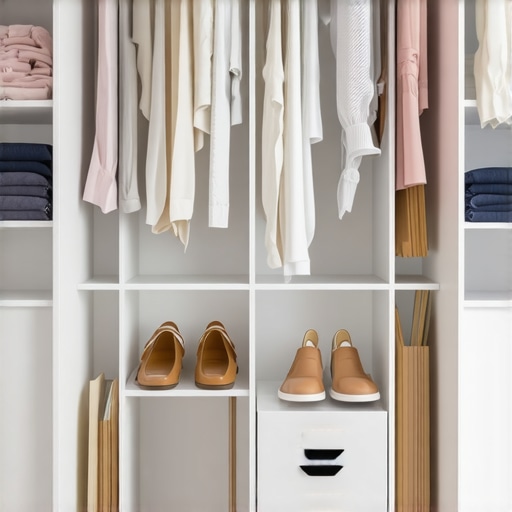
I vividly remember the moment I realized I had overlooked four crucial closet spots during my move-out cleaning. It was late at night, exhausted, staring at the mountain of chores still ahead, when I noticed a faint stain lurking behind my wardrobe. That tiny oversight nearly cost me my deposit—and I promised myself it wouldn’t happen again. If you’re gearing up for your move in 2026, I bet you’ve had similar moments of panic, wondering if every nook and cranny is spotless enough.
Why Overlooking These Closet Corners Could Be Your Biggest Mistake
Many tenants focus on visible surfaces—floors, counters, and main living areas—and neglect those hidden spots that landlords scrutinize during inspections. Trust me, I’ve been there. Early in my cleaning days, I made the mistake of thinking that a quick vacuum and wipe-down sufficed. But landlords are searching for dirt, dust, or grime in the least obvious spots—often hidden in cracks and crevices. The good news? Knowing where these spots are and how to clean them effectively can make the difference between getting your full deposit back or facing unwelcome deductions. Regularly, overlooked areas like the inside of closet doors, corners behind shelves, and the back of hanging rods can harbor dust and mold.
Beyond just cleaning—it’s about strategic sanitation. According to recent studies, unseen germs and dust mites can linger in these hidden spaces, affecting your health and the cleanliness of your home. For example, a report from the Environmental Protection Agency underscores that dust buildup in concealed spaces is a significant source of indoor allergens.
So, which four closet spots should you pay close attention to? And how can you ensure they’re spotless? That’s exactly what we’ll delve into next—arming you with practical tips and expert strategies to secure your full deposit this year. Have you ever missed a hidden spot on your move-out day? Share your experience—I know I’m not the only one who’s been there. Ready to clean smarter and not harder? Let’s get started!
Start by emptying your closet and removing all items. Use a microfiber cloth or vacuum wand to clean inside the closet, paying special attention to the corners behind shelves and near the wall edges where dust accumulates. Use a hand brush or a small duster to reach tight spaces and cracks. I once sprayed a cleaning solution and used an old toothbrush to scrub the narrow gaps behind my hanging rods, which had years of dust buildup—this small effort saved my deposit from deductions.
Next, remove the closet doors if possible. Use an all-purpose cleaner to wipe down the surfaces thoroughly. Pay extra attention to the hinges and tracks, which often trap dirt and grime. For sliding doors, vacuum the tracks first and then use a damp cloth with disinfectant. When I did this in my previous apartment, I discovered that dirt had hardened in the tracks, causing squeaking; cleaning and lubricating them made a noticeable difference and impressed the landlord.
Remove any shelving units or items stored high up in the closet. Clean the wall and ceiling behind these shelves using a duster or vacuum with a brush attachment. Dust tends to linger in these usually inaccessible spots. I once forgot to clean behind a bulky bookshelf, only to find a layer of dust and spider webs when I finally moved the shelf. Thorough cleaning here can prevent inspection issues related to dust and cobwebs, ensuring your space looks freshly maintained.
Take down the hanging rods if feasible. Wipe them with a disinfectant cloth to eliminate germs, hair, and dust. Don’t forget to check for mold or mildew if the closet has moisture issues. Vacuum or wipe the back of the closet walls in this area as well, because buildup here can be overlooked but might be flagged during inspection. Once I used a disinfectant spray on the rods and attached a microfiber cloth to a broomstick to reach the high spots—this simple step made my cleaning comprehensive and helped guarantee my full deposit refund.
Equip yourself with a microfiber cloth, a vacuum with crevice tools, a small scrub brush, and an extendable duster. For stubborn dirt or mold, opt for a cleaner recommended in [move-out cleaning strategies](https://spotlesscarpetz.com/move-out-cleaning-strategies-to-secure-your-deposit). These tools and products enable you to reach every hidden corner and ensure thorough sanitation, making your move-out process smoother and more effective.
Spray disinfectant on all surfaces, especially behind shelves and closet doors. Let it sit for the recommended contact time before wiping clean. This reduces lingering germs that dusting alone can’t eliminate. For upholstery or fabric closet organizers, check out [upholstery cleaning tips](https://spotlesscarpetz.com/upholstery-cleaning-tips-for-a-fresh-home-revival) to ensure they’re spotless and sanitized. Remember, a sanitized closet not only passes inspection but also contributes to a healthier environment in your new home.
Many tenants and homeowners operate under misconceptions when it comes to move-out cleaning, sanitizing, and upholstery maintenance. In my experience, a significant but overlooked nuance is that superficial cleaning often isn’t enough to meet inspection standards or truly safeguard your health. One prevalent myth is that wiping surfaces with a general disinfectant guarantees all germs and allergens are eradicated—however, studies show that deep cleaning targeted at hidden spots yields much better results, especially in areas like behind shelves and inside closet corners, which are easy to miss. Overlooking these areas can lead to dust accumulation, mold, or even pest issues that trigger deposit deductions or health problems. Advanced move-out strategies involve not just surface wiping but also thorough sanitation of seldom-accessed spots, which is often where bacteria and dust mites thrive. A common mistake is assuming that upholstery cleaning is simply about removing surface stains; in reality, deep fabric sanitization is critical for allergen removal and fabric longevity. For instance, deep cleaning fabrics with certified solutions can significantly reduce indoor allergens, as highlighted in expert advice from cleaning experts. For sophisticated homeowners, asking, ‘How can I sanitize upholstery without damaging delicate fabrics?’ might seem complex, but modern techniques like dry cleaning and specialized steam cleaning address these concerns effectively. Remember, the key benefit of advanced cleaning is ensuring every inch of your home is genuinely sanitized—beyond the surface, reaching into the microscopic layer of dust, mites, and microbes that standard cleaning often overlooks. This nuance matters because it directly impacts your security deposit, your health, and your home’s longevity. Always examine the specifics of your cleaning plan, and avoid the trap of superficiality. If you want to perfect your move-out routine, check out strategies to secure your deposit. Have you ever fallen into this trap? Let me know in the comments.Maintaining your home effectively, especially after a move-out or during regular cleaning routines, hinges on utilizing the right tools and methods. Personally, I rely on high-quality equipment that ensures thorough sanitation without consuming excessive time. A primary example is my **VacuMaid canister vacuum**, which I chose specifically for its powerful suction and versatile attachments. Its HEPA filtration system captures microscopic dust mites and allergens, crucial for deep cleaning overlooked areas such as behind shelves or inside upholstery. Using a vacuum equipped with a **crevice tool** and **dusting brush** allows you to reach into tight spaces—the gaps behind closet shelves or between upholstery cushions—that standard vacuums can’t efficiently address. I also recommend a **microfiber cleaning cloth**, which is surprisingly more effective than paper towels at trapping dust and microbes due to its electrostatic properties. When tackling stubborn grime or potential mold in closet tracks or near hinges, I turn to a **small manual scrub brush** combined with a disinfectant spray tested for sensitive fabrics and surfaces, like the one detailed in effective house cleaning secrets from cleaning experts. Over time, the investment in these tools pays off by reducing cleaning time and enhancing sanitation quality. As we look toward the future, innovations such as **robotic vacuums with AI navigation** are becoming more affordable and sophisticated, promising even less effort for deep cleaning routines. How do I maintain the longevity of these tools? Regularly clean and replace filters, and store them in a dry, accessible location. This practice keeps my equipment in prime condition, ensuring reliable performance when I need it most. Want to elevate your cleaning game? Try using a **microfiber cloth paired with a disinfectant spray** for your closet shelves—this combo eliminates lingering germs more effectively than traditional wipes. For comprehensive guidance and tailored strategies, reach out through our contact page. Remember, choosing the right tools isn’t just about convenience; it’s vital for achieving the pristine, healthy environment you deserve.
Reflecting on my past move-out experiences, I realize that those small, overlooked closet corners often hold the key to a full deposit refund or a costly deduction. The real lesson? Hidden spaces can silently undermine your cleaning efforts, leaving you surprised during inspections or even risking your health in the long run. Investing time in these often-neglected areas transforms your move-out routine from routine to expert-level precision, ensuring your home is not just clean but truly sanitized. Remember, the devil is in the details—your full deposit depends on them.