
It hit me one chilly Saturday afternoon while I was lounging on my favorite microfiber sofa. I leaned back, expecting that soft, plush feeling I loved, only to be met with a crunchy, stiff surface. That uncomfortable moment made me realize just how overlooked couch maintenance can turn into a big problem. If you’ve ever experienced this—whether after cleaning, moving, or just over time—you know exactly what I mean. That gritty, unpleasant texture can sneak up on you and spoil your comfort without warning.
Quick Fixes to Save Your Couch’s Comfort
Today, I want to share what I’ve learned about this common issue and how you can restore your microfiber furniture to its original smoothness. We’ll dive into simple, effective methods backed by real experience, so you can avoid the frustration and expense of replacing your beloved sofa.
Is Your Couch Just Old and Worn Out?
One of the biggest misconceptions is that crunchiness only happens with age. Actually, poor cleaning habits or neglecting proper care can cause this gritty build-up much sooner than you’d expect. Early on, I made the mistake of using harsh cleaning agents that seemed to dry out the fibers, making them stiff and uncomfortable. Looking back, I wish I had known the importance of gentle, suitable cleaning techniques. For expert-approved tips, check out this resource.
Now, let’s get into why this crunchiness develops and how you can fix it effectively, saving your sofa and your sanity. Ready to restore that cozy feeling? Keep reading, because next up, I’ll reveal the common mistakes that worsen the problem and how to avoid them.
Deep Cleaning with Gentle Solutions
Start by removing loose debris with a vacuum cleaner equipped with a brush attachment, focusing on crevices and seams. This step is like clearing out the clutter before reorganizing your closet, making the subsequent cleaning more effective. Then, prepare a cleaning solution using a small amount of mild dish soap mixed with warm water. Dip a soft cloth or sponge into the solution, wring it out thoroughly to avoid excess moisture, and gently blot the stained or crunchy areas of your microfiber. I remember a time when I used a harsh chemical cleaner, which caused more stiffness; sticking to gentle solutions prevents fiber damage.
Proper Brushing and Rinsing Technique
Use a Microfiber-Safe Brush
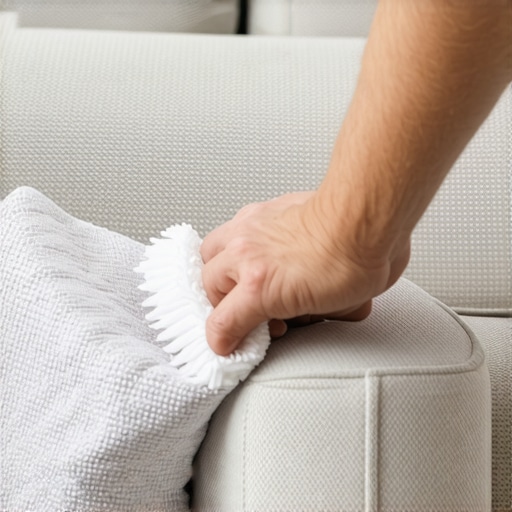
After cleaning, use a soft-bristled brush designed for upholstery to loosen the built-up grime and lift fibers. Think of this process as fluffing a pillow—restoring volume and softness. Brush in the direction of the fibers with light, consistent strokes. Then, dampen a clean cloth with plain warm water and gently wipe over the treated areas to remove soap residue. This rinsing step is crucial; residual soap can cause fibers to stiffen, creating that undesirable crunch again. Remember, never saturate the fabric, as too much water can lead to mold or fiber degradation.
Drying While Preserving Texture
For drying, allow your sofa to air dry in a well-ventilated room. Use a fan to accelerate the process, but keep it on a low setting to avoid disrupting the fibers. To speed up drying and prevent stiffening, you can also use a clean, dry microfiber cloth to blot moisture from the surface. Once dry, gently brush the fibers again to lift and restore their original soft texture. In my case, I once hurried the drying process with a hairdryer set on cool — but I learned that patience and gentle handling yield the best results. Regularly performing this routine will prevent the grit from reaccumulating, which is a common cause of stiffness. For ongoing maintenance tips, check out these upholstery cleaning tips.
Tackle Stubborn Stains Carefully
If your couch develops stubborn stains or persistent crunchiness, use a specialized microfiber upholstery cleaner. Apply a small amount to a cloth and test it on a hidden area first to ensure no discoloration occurs. Gently work the solution into the fibers without rubbing aggressively, which can roughen or flatten them. Once treated, follow the brushing and rinsing steps as described. Remember, labeling your fabrics and understanding their specific care requirements can save you from costly mistakes; consult the manufacturer’s guidelines or visit our contact page for personalized advice. Consistent, careful cleaning keeps your microfiber soft and free of grit, akin to maintaining a smooth surface on a wooden table — it requires regular care to stay pristine.
While many believe that a quick wipe-down suffices for a spotless home, this oversimplification often leads to overlooked dirt, lingering bacteria, and stubborn grime that can compromise health and presentation. One prevalent myth is that harsher cleaning agents guarantee cleanliness; in reality, they can damage surfaces and cause more harm than good. Experts emphasize using tailored, mild solutions—like those described in professional cleaning secrets—to achieve thorough sanitation without compromising material integrity. Additionally, many neglect the importance of deep cleaning at regular intervals, assuming routine surface wipeovers are enough. This mistake traps homeowners into a false sense of cleanliness, as studies show that bacteria can linger in hidden corners and porous surfaces, contributing to health risks.
Are You Overlooking the Nuances That Make or Break Your Cleaning Results?
Focusing only on visible dirt misses the much subtler aspects that influence overall hygiene and upkeep. For instance, areas like grout lines, under appliances, or behind furniture accumulate grime and bacteria, which standard cleaning routines seldom address properly. Incorporating targeted strategies, such as detailed cleaning of these often-neglected spots, can significantly improve results. External experts advise that understanding the specific needs of your household surfaces and employing specialized cleaning techniques is vital; explore sanitizing hacks for house transitions for insights. Moreover, a common mistake is neglecting the importance of proper drying and ventilation post-cleaning, which can trap moisture and promote mold growth—an advanced error to avoid by ensuring thorough drying and airflow. This nuanced approach requires attention and knowledge but pays off with a cleaner, healthier home.
Steering Clear of the Common Pitfalls
Adopting a simplistic view of cleaning as a chore to be rushed through can lead to inadequate sanitation and repeated issues. For example, using the same cloth across different surfaces without sanitizing it spreads germs rather than eliminating them. Remember, each surface type may demand specific cleaning methods; microfiber upholstery benefits from gentle, fabric-appropriate solutions, as highlighted in upholstery cleaning tips. Similarly, moving out requires meticulous attention to detail—failing to clean hidden grime spots like those in hidden move-out spots—could jeopardize your security deposit. An overlooked aspect is sanitizing objects that seem insignificant but harbor bacteria, such as light switches or kitchen counters, demanding advanced, targeted cleaning strategies. Achieving a truly clean, sanitized environment calls for understanding these nuances and applying expert knowledge systematically. Reach out via contact us for personalized advice on elevating your cleaning routine. Are you falling into these traps? Share your experiences in the comments and start transforming your cleaning habits today.
Keep Your Home Running Smoothly with the Right Equipment
Investing in quality tools is vital to maintain cleanliness and hygiene over time. Personally, I rely on a high-powered cordless vacuum, like the Dyson V11, because it offers portability coupled with impressive suction, making quick clean-ups effortless and preventing dirt from settling into fibers or crevices. For upholstery, a handheld steam cleaner—such as the Dupray One Plus—has become indispensable. It disinfects without chemicals and restores fabric softness, aligning with my goal of eco-friendly routines. To stay ahead, I also utilize a microfiber restoration brush, which gently lifts fibers on furniture and prevents buildup that leads to crunchiness. Keep in mind, choosing the right tools isn’t just about brand names but understanding their specific benefits for your home’s surfaces and materials.
Additionally, maintaining a cleaning schedule with these tools ensures long-term results. For example, I set weekly reminders to run the steam cleaner over sofas and bedding, which keeps my furniture looking and feeling fresh. Remember, routine maintenance prevents the accumulation of grime, bacteria, and allergens, making deep cleans less taxing and more effective. As technology advances, expect smart cleaning gadgets—like app-enabled vacuums and AI-powered sensors—to revolutionize home upkeep in the coming years, further simplifying maintenance routines and boosting efficiency.
How do I keep my cleaning tools effective over time?
Regularly replacing filters, cleaning brushes, and checking for battery health in cordless devices prolong their lifespan and ensure optimal performance. Follow manufacturer guidelines and keep spare parts handy; this proactive approach minimizes downtime and reinforces your investment. For instance, cleaning your vacuum’s filters every three months prevents loss of suction and maintains air quality. Exploring advanced solutions, such as automated carpet extractors or UV sterilizers, can elevate your home care routine, making it more comprehensive and resilient.
If you want to optimize your maintenance process, consider incorporating expert techniques. According to professional cleaning secrets, using tools that are specifically designed for frequent use not only enhances cleanliness but also extends the lifespan of your furniture and surfaces. Try implementing a weekly vacuuming session with a HEPA-filtered device—this small step significantly reduces dust and allergens, contributing to healthier indoor air quality. Whether you’re tackling routine upkeep or preparing for move-out cleaning, having the right tools at your disposal makes all the difference in maintaining a pristine, long-lasting home environment.
What I Wish I Knew Before My First Couch Cleanup
One of the biggest surprises I encountered was realizing how easily improper cleaning techniques can cause lasting damage. Using harsh chemicals seemed like a quick fix, but it often left my microfiber stiff and unforgiving. It was a lightbulb moment that gentle solutions, paired with consistent care, are the real game-changers.
Secrets That Saved My Sofa from the Grit Grave
Regularly brushing fibers after cleaning prevented the gritty buildup from reasserting itself. I discovered that patience during drying phases, even if it took a bit longer, preserved the fabric’s softness. Investing in quality tools like a microfiber restoration brush made all the difference—it’s become my secret weapon against crunchiness.
Why Overlooking Hidden Spots Costs You More Than You Think
Deep cleaning isn’t just about surface messes. I learned to pay attention to often-neglected areas like seams, underneath cushions, and back-of-furniture spots. These hidden residues can turn your cozy sofa into a bacteria hotbed, impacting both comfort and health. Incorporating targeted cleaning strategies ensures a truly hygienic and plush experience.
Breaking Myths That Led to Recline in Couch Care
One myth I believed was that frequent, superficial wiping was enough. I later realized that true cleanliness demands periodic deep cleans and proper ventilation. Tailoring the cleaning schedule to my sofa’s specific material avoided stiffness and prolonged its lifespan. Expert tips, like those found here, have transformed my routine.
My Must-Have Tools for a Gentle Yet Effective Refresh
Using a handheld steam cleaner and a HEPA-filtered vacuum helped maintain hygiene without risking fabric damage. I trust brands like Dupray for their eco-friendly approach, and a microfiber restoration brush always saves my fibers from becoming stiff. Regularly checking my tools and replacing filters ensures my cleaning effectiveness stays top-notch, keeping my couch inviting and soft.
Embrace Your Power: Take Action Today
By understanding these personal lessons, you’re empowered to care for your microfiber furniture with confidence. Consistent, gentle attention not only restores softness but also prolongs the life of your beloved pieces. Don’t wait until crunchiness takes over—your comfort and health are worth the effort.
Have you ever overlooked a hidden spot during cleaning? Share your experiences below and let’s support each other in creating healthier, happier homes!
,