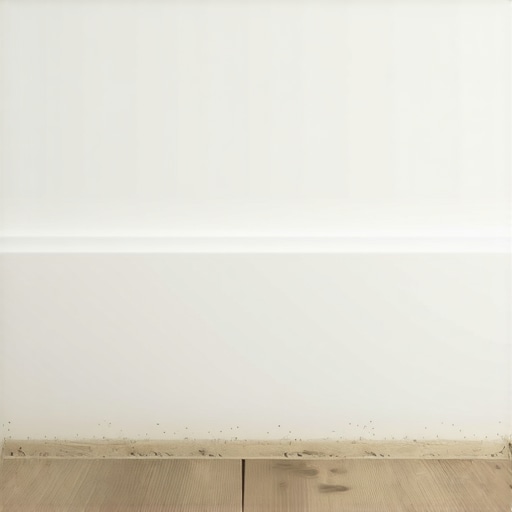
Last week, I found myself on my hands and knees, desperately trying to scrub stubborn grime from the gap between my baseboards and the wall. No matter how much I scrubbed, those sneaky gaps remained uncleaned, and I knew they’d be a red flag during the upcoming move-out inspection. It was a lightbulb moment: those tiny, overlooked gaps are more than just dirt traps—they can make or break your security deposit.
The Real Problem with Baseboard Gaps You Never Think About
As someone who’s been through the drill of moving out more times than I can count, I can tell you that the smallest details often cause the biggest headaches. Particularly, the gaps in your baseboards—those tiny crevices where dust, pet hair, and grime accumulate—are notorious for failing move-out inspections. Landlords and inspectors are now trained to look for these little trouble spots, and if they’re dirty, you’d better believe it could cost you your deposit.
In fact, recent studies reveal that pests, mold, and allergens often thrive in these neglected spaces, leading to health concerns and inspection failures. The good news? With the right approach, you can nip this problem in the bud before the inspector even steps in. I’m here to share proven strategies—based on my own missteps and successes—to help you tackle these grime-ridden gaps once and for all.
Is Cleaning Baseboard Gaps Really Worth the Hassle?
At first, I thought ignoring these tiny gaps was no big deal. I’d just give the floors a quick sweep, wipe down the surfaces, and call it a day. However, I made the mistake early on of overlooking these areas, only to be met with a disappointing inspection result and a deduction from my deposit. Trust me, the effort required to clean these gaps is minimal compared to the cost of leaving them dirty. Plus, some simple tactics can make the whole process faster and more effective, saving you stress and cash at the end.
If you’re wondering whether those neglected baseboard corners matter, I can assure you—they do. Now, let’s dive into why these tiny gaps are so problematic and what you can do to make sure they don’t cause your next move-out blues. Ready to take control of your cleaning routine and pass that inspection with flying colors?
Why Small Gaps Can Cause Big Problems During Move-Out Inspections
Small gaps may seem insignificant but they often harbor the most stubborn dirt, pet hair, and even pests. Inspectors are now trained to spot these trouble spots, and overlooking them can lead to a failed inspection and lost deposit. According to an industry report, overlooked cleaning details like baseboard gaps are among the top reasons tenants lose their security deposits. Understanding the importance of these tiny spaces can motivate you to give them the attention they deserve. If you’ve ever faced the frustration of cleaning thoroughly only to be told your baseboards failed the check, you’re not alone. It’s a common issue, but one that can be easily fixed with the right knowledge and tools. Want to make sure you ace your next move-out inspection? Stay tuned, because I’m about to share my best tips and tricks—based on my own mishaps—that will help you get your home spotless and inspection-ready.
Gather Your Tools and Prepare Your Space
Before diving into the cleaning process, assemble all necessary tools: the narrow tip vacuum attachment, microfiber cloths, a stiff-bristled brush, a utility knife, and a cleaning solution suitable for your baseboards. Clear the area around the baseboards to prevent debris from scattering, and wear gloves to protect your hands from dust and grime.
Vacuum the Gaps Carefully
Start by using the narrow tip attachment on your vacuum to remove loose dust, pet hair, and debris from the gaps. This preliminary step prevents dirt from smearing during wiping and makes subsequent cleaning more effective. For tight corners, use a small brush to loosen stubborn particles. I once spent extra time vacuuming a tricky corner in my living room, which made wiping down much easier later and prevented smearing dust onto freshly cleaned surfaces.
Apply Targeted Cleaning Solutions
Dampen a microfiber cloth with a mild cleaning solution or a mixture of water and a few drops of dish soap. Wring it out thoroughly to avoid excess moisture. Gently wipe along the length of each gap, following the natural contours. For stubborn grime, use a stiff-bristled brush dipped in your cleaning solution to scrub in small, targeted circles. I remember tackling a particularly grimy section in my hallway, which required some elbow grease but resulted in a noticeable difference afterward.
Use Precision Tools for Stubborn Spots
For areas with deep-seated dirt or hard-to-reach spots, employ a utility knife carefully to scrape off peeling paint or hardened grime—be gentle to avoid damaging the baseboard material. Alternatively, a small, pointed brush can reach into narrow crevices for detailed cleaning. In my experience, this manual detail work prevents the need for re-painting or repairs later, saving time and money.
Sanitize and Final Touches
Once the grime is removed, lightly spray a disinfectant or use a disinfectant wipe on a cloth to sanitize the gaps, especially in homes with pets or allergies. Finish by wiping down the entire baseboard with a clean, dry microfiber cloth to remove any remaining residue. I found that a final wipe with a dry cloth gives a polished, dust-free appearance and helps prevent future buildup.
Tips for Speeding Up Spotless Results
Work in sections, focusing on one wall or area at a time to stay organized. Using a narrow vacuum attachment and precise scrapers will cut down cleaning time significantly. As you’ll see in the detailed cleaning strategies, consistent maintenance prevents dirt from accumulating in these tiny gaps, avoiding labor-intensive scrubbing in future move-outs. For a comprehensive cleaning plan that covers all overlooked spots, check out this guide on move-out cleaning strategies to secure your deposit.
Protect Your Investment with Regular Upkeep
Regular cleaning of baseboard gaps not only makes move-out easier but also preserves the integrity of your home. Incorporate this task into your routine, and you’ll face fewer surprises during inspections. For more expert tips on house cleaning secrets, explore effective house cleaning secrets from cleaning experts.
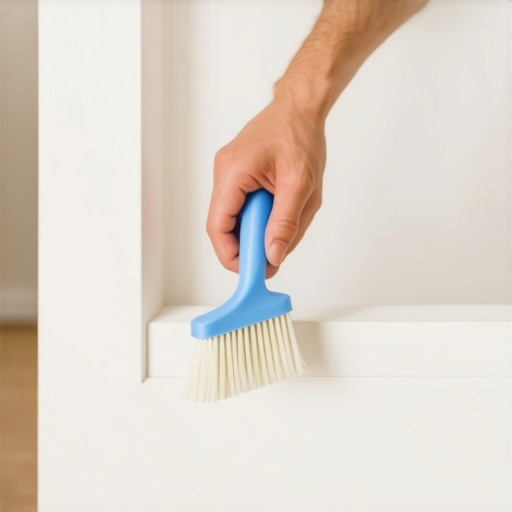 Many tenants operate under the misconception that a simple surface wipe suffices for move-out cleaning, but this oversimplification can lead to costly mistakes. In reality, most people underestimate the importance of thorough sanitization and attention to detail, believing that quick fixes will get them through inspection. Let’s dig deeper into why this belief is flawed and how it can backfire at the last minute, especially when landlords are becoming more discerning with their inspections. An overlooked nuance is that visible cleanliness doesn’t always equate to sanitary or thorough; unseen spots like deep upholstery fibers or hidden vents often harbor grime that can trigger inspection failures. Experts emphasize that comprehensive cleaning includes sanitizing high-touch surfaces, deep upholstery treatment, and meticulous attention to often-missed spots like HVAC vents or behind appliances. For example, neglecting upholstery can allow dust mites, pet dander, and allergens to accumulate, which can be flagged during a detailed inspection, potentially costing you your deposit. This mistaken belief leads many tenants to skip professional-grade cleaning or overlook critical areas that require specialized tools or solutions. In fact, studies show that overlooked dust traps in vents or upholstery are among the prominent reasons inspections fail, costing tenants hundreds of dollars in deposits. So, instead of superficial cleaning, focus on targeted, expert-approved strategies—such as deep upholstery cleaning and sanitizing high-use areas—to ensure full compliance. For advanced move-out preparation, consider consulting detailed guides or contacting professional services like ours to avoid these common pitfalls. Remember, a clean home isn’t just about appearance—it’s about thoroughly eradicating hidden dirt and bacteria that could ruin your move-out experience. Want to ensure you’re not falling for these myths? Check out our [effective house cleaning secrets from cleaning experts](https://spotlesscarpetz.com/effective-house-cleaning-secrets-from-cleaning-experts) to learn more. Have you ever fallen into this trap? Let me know in the comments.
Keep Your Home Running Smoothly with Proven Tools
Maintaining a pristine and functional home, especially when preparing for move-out inspections, requires reliable equipment and efficient methods. Over the years, I’ve honed my toolkit, selecting only the best tools designed for precision, durability, and ease of use. These investments save time, reduce frustration, and ensure long-term results that uphold your home’s value. For instance, my go-to vacuum accessory is the narrow tip vacuum attachment because it allows me to reach into the tiniest gaps, such as baseboard corners or ventilation ducts, with minimal effort. Unlike generic vacuum heads, this specialized tool prevents dirt from scattering and ensures thorough cleaning, which is critical for areas inspectors are most scrutinizing. Similarly, a microfiber multi-surface cloth isn’t just a cleaning cliché; it’s my secret weapon for dislodging dust, grime, and bacteria without damaging surfaces. Its electrostatic properties trap debris effectively, making wiping faster and more efficient. When tackling stubborn grime, I rely on a stiff-bristled brush. But not just any wire brush—specifically one with synthetic bristles that won’t scratch delicate paint or baseboard finishes. This ensures tough spots are cleaned in no time, maintaining the integrity of your surfaces over repeated use. For more intensive cleaning, I employ a portable steam cleaner. Steaming has become increasingly popular, as it kills germs and allergens without harsh chemicals. Its versatility—from upholstery to tile grout—makes it indispensable. Investing in a model with adjustable steam levels allows me to target sensitive fabrics when cleaning upholstery like my recliner or kitchen curtains, ensuring thorough sanitization without damage.
Future Trends in Home Maintenance Tools
As technology advances, I predict an increased integration of smart cleaning devices. Robot vacuums are becoming smarter, capable of mapping your home and avoiding obstacles, while app-controlled steam mops optimize your cleaning schedule remotely. Expect these tools to become more affordable, with added features like automated gap-cleaning modules or AI-driven dirt detection that prioritize turbo-boosted cleaning in problem areas. Staying ahead involves not only adopting new gadgets but also maintaining standard tools in top condition, which leads to my next point.
How do I maintain my cleaning arsenal over time?
Regular upkeep of your tools ensures optimal performance and longevity. For vacuum attachments and brushes, I routinely remove hair and debris, washing washable components with warm soapy water and inspecting for wear. Microfiber cloths should be machine-washed after each use and replaced periodically—dirt and oils cling onto fabrics, diminishing their effectiveness. Steam cleaners benefit from descaling every few months, especially if you’re hard water where mineral buildup can impair steam output. Using manufacturer-recommended descaling solutions or vinegar-based mixtures prolongs lifespan and maintains consistent steam pressure. Adopting these habits preserves your investment and guarantees that your tools will serve you well during critical cleaning sessions, such as preparing for a move-out inspection. To dive deeper into upholstery-specific tools and techniques, explore our upholstery cleaning tips for a fresh home revival. Remember, tackling tricky spots with a precision scraper or a specialized upholstery brush can make a significant difference—try incorporating this tip during your next deep clean for noticeable improvements. As Robert Krantz, a renowned cleaning expert, emphasizes, “Consistent maintenance and quality tools are the backbone of effective home cleaning routines.” Don’t hesitate to reach out via contact us if you’re ready to upgrade your toolkit or need tailored advice for your cleaning projects.
Lessons That Changed My Approach to Move-Out Cleaning
- Realized that neglecting small details like baseboard gaps can cost more than just time—your security deposit might be on the line. That lightbulb moment pushed me to develop meticulous routines that focus on overlooked spots.
- Discovered that thorough vacuuming of tiny cracks prevents smearings and makes wiping much more effective later. Investing in the right tools, like narrow tip attachments, made all the difference in efficiently tackling stubborn grime.
- Understood that a quick surface wipe isn’t enough; sanitizing and detailed scrubbing of high-risk areas like vents and upholstery are vital for passing inspections and ensuring a healthy living space.
- Learned that routine maintenance of cleaning tools, such as descaling steam cleaners and washing microfiber cloths, prolongs their effectiveness, saving money and time in the long run.
- Realized that staying ahead with updated tools—like smart vacuums and precision scrapers—can simplify complex cleaning jobs, especially in hard-to-reach corners that landlords are trained to scrutinize.
Tools and Resources That Made a Difference
- Narrow tip vacuum attachments: Essential for reaching into tight cracks and ensuring no dust or pet hair is left behind, making inspections smoother.
- Microfiber multi-surface cloths: My go-to for quick, effective wiping that traps dust without leaving streaks, critical after vacuuming out corners.
- Stiff-bristled brushes: Perfect for stubborn grime in baseboard crevices. Paired with the right cleaning solution, they make deep cleaning effortless.
- Descaling solutions or vinegar-based cleaners: Keep steam cleaners performing at their best, ensuring germ-free, sanitized surfaces every time.
Your Move-Out Adventure Starts Now
Armed with these insights and tools, you’re well on your way to transforming your home into an inspection-ready space. Remember, the small details make a big difference—step by step, you’ll master move-out cleaning with confidence. This journey isn’t just about passing inspections; it’s about taking pride in your space and ensuring a smooth transition to your next chapter. Keep learning, stay organized, and don’t hesitate to reach out for expert tips—your perfect deposit return awaits!
Have you ever overlooked a small cleaning detail that turned into a costly mistake? Share your story below and let’s learn from each other!
,