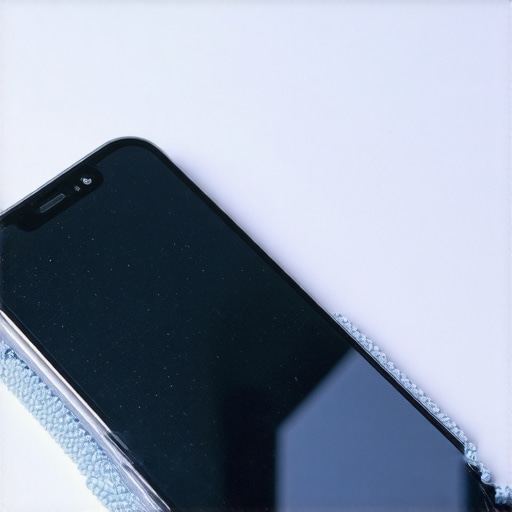
Have you ever spent hours meticulously cleaning your micro-fiber furniture or upholstery only to step back and be greeted by stubborn water streaks glaring right back at you? I remember the first time I tried to refresh my favorite microfiber sofa after a little spill. Instead of a pristine finish, I ended up with unsightly streaks that seemed to shout, “I didn’t do it right!” Frustrating, isn’t it?
Why Water Streaks on Micro-Fiber Can Be a Real Nuisance
Micro-fiber fabrics are a favorite among homeowners and decorators alike because of their softness and durability. But cleaning them properly can be tricky—especially when water leaves behind marks that are almost impossible to remove with regular wiping. Trust me, I’ve been there, and I learned the hard way that using water without the right technique often makes things worse.
The tricky part? Water can seep into fibers and then evaporate unevenly, leading to those pesky streaks. These streaks not only ruin the appearance but can sometimes even embed dirt deeper into the fabric, making your cleaning efforts counterproductive. According to experts at Cleaning Experts, improper cleaning methods can turn a simple refresh into a disaster.
Luckily, I’ve discovered a few foolproof methods that keep my micro-fiber looking fresh and streak-free—without relying heavily on water. Curious? Let’s get into some simple yet effective strategies that I swear by, and trust me, they’ll save you time, effort, and your sanity.
Clear the Mistakes and Save Your Micro-Fiber
Before diving into the techniques, I want to share a mistake I made early on—believe me, it’s a common one. I thought that damp cloths and an armful of elbow grease would do the trick. Spoiler: It doesn’t. Instead, it leads to streaks, shrinking fabric, or worse, lingering dirt. The key is knowing the right approach from the start. Want to learn more about common pitfalls and best practices? Check out these expert sanitizing tips.
Ready to dive into a handful of proven methods that will transform your cleaning routine? Let’s go through them step by step. But first—have you faced the frustration of water streaks on your micro-fiber? If yes, you’re in good company. Now, let’s get you set up with solutions that actually work.
Prepping Your Workspace for Optimal Results
Begin by removing loose debris with a vacuum or dry microfiber cloth. This prevents dirt from settling deeper during cleaning. I once attempted to clean my microfiber sofa right after a spill without this step, which just spread the stain and worsened streaks.
Selecting the Right Tools and Solutions
Use a slightly damp microfiber cloth—never soaking wet—as excess water can lead to streaks. For stubborn stains, a dedicated upholstery cleaner or a mixture of water with a few drops of mild dish soap can be effective. Avoid harsh chemicals that may damage fibers or cause discoloration. Remember, gentle is always better.
Applying Technique: Dry Wiping and Dotting
Instead of rubbing in circles, apply light, linear strokes in the direction of the fabric weave to lift dirt and remove water marks. During my own cleaning, I adopted the ‘dot-and-drag’ method: pressing lightly to pick up dirt and immediately wiping in the direction of fiber grain. This minimizes streaks and maintains fabric integrity.
Managing Water and Vapor Control
Humidity affects evaporation, which in turn influences streak formation. Ensure the room is well-ventilated; opening a window helps. I once closed all windows, leading to uneven evaporation and more streaks. Moving the furniture to a well-ventilated area and avoiding direct sunlight speeds up drying and helps prevent water marks.
Additional Techniques for Deepening the Clean
Consider using a microfiber sponge dampened with distilled water for targeted spot cleaning. For large surfaces, use a microfiber mop with a controlled spray of cleaning solution, then wipe in a single direction. This approach reduces water exposure and minimizes residual marks. Learn more about upholstery sanitizing methods to keep your fabric fresh without streaking.
Finishing Touches for a Perfect Look
Once cleaned, lightly buff the surface with a dry microfiber cloth to remove any remaining moisture and promote even drying. I find that a gentle polish with a clean, dry cloth enhances the fabric’s appearance and prevents streaks. Always test any method in an inconspicuous area first to avoid unintended damage.
Remember, patience and gentle techniques are your best allies. Rushing or over-wetting can undo all your efforts. By controlling water application, employing proper strokes, and ensuring good airflow, you’ll achieve that crisp, streak-free microfiber finish that looks professionally cleaned every time.
Many homeowners approach house cleaning with good intentions, yet even seasoned cleaners often fall prey to subtle myths and overlooked nuances that compromise results. As an expert in cleaning techniques, I can tell you that understanding these pitfalls is crucial for truly effective sanitation and maintenance. Let’s explore some of the most common misconceptions that can trip you up and how to avoid costly mistakes.
Is Scrubbing Always Better? The Overlooked Power of Gentle Cleaning
Contrary to popular belief, aggressive scrubbing doesn’t guarantee a cleaner surface—in fact, it often damages delicate fabrics and finishes, leading to more harm than good. Gentle, methodical cleaning has been backed by studies from the Cleaning Experts as more effective for preserving material integrity while removing dirt and germs. Over-scrubbing can also push dirt deeper into fibers, making cleaning efforts futile. So, next time, opt for a light touch combined with proper solutions to maximize results without risking damage.
Beware of the misconception that harsher chemicals clean better. Instead, choose mild, pH-balanced solutions that are safe for your surfaces and environment, reducing the risk of chemical residues that could be harmful or diminish upholstery lifespan.
Avoid the Water Streak Trick: It’s Not About Using Less Water, But About Using It Right
Many believe that avoiding water altogether is the best way to prevent streaks on upholstery. However, in my experience, the key lies in controlling water quality and application technique. Using distilled water or ensuring your cloth is barely damp, along with proper wiping motions, prevents water marks and uneven evaporation. Also, adequate ventilation accelerates drying, reducing the chance of streak formation—especially important for micro-fiber furniture. For a comprehensive dive into sanitizing homes safely and effectively, check out these sanitizing hacks.
If you’re still unsure, consider the trap of over-relying on harsh chemicals or excessive water, which can leave residues or lead to long drying times. Instead, focus on precise application and gentle techniques to keep fabrics pristine and streak-free.
Are You Overlooking Key Spots During Deep Clean?
It’s a common mistake to think that surface cleaning is enough, but experts have identified critical hidden zones that often harbor germs and dirt—such as behind appliances, inside vents, or under furniture. These overlooked spots can sabotage your efforts and even pose health risks. For example, neglecting areas like hidden germ zones can undermine your sanitizing goals. A thorough, methodical approach that includes targeting these often-forgotten areas ensures a truly clean and safe environment.
Don’t let the misconception that quick surface wipes suffice lead you astray. Dive deeper by incorporating specialized tools or techniques—like micro-scrubbing or using disinfectants where appropriate—to achieve comprehensive cleanliness.
Understanding these nuanced aspects of house cleaning can make a significant difference in your results. Think twice before falling for common myths, and remember that patience, proper technique, and attention to detail are your best allies. Ready to upgrade your cleaning game? Explore more expert tips at effective cleaning secrets and avoid costly mistakes. Do you have your own cleaning myths to debunk? Share your experiences in the comments—let’s learn together!
Keep It Working with the Right Tools
Achieving a pristine, streak-free clean isn’t just about technique—having the right tools makes all the difference. From professional-grade equipment to smart cleaning solutions, investing wisely can save you both time and effort in the long run.
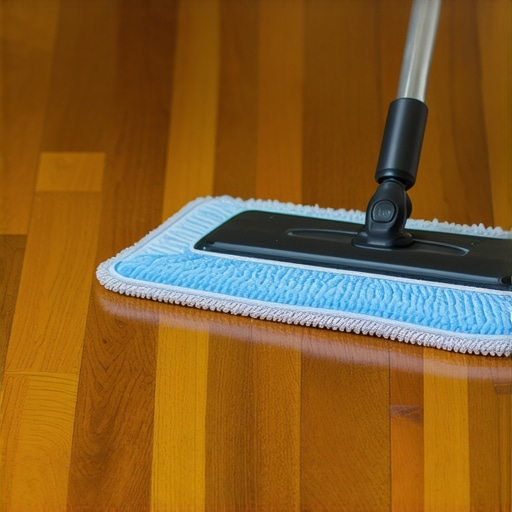
One tool I personally swear by is a high-quality microfiber mop with a controlled spray system. It allows me to apply a precise amount of cleaning solution without excess moisture, effectively minimizing streaks and deep cleaning surfaces. I prefer models with adjustable rotation heads that reach into corners and under furniture seamlessly, saving me from tedious manual scrubbing.
For upholstery, the steam UV sanitizers have become indispensable. They provide chemical-free sterilization, and the combined steam and UV light penetrate deep into fabrics, eliminating germs and odors without risking fabric damage. Proper disinfection tools like these are increasingly essential as hygiene standards rise.
In addition, LED handheld UV flashlights help identify hidden dirt or mold in hard-to-see areas, ensuring every nook and cranny gets attention. Using such targeted inspection tools prevents overlooked spots that could compromise your sanitation efforts, especially during move-out cleans or long-term maintenance.
For managing routine sanitation, I recommend a smart cleaning app synced with your devices that schedules reminders for filter replacements, deep cleans, and tool maintenance. Staying consistent with equipment care extends their lifespan and ensures peak performance, which is crucial for long-term results.
Looking ahead, the trend leans toward eco-friendly, AI-powered cleaning gadgets that analyze surfaces and recommend optimal cleaning methods in real-time. As technology evolves, integrating these smart solutions can lead to a more efficient and sustainable cleaning routine, reducing waste and chemical use.
How do I maintain my cleaning arsenal over time?
Regularly inspect your tools for wear and tear—replace worn-out microfiber cloths, sharpen vacuum filters, and recalibrate electronic devices as needed. Clean your tools after every use, using manufacturer-recommended solutions, to prevent bacterial buildup and maintain their effectiveness. Keeping your equipment in prime condition ensures that your cleaning results stay consistently professional-looking, saving you the hassle of redoing jobs.
One advanced tip: try integrating a professional-grade carpet extractor into your routine. Not only does it remove embedded dirt more thoroughly than regular vacuuming, but it also prolongs the lifespan of your carpets and furniture. For detailed guidance, check out expert cleaning secrets.
In the end, choosing the right tools tailored to your specific needs maximizes efficiency and results. Whether you’re preparing for a move-out or maintaining a spotless home, investing in quality equipment ensures that your cleaning efforts pay off long-term.
Lessons I Wish I Learned Sooner About Micro-Fiber Care
- Patience beats speed—rushing cleaning often results in streaks and missed spots. Embracing a slow, deliberate approach ensures better results and preserves fabric integrity.
- Water quality matters. Using distilled water rather than tap water can prevent mineral deposits that contribute to streaking and residues.
- Less is more when it comes to solutions. A mild mixture of water and dish soap is often enough—overdoing it can lead to longer drying times and streaks.
- Technique trumps chemicals. Applying gentle, directional strokes in the weave’s direction minimizes water marks and fabric distortion.
- Ventilation isn’t optional. Proper airflow speeds up drying, significantly reducing streaks and water spots on micro-fiber surfaces.
Tools and Resources That Transformed My Approach
- Microfiber Sponge with Controlled Dampening: This tool allows precise application without over-saturating, ensuring streak-free results and longevity of your fabric.
- Steam UV Upholstery Sanitizer: For chemical-free sanitizing that deep cleans and refreshes without risking damage, I find this device indispensable.
- High-Quality Microfiber Cloths: Investing in durable, soft cloths that can be washed repeatedly has improved my efficiency and cleaning outcomes.
- Expert Guides on Upholstery Care: Books like Effective House Cleaning Secrets provide insights that go beyond basics and help prevent common mistakes.
Your Next Big Step in Micro-Fiber Mastery
Don’t let fear or uncertainty hold you back from achieving spotless, streak-free upholstery. With the right techniques, tools, and mindset, you can turn cleaning into a satisfying ritual that revitalizes your space and maintains your furniture’s beauty. Remember, the key is consistency and gentle care—every small effort compounds over time, leading to stunning results.
Have you ever struggled with stubborn streaks or misunderstood the best way to clean microfiber? Share your experiences below, and let’s learn from each other’s triumphs and trials!