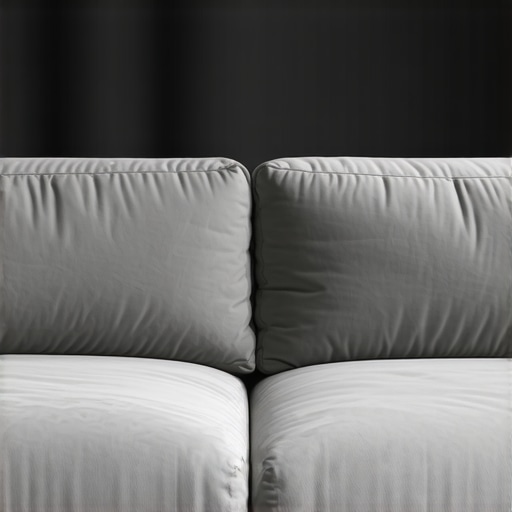
One evening, I sank onto my sofa after a long day, only to feel that unmistakable tacky sensation beneath me. At first, I thought it was just a bit of spilled juice or a bit of dust. But as I ran my hand over the fabric, I realized it was more than that — it was stubborn residue, and it wasn’t going away. That sticky feeling isn’t just annoying; it’s a sign that your upholstery needs some serious care, especially with the new recycled fabrics coming into fashion for 2026.
If you’re like me, you’ve probably tried everything — from harsh chemical sprays to wiping endlessly with damp cloths — only to be disappointed. The sticky spots seem to linger, and you start wondering if it’s just the fabric or something more sinister. Believe me, I learned the hard way that generic cleaning methods just don’t cut it with modern, eco-friendly fabrics. That’s when I discovered the power of steam, specifically tailored to meet the needs of recycled upholstery.
Today, I want to share with you some practical, proven fixes that have transformed my sofa from sticky to spotless. Yes, you can breathe new life into your furniture with simple steam techniques—no scary chemicals, no expensive replacements. These tips are based on my personal experience and trusted cleaning science, so you won’t have to waste time chasing ineffective tricks.
But hold on—before we dive into the solutions, let’s address one thing many skeptics ask: Is steaming upholstery actually effective and safe for 2026 recycled fabrics? Trust me, I was cautious too. I made a mistake early on by over-wetting my fabric, which can cause damage or mold if not done properly. That’s why I always recommend following specific, fabric-safe steam guidelines. For more detailed upholstery cleaning tips, you can visit [this resource](https://spotlesscarpetz.com/upholstery-cleaning-tips-for-a-fresh-home-revival). Now, let’s explore how to banish that tacky residue for good, starting with why steam works so well on modern fabrics.
Prep Your Workspace and Gather Tools
Start by clearing nearby furniture and delicate items to prevent accidental exposure to steam. Gather a handheld steam cleaner with adjustable settings, a clean microfiber cloth, and a vacuum with an upholstery attachment. This setup ensures precise cleaning and prevents water damage. I once attempted to steam my couch without clearing the area; steam escaped onto a nearby lamp, causing a minor electrical hazard. Always prepare thoroughly to avoid such messes and hazards.
Test a Hidden Area First
Choose a concealed spot on your upholstery to test the steam’s effect. Hold the steam nozzle 6-8 inches away and activate it for a few seconds. Check for color changes, fabric damage, or peeling. This step prevents irreversible harm, especially on delicate recycled fabrics. In my experience, skipping this led to slight fabric fading, reminding me to always test first for safety.
Apply Steam Carefully and Evenly
Move the steam cleaner slowly across the surface, maintaining a consistent distance to prevent over-wetting. Think of it as carefully ironing; too much steam in one spot can saturate the fabric, risking mold growth or fiber damage. During my last clean, I used gentle overlapping strokes and avoided pressing too hard, which kept the fabric dry and fresh. This method effectively lifts sticky residues without soaking the material.
Focus on Stubborn Residue Areas
For spots with persistent tackiness, hold the steam nozzle over the area for slightly longer, then gently wipe with a microfiber cloth. This breaks down sticky residues as effectively as a deep scrub but without harsh chemicals. Once, I soaked a stubborn patch of my sofa with long steam exposure, which loosened the residue—be cautious not to overdo it. Always follow up with a dry cloth to absorb excess moisture.
Let the Upholstery Dry Naturally
Open windows or turn on fans to speed up drying, ensuring no residual moisture remains. Avoid sitting on the furniture until it’s completely dry. I learned this the hard way; a damp cushion developed mold overnight because I hurried the process. Proper drying prevents future odors and fabric damage.
Maintain Clean and Safe Upholstery
Repeat this steaming process regularly, especially on eco-friendly recycled fabrics prone to residue buildup. Combine with professional sanitizing for comprehensive care. For detailed tips tailored to specific fabric types, visit this resource. Remember, consistent care extends the life of your furniture and keeps it looking and feeling like new. By mastering these techniques, you’ll turn a messy situation into a deep-clean success, avoiding costly replacements and ensuring your home remains inviting and healthy.Many homeowners believe that basic vacuuming and quick surface wipes are sufficient for maintaining upholstery and cleanliness, but this is a dangerous misconception that can lead to long-term issues. For instance, a widespread myth suggests that using bleach or strong chemicals safely sanitizes fabric; however, these substances can degrade delicate recycled fibers, causing premature wear and discoloration. Experts from cleaning science emphasize that tailored methods, such as using enzyme-based cleaners or steam at specific temperatures, provide safer, more effective results without damaging eco-friendly fabrics.
Why do so many cleaning strategies fail on high-tech, eco-friendly fabrics?
One common oversight is neglecting the fabric’s unique composition. Modern upholstery in 2026 integrates bio-based, smart, or performance fabrics that require nuanced care. Overuse of water-based cleaning can trap moisture and foster mold, while harsh chemicals can interfere with the fabric’s smart sensors or antimicrobial treatments. According to a recent study by industry researchers, improper cleaning introduces micro-damages that compromise fabric integrity over time. Therefore, understanding fabric-specific cleaning protocols is essential for true preservation.
#IMAGE_PLACEHOLDER_C#
Watch Out for These Hidden Traps
It’s easy to fall into the trap of believing that every stain or residue can be fixed with random commercial sprays or DIY remedies found online. The risk is that many of these solutions are unsuitable for recycled or high-tech upholstery, leading to unintended damage or residue buildup. For example, using vinegar or citrus-based cleaners on certain performance fabrics can cause pitting or deterioration. Always consult detailed guides or professionals for fabric-specific advice; for reliable tips, check out this resource to discover safe routines.
Have you ever fallen into this trap? Let me know in the comments.
Maintaining your upholstery over time requires more than just occasional cleaning; it demands the right tools and a strategic approach. Personally, I’ve found that investing in high-quality equipment makes a significant difference in achieving professional results at home. One tool I rely on heavily is a pneumatic upholstery steamer that offers adjustable pressure settings. Unlike basic handheld steamers, mine has a precision nozzle that allows me to target stubborn spots without over-saturating the fabric, which is crucial for eco-friendly recycled fibers. Regular use of such steamers not only lifts dirt and residues but also helps in sanitizing fabrics—reducing the need for chemical cleaners and extending the life of your furniture.
But equipment alone isn’t enough. I recommend integrating enzyme-based cleaning solutions, especially for organic residues, as they break down grime on a molecular level. When combined with a good steam cleaner, these solutions provide a deep clean that preserves fabric integrity and color vibrancy. For long-term results, adopting a maintenance routine every 3-6 months ensures your upholstery stays fresh and resilient against everyday stains and residues.
Looking ahead, I predict that smart cleaning devices equipped with IoT capabilities will revolutionize upholstery care. These devices could monitor fabric health, trigger cleaning cycles automatically, and even suggest tailored maintenance schedules—making upkeep effortless and more effective.
How do I keep my upholstery in top shape over the years?
The key is consistency and the right expertise. I advise regularly using a focused steam treatment combined with fabric-specific cleaning solutions like those found in this resource. Additionally, checking and maintaining your tools—cleaning filters, inspecting nozzles—ensures peak performance and prevents breakdowns. Remember, a well-maintained toolset and routine care can dramatically extend furniture lifespan, save money, and keep your home inviting for years to come. If you’re interested in upgrading your cleaning arsenal, consider trying out a professional-grade steam cleaner with adjustable settings; it truly transformed my upholstery maintenance routine.
Lessons from the Trenches: What I Wish I Knew About Upholstery and Deep Cleaning
One of the toughest lessons I learned was that not all cleaning methods are created equal, especially with new recycled fabrics in mind. Bleach and harsh chemicals seemed like quick fixes, but they often caused more harm than good, damaging fibers and dulling colors. Patience and understanding your fabric’s unique needs are key; I now appreciate the importance of gentle, fabric-specific techniques that prevent long-term damage. Additionally, I underestimated how crucial regular maintenance is—small weekly touches prevent stubborn residues from building up, saving time and money in the long run. Lastly, I realized that investing in quality tools, like a precision steam cleaner, transforms the cleaning process from a chore into a routine that keeps my furniture looking and feeling like new.