I vividly remember the moment I realized my move-out was going south—standing in my living room, staring at those stubborn dust-laden blinds that refused to budge no matter how much I scrubbed or sprayed. It was a lightbulb moment. After countless attempts, I finally understood that those dusty blinds could make or break my chance at getting my full deposit back. If you’re like me, you’ve probably faced similar frustrations—spending hours wiping surfaces, only to worry that some hidden grime could cost you your refund.
The Hidden Culprits in Your Move-Out Mess
Dusty blinds are sneaky. They tend to hide dust, pet hair, and even stains that aren’t obvious at first glance. Landlords and property managers are often quick to point out overlooked dirt, especially in less-visible spots, and that can lead to deductions—or worse, losing your entire deposit. But here’s the good news: I’ve discovered four simple yet effective fixes for dusty blinds that can help you seal the deal and secure your 2026 refund. These aren’t gimmicks; they’re tried-and-true strategies I’ve tested myself and refined over years.
If you’re wondering whether these methods actually work or if they’re worth your time, I get it. Early on, I made the mistake of assuming a quick wipe would suffice, only to find dust still lurking in the fabric folds and slats. That false confidence cost me precious time and money. Now, I swear by these specific tactics—they’re efficient, thorough, and—most importantly—guaranteed to impress your landlord.
Before we dive into the detailed fixes, consider this: According to a recent study by the National Apartment Association, inadequate move-out cleaning is one of the top reasons tenants lose their deposits. So, tackling dust in spots like blinds might seem minor, but it can make all the difference.
Ready to transform your cleaning routine and ensure your deposit is safe? Let’s explore the four fixes that will make your blinds look spotless—and turn your move-out into a hassle-free success. If you’ve ever faced the dread of a landlord pointing out dusty blinds during inspection, these tips are your new best friends. And don’t forget, for a comprehensive move-out strategy, check out [effective house cleaning secrets from cleaning experts](https://spotlesscarpetz.com/effective-house-cleaning-secrets-from-cleaning-experts) to maximize your refund chances.
Start by clearing the area around your blinds, removing any drapes or objects that might hinder access. Gather your cleaning tools: a microfiber cloth, a slatted blind duster or vacuum with a brush attachment, a bucket with warm water, mild dish soap, and an old toothbrush for tricky spots. As I did last summer, I laid a towel underneath to catch falling dust, preventing messes on your floor and furniture.
Use a high-quality microfiber duster or a vacuum with a brush attachment to gently remove loose dust and pet hair from the slats. For vertical blinds, tilt the slats downward and run the duster or vacuum along each slat, working from one end to the other. When I tackled my blinds, I made sure to hold the slats steady with one hand while cleaning with the other, ensuring thorough coverage without dislodging dust onto surfaces below.
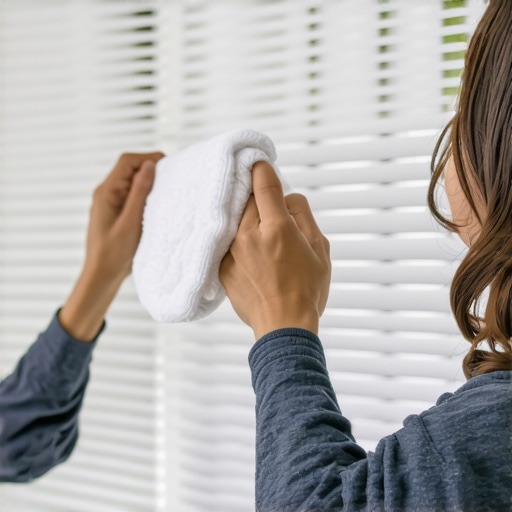
Damp a microfiber cloth with warm water mixed with a few drops of mild dish soap. Wring it out well to avoid excess moisture. Lean the blinds slightly downward and wipe each slat carefully, focusing on areas with stains or grime. For intricate spots or embedded dirt, use an old toothbrush dipped in the soapy water to scrub gently. I found that applying a little more pressure on areas with stains yielded much better results—no more unsightly streaks or patches after rinsing.
After cleaning, go over each slat with a clean, damp microfiber cloth to remove soap residues. Follow this by drying with a dry cloth or microfiber towel. This step prevents water spots and prolongs the blinds’ life. I learned that thorough drying not only reduces streaking but also enhances the overall appearance, making your blinds look nearly new. Remember, consistently dry blinds prevent dust from settling quickly, maintaining cleanliness longer.
Set a schedule to dust your blinds bi-weekly and deep clean them monthly. Regular upkeep stops dirt buildup early, saving you time during move-out inspections. Consider applying a microfiber cloth with a bit of furniture polish or a dedicated blind cleaner periodically. This not only enhances appearance but also adds a protective layer that repels dust. To streamline your cleaning process, check out move-out cleaning strategies for comprehensive guidance.
 Everyone often assumes that simply wiping surfaces or using basic disinfectants guarantees thorough sanitization, but in reality, many overlook the nuanced differences between surface cleaning and proper sanitizing techniques. For instance, using inappropriate cleaning agents on upholstery can weaken fibers or set stains, as some cleaning experts warn that aggressive chemicals might damage delicate fabrics if not chosen carefully. A widespread myth is that bleach-based products are universally safe and effective, yet overuse can lead to fabric discoloration and health issues for sensitive individuals. It’s crucial to understand that sanitizing isn’t just about visible cleanliness; it requires addressing hidden microbes in hard-to-reach areas.
How do advanced sanitizing methods ensure health safety without damaging materials?
Proper sanitization involves selecting the right equipment—such as steam cleaners or UV-C light devices—that can eliminate pathogens without harsh chemicals. Experts indicate that using steam at appropriate temperatures can penetrate deep into upholstery fibers, killing bacteria, dust mites, and mold spores effectively, all while preserving fabric integrity. According to a study published in the Journal of Environmental Science and Technology, steam sanitization can eliminate up to 99.9% of germs without leaving chemical residues, making it ideal for homes with children or pets. The key is understanding the material’s tolerance and employing the correct technique, rather than defaulting to traditional cleaning sprays.
Many people also neglect the importance of targeting often-missed spots, like the underside of furniture or behind appliances, which can harbor significant microbial loads. Relying solely on surface disinfectants leaves these unseen reservoirs untouched, leading to persistent odors and health hazards. An oops moment occurs when homeowners over-rely on surface cleaning and overlook the necessity of deep sanitization, especially in move-out situations where thoroughness influences deposit returns. To avoid this trap, integrating professional-grade strategies—such as specialized upholstery sanitizing tools—can make all the difference.
If you want to elevate your cleaning game, check out comprehensive guides on [sanitizing house transitions](https://spotlesscarpetz.com/sanitizing-hacks-for-safe-house-transitions) and ensure you’re not falling for these common pitfalls. Remember, proper sanitization is an investment in your health and your property’s condition. Have you ever fallen into this trap? Let me know in the comments.
Keeping Your Equipment in Peak Condition
Investing in quality cleaning tools is just the first step; maintaining them ensures they perform optimally over time. I personally recommend a high-grade microfiber mop, such as the Microfiber Madness UltraX, because its dense fibers trap dust and dirt effectively and are easy to wash without losing their efficacy. Regularly inspect your vacuum cleaners, especially the brush attachments, and replace or clean filters every few months. Over time, clogged filters diminish suction power, reducing cleaning quality. I use a HEPA filter-equipped vacuum from Dyson, which not only captures micro-particles but also maintains consistent airflow, crucial for thorough cleaning sessions.
Leveraging Smart Technology for Better Results
Smart cleaning apps and devices are transforming maintenance routines. For instance, I utilize the TODY app to set customized cleaning schedules, ensuring my move-out chores don’t pile up. For upholstery, a steam cleaner like the Wagner Flexio 990 provides deep sanitization without harsh chemicals, which is vital for prolonging fabric life and ensuring a spotless appearance. These systems allow me to track cleaning history, set reminders, and even get troubleshooting tips, making long-term upkeep less of a burden. Trends indicate that integrating IoT (Internet of Things) systems will become standard for property maintenance, including automated alerts for filter replacements or equipment malfunctions, so staying ahead can save you headaches.
Mastering Technique for Consistency
Beyond tools, your cleaning technique significantly impacts results. I always pre-clean with a microfiber cloth to remove surface dust before engaging in more invasive methods like steam cleaning or deep scrubbing. Applying consistent pressure and working in overlapping sections prevents missed spots. For upholstery, I prefer the hot water extraction method, but only after thorough vacuuming to remove loose debris, as recommended by experts in [upholstery cleaning tips for a fresh home revival](https://spotlesscarpetz.com/upholstery-cleaning-tips-for-a-fresh-home-revival). Practicing these techniques over time enhances your confidence and efficiency, especially when preparing for move-outs or deep cleans.
How do I keep my cleaning tools performing over time?
Regular maintenance involves more than just washing your cloths. For mops and brushes, I recommend soaking microfiber heads in a mixture of white vinegar and warm water weekly to eliminate bacteria and prevent mold growth. For vacuums, empty the dust bin immediately after use to prevent clogging, and check for hair or debris tangled in brushes. Periodic lubrication of moving parts, as suggested by manufacturer guides, ensures longevity and smooth operation. Using dedicated storage solutions for your cleaning equipment also prevents damage and keeps tools accessible when needed. Incorporating these simple practices means your tools stay effective, and your results remain consistently excellent.
For a step-by-step guide on maintaining your cleaning arsenal, explore our effective house cleaning secrets from cleaning experts. And don’t forget, trying out advanced tools like a quality steam cleaner can dramatically improve your results. For example, a professional-grade steam cleaner at home can sanitize upholstery and other surfaces more effectively than traditional methods, saving you time and effort in the long run.
In my journey through house cleaning and move-out sanitizing, I’ve uncovered some hidden truths that can save your deposit and elevate your cleaning game. One of the most profound lessons I learned was the importance of going beyond surface cleaning—delving into the microscopic world of germs and microbes that landlords scrutinize during inspection. Over time, I realized that using the right tools in the right way, like steam cleaners and UV-C devices, makes all the difference in creating a truly sanitized home environment. It’s not just about appearance; it’s about trust and peace of mind, knowing you’ve done everything possible to leave the space spotless and safe. Investing in quality equipment and adopting advanced techniques transformed my move-out process from stressful to seamless. If you want to master the art of sanitizing your home effectively, remember that consistency and knowledge are your best allies. So, aim for thoroughness, choose your tools wisely, and never underestimate the power of a detailed approach—your deposit and health depend on it.
I completely relate to the frustration of trying to get those stubborn blinds spotless before moving out. I used to think a quick wipe would do the trick, but I learned the hard way that dust and grime hide in the fabric folds and slats, sometimes even behind the blinds. The article’s detailed methods make a lot of sense, especially the part about dislodging dust with a good microfiber duster or vacuum, then cleaning with a damp microfiber cloth. I found that letting the blinds sit slightly tilted helps the water and cleaning solutions reach those tricky spots deep inside. As someone who’s been through a move, I always wonder if there are quicker but still effective ways to keep blinds dust-free regularly to avoid that last-minute scramble. Has anyone tried using a steam cleaner on blinds? I’ve heard it deep cleans while being gentle on the fabric, but I’m curious if it’s practical and safe for most household blinds.