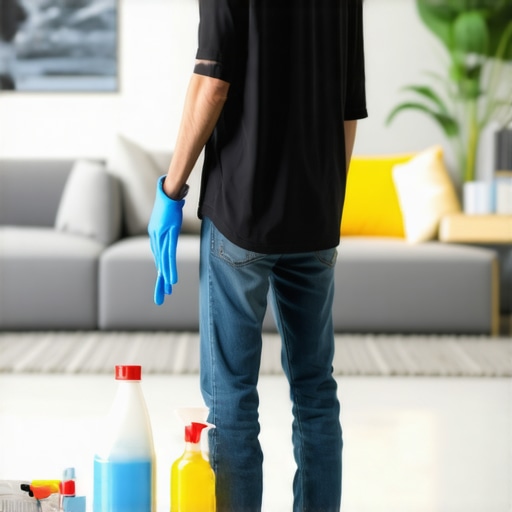
I vividly remember the moment I realized my move-out cleaning wasn’t enough to get my full deposit back. It was late on a Sunday, and I was staring helplessly at the stubborn stains on the carpet and the grimy grout in the bathroom. Despite hours of effort, my landlord’s inspection revealed more dirt and grime than I thought was possible. That lightbulb moment made me wonder—how many tenants are unknowingly sabotaging their chances of a full deposit refund because of overlooked sanitizing and cleaning mistakes?
Why Proper Move-Out Sanitizing Makes All the Difference
Here’s the truth: moving out is stressful enough without worrying if your landlord will find the tiniest blemish or germ hidden in your home. The key isn’t just about making things look presentable; it’s about thoroughly sanitizing every corner to ensure no residue or germs remain. With stricter rental inspections projected for 2026, understanding how to properly sanitize your space can save you time, money, and peace of mind. Having learned the hard way, I now routinely follow specific sanitizing fixes that guarantee reliable results—and so can you. Today, I’ll share the crucial steps that made my move-out process smoother and more successful.
Are You Wasting Time on Cleaning Myths That Don’t Work?
Early in my rental journey, I fell into the trap of trying quick fixes like bleach and generic sprays, thinking they would do the job. Turns out, misjudging what actually sanitizes and what simply masks dirt can be a costly mistake. According to cleaning experts, improper sanitizing can leave behind hidden germs and bacteria, potentially costing tenants their entire deposit (see this guide for effective strategies). My mistake was rushing through the process without understanding the importance of targeted sanitizing techniques. By adopting more proven fixes, I started achieving reliable results that satisfied both my standards and my landlord’s expectations. Keep reading, because those fixes are exactly what I’m going to share now—helping you avoid my past pitfalls and ensuring your move-out is flawless.
Prepare Your Supplies and Create a Checkoff System
Start by gathering all necessary cleaning tools: disinfectant sprays, microfiber cloths, scrub brushes, a vacuum, mop, and gloves. Organize them in a portable caddy to streamline your process. Establish a checklist categorizing each room and task, such as wiping surfaces or cleaning floors, to ensure nothing gets missed. I did this on my last move, and it transformed chaos into manageable steps, preventing me from overlooking critical areas.
Deep Clean Walls and Surfaces to Eradicate Dirt and Germs
Remove Dust and Cobwebs
Use a microfiber cloth or duster to eliminate dust from ceilings, corners, and top shelves. In my experience, neglecting high spots leaves visible dirt and accumulates grime. After dusting, wipe down walls with a damp cloth, focusing on marks or stains. This step isn’t just about appearance; it reduces germs lurking behind the scenes. Think of it as giving your walls a thorough wake-up call, preparing them for the sanitizing phase.
Sanitize Light Switches and Door Handles
Spray disinfectant on high-touch areas and wipe with a clean cloth. During my last move, I focused on these small but essential spots, realizing how much bacteria they harbor after reading this guide. These small efforts prevent germs from spreading to new occupants and show your attention to cleanliness.
Focus on Upholstery and Carpets
Upholstery can be hidden germ carriers, and carpets often trap dirt that vacuums miss. I once had a stubborn stain on my sofa that refused to come out, which prompted me to consult upholstery cleaning tips. I used a tested upholstery cleaner combined with a DIY solution—using white vinegar and baking soda—that effectively loosened stains. For carpets, a thorough vacuum isn’t enough. Rent or buy a steam cleaner for deep sanitization, especially for high-traffic areas. Regular maintenance keeps your upholstery fresh and germ-free, boosting your chances for a deposit return.
Clean Floors Methodically to Leave No Dirt Behind
Start with sweeping or vacuuming to remove loose debris. Then, mop or steam clean, focusing on corners and under furniture. I learned this in a practical session when I moved out—I moved furniture to access hidden spots, realizing dirt and stains hid beneath. Using a mop with a disinfectant solution like expert-approved cleaning secrets ensures floors are sanitized and shiny. This step is critical because floors are the first thing landlords assess for cleanliness.
Pay Attention to Kitchen and Bathroom Details
Kitchen counters, cabinets, and appliances require degreasing, while bathroom tiles and fixtures need descaling and disinfecting. I once overlooked a small, moldy grout line, which almost caused my deposit loss. Using a grout brush and a mix of baking soda and vinegar removes grime effectively. Don’t forget to clean the sink, toilet, and shower area meticulously—that’s where germs hide the most. For comprehensive insights, review move-out cleaning strategies. Document your cleaning process with photos to defend your efforts if needed.
When it comes to upholstery and move-out cleaning, many tenants and even professionals rely on a set of ingrained beliefs that may no longer hold true in modern, health-conscious homes. One widespread myth is that surface cleaning and quick disinfectant sprays are enough to eradicate all germs from upholstered furniture. In reality, as highlighted in expert strategies, deep cleaning involves targeted sanitization techniques that penetrate fabrics rather than just mask dirt on the surface. Ignoring these nuances can lead to hidden germs lurking in fabrics, jeopardizing health and risking deposit loss.
Why Do Some Cleaning Methods Fail for Upholstery?
Many assume that using bleach or basic sprays will sanitize upholstery effectively. However, these can damage delicate fabrics or only sanitize superficial layers, leaving unseen bacteria and dust mites intact. An advanced approach involves using specific upholstery sanitizers, as recommended in modern cleaning guidelines, to ensure comprehensive eradication of allergens and microbes. For detailed tips, check out these upholstery cleaning strategies.
Invest in Reliable Equipment for Long-Term Results
When it comes to maintaining a spotless home, having the right tools makes all the difference. I personally swear by a high-quality steam cleaner, like the Bissell ProHeat 2X Revolution. Its powerful steam penetration ensures deep sanitization of carpets and upholstery, effectively eliminating dust mites and bacteria without harsh chemicals. This tool has transformed my approach, allowing me to refresh fabrics quickly and confidently, especially when preparing for move-out inspections. According to modern cleaning experts, steam cleaning not only cleans but also sanitizes, making it essential for long-term fabric health.
Specialized Cleaning Solutions for Trusted Results
Generic sprays often mask dirt rather than eliminate germs. That’s why I rely on enzymatic upholstery cleaners like the Folex Instant Carpet Spot Remover combined with natural solutions such as white vinegar and baking soda for stubborn stains. These products are both effective and gentle, preserving fabric integrity over time. For large-scale sanitizing, I use a professional-grade disinfectant spray that meets EPA standards, ensuring comprehensive germ eradication, especially in high-touch areas.
Digital Tools to Streamline the Cleaning Process
Scheduling and checklists maintain my cleaning momentum. I recommend apps like Trello or Evernote to create detailed task boards, marking each completed step. Plus, smartphone cameras are invaluable for documenting your progress with timestamped photos—perfect for disputes or proof of effort. Remember, the key to long-term success lies in consistency, so set recurring reminders for routine maintenance like vacuuming upholstery or disinfecting surfaces.
How do I keep my cleaning tools in top shape?
Regular maintenance of your equipment extends its lifespan and guarantees optimal performance. For steam cleaners, rinse out tanks after each use, and replace filters annually. Clean your microfiber cloths thoroughly with hot water and a mild detergent to prevent bacterial buildup. Storing tools in a dedicated, dry space prevents damage and keeps your cleaning arsenal ready for every project.
Looking ahead, advancements in cleaning technology suggest a shift towards more eco-friendly, smart tools—like app-controlled steamers and AI-powered robotic vacuums. Embracing this future can save time and effort, making house upkeep more manageable. Don’t hesitate to try out a top-tier steam cleaner or integrate digital checklists—small investments today yield reliable results tomorrow. For more detailed insights, visit this guide on modern upholstery sanitation techniques and discover how to elevate your cleaning game.
What I Wish I Knew Before the Final Sweep
Early on, I underestimated the importance of thorough sanitizing, thinking surface cleaning alone would suffice. The harsh reality hit me when my landlord pointed out hidden bacteria behind furniture and stubborn stains on upholstery—reminding me that true sanitation goes beyond appearances. That lightbulb moment taught me to never cut corners on sanitization, especially in high-touch areas, emphasizing the need for targeted, proven techniques to ensure no germ is left behind.
Tools and Techniques That Transformed My Approach
Investing in a quality steam cleaner and learning professional-grade upholstery sanitizing methods changed the game for me. These tools, trusted by seasoned cleaners, help eliminate dust mites and bacteria without resorting to harsh chemicals, making the cleaning more effective and safer. My recommendation? Follow trusted expert strategies, such as those found here, to elevate your move-out cleaning routine and secure your deposit confidently.
Feeling Confident About Your Cleaning Power
Understanding which cleaning myths to discard and which methods truly work can empower you to take control. Remember, deep sanitization isn’t just about aesthetics; it’s about health, peace of mind, and ensuring the landlord’s expectations are exceeded. Embrace innovative tools like smart steamers and digital checklists, proven to streamline your process and guarantee thoroughness. The future of upholstery and home sanitizing lies in combining DIY effort with expert insights—so why not start today?
Insider Wisdom from My Moving Battles
- I learned that neglecting high-touch spots like door handles and light switches can cost a deposit—even if everything else looks spotless.
- Over-relying on surface sprays without leveraging deep cleaning solutions can leave germs lurking unseen—deep cleaning makes all the difference.
- A systematic, checklist-driven approach saves time, reduces stress, and ensures no area gets overlooked in the final hours.
- Using trusted resources like these proven strategies has helped me avoid costly mistakes and secure my deposit every time.
Your Next Step Starts Here
Taking control of your move-out cleaning with effective, modern sanitizing techniques transforms a daunting task into an empowering achievement. Whether you’re tackling upholstery, carpets, or kitchen fixtures, remember that thoroughness pays off. Equip yourself with reliable tools, adopt expert tips, and approach each space with confidence—your full deposit reward is within reach. Now, what’s the first area you plan to clean differently next time? Share your thoughts below and let’s learn together!
Reading through this detailed guide really resonated with my own move-out experience last year. I used to think a quick once-over with surface cleaners was enough, but I learned the hard way that overlooked spots like grout lines and high-touch areas can cause major deposit issues. What I found especially helpful was creating a detailed checkoff system — it kept me focused and made the process less stressful. I’m curious, how do others handle deep cleaning carpets and upholstery without renting big equipment? I’ve been considering investing in a steam cleaner and would love to hear if anyone has recommendations or tips for efficient models that don’t break the bank. Overall, mastering targeted sanitization techniques truly pays off, not just for deposit recovery but for healthier living environments too.