
Ever scrubbed harder than you thought possible, only to find your landlord still pointing out a stubborn stain or a lingering odor? I’ve been there. One failed move-out cleaning session left me panicked, thinking I’d lost my entire deposit over a single smudge. That moment of frustration was my lightbulb moment: I needed a smarter way to sanitize and impress, not just a bucket of soap and hope.
Why Getting Move-Out Right Can Save Big in 2026
When I first moved out, I underestimated how crucial thorough sanitizing is. I just cleaned what I saw, assuming it was enough. But landlords are becoming more meticulous, especially with evolving standards for clean and healthy living spaces. According to recent studies, the average security deposit in the U.S. is around $1,700, and landlords are increasingly deducting for overlooked grime or germs. That’s a huge chunk of change to risk losing over a few missed spots. This is exactly why mastering the right sanitizing tactics is non-negotiable if you want that deposit back intact.
Is All the Sanitizing Hype Really Worth It?
At first, I thought, “Do I really need seven different tactics, or is this just marketing hype?” Honestly, I made a mistake early on — I relied on generic sprays and a quick wipe-down, believing all closings were the same. Turns out, I was missing crucial hidden spots that could make or break my deposit refund. After some trial, error, and advice from cleaning pros, I found that a strategic, targeted approach dramatically increased my chances of a full refund—and it can do the same for you. If you’re tired of leaving cash on the table after moving out, stay tuned. We’re diving into the seven essential sanitizing tactics designed to help you get every penny back, reliably.
Start with a Deep Inspection
Before grabbing your cleaning supplies, walk through the entire space, looking for hidden spots landlords often check. Pay close attention to behind appliances, inside cabinets, and under sinks. During my last move, I caught a forgotten sticky patch behind the fridge using a flashlight. This simple step saved me from last-minute scrambles and ensured I didn’t miss critical areas. Think of it like a medical checkup—know what needs healing before treating.
Target Key Dirty Zones with Precision
Focus on Kitchen and Bathroom trouble spots
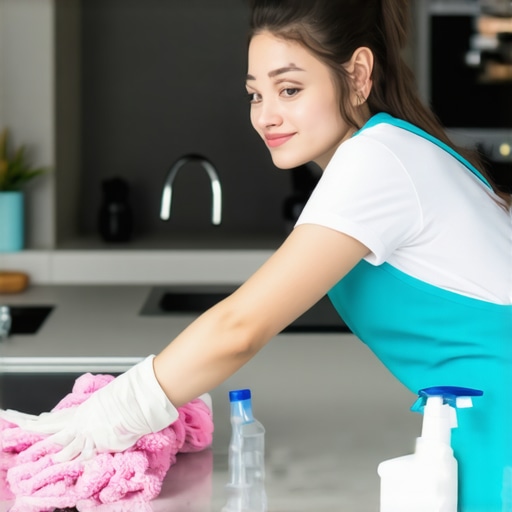
These areas are magnets for grime and germs. Use a disinfectant spray and scrub brushes on stubborn spots like grout lines, around faucet handles, and inside trash bins. For tough stains, apply a stain remover and let it sit for 10 minutes. I always hand-wipe behind the stove and refrigerator, as landlords check for grease buildup here—similar to how you’d scrub a stubborn stain on upholstery.
Spray and Let Sit for Maximum Effectiveness
Don’t just wipe and go. When you encounter lingering odors or deep stains, use a disinfectant or specialized cleaner and let it sit for at least 10 minutes. This is like giving your upholstery a chance to absorb the cleaning solution, ensuring bacteria and dirt are effectively neutralized. I remember applying a strong surface disinfectant to the bathroom tiles and going about other chores while it did its work—great for efficiency and results.
Deep Clean Upholstery and Soft Surfaces
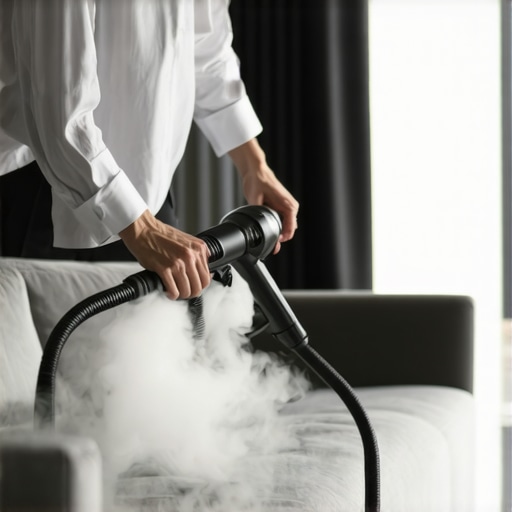
Furniture, curtains, and carpets can harbor dust mites and germs. Use a vacuum with a HEPA filter on sofas and curtains, and consider steam cleaning for carpets. When I moved last time, I rented a portable steamer and meticulously cleaned each couch cushion, treating it like a delicate fabric—almost like upholstery anatomy. This careful approach prevented lingering pet hair and dust, which landlords often spot.
Sanitize High-Touch Areas
Focus on door handles, light switches, and electronic remotes. These spots are high-risk for germ transmission. Use a microfiber cloth and disinfectant spray, wiping thoroughly. I always keep a dedicated disinfectant bottle handy—like a doctor’s kit—for quick sanitizing during the process. It’s a quick, effective step that saves peace of mind and guarantees cleanliness.
Maintain a Consistent Routine
Don’t let the cleaning process become rushed. Break it into stages—kitchen, bathroom, upholstery, then high-touch zones—and complete each systematically. During my last move, I set a timer for each task, ensuring nothing was overlooked. It’s similar to following a cleaning blueprint, making sure each area gets the attention it deserves. Failing to plan can lead to missed spots, risking deposit deductions.
Use Professional Tips for Final Touches
Consult trusted sources like professional house cleaning secrets to discover advanced techniques for stubborn stains or intricate areas. Remember, some tasks benefit from experienced hands—especially upholstery or deep kitchen grout. Applying expert recommendations can be the difference between a standard clean and a landlord brain-saver, increasing your chances of getting your full deposit back.
Document Your Effort
Finally, take photos after each stage. Clear before-and-after images serve as evidence of your thorough cleaning during walk-throughs. This habit is like taking receipts for repairs—protects you if any disputes arise. Trust me, it’s a small investment for potential big savings.
 Even seasoned cleaners sometimes fall for myths that can sabotage their efforts during move-out cleaning or upholstery sanitization. One common misconception is that using bleach or harsh chemicals is always the most effective method for removing stains and disinfecting fabrics. While bleach can be powerful, it often damages delicate upholstery fibers and can leave residues that trap more dirt or emit unpleasant odors, ultimately costing you your deposit. Instead, trusted experts recommend gentle yet effective solutions, like those outlined in [effective upholstery cleaning strategies](https://spotlesscarpetz.com/effective-upholstery-cleaning-tips-for-modern-trusted-results), which focus on safety and thoroughness.
A dangerous trap many fall into is over-scrubbing or aggressive scrubbing tools that fray fabric fibers and loosen adhesives, accelerating wear and tear. This mistake not only shortens the lifespan of your furniture but also raises red flags during inspections. Advanced techniques, such as steam cleaning and enzyme-based cleaners, are less invasive and more effective, especially when used correctly, as detailed in [upholstery sanitizing methods](https://spotlesscarpetz.com/3-pro-upholstery-sanitizing-tactics-for-dust-mites-2026). Remember, the goal is a deep clean that preserves fabric integrity, not a quick fix that causes long-term harm.
A prevalent myth is that every stain or odor can be eliminated with store-bought sprays. In reality, some stains embed deeply into fibers, and odors often stem from bacteria or mold hidden in porous materials. Applying superficial sprays masks problems temporarily but doesn’t solve underlying issues. Advanced sanitizing involves multiple layers: initial extraction, targeted treatments, and proper drying to prevent mold growth. For those aiming for comprehensive clarity, [deep cleaning tips](https://spotlesscarpetz.com/move-out-cleaning-sanitizing-expert-tips-for-a-spotless-exit) provide actionable insights to get your furniture and spaces reliably clean.
Have you ever fallen into this trap? Let me know in the comments.
### How can professionals ensure upholstery remains sanitized without damaging delicate fabrics?
Modern cleaning experts emphasize tailored solutions—selecting the right cleaning agents, controlling pressure and temperature, and using appropriate equipment. For instance, [trustworthy upholstery sterilization methods](https://spotlesscarpetz.com/expert-upholstery-cleaning-strategies-for-trustworthy-results) demonstrate how combining low-impact steam with enzyme cleaners effectively disinfects fabrics without compromising their integrity. This approach is proven to eliminate dust mites, bacteria, and pet allergens, which are common sources of odors and health issues. Overlooking these nuanced techniques can lead to ineffective sanitation and potential damage, so investing in expert-approved methods ensures long-term satisfaction and safety.
Maintaining a pristine and sanitized home or apartment isn’t just about quick fixes; it’s about investing in the right tools that deliver long-term results. From high-efficiency vacuum cleaners to specialized steamers, choosing equipment tailored to upholstery and house cleaning can dramatically boost your effectiveness and preserve your furnishings over time.
Why I Swear by the Commercial-Grade HEPA Vacuum
For upholstery and soft surfaces, a high-quality vacuum with a HEPA filter isn’t optional—it’s essential. I personally rely on the Dyson V11 Torque Drive because of its powerful suction, adjustable settings, and allergen-trapping filters. It pulls out dust mites, pet hair, and allergens without damaging delicate fabrics, offering trusted results that everyday vacuums can’t match. Regular use of a HEPA-filter vacuum prevents the buildup of hidden dust and mites, extending the lifespan of furniture and soft surfaces, which is especially crucial when preparing spaces for move-out sanitation.
The Steam Cleaning Marvel for Upholstery and Hard-to-Reach Areas
I highly recommend a portable steam cleaner like the McCulloch MC1275 Heavy-Duty Steam Cleaner. It’s versatile enough for upholstery, grout lines, and kitchen surfaces, delivering deep sanitation without harsh chemicals. Steam penetrates fabric fibers, killing bacteria and dust mites effectively—crucial for ensuring thorough sanitization with minimal fabric damage. As suggested by upholstery cleaning experts, regular steam treatment preserves fabric integrity and keeps odors at bay over the long term.
Long-Term Results Come from Consistent Maintenance
Investing in these tools only pays off if used regularly. Establish a routine where you vacuum upholstered furniture weekly with your HEPA vacuum and steam clean every month. This proactive approach keeps the home fresh, minimizes deep-set stains, and reduces the risk of mold or bacteria growth—especially important if you’re managing spaces used by multiple people or pets.
Predicting the Future of Upholstery and House Maintenance Tools
Looking ahead, automation and smart technology will revolutionize home sanitation. Imagine robotic vacuums with integrated steam cleaning or AI-driven tools that detect dirt and allergens in real-time. As these innovations become mainstream, maintaining your home will become more effortless and precise, ensuring long-term cleanliness and health.
How do I keep my cleaning tools in top shape?
To prolong the lifespan and efficiency of your equipment, regular maintenance is key. Clean vacuum filters monthly, desiccate steam cleaner components, and store tools properly to prevent damage or mold. A neglected tool can become a breeding ground for germs, negating the benefits of your investments. Remember, well-maintained tools are the backbone of a clean, healthy home. For detailed tips on maintaining your cleaning arsenal and ensuring they perform optimally, check out this trusted resource.
If you haven’t already, try using a portable steam cleaner on your upholstery. Applying this technique, as outlined in upholstery cleaning tips, can be a game-changer for extending your furniture’s lifespan and keeping your home odor-free. Ready to get serious? Incorporate this into your regular maintenance routine and notice the difference in your home’s cleanliness and your peace of mind.
Lessons from the Trenches of Move-Out Cleaning
One of the hardest lessons I learned was that even meticulous cleaning can overlook hidden trouble spots. I used to focus only on visible dirt, but I discovered that microbial buildup and unseen stains often decide the fate of your deposit. Another insight was realizing that over-relying on harsh chemicals like bleach can damage delicate fabrics, leading to more problems than solutions. The biggest revelation? That investing in quality tools like HEPA vacuums and steam cleaners—not just branded sprays—makes a tangible difference in both results and furniture longevity. Lastly, I underestimated the power of documenting every cleaning step; clear before-and-after photos protected me during disputes and gave confidence that I’d done my best, securing that full deposit refund.