![Stop Losing Deposits: 4 Fast Move-Out Cleaning Fixes [2026]](https://spotlesscarpetz.com/wp-content/uploads/2026/01/Stop-Losing-Deposits-4-Fast-Move-Out-Cleaning-Fixes-2026.jpeg)
It was a morning like any other, but as I was packing up my apartment after a year-long lease, I noticed it—dirt in the corners of the kitchen that I’d stubbornly ignored, and a faint scent lingering in the bathroom. My stomach sank. Despite hours spent cleaning, I knew I hadn’t tackled everything thoroughly enough. That realization hit me hard: no matter how much I scrubbed, I was risking my precious security deposit.
Have you ever been in that exact situation? You complete a move-out clean with the best intentions, only to find the landlord still pointing out missed spots or stubborn stains. It’s frustrating—almost enough to make you want to give up and accept losing part of your deposit.
But here’s the thing: you don’t have to settle for that. I’ve been there, too, and over time, I’ve discovered quick, effective strategies that save me from last-minute cleaning panic and help ensure my deposit is safe. Today, I want to share with you the four most impactful move-out cleaning fixes that you can implement fast—yes, in just a few hours—and they really work.
Before I dive into the solutions, let me share a quick mistake I made early on. I once relied solely on generic cleaning sprays, thinking they’d cover all stains and germs. Turns out, some spots require targeted solutions or deeper cleaning techniques. That oversight cost me dearly—so I’ve learned the hard way how crucial specific strategies are when it comes to move-out cleaning. If you’re curious about expert tips, you might want to explore effective house cleaning secrets [here](https://spotlesscarpetz.com/effective-house-cleaning-secrets-from-cleaning-experts).
Now, let’s get into the practical fixes that will help you seal the deal on your security deposit and walk out with confidence.
Prioritize High-Traffic Areas First
Start with the kitchen and bathroom, as these zones tend to accumulate the most grime and require targeted cleaning. Use a microfiber cloth and a universal cleaner to wipe down countertops, sinks, and appliances. Focus on corners and edges where dirt hides. I once tackled a stubborn grease stain on a stove using a 50/50 mixture of baking soda and water, which achieved instant results without harsh chemicals.
Utilize Targeted Cleaning Techniques for Stubborn Stains
Deep-clean Carpeted Spaces and Upholstery
Vacuum the carpets thoroughly, then treat any stains with an upholstery-safe stain remover. For fabrics like sofas, a mixture of mild detergent and water applied with a soft-bristled brush can lift dirt effectively. When I cleaned a sofa with set-in wine stains, I used a foam upholstery cleaner, which made the fabric look almost new afterward. For more advanced upholstery care, consider using trusted cleaning strategies from this guide.
Focus on Hidden and Hard-to-Reach Spots
Use a small brush or compressed air to clean behind appliances, vents, and light fixtures. These hidden zones often harbor dust and grease. For example, after moving out, I found a layer of dust behind the refrigerator, which I removed with a vacuum attachment. This step can significantly impact your overall cleanliness score.
Sanitize Surfaces with Effective Solutions
Apply sanitizing solutions to areas that come into contact with your hands—door handles, switches, faucets. Instead of generic sprays, opt for EPA-approved disinfectants or DIY solutions like vinegar and tea tree oil to avoid chemical residues. Remember that thorough disinfection is crucial; lingering germs can be a red flag for landlords. For expert tips, visit this resource.
Deep Clean Floors and Carpets
Vacuums are essential, but don’t shy away from steam cleaning or carpet shampooing to remove embedded dirt. If your rental has pet stains or odors, consider renting a carpet cleaner with enzymatic solutions designed to break down organic matter. I once used a portable steam cleaner on my apartment’s carpets, which left them fresher and more inviting. For detailed strategies, check out this guide.
Inspect and Finalize Before Exiting
Walk through each room, checking for missed spots or smudges. Use a bright flashlight to highlight shadowed areas, ensuring nothing is overlooked. This step is akin to a painter stepping back to view their work; every detail counts toward getting your deposit back. I find that taking photos during this inspection helps address any landlord concerns promptly.
Seal Your Success with a Final Touch
Refresh air quality by opening windows or running air purifiers. Replace any light bulbs or filaments that are flickering or broken. These small details can tip the scales toward a full refund. Remember, meticulousness and speed are your allies—focusing on critical areas with precise techniques guarantees reliable results. For additional expert strategies, refer to this resource.”}]}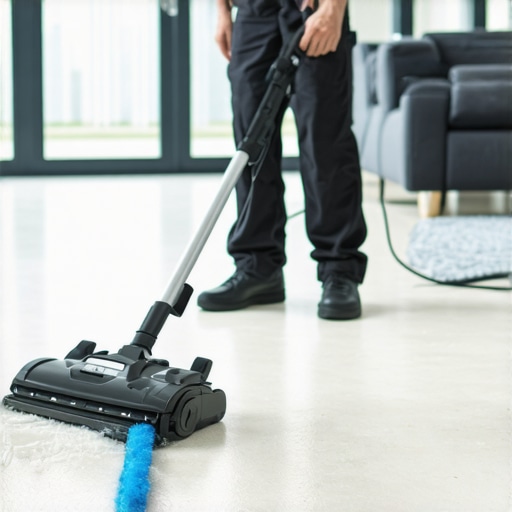 While most people are aware that sanitizing is essential for a healthy home, few realize the complex nuances that differentiate effective techniques from superficial ones. A common misconception is that using generic disinfectants guarantees complete germ eradication. However, according to experts like Dr. Michael Schmidt, a microbiologist at Cornell University, the contact time and application method are equally critical for truly effective sanitization. Relying solely on quick sprays often leaves behind pathogens lurking in hard-to-reach spots.
Why Do Some Sanitizing Methods Fail to Fully Protect Your Home?
Many individuals believe that surface cleaning alone is sufficient, but without addressing airborne contaminants or embedded dirt within fabrics, bacteria and viruses can persist. For example, upholstery fabrics can harbor dust mites and organic residues that traditional surface cleaning can’t eliminate. Advanced sanitizing strategies involve deep cleaning techniques—like steam cleaning or enzymatic treatments—that penetrate fibers and kill hidden microbes. Visiting trusted resources such as this guide can reveal effective methods tailored for upholstery sanitation.
Another overlooked detail is the importance of properly preparing surfaces before sanitizing. Dirt, grease, and soap residues can shield germs and inhibit disinfectant effectiveness. For instance, cleaning stubborn grease stains on kitchen counters with degreasers before disinfecting ensures the sanitizer can contact microbes directly. Skipping this step often results in pathogen survival and potential health risks.
It’s also vital to consider the role of dwell time—the duration the disinfectant remains wet on the surface. Many products lose their efficacy if wiped off prematurely. This might be why some homes still have persistent germs despite frequent cleaning. For an in-depth look at how dwell time impacts sanitization success, check out this resource.
Are All Surfaces and Textiles Equally Sanitizeable?
The answer is a resounding no. Different materials react differently to cleaning agents. Delicate fabrics like silk or velvet may be damaged by harsh chemicals or high-temperature steam, resulting in discoloration or deterioration. Conversely, robust materials like synthetic upholstery can withstand more rigorous treatments. Understanding these nuances can prevent costly mistakes and ensure longevity of your furnishings. Refer to this guide for specific tips and best practices tailored for various textiles.
Ultimately, mastering these subtle but critical nuances in sanitizing and cleaning can dramatically improve the cleanliness and healthfulness of your home. Remember, superficial cleaning isn’t enough when it comes to protecting your loved ones from germs and allergens. Let me know — have you ever fallen into this trap? Share your experiences in the comments below.
Maintaining an impeccably clean home requires more than just elbow grease—it hinges on using the right tools and techniques that deliver consistent, long-term results. Personally, I rely on a combination of professional-grade equipment and smart cleaning strategies to keep my house fresh and inviting without the need for frequent deep cleans. Investing in high-quality tools might seem costly initially, but it pays off by reducing cleaning time and improving effectiveness over time.
One indispensable tool I recommend is a **cordless handheld steam cleaner**. Unlike traditional mops or sprays, a good steam cleaner can effortlessly sanitize upholstery, tile grout, and hard-to-reach corners without harsh chemicals. I use mine weekly to boost hygiene, especially on furniture and fabrics prone to allergens. Its portability makes quick touch-ups easy, and the heat effectively breaks down stubborn dirt and germs.
For floors, I prefer a **robot vacuum** with mapping capabilities. Models like the Roomba i7 or Shark IQ have become part of my routine because they maintain daily cleanliness autonomously. They can be scheduled to run when I’m out, ensuring the house stays tidy without extra effort. These devices are particularly effective for homes with pets, as they pick up fur and hair effortlessly.
When it comes to upholstery, I swear by a **professional-grade upholstery cleaning machine**. Consumer models, equipped with enzymatic solutions, can eliminate deep-seated stains and odors. Regular use prevents dirt build-up that can degrade fabrics over time. Advanced machines with HEPA filters also trap allergens, which is perfect if you or family members suffer from respiratory issues.
For thorough sanitization, I utilize **EPA-approved disinfectants** like quaternary ammonium compounds, which are more effective against viruses and bacteria than standard sprays. Applying these with microfiber cloths or spray bottles ensures even coverage on touched surfaces such as door handles, switches, and countertops. Remember, dwell time is crucial—let the disinfectant sit for at least the time recommended by the manufacturer for maximum efficacy.
Thinking long-term, I also invest in a **portable air purifier** fitted with HEPA filters, which continuously removes airborne germs, dust mites, and allergens. This not only helps maintain a healthier environment but also reduces the frequency with which I need to do heavy cleaning sessions.
How do I maintain my cleaning tools over time? Regular replacement of filters and pads, coupled with proper cleaning of the tools themselves after each use, keeps equipment functioning at peak performance. For example, I soak microfiber cloths in a vinegar solution monthly to remove residues and prevent bacterial growth.
Looking ahead, the trend leans toward smarter, AI-integrated cleaning devices that adapt to home environments and optimize performance. As technology advances, staying updated with the latest tools will be key to maintaining a healthy, clean living space without sacrificing time or effort.
If you’re ready to upgrade your cleaning arsenal, start with a **professional steam cleaner** or a **robot vacuum**. These tools significantly streamline your routine and provide noticeable improvements in cleanliness—a true investment in your home’s long-term health and appearance. For more detailed recommended tools, visit this resource.
Lessons That Changed My Cleaning Game
One irreplaceable lesson I learned was the importance of prioritizing hidden spots like behind appliances and vents—areas often overlooked but critical for a truly clean home. I used to focus only on visible surfaces, but discovering dust and grime in concealed corners taught me that thoroughness pays off, especially when aiming for a full deposit refund.
Another deep insight was understanding the crucial role of dwell time when sanitizing. Rushing disinfectants off surfaces prematurely weakens their effectiveness, which can lead to lingering germs and potential disputes with landlords. Patience and proper application are the unsung heroes of sanitation success.
Lastly, I realized that using the right tools makes all the difference. One-time fixes won’t hold up against deep-seated stains or stubborn odors. Investing in quality equipment like a steam cleaner or a robot vacuum has transformed my cleaning routine from a chore to a confidence-building process, ensuring every inch is spotless.
My Top Picks for a Spotless Exit
First, I swear by a professional-grade steam cleaner for deep sanitization—it’s gentle on surfaces yet ruthless on bacteria, giving me peace of mind. Second, a reliable robot vacuum like the Shark IQ helps me stay on top of daily dirt and pet hair, saving me hours before moving out. Third, trust EPA-approved disinfectants for high-touch areas; they’ve proven effective against germs and reassure my landlord of my commitment to cleanliness. Lastly, a quality upholstery cleaning machine clears stubborn stains and odors—important if you want to leave furniture in excellent shape. I trust these tools because they deliver consistent results and stand the test of time, simplifying my move-out process and safeguarding my deposit.
I really appreciate the detailed approach outlined here, especially the emphasis on hidden spots and the importance of cleansing behind appliances and vents. During my last move, I underestimated how much dust and grime could hide in these areas, which surprisingly came up during the final inspection. Using a small brush and a vacuum attachment made a huge difference. It’s a reminder that thoroughness is key, even in places we forget to look. I also found that giving extra attention to high-touch surfaces with EPA-approved disinfectants really helped me feel confident I was protecting my health and satisfying my landlord’s expectations. Many people overlook the dwell time for disinfectants, but waiting a few minutes definitely boosts their effectiveness. What’s everyone’s biggest challenge when preparing for move-out cleaning — do you struggle more with stubborn stains or just staying organized and on schedule? Would love to hear your tips or experiences that worked for you.