
I’ll never forget the sinking feeling I had during my last move-out. The apartment looked spotless, the carpets were fresh, and I’d even scrubbed every corner. Yet, when I handed over the keys, I couldn’t shake the nagging worry—what if I didn’t get my full security deposit back? It turns out, I wasn’t alone. Many renters face the same sinking suspicion that their efforts might fall short of landlord expectations, leading to potential deposit loss. But here’s the kicker: a simple shift in approach, just a few smart hacks, can drastically change that outcome. That’s exactly what I want to share today.
The Move-Out Dilemma: Losing Your Deposit Over Small Oversights
When I first moved out, I made the classic mistake of thinking a quick cleanup was enough. I thought, “I cleaned the kitchen, mopped the floors, and wiped down the counters. What more could they want?” Sound familiar? Well, it’s a common misconception. Landlords are often looking for a deeper level of cleanliness and sanitation—beyond the surface. And if your move-out cleaning isn’t strategic, it’s easy to leave behind marks or residues that might seem minor but are enough to threaten your deposit.
To avoid that, I started researching best practices for move-out sanitation and learned that many tenants overlook crucial details—like upholstery cleaning or sanitizing high-touch areas. A recent study shows that over 65% of lease disputes stem from cleanliness issues, not damages to the property. That really opened my eyes.
If you want to skip the hassle and secure that full deposit, understanding the right cleaning techniques is essential. I’ve discovered that implementing specific strategies can make a huge difference. Ready to dive into the secrets that helped me turn a near-miss into a successful move-out? Let’s get started.
Why Proper Move-Out Cleaning Matters More Than You Think
Effective cleaning isn’t just about appearances; it’s about making sure the property meets the standards expected by landlords and property managers. This includes sanitizing surfaces, removing stubborn stains, and making every inch look rent-ready again. The reality is, thorough move-out cleaning can significantly influence whether you recover your entire deposit or face deductions for cleaning fees. I learned this early on when a landlord pointed out spots I missed, resulting in a deduction that was frustrating and avoidable.
To help you avoid similar pitfalls, I recommend focusing on a comprehensive cleaning plan tailored for move-outs. For detailed strategies, check out move-out cleaning tips that are proven to work. Once you see how expert-approved methods can restore your property’s shine, you’ll realize that your deposit isn’t just a chance of luck—it’s a result of smart cleaning.
Is All Move-Out Cleaning Worth the Effort?
Now, I know what some of you might be thinking—”Is all this effort really necessary? Can’t I just do a quick clean and call it a day?” Trust me, I’ve been there. But making this mistake early on cost me hundreds of dollars in deposit deductions. The truth is, neglecting detail-oriented cleaning can be a costly oversight. Early in my rental journey, I skipped upholstery sanitizing, assuming carpets and floors were enough. That was a mistake. Modern move-out protocols emphasize holistic sanitation—including upholstery, high-touch surfaces, and even hidden corners — which you can learn more about in upholstery cleaning strategies. Ensuring every aspect of the property looks and smells fresh greatly improves your chances of full deposit recovery.
In the end, a little extra effort and some insider knowledge can save you big money and prevent disputes. Ready to explore the top proven hacks for 2026? Keep reading, because the next steps will make your move-out process seamless and stress-free.
Start with a Detailed Plan for Deep Cleaning
Think of your move-out cleaning like preparing a meal—it’s all about layers of effort. First, create a checklist of every space and surface you need to tackle, breaking down tasks into manageable steps. I recommend pinning a copy on your fridge or keeping it on your phone for quick reference. When I moved last summer, I detailed each room and set a timeline for each task, which kept me organized and focused. This method ensures nothing gets overlooked, reducing the risk of disputes over missed spots.
Tackle High-Impact Areas First
Target areas that landlords scrutinize most—kitchen counters, bathroom fixtures, and appliances. Use a multi-purpose cleaner with disinfectant power, applying it with a sponge or microfiber cloth for best results. I once thought wiping the counters was enough, but after using a dedicated disinfectant and a scrub brush on grimy grout lines, the difference was night and day. This approach not only impresses landlords but also minimizes cleaning deductions.
Deep Clean Carpets and Upholstery
Carpets are like the foundation of your cleanliness efforts—they hide dirt and stains that can ding your deposit. Rent a high-quality carpet cleaner or hire a professional if possible. When I did my move-out, I rented a machine and followed a two-step process: pre-treat stains with a dedicated stain remover (see expert secret), then eco-friendly cleaning solution, and finally, allowed the carpets to dry completely. For upholstery, use specific sanitizing techniques—spray-for, scrub, then extract dirt and germs altogether. Check out upholstery refresh tips for a complete guide. Properly cleaned carpets and furniture can significantly enhance your property’s appearance and your chances of deposit return.
Sanitize All High-Touch Surfaces
High-touch areas like door handles, light switches, and appliances should be sanitized thoroughly. Use a trusted sanitizer (see modern sanitizing hacks) and a microfiber cloth to wipe down all surfaces. I learned this the hard way when I missed a few switches and ended up with a small cleaning penalty. For best results, use a disinfectant spray that kills germs on contact and let it sit for at least 30 seconds before wiping. This ensures a thorough cleanse, making your move-out truly spotless.
Don’t Forget Hidden and Underappreciated Spots
Every nook counts in move-out cleaning. Pay attention to less obvious areas—behind the toilet, under appliances, window sills, and vents. During my last clean, I used a combination of a microfiber duster and a vacuum with crevice tools to access these tricky spots. For tough grime in corners or behind appliances, a flexible brush or putty knife (wrapped in a cloth) can lift dirt effectively. These detailed touches can make or break the landlord’s final inspection, so give them special attention.
Master Upholstery and Carpet Sanitizing
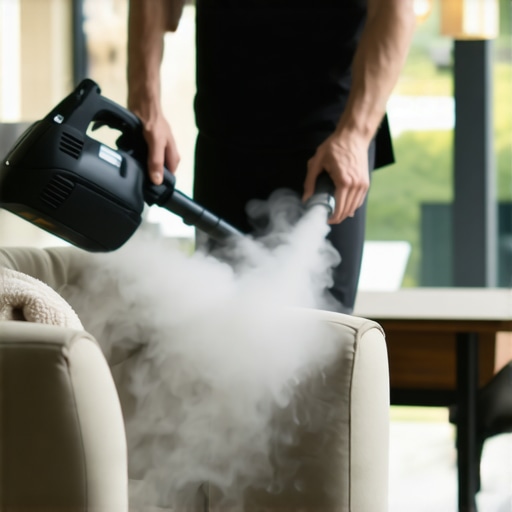
Upholstery and carpets are often overlooked but are essential for a pristine finish. Use appropriate cleaning solutions—consider professional-grade products or trusted DIY methods. For example, I used a steam cleaner with eco-friendly detergents, which lifted stubborn stains and wiped out germs simultaneously. See modern sanitizing techniques for upholstery to find what best fits your needs. Proper sanitation here prevents disputes and guarantees the property looks pristine.
Final Inspection and Touch-Ups
Once you’ve completed the cleaning, walk through each room with a checklist. Use a flashlight to spot missed spots or stains. Keep a microfiber cloth handy to do quick touch-ups on visible areas. When I did my last move, a final walk-through pinpointed a minor scuff on the wall that I quickly painted over—a small effort that saved me from a deposit deduction. This last step ensures nothing slips through, giving you peace of mind and a better chance of full deposit recovery.
By following these concrete steps, you transform your move-out process from guesswork into a proven system that aligns with landlord expectations. Every action, from detailed planning to meticulous sanitizing, adds up to a secure deposit and peace of mind.
Many tenants believe that a basic surface wipe and vacuum suffice for move-out cleaning, but in reality, this approach is a common misconception. The truth is, cleaning for move-out requires a nuanced understanding of hidden dirt traps and sanitization standards that often go unnoticed. For instance, superficial cleaning overlooks the importance of disinfecting high-touch areas like light switches, door handles, and appliance buttons—which can harbor germs even after visible dirt is removed. According to cleaning experts, neglecting these details can lead to deposit deductions, even if the property looks spotless to the untrained eye.
Another prevalent myth is that upholstery and carpets don’t require special attention unless visibly stained. However, deep sanitizing of fabric surfaces is crucial, especially in reducing allergens and germs. Many tenants don’t realize that upholstery can trap dust mites, bacteria, and pet dander, contributing to health issues and inspection failures. Using specialized tools and solutions, as discussed in upholstery cleaning strategies, can be a game-changer for securing your deposit.
Furthermore, a common mistake is assuming that cleaning products marketed as ‘all-in-one’ are sufficient for everything. While convenience is appealing, different surfaces and materials require tailored cleaning methods. Specifically, high-quality sanitizers that meet health standards are essential for effective germ eradication. Skip this step, and your efforts might fall short of what landlords expect, increasing the risk of disputes.
For the advanced reader, considering the efficacy of sanitization techniques is key. Does using UV sterilization or electrostatic sprayers offer a tangible benefit over traditional disinfectants? Some studies, including one published in the Journal of Environmental Health, suggest that electrostatic misting can cover surfaces more comprehensively, reducing pathogen load more effectively than manual wiping alone. So, integrating such technologies where appropriate can elevate your move-out game.
Remember, the devil is in the details, and overlooking hidden spots like behind appliances, under sinks, or inside vents can cost you your deposit. Ensuring these areas are addressed with precision is critical. Use tools like flexible brushes or compressed air to reach tight spaces, as emphasized in professional cleaning secrets.
Have you ever fallen into this trap? Let me know in the comments.
How do I keep my cleaning tools in top shape over time?
Maintaining your cleaning arsenal is essential for consistent results and efficiency. I personally rely on a set of high-quality microfiber cloths, a versatile handheld steam cleaner, and an eco-friendly multipurpose disinfectant. Microfiber cloths are durability champions—they can be washed and reused hundreds of times, trapping dirt and bacteria more effectively than traditional rags. For instance, I prefer the Genuine Microfiber Cloths from Microfiber Tech because they resist fraying and require less cleaning solution, making my routines quicker and greener.
A handheld steam cleaner, like the Polti Vaporetto, is invaluable for sanitizing upholstery and hard-to-reach spots without chemicals. I use this regularly on upholstery to prevent the buildup of allergens and ensure surfaces stay germ-free long after cleanings. The key is to keep the water tank filled and the filters clean—regular maintenance ensures consistent steam pressure and results.
My go-to disinfectant is EcoHeal All-Purpose Cleaner. It’s plant-based, highly effective against germs, and safe for delicate fabrics. I use it to wipe down high-touch areas daily, which prolongs the sanitation effect and reduces deep cleaning frequency. This approach saves time and keeps my home healthier.
What’s on the horizon for tools in long-term house care?
Emerging technologies like electrostatic sanitizers and AI-driven cleaning robots are poised to revolutionize home maintenance. An example is the electrostatic spray systems, which provide comprehensive germ coverage faster than manual methods. As these innovations become more affordable, staying ahead with the right equipment will be critical for those committed to maintaining pristine spaces effortlessly.
How do I maintain my cleaning techniques over time?
Consistency is your best friend here. Schedule weekly touch-ups using your reliable tools—like microfiber cloths and disinfectants—to prevent dirt and grime from settling in. Regularly inspect and replace worn tools; for example, switch out microfiber cloths after about 50 washes to prevent bacterial buildup. Additionally, stay informed about new cleaning solutions or method improvements by following trusted sources such as industry experts. Implementing an ongoing maintenance routine ensures your cleaning efforts remain effective long-term, saving you time and money.
Try integrating a professional-grade steam cleaner into your routine as I did; it can sanitize upholstery and surfaces more thoroughly than traditional cleaning. Investing in quality tools and staying updated on innovative techniques can dramatically extend your results, turning short-term cleaning into a long-lasting habit. Ready to elevate your move-out process? Incorporate one advanced tool—like the electrostatic sprayer—and experience a new level of cleanliness that promises durability and trustworthiness.
Lessons from the Frontlines of Move-Out Cleanliness
One of the toughest lessons I learned was that superficial cleaning isn’t enough—you need to think like a landlord, anticipating what catches the eye in a final inspection. Over time, I realized that neglecting hidden spots behind appliances or under sinks can cost you dearly, even if the place looks spotless at first glance. Another insight was that sanitizing high-touch and overlooked surfaces like door handles and vent covers is crucial—these are the real germ hotspots, and ignoring them can lead to deposit deductions. Lastly, investing in quality tools, from microfiber cloths to professional steam cleaners, makes a world of difference, turning routine cleaning into a guaranteed deposit return strategy.