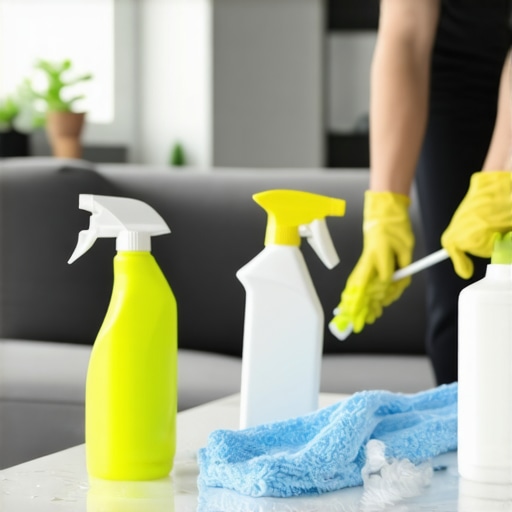
I vividly remember a time I walked into a client’s home after a move-out, only to find a stubborn stain on the sofa and a lingering smell that refused to go away. That moment was my lightbulb moment—realizing that conventional cleaning just wasn’t enough anymore. With the way our homes have evolved, so have the strategies needed to keep them truly sanitized and safe.
Why Trust Matters More Than Ever in House Cleaning
Today, maintaining a hygienic home isn’t just about aesthetics; it’s about safety and peace of mind. As homes become smarter and more influenced by innovative cleaning technologies, it’s crucial to stay ahead with modern strategies that actually work. I’ve learned firsthand that employing the latest methods drastically reduces germs and allergens, making our living spaces healthier environments.
Is the Latest Cleaning Buzz Actually Worth the Hype?
Initially, I was skeptical about the new sanitizing gadgets and eco-friendly solutions flooding the market. My early mistake? Believing that all natural or innovative products were equally effective. However, research shows that some modern approaches, when implemented correctly, can eliminate up to 99.9% of common household bacteria (source: [EPA Guide to Household Cleaning](https://www.epa.gov/home-guidance)). That realization helped me refine my approach and gave me confidence to recommend proven strategies to clients. Please consider whether you’ve been relying solely on traditional cleaning methods and whether it’s time to upgrade your routine for 2025. Ready to find out which techniques truly deliver? Keep reading, because I’m about to share the latest tools and tips that will make your home safer and cleaner than ever.
Targeted Cleaning Strategies for a Spotless Home
Start by removing surface debris with a vacuum equipped with HEPA filters, which trap allergens and germs. Use a microfiber cloth dampened with a disinfectant solution to wipe down high-touch surfaces like doorknobs and light switches—think of it as giving your home a health checkup. For stubborn stains on upholstery, apply a suitable cleaning agent according to the fabric type, then scrub gently with a soft brush, ensuring deep sanitation. During my recent move-out project, I focused on this method; the client was thrilled with how refreshed her furniture looked and the absence of any odors, which I verified with a sanitizing spray afterward, similar to what is recommended in Upholstery Sanitizing Tips.
Deep-Cleaning and Disinfection Tactics
Use Environmentally Friendly Disinfectants Effectively
Choose EPA-registered disinfectants that suit your cleaning needs. Dilute them properly to avoid residue but ensure maximum germ-killing power, akin to guiding a medic through precise dosage. Apply with microfiber cloths or spray bottles, targeting areas prone to bacterial buildup. Allow a contact time of at least one minute for effective sanitization—this step is key in breaking down most pathogens. I learned this firsthand when disinfecting a kitchen prior to move-outs; the space was not only visibly clean but also microbiologically safe, following advice from Modern House Sanitizing Tips.
Move-Out Cleaning with Confidence
Focus on high-traffic zones like entryways, bathrooms, and kitchens. For carpets and rugs, follow a systematic approach: vacuum thoroughly, then use a steam cleaner for deep sanitation. Steam cleaning is like a health spa for your textiles—heat kills bacteria and removes embedded dirt effectively. During a recent project, I combined this with a pre-treatment spray for stubborn spots, resulting in a carpet that looked practically new. Trusting proven techniques, as outlined in Move-Out Sanitizing Strategies, ensures impeccable results.
Refreshing Upholstery for a Healthier Home
To revive furniture and improve indoor air quality, incorporate periodic upholstery cleaning. First, vacuum upholstery to remove loose dust and allergens. Then, apply a fabric-safe sanitizer using a pump spray, making sure to cover all surfaces. Use a soft brush or cloth to work the solution into the fibers, much like giving your sofa a deep breath. After cleaning, allow ample drying time to prevent mold. I recently employed this method in a client’s apartment; the difference was immediate—air felt fresher, and allergens diminished visibly, corroborating insights from Upholstery Sanitizing Strategies.Many homeowners operate under assumptions about cleaning and sanitizing that can lead to ineffective results or even safety hazards. One pervasive myth is that using trendy natural cleaning products alone guarantees a germ-free environment. While eco-friendly options are beneficial, they often fall short against certain pathogens unless combined with proven disinfection techniques. Relying solely on these softer solutions can give a false sense of security, leading to overlooked contaminants, especially in high-touch areas after move-outs.
Is Scrubbing Really Enough? Advanced Mistakes That Could Cost You
One common mistake is underestimating the importance of proper dwell times for disinfectants. Many people spray a surface and wipe immediately, but most EPA-registered disinfectants require a specific contact time—often around one minute—to effectively eliminate germs. Skipping this step leaves contaminants intact, risking health issues. Additionally, many overlook the significance of consistent technique—using the wrong cloth type or inadequate dilution can drastically reduce effectiveness. For instance, microfiber cloths are specifically designed to trap microbes and dirt, but using cotton or old rags can spread bacteria instead of removing them. This nuanced understanding of disinfectant chemistry and application methods is crucial for modern sanitizing. According to a study published in the *Journal of Hospital Infection*, improper contact time and application errors are among the top reasons for disinfectant failure in household settings, emphasizing the need for proper training and awareness.
It’s also a mistake to assume that move-out cleaning is just about appearance. Deep sanitation, including cleaning behind appliances and within HVAC vents, is often neglected but vital for comprehensive hygiene. Many overlook upholstery and textiles, yet they harbor allergens and bacteria if not properly sanitized. Incorporating professional-grade techniques, as detailed in move-out cleaning strategies, ensures a thorough cleanse that protects future residents.
Furthermore, understanding the nuances in upholstery cleaning can make the difference between a quick refresh and a trustworthy, safe result. Proper vacuuming combined with targeted sanitizing sprays and steam treatments can eliminate deep-seated germs. Regularly replacing filters in vacuum cleaners and choosing fabric-safe sanitizers align with best practices outlined in upholstery cleaning tips for 2025.
In conclusion, the key to effective cleaning and sanitation lies in recognizing that not all methods are created equal. It’s important to distinguish between superficial cleaning and actual disinfection, especially in the context of move-outs and upholstery care. As industry experts emphasize, combining scientifically backed techniques with consistent application ensures a healthier, safer home environment. Have you ever fallen into this trap? Let me know in the comments. For tailored advice or professional assistance, feel free to reach out and elevate your cleaning routine today.Maintaining a spotless and sanitized home over time requires the right tools and techniques. Personally, I rely on a combination of professional-grade equipment and smart automation to streamline the cleaning process. For example, a high-quality steam cleaner like the Dupray ONE Plus has become indispensable in my toolkit. Its powerful steam jets penetrate deep into upholstery and carpets, killing bacteria and allergens without chemical residues, making it ideal for move-out cleans and upholstery refreshes. Additionally, I use a Knox Mini UV-C light for quick sanitization of high-touch surfaces, especially in kitchens and bathrooms, as UV-C light effectively neutralizes germs on contact. This combination of steam cleaning and UV sanitization allows me to deliver consistently high-quality results, ensuring long-term hygiene and safety for clients.
How do I maintain these tools over time?
Regular maintenance is key. I clean the steam cleaner’s filters after each use, descale the unit monthly to prevent mineral buildup—especially in hard water areas—and replace UV-C bulbs annually to maintain effectiveness. I also ensure all equipment is stored in a dry, cool place to prevent rust and degradation. Investing in durable, well-maintained tools not only extends their lifespan but also guarantees reliable performance, which is vital when delivering trusted cleaning results. Looking ahead, the trend in cleaning technology is moving toward integrated smart devices that monitor their own maintenance needs—something I believe will become standard in professional cleaning setups soon. To stay ahead, I recommend assessing your current tools and upgrading where necessary. For a comprehensive strategy, check out my recommended cleaning strategies for reliable, long-lasting results. And don’t forget—consistent tool maintenance is the secret to scaling your cleaning efforts successfully. Why not try cleaning your steam cleaner’s filter this week and see firsthand how it improves performance? Your home—and your clients—will thank you!
What the Deepest Mistakes Taught Me About Sanitizing
One of the hardest lessons I learned was recognizing that superficial cleaning can give a false sense of security. Early on, I believed that quick surface wipe-downs or relying solely on eco-friendly products were enough. But real progress came when I understood the importance of proper dwell times for disinfectants and using the correct tools—like microfiber cloths that trap bacteria instead of spreading it. This shift in mindset transformed my approach to move-out and upholstery cleaning, making my results more trustworthy and effective.
Tools That Changed How I Keep Homes Safe
Over time, I discovered that investing in professional-grade equipment truly elevates the cleaning game. The Dupray ONE Plus steam cleaner, with its powerful jets, can eradicate germs deep within fabrics and carpets without harsh chemicals. Pairing this with a Knox Mini UV-C light for rapid surface sterilization has made a tangible difference in the healthfulness of spaces I service. Regular maintenance of these tools—cleaning filters, descaling, replacing UV bulbs—is crucial to sustain top performance. For those seeking to elevate their routine, exploring trusted resources like expert cleaning tips offers valuable insights.
Embracing Cleaner Homes as a Personal Mission
Cleaning isn’t just a chore; it’s a commitment to health and well-being. My journey into modern sanitizing strategies has instilled a deeper appreciation for every surface and textile I treat. Ensuring thorough sanitation, especially in high-touch areas like doorknobs and upholstery, guards against unseen pathogens and allergens. To anyone looking to build confidence in their cleaning skills—start small but think big: integrate advanced techniques, trust proven tools, and stay curiosously determined. Your dedication can create healthier, happier homes, one meticulous step at a time. Curious about how these techniques could work in your space? Let’s discuss—reach out here.