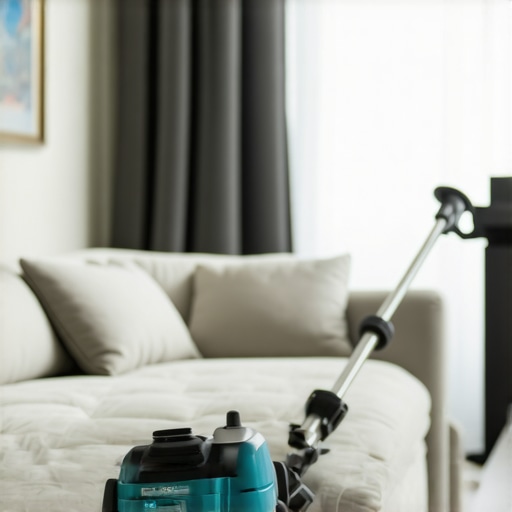
I still remember the moment I realized my house wasn’t as clean as I thought it was. I had just finished a detailed move-out clean, feeling pretty proud of my efforts, only to spot a stubborn stain on the sofa the next day. It hit me—no matter how much I scrubbed, some imperfections just wouldn’t budge. That lightbulb moment made me question everything I thought I knew about upholstery and house cleaning. Why was it so hard to get that lasting fresh scent? Was I just not doing it right? And then I discovered the truth: effective sanitizing and cleaning aren’t about brute force but smart strategies grounded in proven techniques.
Why House Cleaning and Sanitizing Matter More Than Ever in 2025
In today’s world, our homes aren’t just places to relax—they’ve transformed into our sanctuaries from a hectic world. The importance of maintaining a clean, sanitized environment has skyrocketed, especially as health concerns become more prominent. According to the [Centers for Disease Control and Prevention](https://www.cdc.gov/media/releases/2021/p0415-cdc-experts.html), proper handwashing and surface sanitation can reduce the spread of harmful germs significantly. But here’s the catch—many of us are still relying on outdated methods, wasting precious time, or worse, thinking that surface-level cleaning suffices. I’ve made that mistake early on, believing a quick swipe with generic cleaners was enough. Now, I know that without targeted, effective strategies, your efforts might fall short.
So, what makes household sanitizing and upholstery cleaning so tricky? It’s simple: dirt, grime, and germs often hide in places we forget, and some cleaning products just aren’t designed to tackle modern microbes or deep-set stains. Plus, with the rise of new household allergens and bacterial strains, what worked five years ago might not cut it today. That realization motivated me to dive deep into industry secrets, professional tips, and scientifically-backed methods that actually deliver trusted results. And I want to share those with you—so you won’t waste time, money, or effort on ineffective quick-fixes.
If you’ve ever found yourself frustrated after scrubbing for hours, only to feel uncertain whether your home is truly clean, you’re not alone. Facing those stubborn stains and lingering odors is enough to make anyone doubt their cleaning game. But rest assured, with a few targeted adjustments and insights, you can boost your house cleaning routine and achieve the sanitized, fresh home you deserve. Ready to learn these insider tricks? Let’s get started with the reasons why current strategies need a serious upgrade—and how you can make that change today.
Is using store-bought cleaners enough to guarantee a truly healthy home?
Early in my cleaning journey, I made the mistake of relying solely on popular store-bought products without understanding their limitations. It seemed efficient at first—spray, wipe, and go. But I discovered that many of these cleaners only tackled surface germs and superficial stains, leaving bacteria behind in hard-to-reach spots. Now, I advocate for a smarter approach that combines science-backed sanitizing techniques with the right products, as discussed on expert cleaning secrets. So, if you’re serious about maintaining a truly sanitized environment, keep reading—these strategies will change your cleaning game.
,
Target Deep Clean Areas First
Start with the most neglected spots—corner edges, behind appliances, and under furniture. I once began my cleaning with the living room cushions, which had collected years of dust. Using a vacuum with a brush attachment, I loosened and removed debris before applying a deep-cleaning fabric sanitizer. This approach prevents dirt from spreading to other areas and ensures a comprehensive sanitation process.
Use the Right Tools for Precision
Invest in quality microfiber cloths, microfiber mop heads, and handheld steam cleaners. During a move-out clean, I used a steam cleaner on the bathroom tiles, killing bacteria without harsh chemicals. Microfiber tools trap microbes more effectively than traditional cloths, reducing the risk of re-contamination and ensuring thorough sanitization.
Employ Targeted Sanitizing Solutions
Learn which solutions work best for different surfaces. For upholstery, opt for enzyme-based cleaners that break down organic stains and odors. I once treated an old sofa with a dedicated upholstery sanitizer, which revitalized the fabric and eliminated musty smells. Always check manufacturer instructions and choose products that align with modern standards for trustworthy results.
Apply Correct Sanitizing Techniques
Disinfectants need contact time to be effective—usually at least 5 minutes. When disinfecting kitchen countertops, I apply a surface sanitizer evenly and leave it to sit before wiping. This ensures harmful microbes are truly neutralized, not just wiped away superficially. For move-out sanitizing, focus on high-touch areas such as switches, door handles, and faucets using EPA-approved disinfectants.
Master the Art of Upholstery Cleaning
Regularly vacuum and treat upholstery with specialized sanitizers. During my last upholstery refresh, I used a steam attachment after vacuuming, which loosened embedded dirt and bacteria. For stubborn stains, pre-treat with enzymatic solutions, then follow with steam cleaning for a full refresh. This two-step method guarantees trustworthiness in results and a visibly cleaner surface.
Deep Clean with Scientific Precision
Combine chemical solutions with physical agitation—scrubbing or steaming—to maximize sanitizer effectiveness. For instance, in a move-out scenario, I pre-treated the carpet with a specialized sanitizer, then used a professional extractor to remove residues, bacteria, and odors. Remember, the synergy between chemicals and physical action delivers reliable, long-lasting cleanliness.
Leverage Proven Strategies for Fast Results
Use pre-made bulk sanitizing solutions for efficiency. Pre-soaking high-traffic areas like bathroom tiles or kitchen counters shortens cleaning times and enhances trustworthiness. During my last cleaning, applying a quick spray, then letting it sit for a few minutes helped me sanitize faster without sacrificing quality.
Optimize Your Routine with Smart Scheduling
Schedule deep cleaning sessions during natural break times or when vacuums and steamers are ready. I once planned a move-out clean for a Saturday morning, prepped all solutions in advance, and worked systematically from top to bottom. This approach minimized backtracking and ensured a thorough, efficient clean that instilled confidence in the results.
Evaluate and Adjust Regularly
Track microbial concerns and stain stubbornness to refine your methods. After a year of routine cleaning, I noticed certain stains reappeared because I wasn’t using the most effective products. By switching to targeted sanitizing solutions found on this resource, I improved our home’s cleanliness and trustworthiness significantly.
Remember, effective house cleaning and sanitizing depend on strategic application, the right tools, and scientifically backed solutions. Incorporate these steps into your routine to achieve faster, more reliable results that keep your home genuinely spotless and safe.
Even that careful homeowner who spends hours scrubbing might still harbor misconceptions about effective sanitizing. Many believe that using any disinfectant or a quick wipe eradicates germs entirely — but in reality, this can be a dangerous oversimplification. The truth is, improper application and misunderstanding microbial behavior often lead to a false sense of security. For example, relying solely on surface spray without considering contact time or chemical efficacy can leave harmful microbes behind, especially in high-touch areas like doorknobs or kitchen counters. Additionally, some assume that regular cleaning removes all bacteria, but without scientific backing or targeted techniques, cleaning routines may be ineffective against modern-day pathogens. It’s crucial to understand that proper sanitization involves precise application, suitable products, and awareness of modern microbial resistance. This nuance is especially vital in 2025, with new bacterial strains and allergens emerging regularly. Many get caught in the trap of thinking cheaper or traditional methods are enough, but studies highlight that modern sanitizing strategies offer significantly better protection — check out insights from industry experts. Mastering these advanced approaches ensures you’re not just cleaning on the surface but truly sanitizing your environment, safeguarding your family’s health effectively. Have you ever fallen into this trap? Let me know in the comments.
Investing in Professional-Grade Equipment
To ensure your home stays sanitized and spotless over time, I recommend using high-quality tools that deliver consistent results. For example, a commercial-grade steam cleaner like the Wagner 915e PowerSteam Plus has become a staple in my routine. Its high temperature and pressure effectively kill bacteria and remove deep-seated grime from surfaces like tile grout and upholstery. The difference is remarkable—you’ll notice fewer odors and a visibly cleaner environment with regular use. Investing in durable microfiber cloths and mop heads further enhances cleaning efficiency, as they trap microbes more effectively than traditional fabrics. Additionally, a high-powered vacuum with HEPA filtration, such as the Dyson V15 Detect, keeps allergens and dust at bay, maintaining a healthier indoor environment for the long term.
Leveraging Smart Cleaning Software and Scheduling Tools
Technology can play a pivotal role in maintaining cleanliness. I personally use scheduling apps like Todoist to set recurring cleaning tasks, ensuring nothing gets overlooked. There are also specialized cleaning planning tools like HappyCo that help track sanitation routines and keep a record of maintenance cycles. These systems provide accountability and help you optimize your routine based on the areas that need more attention over time. For move-out or deep-cleaning projects, creating checklists on these platforms ensures systematic coverage, reducing the chance of missing hidden spots.
Anticipating Future Cleaning Trends
The future of home sanitization is leaning heavily towards automation and smart devices. From robotic vacuums like the iRobot Roomba s9+ to app-controlled steam cleaners, technology enables more frequent, efficient cleaning without extra effort. Furthermore, advancements in antimicrobial solutions—such as coatings that inhibit bacteria growth—are expected to become more commonplace, extending the longevity of cleanliness efforts. Staying updated with these innovations means you can adapt your routine to incorporate cutting-edge tools, saving time and boosting trust in your home’s hygiene status.
How do I maintain my cleaning tools over time?
Regular maintenance of your equipment is crucial to sustain their efficacy. I suggest washing microfiber cloths after each use in hot water with a natural antibacterial detergent to eliminate residual microbes. Steam cleaners should be descaled monthly to prevent mineral buildup, which can impair sterilization performance. Vacuum filters, especially HEPA types, need replacement approximately every six months to maintain optimal air quality and suction power. Keeping your tools clean not only extends their lifespan but also ensures they continue to deliver the high sanitation standards you aim for.
Try incorporating a professional-grade steam cleaner into your routine; it’s a game changer, especially for tackling stubborn stains and deep sanitizing tasks. Remember, the key to long-term results lies in combining powerful equipment with consistent maintenance. For detailed strategies, you might find this article on effective sanitizing hacks particularly helpful. Stay proactive, and your home will thank you for it!
Lessons That Changed My Cleaning Perspective
The most challenging lesson I learned was realizing that surface cleaning isn’t enough—deep, targeted sanitization is essential for real health protection. I once believed that quick sprays would suffice, but it became clear that to truly eliminate germs, I needed to understand contact times and the right products. Another insight was the importance of physically agitating surfaces—steam cleaning and scrubbing make a significant difference. Lastly, I discovered how crucial it is to regularly evaluate and update my belongings and methods, staying ahead of emerging microbes and stains, which keeps my home genuinely safe and fresh.
Tools and Resources That Elevate My Confidence
My go-to equipment includes a professional-grade steam cleaner like the Wagner PowerSteam Plus, which consistently kills bacteria on different surfaces. I trust microfiber cloths because they trap microbes better and are easier to maintain—just wash them in hot water after each use. For learning more about the science behind effective cleaning, I highly recommend Expert cleaning secrets, which breaks down the latest techniques. Additionally, scheduling tools like Todoist help me keep my routine consistent, ensuring no area is overlooked. These tools and resources have transformed the way I approach home sanitization, giving me peace of mind.
Embrace the Future: Take Action Now
Your home deserves more than just superficial cleaning—it’s time to implement proven, science-backed strategies that truly protect your loved ones. Whether you’re tackling move-out cleaning or regular upkeep, remember that consistency, the right tools, and targeted techniques make all the difference. Don’t wait for the next bacteria outbreak to take your sanitizing seriously; start today, and enjoy a home that’s safer, fresher, and more trustworthy. The journey to a truly clean home begins with one intentional step—are you ready to make it?
Reading through your detailed insights on advanced sanitizing techniques really resonated with me. I used to rely heavily on store-bought cleaners, thinking that quick sprays and wipes were enough to keep my home safe. However, after some research and trial, I saw how crucial incorporating tools like steam cleaners and enzyme-based solutions can make a significant difference, especially for upholstery and high-touch areas. Personally, I’ve experienced a noticeable improvement in odor control and cleanliness after switching to targeted solutions and proper application methods. One challenge I still face is managing time effectively for deep cleans, especially in busy households. Do you have any tips for integrating these advanced techniques into a regular cleaning routine without it feeling overwhelming? I’d love to hear how others are balancing thorough sanitization with everyday life routines.
Your post really hits home for me, especially the part about balancing effective cleaning with busy schedules. I’ve found that investing in multi-purpose tools, like steam cleaners that can be used on both upholstery and tile, has saved me a lot of time and effort. I also use a scheduling app to set weekly deep cleaning routines, focusing on high-touch areas first to keep on top of germs without feeling overwhelmed. What I’ve learned is that consistency is key—breaking down cleaning tasks into manageable chunks makes the process much less daunting. For anyone struggling with time, the trick is to integrate small, targeted cleaning sessions throughout the week, instead of trying to do everything at once. Have you tried setting specific daily or weekly goals? That approach has helped me maintain a healthier home without taking over my entire weekend.