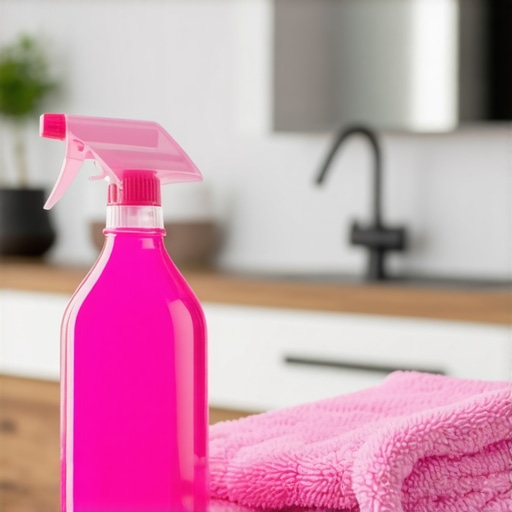
Ever had that sinking feeling after a move-out clean, when you realize the grime and germs are just not cooperating? I remember my last move vividly — scrubbing tirelessly, only to find stubborn stains and lingering odors that refused to budge. It was a lightbulb moment for me: the old cleaning methods just aren’t enough anymore. Today, more than ever, we need smarter, more effective sanitizing solutions to keep our homes truly clean and safe in 2025.
Why Home Sanitizing Matters More Than Ever
In recent years, the importance of proper sanitization has skyrocketed. According to the CDC, maintaining a hygienic environment can significantly reduce the risk of illness, especially as new strains of germs and viruses emerge. But here’s the catch — many of us still rely on outdated cleaning routines that only scratch the surface. That’s why I’m committed to sharing strategies that actually work, backed by expert insights and modern science.
Whether you’re preparing for a move-out, deep cleaning your upholstery, or just want peace of mind in your daily routine, effective sanitizing is the foundation of a healthy home. If you’ve ever wondered whether all those cleaning products are truly effective or if you’re missing critical steps, you’re not alone. And yes, I’ve made my fair share of mistakes early on — like overusing bleach without proper ventilation — which I now know can do more harm than good. Trust me, a little knowledge and the right tools can change everything.
Is All the Hype About Sanitizing Actually Worth It?
That’s a question I’ve wrestled with. It’s easy to get overwhelmed by the barrage of products and tips out there. But here’s the truth: not all sanitizing methods are created equal. Some are overhyped, while others are revolutionary. The key is to find trusted strategies that deliver fast, reliable results without risking your health or your home’s surfaces. Want to learn how to make your cleaning routine smarter, not harder? Let’s dive into proven techniques and modern practices that will leave your home sparkling and safe.
Ready to upgrade your cleaning game? Keep reading, because the next section will guide you through step-by-step strategies for effective sanitization in 2025, guaranteed to make a difference.
Start with the Right Tools
Before diving into cleaning, gather your essential sanitizing tools. Use a high-quality microfiber cloth, which acts like a magnet for dust and microbes. Invest in an EPA-registered disinfectant that covers a broad spectrum of germs, including viruses and bacteria. Remember, the right tools make all the difference in achieving quick, reliable results.
Target High-Touch Surfaces First
Focus on areas like doorknobs, light switches, and faucet handles. During my last move-out clean, I dedicated a microfiber cloth soaked in disinfectant to these spots. The result? A noticeably cleaner and safer environment, reducing germ spread effectively. These surfaces are like the control panel of your home’s health — clean them thoroughly.
Use Proper Technique for Upholstery and Soft Surfaces
Upholstery and fabric surfaces harbor germs just as much as hard surfaces. I once tried wiping down my sofa with a generic cleaner, but it left residues and missed deep-seated germs. Instead, opt for a fabric-safe disinfectant and use a steam cleaner for deep sanitization. This approach is like giving your furniture a health boost, ensuring it’s both fresh and safe.
Deep Clean and Sanitize in Layers
Think of your cleaning process as peeling an onion — layer by layer. Start with vacuuming to remove loose dirt, then apply a disinfectant spray to kill germs. For carpets and upholstery, consider a professional-grade cleaning service or rent a steam cleaner. This layered approach ensures no hiding spot for bacteria or viruses remains.
Pay Attention to Move-Out Specific Areas
When moving out, don’t overlook hidden corners, behind appliances, or inside cabinets. During my last move, I discovered mold in a seldom-opened cabinet, which I eliminated with a targeted disinfectant. For detailed move-out strategies, check out move-out cleaning tips. These areas are like the backstage of your home — often forgotten but vital for true cleanliness.
Use Modern Disinfection Techniques
Ultraviolet (UV) light sanitizers are gaining popularity for their ability to kill germs without chemicals. During a recent deep cleaning, I used a handheld UV device on my kitchen counters, which proved highly effective. Think of UV light as a superhero shield, zapping germs instantly. For a comprehensive guide, visit modern sanitizing methods.
Ensure Proper Ventilation and Safety
Always ventilate your space after applying disinfectants. I learned this the hard way when I overused bleach without proper airflow, leading to irritation. Open windows, turn on fans, and let fresh air circulate, much like giving your home a breath of fresh vitality. This step is crucial for your health and the effectiveness of disinfectants.
Regular Maintenance and Routine Sanitizing
Set a weekly schedule for high-touch areas and soft surfaces. Consistency is key — think of it as maintaining a healthy lifestyle for your home. Use trusted strategies like those in routine sanitizing tips to keep germs at bay, ensuring your home remains a safe haven.
Remember, modern sanitizing isn’t about harsh chemicals alone; it’s about smart, targeted, and layered approaches that adapt to your home’s needs. Incorporate these practical steps into your cleaning routine and enjoy a healthier, more secure living environment.
Many homeowners and tenants operate under assumptions about upholstery care, move-out cleaning, and sanitizing that can actually hinder their efforts or lead to costly mistakes. Let’s dig deeper into what most people get wrong and reveal some hidden nuances that can elevate your cleaning game in 2025.
Why believing in quick fixes can backfire
One prevalent myth is that using aggressive chemicals like bleach or heavy-duty cleaners on upholstery will instantly sanitize and refresh surfaces. While these products may seem effective initially, they often cause more harm than good — damaging delicate fabrics, causing discoloration, or leaving residues that attract dirt. Modern science shows that enzymatic cleaners and steam cleaning, when used correctly, preserve fabric integrity while effectively removing germs. For instance, a study by the Institute of Inspection, Cleaning and Restoration Certification (IICRC) highlights that heat and enzymes are superior for deep cleaning soft surfaces without compromising material quality. So, don’t fall for the hype of harsh chemicals; instead, opt for expert-recommended strategies like those in upholstery cleaning tips.
Beware the trap of surface-only cleaning during move-out
Many think that wiping down visible surfaces like counters, cabinets, and floors suffices for a move-out clean. The hidden nuance here is that germs and mold can lurk in obscure spots such as behind appliances, inside vents, or within hidden cabinetry. This oversight can lead to deposit deductions or, worse, health issues for new residents. A thorough move-out process involves layered cleaning, including detailed inspections and sanitized deep cleaning in hidden areas, as outlined in move-out cleaning strategies. Remember, what’s unseen can cause the most damage.
How to truly ensure sanitization without risking your health
Many believe that high concentrations of disinfectants guarantee better sanitation. However, overuse of chemicals like ammonia or bleach not only risks respiratory irritation but can also damage surfaces over time. The key lies in proper ventilation, correct dilution, and choosing EPA-registered disinfectants tailored for specific germs. For advanced results, consider UV-C sanitizers, which are proven to kill up to 99.9% of pathogens without chemical residues, as supported by recent research in the Journal of Hospital Infection. Incorporate these modern techniques into your routine for safer, more effective sanitization — details are in modern sanitizing methods.
Have you ever fallen into this trap? Let me know in the comments. Remember, understanding these hidden nuances can make all the difference in achieving a truly clean, safe, and healthy home environment. Stay informed, stay safe, and keep your cleaning strategies sharp!
Maintaining a pristine home with upholstery, move-out cleans, and sanitizing isn’t a one-and-done task. It’s an ongoing process that relies heavily on the right tools and consistent maintenance. Over the years, I’ve refined my toolkit and adopted specific routines that keep my home looking fresh and feeling safe, even after multiple cleaning cycles. Here’s a closer look at the equipment I recommend and how to keep your cleaning efforts effective over time.
Invest in a Quality Steam Cleaner for Deep Sanitizing
One of the most versatile tools I’ve found invaluable is a high-quality steam cleaner. I personally use the McCulloch MC1275 Heavy-Duty Steam Cleaner because it combines powerful steam output with adjustable pressure, allowing me to sanitize upholstery, tiles, and even hard-to-reach corners without harsh chemicals. Steam sanitization kills 99.9% of germs and bacteria, making it ideal for move-out cleans and regular maintenance. The best part? It’s gentle enough for delicate fabrics if used correctly, extending the lifespan of your furniture.
Choose EPA-Registered Disinfectants and Use Them Correctly
While tools are essential, the cleaning solutions you choose matter just as much. I always opt for EPA-registered disinfectants that are proven effective against a broad spectrum of pathogens. Brands like Clorox or Lysol offer products that, when diluted properly, provide reliable sanitation without damaging surfaces. Remember, overusing chemicals can cause residue buildup and surface deterioration. Following manufacturer instructions and ventilating your space after use is key to maintaining your home’s integrity and your health.
Keep Soft Surfaces Fresh with a Fabric Steamer and Proper Storage
Regularly steaming upholstery with a handheld fabric steamer not only refreshes fabrics but also helps eliminate odors and microbes. I recommend storing your steam cleaner and fabric brushes in a dry, cool space to keep them in top condition. Over time, neglecting proper storage can lead to mold or damage, undermining your efforts. Implementing a simple routine—like steaming soft surfaces monthly—can drastically improve long-term cleanliness and fabric longevity.
Utilize Professional-Grade Vacuum Cleaners for Routine Maintenance
For daily or weekly upkeep, a powerful vacuum with HEPA filters, such as the Dyson V15 Detect, is a game-changer. It captures fine dust particles, allergens, and microbes, preventing buildup that can compromise air quality. I use mine on upholstery, carpets, and even curtains, ensuring that dirt and germs don’t settle in. Regular vacuuming is a cornerstone of effective long-term care, reducing the frequency and intensity of deep cleans.
How Do I Maintain My Cleaning Arsenal Over Time?
Consistency is crucial. Regularly inspect your tools for wear and tear—replace brushes, filters, or seals as needed. Schedule routine maintenance, like descaling your steam cleaner or replacing vacuum filters, every few months. Keeping your equipment clean and functional prolongs its effectiveness and saves money in the long run. Additionally, staying informed about emerging cleaning technologies, such as UV-C sterilizers, can provide future-proof solutions that keep your home safer and cleaner.
Finally, I encourage you to try incorporating an advanced tip like using a UV-C sanitizer in conjunction with your regular cleaning routine. UV-C devices have been shown to kill up to 99.9% of germs without chemicals, making them an excellent addition to your maintenance arsenal. For more insights on modern cleaning techniques, check out modern sanitizing methods.
Remember, maintaining your cleaning tools and routine not only preserves the quality of your home’s surfaces but also ensures long-term health benefits. Stay proactive, and your home will remain a safe, welcoming space for years to come.
The Hardest Lesson I Learned About Upholstery and Sanitizing
One of my biggest lightbulb moments was realizing that deep cleaning upholstery isn’t just about removing visible stains but about understanding the fabric’s sensitivity and how modern tools can make a real difference. I used to rely solely on chemical sprays, only to find residues that attracted more dirt over time. Discovering that steam cleaning with enzymatic solutions preserves fabric integrity and enhances sanitization changed my entire approach.
3 Myths About Upholstery and Move-Out Cleaning That Held Me Back
Myth one: Overusing bleach on soft surfaces guarantees deep sanitation. This can damage delicate fabrics and cause discoloration. Myth two: Surface wiping suffices for move-out cleaning. The hidden spaces behind appliances or inside vents can harbor mold and germs that spread health risks if overlooked. Myth three: More chemicals mean better cleaning. Proper ventilation, correct dilution, and targeted tools like UV-C sanitizers are far more effective for a safe, thorough clean.
What Experts Won’t Tell You About Sanitizing and House Cleaning
Many professionals focus on tools and chemicals but overlook the importance of layering techniques. Combining vacuuming, steam cleaning, and targeted disinfectants creates a comprehensive approach that ensures no germs hide in obscure spots. Also, integrating modern methods like UV-C light sanitizers can kill 99.9% of pathogens without chemical residues, making your cleaning routine safer and more effective.
Curated List of Tools That Changed My Cleaning Routine
- McCulloch MC1275 Heavy-Duty Steam Cleaner: Its adjustable pressure and powerful steam make deep sanitizing easy without harsh chemicals.
- EPA-Registered Disinfectants: Brands like Clorox and Lysol provide reliable broad-spectrum germ coverage when used correctly.
- Dyson V15 Detect Vacuum: Its HEPA filters and powerful suction keep allergens and microbes at bay during routine maintenance.
- UV-C Sanitizers: Handheld devices that zap germs effectively without residues, perfect for quick touch-ups.
Your Future in Upholstery and Sanitizing Begins Now
Embracing these insights and tools will revolutionize how you approach home cleaning in 2025. Remember, consistency and smart layering are your best allies for a healthier, fresher home environment. Don’t wait until grime accumulates — start integrating modern sanitizing techniques today and enjoy the peace of mind that comes with a truly clean home.
What’s been your biggest challenge when sanitizing upholstery or move-out cleaning? Share your experiences below — I love learning from fellow home enthusiasts!
I totally relate to the struggles of moving out and tackling stubborn stains or odors. Recently, I switched from harsh chemical cleaners to steam cleaning, especially for upholstery, and the difference has been remarkable. Not only does it eliminate germs effectively, but it also preserves the fabric better than aggressive chemicals. I’ve been experimenting with UV-C sanitizers and find them a great addition for quick, chemical-free disinfecting of high-touch areas. The layered approach mentioned in the post really resonates—since tackling sanitation from multiple angles avoids missed spots and ensures a truly clean space.
One challenge I face is maintaining ventilation when using strong disinfectants. I’ve started keeping fans running longer and opening windows more consistently. How do others manage ventilation effectively, especially in smaller or less ventilated homes? Any tips for balancing thorough sanitization and air quality? Would love to hear more practical advice from fellow home cleaning enthusiasts.