
I remember the exact moment I realized my bed was basically a giant sponge for every bad habit I have. I’d just spilled half a cup of coffee while reading, and in my panic, I grabbed a bucket of soapy water and started scrubbing like my life depended on it. Big mistake. I ended up with a mattress that smelled like a swamp for a week because the moisture got trapped deep inside the foam. We spend about a third of our lives on these things, and yet, most of us have no idea how to clean them properly without turning them into a breeding ground for mildew. Today, I’m going to show you exactly how to handle sanitizing your sleeping space without the dreaded ‘soak and regret’ cycle.
Stop Drowning Your Bed in Water
The biggest hurdle with mattress care is that memory foam and inner-spring layers absolutely hate moisture. Once water gets into the core, it’s nearly impossible to get it out before mold starts to move in. When I first started obsessing over effective sanitizing methods for a germ-free home, I thought more liquid meant more clean. I was wrong. The secret isn’t saturation; it’s using the right dry or low-moisture agents to neutralize bacteria and odors. Whether you are dealing with a spill or just want to know how to remove yellow sweat stains from your mattress naturally, the goal is always to keep that foam as dry as a desert. Have you ever tried to deep clean a mattress only to realize it stayed wet for three days? It’s a nightmare I wouldn’t wish on anyone.
Will a Damp Mattress Actually Grow Mold?
This is the question that keeps most of us up at night—or at least it should. The short answer is a resounding yes. According to the Sleep Foundation, the average mattress can house between 100,000 to 10 million dust mites, and when you add moisture to that mix, you’re creating a literal party for microbes. I learned this the hard way when I tried to use a heavy-duty carpet cleaner on my guest bed. It looked great for an hour, but by the next morning, the room smelled musty. Now, I stick to the same principles I use for upholstery cleaning tips for a fresh home revival: mist, don’t pour. We are going to look at using high-percentage isopropyl alcohol and baking soda mixtures that kill the bad stuff on contact but evaporate before they can do any structural damage to your bed. If you’re also worried about chemicals, you might want to check out the safest way to disinfect a nursery without bleach for some gentler inspiration that works just as well in the master bedroom.
Suck Up the Microscopic Party Guests First
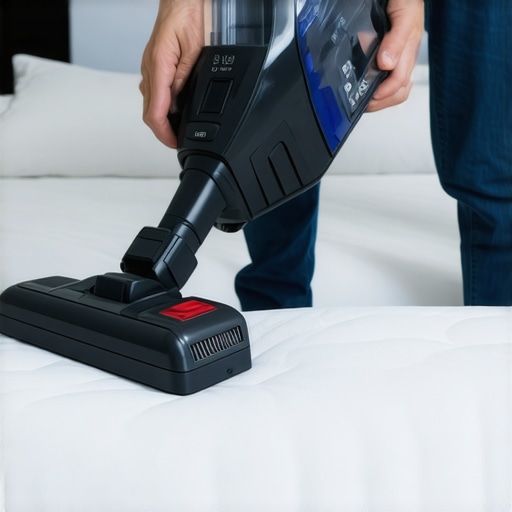
You can’t sanitize what’s buried under a layer of dead skin cells and dust. I used to think my standard upright vacuum was doing the job until I actually looked at the filter after a deep clean; it was horrifying. If you do not have a vacuum with a HEPA filter, you are likely just recirculating allergens back into your bedroom air. This is a common pitfall and often why your vacuum is actually spreading more dust around instead of removing it from the environment. To do this correctly, use the upholstery attachment and go in slow, overlapping rows across the entire surface, including the sides. Don’t rush this part. I once spent forty minutes on a single king-sized mattress after a flu season hit our house, and the volume of grey debris in the canister was enough to make me want to sleep on a tile floor.
The Dry Deodorizing Power of Baking Soda
Once the surface debris is gone, it is time to tackle the smells without reaching for the garden hose. I am a huge advocate for the ‘dry-treat’ method because it completely eliminates the risk of internal mold growth. Sift a generous, even layer of baking soda over the entire mattress surface. If you want a fresh scent, mix about five drops of lavender or lemon essential oil into the box of soda before you sprinkle. Let it sit for at least four hours—or a whole day if you can manage it. The soda physically pulls moisture and odors out of the top layers of the fabric. This technique is a core part of any ultimate upholstery care guide for lasting freshness because it works on almost any fabric without damaging the fibers. When you vacuum it up later, you will notice the mattress actually feels ‘lighter’ and smells neutral rather than like a perfume counter.
Kill Bacteria on Contact with High-Proof Alcohol
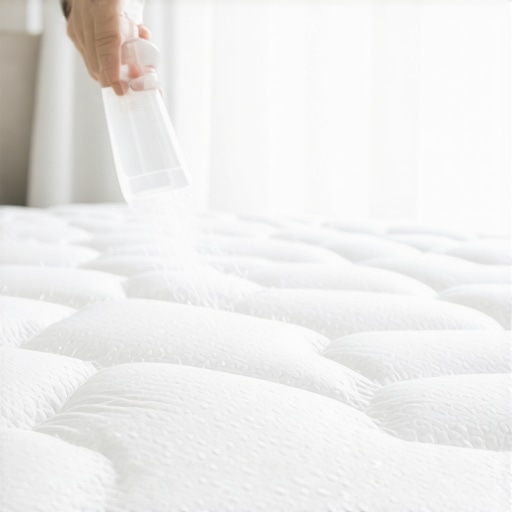
For the actual sanitizing phase, skip the bleach and the heavy commercial sprays that leave a sticky residue. I use 70% isopropyl alcohol in a fine-mist spray bottle. The reason this works so effectively is that alcohol at this specific concentration ruptures the cell walls of bacteria but evaporates so quickly it cannot soak the internal foam padding. It is one of those sanitizing secrets for a safer house in 2025 that professional cleaners use when they need a surface to be germ-free without long drying times. Mist the surface lightly—it should feel slightly cool to the touch, never damp or saturated. I remember a time I got impatient with a small spill and tried to speed up the process with heat, but I quickly learned why you should never use hairdryers on wet fabric spills; it can set a stain permanently or damage the delicate cooling fibers of a modern mattress cover.
Is Steam Ever a Safe Option?
A lot of people ask me if they should just use a heavy-duty steamer to kill germs. While high-temperature steam does kill microbes, the moisture trade-off is incredibly risky for memory foam or thick pillow-tops. If you choose to use steam, you must keep the wand moving constantly and follow up immediately with a high-powered floor fan to ensure no humidity lingers. If you are curious about the science of heat versus bacteria, check out is steam cleaning enough to kill bacteria on high-touch surfaces to see where it excels and where it fails. For a bed you need to sleep on tonight, I will always tell you to stick to the alcohol mist. It is safer, faster, and won’t leave you sleeping on a damp sponge at midnight.
It’s easy to get carried away when you’re prepping for a big move or a seasonal deep clean. Most people think that dousing everything in ‘natural’ vinegar is the ultimate move-out cleaning hack, but here is the truth: vinegar is an acid that can actually degrade the adhesives in your mattress layers or ruin the finish on nearby furniture. I see this all the time when people follow a move-out clean checklist to simplify your transition—they mistake ‘natural’ for ‘weak’ and end up damaging the very items they are trying to save. Have you ever accidentally ruined a piece of furniture by being ‘too clean’? Let me know in the comments, because I’ve definitely been there.
The ‘Natural’ Cleaner Trap That Ruins Mattress Fibers
Let’s talk about the baking soda myth. While I love it for neutralizing odors, using too much without a proper extraction plan is a recipe for disaster. If you do not have a high-powered machine, those tiny particles stay trapped in the fabric weave and act like microscopic sandpaper, slowly grinding down the fibers every time you roll over. Even worse, if you’re trying to implement sanitizing hacks for safe house transitions, fine powders can clog your vacuum’s filtration system. This is a huge reason why your vacuum filter is actually spreading dust around your home instead of capturing it. You think you’re cleaning, but you’re actually just blowing microscopic debris back into your breathing zone.
Why Your Vacuum Might Be Failing the Move-Out Test
A major nuance many homeowners miss is the technical difference between cleaning and disinfecting. According to a study published in the Journal of Applied Microbiology, common household sanitizers often fail because users don’t respect the ‘dwell time’—the specific duration a surface must remain wet to actually kill pathogens. If you spray and immediately wipe, you’ve done almost nothing to the bacteria. In my experience, following effective house cleaning secrets from cleaning experts means slowing down. You have to let your alcohol mist sit for at least thirty seconds to work its magic. If you’re rushing through a move, it’s tempting to skip this, but that’s how germs travel from your old house to the new one.
Does Every Mattress Need a Professional Disinfectant?
Not necessarily, but you need to know your fabrics. I’ve seen people try to use bleach-based sprays on a ‘dry clean only’ cover, which is a guaranteed way to lose your security deposit. If you are worried about the deep-down grime, focus on the seams. That’s where the real ‘party guests’ hide. Using sanitizing secrets for a safer house in 2025, like focusing on high-touch points and edge-to-edge vacuuming, will always yield better results than just spraying a ‘fresh scent’ and calling it a day. It’s about being surgical, not saturated. Being mindful of these small details ensures your sleeping environment stays healthy without compromising the structural integrity of your expensive mattress.
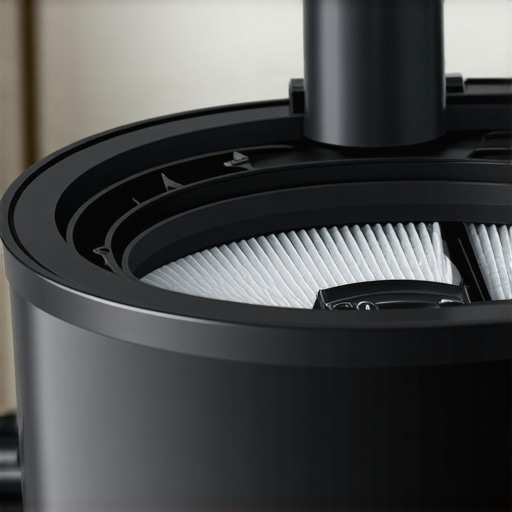
I’ve spent years testing every gadget that promises a ‘sterile’ home, and I’ve learned that the difference between a clean house and a healthy one comes down to the quality of your equipment. For me, a vacuum isn’t just a vacuum. If I’m doing a deep clean, I reach for my Miele with a certified HEPA filter. I’ve seen cheap vacuums fail the ‘black cloth test’ where you can actually see fine dust blowing out of the exhaust. This is exactly why your vacuum filter is actually spreading dust around your home. If you are looking for effective house cleaning secrets from cleaning experts, the number one secret is that we don’t use consumer-grade filters when a deep sanitization is on the line. According to the Association of Home Appliance Manufacturers (AHAM), true HEPA filtration is non-negotiable if you want to capture the 0.3-micron particles that carry allergens and bacteria; anything less is just moving the problem around.
How do I maintain a sanitized mattress over time?
The answer isn’t a massive annual scrub; it’s a daily house cleaning routine to maintain perfection. I recommend a high-quality mattress protector—not the plastic ones that make you sweat, but a breathable, waterproof membrane. It acts as a sacrificial layer that you can wash weekly, keeping the mattress core untouched by oils and skin cells. This is the bedrock of my ultimate upholstery care guide for lasting freshness. By washing the protector at 60°C, you kill the dust mites before they ever reach the foam. It’s a low-effort habit that prevents the need for aggressive chemicals later on.
Smart Fabrics and UV Lights are the Future of Cleaning
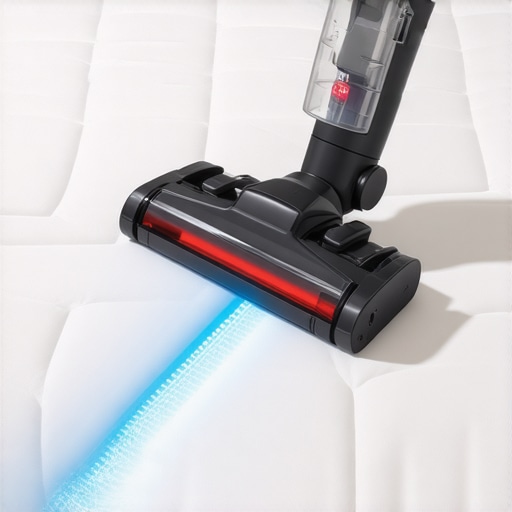
Looking ahead, I predict we are going to see a massive shift toward ‘active’ sanitization. We’re already seeing UV-C light wands becoming more mainstream, which I love for a chemical-free kill on high-touch surfaces. By 2025, expect mattresses to come with built-in antimicrobial fabrics that self-sanitize using integrated silver ions. Until then, you need to rely on the sanitizing secrets for a safer house in 2025 that involve targeted, tech-driven approaches. I’ve personally started using a handheld UV-C vacuum for the seams of my sofa and bed, and the lab results for bacteria reduction are staggering compared to traditional methods.
If you want to step up your game, try the ‘Cross-Hatch’ vacuuming technique today—it’s the single most effective way to pull deep-seated allergens out of your bed without using a drop of water. Vacuum the entire surface once horizontally, then once vertically using firm pressure. You’ll be shocked at what you missed the first time when you look at that canister.
The Hard Lessons I Learned About Bedroom Hygiene
After years of deep cleaning mattresses, I have had a few ‘lightbulb moments’ that completely changed how I approach my home. First, the smell of ‘clean’ shouldn’t be a chemical perfume; it should be nothing at all. If you are still relying on store-bought sprays, you might find why your fabric sofa still smells after using store-bought deodorizers applies to your mattress too. Second, I learned that heat is rarely your friend with modern materials. Keeping things cool and dry is the only way to preserve expensive memory foam. Finally, I realized that if your equipment is dirty, your bed will stay dirty. I’ve seen many cases where a poorly maintained machine is the reason why your vacuum cleaner is making the house smell worse during a deep clean.
My Essential Toolkit for a Germ-Free Sleep
I don’t believe in buying every gadget on the market, but these three items are non-negotiable in my house. I always keep a bottle of 70% Isopropyl Alcohol handy; it is the gold standard for killing surface bacteria without lingering moisture. For the physical removal of allergens, a HEPA-certified vacuum is my go-to because it actually traps the microscopic debris that regular vacuums miss. Lastly, I swear by a breathable, waterproof mattress protector. It’s the single best investment for anyone following an ultimate upholstery care guide for lasting freshness because it stops the problem before it starts. I trust these tools because they focus on science—not just marketing fluff. #IMAGE_PLACEHOLDER_E#
Wake Up Feeling Actually Refreshed
Sanitizing your mattress might seem like a daunting chore, but once you move past the ‘soak and scrub’ mentality, it becomes a simple, high-reward habit. You deserve to sleep in a space that is as healthy as it is comfortable. By incorporating these steps into your daily house cleaning routine to maintain perfection, you are protecting both your health and your financial investment. Your bed should be a sanctuary, not a source of stress. Have you ever discovered a ‘hidden’ mess under your sheets that totally surprised you? Let me know in the comments below!