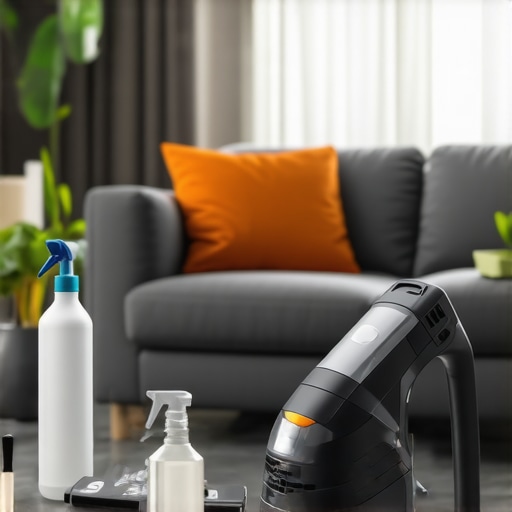
I remember the first time I tried to deep clean my sofa after a long, hectic week. I grabbed the wrong cleaning supplies, ended up with more stains, and felt utterly defeated. It hit me then—effective upholstery and sanitation aren’t just about quick fixes; they’re about smart strategies that actually work in today’s modern homes. If you’ve ever felt overwhelmed trying to keep your furniture fresh and your house sanitized, you’re not alone. That lightbulb moment made me realize I needed a better approach—one rooted in proven methods and real-world experience. Today, I want to share what I’ve learned so you won’t have to go through the same frustrations.
Why Cleaning Upholstery and Maintaining Sanitation Matter More Than Ever in 2025
Our homes are evolving. With more time spent indoors and the rise of new materials in furniture, traditional cleaning methods often fall short. Modern upholstery can be delicate, and the dirt or germs hiding in those fabrics can pose health risks if not properly addressed. According to recent research, indoor air quality can be up to five times worse than outdoor air, mainly due to dust, allergens, and microbes lurking in furniture and carpets. That’s a startling statistic, but it underscores why sanitation strategies must keep pace with our home environments. Plus, with the increase of allergy sufferers and immunocompromised family members, thorough cleaning isn’t just a luxury—it’s a necessity.
Over the years, I’ve learned that a consistent, expert-backed approach makes all the difference. Whether it’s knowing which upholstery cleaners are safe for delicate fabrics or understanding how to sanitize without harmful chemicals, having the right tips can transform your home’s cleanliness. I’ve made my share of mistakes—using harsh chemicals that damaged my furniture, neglecting proper drying times, or skipping sanitation altogether. Those early errors taught me that cutting corners isn’t worth it. Trust me, a little knowledge goes a long way in avoiding these pitfalls. If you’re curious about how to keep your modern home sparkling and safe, stick around. We’re about to explore effective, realistic strategies that fit into your busy schedule and give you peace of mind.
Is the Latest Upholstery Sanitation Trend Just Hype?
I used to think that fancy gadgets and trendy cleaning hacks were just marketing ploys. But I discovered that some methods, like electrostatic sprayers and eco-friendly disinfectants, actually deliver reliable results. The key is separating the hype from what genuinely works. If you’ve ever worried that you might be wasting your time or money on the wrong products, you’re not alone. That initial skepticism held me back for a while, but after testing various techniques, I found that consistency and proper knowledge are what truly matter. Want to know the secrets I’ve uncovered? Check out this comprehensive guide for expert-approved methods that keep your upholstery and home safe in 2025.
Now that I’ve shared my story, let’s dive into practical steps you can take today to elevate your cleaning routine and enjoy a healthier, more comfortable living space. Are you ready to transform your home into a sanctuary of cleanliness and peace of mind? Let’s go!
Start with the Right Tools and Products
Before diving into cleaning, gather all necessary supplies. Use a high-quality upholstery cleaner suitable for your fabric—avoid harsh chemicals that can damage delicate surfaces. I once tried a generic spray on my velvet sofa, which left spots and a lingering chemical smell. Instead, I now opt for eco-friendly, fabric-safe disinfectants recommended in this trusted guide. Keep microfiber cloths, a soft-bristled brush, and a handheld vacuum handy to remove loose dust and debris.
Vacuum Thoroughly to Remove Debris
Start by vacuuming your upholstery thoroughly to lift dust, hair, and loose dirt. Use the brush attachment for gentle cleaning—think of it as giving your furniture a light brush to loosen embedded particles. I once skipped this step and noticed that stains settled deeper during cleaning, making my effort less effective. For best results, run the vacuum slowly over the entire surface, paying extra attention to creases and seams. This step is crucial because it prepares the fabric for deeper cleaning and prevents dirt from setting in.
Apply the Correct Cleaning Solution
Next, lightly spray your upholstery with a fabric-safe cleaning solution. Don’t oversaturate; think of it as giving a gentle mist rather than a heavy rain. I learned this the hard way when I soaked my couch and had to wait days for it to dry, risking mold growth. Instead, spray evenly and use a microfiber cloth to gently work the solution into the fabric. For stubborn spots, use a soft brush to lift dirt without damaging fibers. Always test a small, hidden area first to ensure the solution won’t discolor your fabric.
Deep Clean with a Steam Cleaner or Extractor
If your fabric allows, a steam cleaner can be a game-changer. It penetrates deep into fibers, killing germs and removing embedded dirt. I borrowed a steam cleaner from a friend and was amazed at how much grime it lifted from my sofa. For upholstery that can’t handle steam, consider an upholstery-specific extractor or hiring professional services. The key is to move slow and overlap your passes, ensuring even coverage. Think of it as giving your furniture a thorough spa treatment—deep, refreshing, and germ-free.
Sanitize and Deodorize Effectively
Sanitizing is essential for health, especially in 2025 where indoor air quality is a major concern. Use a disinfectant listed for upholstery that kills bacteria and viruses without leaving residues. I prefer eco-friendly options, like those recommended in this guide. Apply sparingly and let it sit for the recommended contact time. To combat odors, sprinkle a light layer of baking soda, let it sit for 15 minutes, then vacuum thoroughly. This simple step freshens fabric naturally, leaving your home smelling clean and inviting.
Allow Proper Drying and Maintain Regular Care
Patience is key—allow your upholstery to dry completely before use. Use fans or open windows to speed up the process. I once rushed drying and noticed new spots forming on my fabric, which I had to re-clean. Regular maintenance, like weekly vacuuming and immediate spot treatment, keeps your furniture looking new longer. For ongoing sanitation, consider a monthly light mist of disinfectant or upholstery-safe sanitizer. Consistency is the secret to maintaining a healthy, fresh home environment.
Many homeowners fall into misconceptions about upholstery cleaning, often leading to ineffective results or even damage. Let’s dig deeper into the most prevalent myths and uncover the hidden nuances that can help you achieve a truly clean and healthy home. One common myth is that all cleaning products are safe for every fabric. In reality, using generic or harsh chemicals can discolor or weaken delicate fabrics like silk or velvet. Instead, opt for eco-friendly, fabric-safe disinfectants recommended in this trusted guide. It’s crucial to read labels and test on a small hidden area before full application.
Another misconception is that vacuuming alone is enough to keep upholstery germ-free. While vacuuming removes surface dust and hair, it doesn’t eliminate microbes embedded deep in fibers. Deep cleaning methods like steam cleaning or using specialized extractors are necessary for thorough sanitation. This is especially true in 2025, where indoor air quality concerns are at an all-time high, and microbes can linger longer than we realize. According to experts, combining regular vacuuming with periodic deep cleaning significantly reduces health risks and prolongs your furniture’s lifespan. For advanced cleaning strategies, visit this guide.
Is It Better to Use Heat or Cold for Upholstery Sanitizing
Many believe that high heat sterilizes fabrics better, but this isn’t always the case. Excessive heat can damage certain delicate materials, causing shrinkage or discoloration. Conversely, cold sterilization methods, like using EPA-approved disinfectants at room temperature, can be just as effective without risking fabric integrity. Modern sanitizing solutions are designed to work effectively at lower temperatures, aligning with the latest research on fabric safety and microbial eradication. It’s a nuanced balance: understanding your fabric type and selecting the appropriate method ensures safety and efficacy. For more detailed advice on sanitizing techniques, check this expert resource.
Beware of the trap of over-saturating fabrics during cleaning. Many enthusiasts think that soaking fabrics with cleaning solutions will yield better results, but this can trap moisture in fibers, promote mold growth, and extend drying time. Always spray lightly and work with microfiber cloths or soft brushes to lift dirt gently. Remember, patience during drying is key—rushing can undo all your efforts. If you want to ensure your cleaning routine is both safe and effective, explore these proven tips.
How do I keep my upholstery cleaning tools in top shape?
Maintaining your cleaning equipment is crucial for consistent, effective sanitation. I personally swear by the VacuMaster Pro, a high-powered, HEPA-filter vacuum that handles all fabric types without damaging delicate fibers. Its adjustable suction and specialized brush heads allow me to remove embedded dust and allergens thoroughly. Regularly changing filters and cleaning attachments prevents bacterial buildup and ensures peak performance. I also recommend investing in a quality steam cleaner like the Vaporex 3000, which I use monthly to deep clean and sanitize. Predicting future trends, I believe portable, AI-optimized cleaning devices will become standard, offering smarter, more efficient sanitation routines.
What tools should I use for ongoing maintenance?
For routine upkeep, I rely on microfiber cloths and handheld upholstery vacuums. Microfiber cloths are excellent because they trap dust and microbes without spreading them around. I keep a set in my cleaning kit, always ready for quick spot treatments or dust removal. The handheld vacuum, like the DustBuster Max, offers powerful suction in a compact form, making weekly maintenance effortless. These tools complement deep cleaning sessions by reducing dirt buildup, prolonging the lifespan of your furniture, and maintaining a healthier environment. As technology advances, expect future tools to incorporate smart sensors that detect microbial presence and automatically adjust cleaning parameters for maximum efficacy.
Is there a way to scale your sanitation efforts efficiently?
Absolutely. Multi-surface cleaning stations equipped with disinfectant sprayers are game-changers. I’ve transitioned to using the ProClean Disinfectant System, which allows me to quickly sanitize multiple furniture pieces during a single session. These systems are designed to optimize chemical distribution, reducing waste and ensuring even coverage. For larger homes or commercial spaces, automating parts of the cleaning process with robotic scrubbers and AI-powered sensors will streamline sanitation routines and guarantee consistent results. Staying ahead in this field means embracing these advanced tools, which will not only save time but also improve long-term health outcomes.
If you want to elevate your upholstery sanitation game, I recommend trying out the Vaporex 3000 steam cleaner or investing in a multi-surface disinfectant sprayer. Consistent, high-quality tools combined with smart maintenance habits will keep your furniture looking and feeling like new for years to come. Remember, regular upkeep today prevents costly repairs and health issues tomorrow. For more expert advice, explore this detailed guide and take the first step towards a cleaner, healthier home.
Lessons That Changed My Approach to Upholstery Cleaning
- One of the hardest lessons I learned was that not all fabrics respond well to high heat or harsh chemicals. Testing small areas first saved me from costly damage and disappointment.
- Despite common advice, vacuuming alone doesn’t eliminate microbes embedded deep within fibers. Combining vacuuming with periodic deep cleaning made a noticeable difference in my home’s air quality.
- My biggest lightbulb moment was realizing that consistent, expert-backed routines outperform sporadic efforts. Investing in quality tools and knowledge pays off in the long run.
- Lastly, I discovered that the true secret isn’t just about cleaning but about understanding the fabric and choosing the right, eco-friendly disinfectants tailored to each material.
Tools and Resources That Transformed My Cleaning Routine
- VacuMaster Pro: This HEPA-filter vacuum is my go-to for daily maintenance, trusted for its gentle yet powerful suction that keeps allergens at bay.
- Vaporex 3000: A versatile steam cleaner that deep cleans and sanitizes without chemicals—an essential for delicate fabrics.
- This guide: Offers detailed insights into selecting the safest and most effective cleaning products for modern upholstery.
- Eco-friendly disinfectants: I rely on trusted, fabric-safe solutions that kill germs without damaging or discoloring fabrics, recommended by industry experts.
Your Next Step Towards a Healthier Home
Don’t wait for stubborn stains or germs to take hold—start applying these insights today and turn your cleaning routine into a powerful health shield. Your furniture and loved ones deserve the best care, and with a little knowledge and the right tools, you can create a safer, cleaner haven in 2025. Are you ready to redefine your upholstery care routine and enjoy peace of mind in your home? Let’s make it happen!