
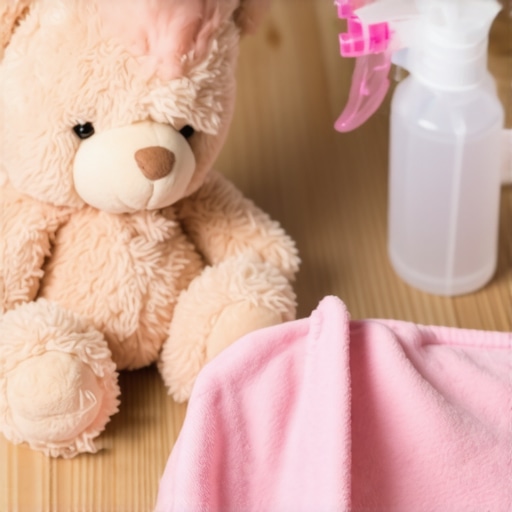
It happened at 3 AM. My daughter’s favorite vintage rabbit—the one with the delicate music box inside—had become a sticky, germ-ridden biohazard after a bout of the stomach flu. I stood over the sink, looking at the ‘Do Not Submerge’ tag, feeling like a total failure. In my early days of ‘adulting,’ I actually ignored a tag like that once. I tossed a battery-powered cat into a hot cycle, and let’s just say the ‘meow’ turned into a terrifying robotic groan that haunted my dreams for weeks. That poor toy was ruined, and I learned the hard way that some treasures just can’t handle the agitation of a drum. It was a visceral lesson in why some things require a softer touch.
When the Washing Machine is Your Plushie’s Worst Enemy
If you are staring at a delicate heirloom, a stuffed friend with electronic guts, or a ‘surface wash only’ tag, don’t panic. You aren’t stuck with a dirty toy. We’re going to tackle how to lift those stains and kill the bacteria without shrinking Mr. Fluffles into a felted mess. Whether you are dealing with sudden muddy messes or just a general ‘stink’ from years of love, I’ve found that the manual approach is actually much more effective for upholstery-style fabrics used in toys. Today, I’m walking you through the methods I swear by now. We will look at dry sanitizing, steam (with a major warning!), and gentle spot treatments. We aren’t just moving dirt around; we’re getting these toys safe enough for a toddler to snuggle again. It’s a vital part of a daily house cleaning routine that keeps the whole family healthy. Have you ever accidentally ruined a favorite item trying to get it ‘perfectly’ clean? Tell me your story in the comments so I know I’m not alone!
Can You Really Get the Germs Out Without Hot Water?
I know what you’re thinking: if it doesn’t go through a 60-degree cycle, is it actually clean? According to a study published by the American Academy of Pediatrics, soft toys can harbor significant levels of bacteria and even respiratory viruses, making them high-touch surfaces we often neglect. It’s a scary thought. But ‘surface wash’ doesn’t mean ‘weak wash.’ When I realized that effective sanitizing methods don’t always require a drowning, my whole perspective changed. Think of it like treating S-coded upholstery fabric; you have to be smart, not aggressive. I once tried to speed up the drying of a damp bear with a hairdryer, only to find the synthetic fur singed and matted. I learned then that you should never use hairdryers on wet fabric spills or delicate plushies. Heat is a tool, but it’s also a danger. We’re going to use science and patience instead of brute force.
Kill Dust Mites with a Quick Trip to the Freezer
Before you even touch a bottle of soap, you need to deal with the invisible residents. For toys that can’t handle heat or heavy moisture, extreme cold is your best friend. This is one of those sanitizing hacks for safe house transitions that works just as well for a nursery. Put the toy in a sealed plastic bag and stick it in the freezer for 24 hours. This kills off dust mites and can halt the activity of certain bacteria without risking the delicate glue or internal electronics. I remember doing this with a vintage teddy bear I found at a thrift store that had that distinct ‘old attic’ smell. It didn’t fix the smell entirely, but it gave me peace of mind that I wasn’t bringing a colony of mites into my living room.
Erase Stains One Small Circle at a Time
When it comes to the actual grime, think of the toy as a tiny piece of furniture. You wouldn’t soak your whole couch, so don’t soak the toy. I use the ‘dry foam’ method, which is one of the effective house cleaning secrets from cleaning experts. Mix a few drops of mild dish soap into a bowl of warm water and whisk it until you have a thick head of foam. Use only the foam on a white microfiber cloth. This prevents the stuffing from getting saturated, which is where the real danger lies. If the water reaches the inner core, it can take days to dry, leading to a musty interior. 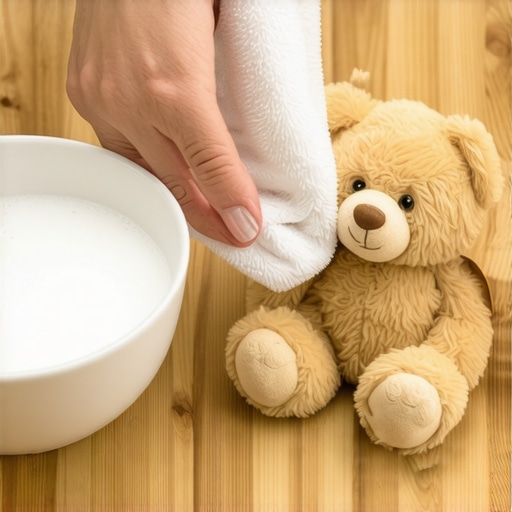
Avoid the Dreaded Water Ring
To prevent leaving a permanent mark, always work from the outside of the stain toward the center. This is similar to upholstery cleaning tips for a fresh home revival. I once tried to scrub a jelly stain off a white rabbit by rubbing back and forth aggressively. Not only did the stain spread, but the friction actually fuzzed the fabric. Now, I use the dish soap trick for spot cleaning grease stains on upholstery: dab, don’t rub. If the toy has a ‘pile’ or fur, use a clean, soft-bristled toothbrush to gently lift the fibers while they are still slightly damp.
The Slow Road to a Dry Toy
Never, ever try to speed up the process with a radiator or a tumble dryer. Intense heat can melt synthetic fibers (like those used in ‘fur’) and warp plastic eyes. Instead, roll the toy in a clean, dry white towel and squeeze gently to absorb excess moisture. Then, let it air dry in a well-ventilated spot away from direct sunlight. If the fur looks a bit matted once it’s dry, you can learn how to restore the texture of a flattened velvet sofa at home and apply those same principles—usually a very light brushing with a wide-tooth comb will do the trick. Keeping these items clean is as essential as any other part of an ultimate upholstery care guide for lasting freshness, ensuring your child’s favorite companions remain safe and soft for years.While we often reach for a steam cleaner thinking it is the ultimate ‘green’ solution, I’ve seen it go wrong more often than not. There is a common myth that steam solves everything, but is steam cleaning enough to kill bacteria on high-touch surfaces like plush toys? Not always. In fact, for many modern toys, the high temperature of steam—often reaching over 212°F—can instantly liquify the internal adhesives or permanently warp synthetic acrylic fibers. I once saw a beautiful designer bear turned into a matted, crunchy shadow of its former self because of a ‘quick’ steam intended to kill germs. When you’re dealing with delicate items, you aren’t just cleaning; you’re managing material science. If you over-steam, you risk ruining the very bond that keeps the toy together.
The Chemistry Trap Most People Ignore
Another common trap is the ‘natural’ cleaning myth. Many DIY guides suggest using white vinegar for everything, but vinegar is highly acidic (with a pH around 2 or 3). While it’s great for descaling a kettle, it can actually weaken the protein fibers in wool-blend plushies or cause some specialty dyes to bleed and fade. When you follow house cleaning strategies for a sparkling home today, you have to match the chemistry to the fabric. For plushies, a pH-neutral solution is far safer than a heavy-handed acidic one. This attention to detail is what separates a basic tidy-up from an ultimate upholstery care guide for lasting freshness.
Does Dwell Time Matter More Than the Cleaning Solution?
The biggest nuance I see people miss isn’t necessarily *what* they use, but *how long* they let it sit. This is the ‘Oops’ factor that catches even seasoned pros. We tend to spray a sanitizer and wipe it off immediately, but that’s essentially just ‘hygiene theater.’ To truly implement effective sanitizing methods, you have to respect what professionals call ‘dwell time.’ According to guidelines from the Environmental Protection Agency (EPA), most household disinfectants require a surface to remain visibly wet for anywhere from three to ten minutes to actually neutralize pathogens like Norovirus or Influenza. If you’re just misting a toy and drying it off to keep it from getting ‘too wet,’ you’ve basically just given the germs a lukewarm bath without actually killing them. 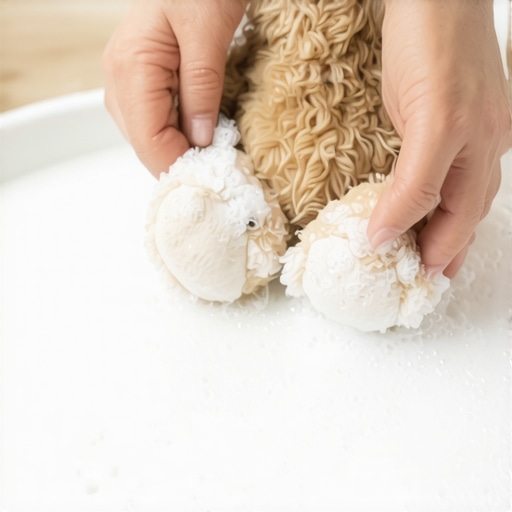 When you are looking for sanitizing secrets for a safer house in 2025, remember that while saturation is a risk for the stuffing, contact time is your only real defense against bacteria. This is why I prefer using a cloth dampened with a high-quality, alcohol-free sanitizer specifically designed for nurseries. It allows for controlled contact without soaking the inner core. Using the safest way to disinfect a nursery without bleach ensures that no harsh residues are left behind for a baby to ingest later. Have you ever accidentally ‘melted’ a toy or fallen into the trap of wiping away your cleaner too soon? Let me know in the comments!I’ve spent way too much money on gadgets that promised to ‘deep clean’ my home, only to find they were glorified lint rollers. If you’re serious about keeping these delicate items germ-free without destroying them, you need a handheld vacuum with a true HEPA filter. I personally use a Dyson handheld with a dedicated mattress attachment because the bristle stiffness is engineered to agitate fibers without shredding them. Standard upright vacuums often have too much raw power for a thirty-year-old teddy bear, and frankly, why your vacuum filter is actually spreading dust around your home is usually down to poor filtration seals. When you switch to a sealed HEPA system, you stop the cycle of blowing allergens right back onto the plushies you just ‘cleaned.’ It is a game-changer for anyone committed to a daily house cleaning routine to maintain perfection.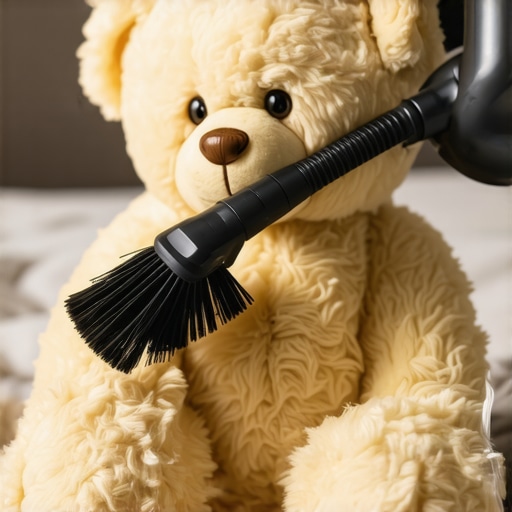
How do I maintain my plushies and upholstery for the long haul?
Maintenance isn’t a once-a-year event; it’s a strategy of small wins. Professional standards, specifically the IICRC S300 Standard and Reference Guide for Professional Upholstery Cleaning, emphasize that ‘soil suspension’ is the most critical phase of the process. For us at home, this means we should be focusing on dry soil removal—vacuuming—far more often than wet cleaning. I make it a habit to vacuum our high-touch soft toys every single Sunday. This prevents body oils and skin cells from bonding to the fabric, which is exactly why your fabric sofa still smells after using store-bought deodorizers. If the soil never gets a chance to settle deep into the fibers, you’ll rarely need to use moisture-based cleaners that risk the integrity of the toy’s internal stuffing. This proactive approach is one of the most effective house cleaning secrets from cleaning experts.
The Future of Home Sanitization is Smarter Than You Think
Looking ahead, I predict we are moving toward a world where ‘cleaning’ is verified by data, not just sight. We are already seeing the rise of affordable ATP (Adenosine Triphosphate) meters for home use, which allow you to swab a surface and get a digital reading of the microbial load. By 2026, I expect handheld vacuum attachments to come with built-in UV-C sensors that light up when a surface is truly sanitized. We are shifting from ‘clean-looking’ to ‘biologically safe.’ As you look for sanitizing secrets for a safer house in 2025, keep an eye on these tech integrations. If you are currently preparing for a transition, don’t forget that these delicate items need to be packed separately to avoid cross-contamination; it’s a vital part of any move-out clean checklist to simplify your transition. I challenge you to try the 24-hour freezer trick I mentioned earlier on just one favorite toy tonight—it is the easiest way to reset the ‘mite clock’ without using a single chemical or risking a single fiber.
Hard Truths About Soft Toys I Learned the Expensive Way
Over the years, I’ve realized that the scent of ‘clean’ is often a mask. If a toy smells like lavender but hasn’t been properly treated, the bacteria is still there, just wearing a perfume costume. I also learned that patience is actually a cleaning agent; if you don’t allow for the proper dwell time, you aren’t disinfecting at all. Furthermore, professional standards like the IICRC S300 guidelines for soil suspension aren’t just for carpets—they are the key to avoiding that ‘crunchy’ fabric feel on a favorite bear. Finally, remember that dry soil removal is 90% of the battle. If you skip the vacuuming step, you’re just turning dust into mud the second you add moisture. These realizations turned my stressful cleaning days into a manageable part of my daily house cleaning routine to maintain perfection.
My Go-To Toolkit for Delicate Fabric Maintenance
I rely on a specific set of tools to keep our nursery safe and our heirlooms intact. A high-quality handheld vacuum with a sealed HEPA system is my first line of defense to avoid spreading dust around your home while you work. I also keep a dedicated stash of white microfiber cloths—colored ones can sometimes bleed dye onto light-colored plush. For active germ-killing, I strictly follow the safest way to disinfect a nursery without bleach to ensure no caustic residues are left behind. Lastly, a simple soft-bristled toothbrush is essential for fluffing up fibers and preventing the ‘matted’ look that often ruins a toy’s charm after a spot treatment.
Keep Their Childhood Favorites Safe and Snuggly
Taking the extra ten minutes to clean these items properly isn’t just about looking good; it’s about protecting the health of your family. By mastering these sanitizing secrets for a safer house in 2025, you ensure that every hug is a germ-free one. Whether you are tackling a huge project from a move-out clean checklist to simplify your transition or just refreshing a single companion, your effort preserves these precious memories for the next generation. Your home—and your children—deserve that level of thoughtful care. What is the one toy in your house that you are most terrified to clean? Let me know in the comments below, and let’s figure out a safe plan together!