
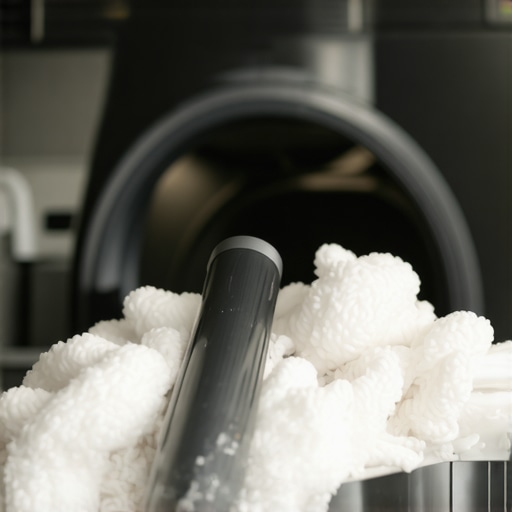
I smelled it before I saw it—that faint, acrid scent of toasted cotton. I was standing in my laundry room on a Tuesday evening, expecting the fresh scent of lavender detergent, but instead, I got a whiff of a potential disaster. I always thought I was doing enough. I am the guy who clears the lint screen after every single load. I even practiced some house cleaning strategies for a sparkling home today to keep the laundry room floor spotless. But that smell told me I was missing something huge. Look, I am not here to scare you, but I am here to tell you that your dryer is likely holding a fuzzy, highly combustible secret behind its metal panels.
Stop Thinking the Lint Screen Is Your Only Defense
The biggest mistake I made for years was assuming that the mesh trap caught everything. It does not. Over time, fine fibers sneak past that screen and begin to blanket the internal motor and the heating element. It is a slow-motion hazard. When I finally decided to open up the cabinet of my machine last year, I was horrified. There was enough lint in there to stuff a small pillow, sitting right next to the heat source. I felt like such an amateur. According to the National Fire Protection Association, nearly 16,000 home fires are sparked by dryers annually, with “failure to clean” being the number one culprit. It is not just about the vent—it is about the guts of the machine.
Does the interior really get that dirty if the vent is clear?
I used to be skeptical too. I figured if I knew the secret to cleaning your dryer vent from the outside, the airflow would just whisk everything away. But lint is stubborn. It is sticky and static-charged. It finds every nook and cranny inside the chassis. If you have been noticing your clothes taking two cycles to dry, or if the top of the machine feels hot enough to fry an egg, you have got a build-up problem. I even tried using my old upright to clean it once, but I quickly realized why your vacuum filter is actually spreading dust around your home rather than truly deep-cleaning the internal components. You need a specific approach to reach those hidden spots without damaging the delicate sensors. Have you ever noticed a weird, burnt-toast smell coming from your laundry room lately?
The Gear You Need to Do This Safely
Before we start pulling screws, let’s talk shop. You do not need a degree in appliance repair, but you do need to be intentional. We are going to move beyond your daily house cleaning routine to maintain perfection and get into the mechanical heart of the home. You will need a screwdriver, a long flexible vacuum hose attachment, and a bit of patience. We are going to ensure that your home stays safe and your dryer runs like it just came off the showroom floor.First things first: cut the power. You are working with high-voltage heating elements and moving parts that do not care about your fingers. Unplug the unit or flip the breaker. Once it is dead, move it out from the wall. You would be surprised how much dust lives back there; it is like the ‘Upside Down’ of your utility room. I remember the first time I did this, I found a petrified sock and three dollars in quarters just sitting behind the motor. It reminded me of the thoroughness needed for a move-out clean checklist to simplify your transition—you have to look where nobody else does.
Cut the Power Before You Cut Into the Core
Safety is non-negotiable. Before you touch a single screw, verify the machine is cold and disconnected. Working inside a dryer without unplugging it is like trying to fix a running car engine with a fork—it is a recipe for a bad night. While you have the machine pulled out, check the floor for signs of moisture or heat damage. If you see sticky residue, it might be worth knowing the move-out trick for removing scuffs from vinyl flooring so you do not leave permanent marks behind. The goal here is a total reset of the appliance’s environment.
Open Up the Chassis to Expose the Danger
Most dryers have a back panel or a top lift system held by a few hex-head screws. When I pulled the back off my old dryer, it felt like opening a time capsule of every load of laundry I had ever done. The lint was not just ‘dust’; it was a thick, felted blanket draped over the motor housing. This is where your effective house cleaning secrets from cleaning experts come into play—you need to see the grime to kill it. Remove the screws, set them in a magnetic bowl (seriously, do not just leave them on the floor), and gently pry the panel away. Be mindful of any grounding wires attached to the panel. 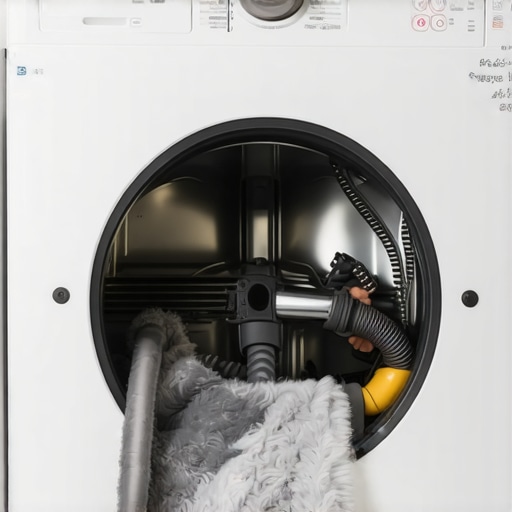
Navigate the Guts With a Flexible Vacuum Attachment
Once you are inside, avoid the temptation to just blow air around with a compressor. That just relocates the problem into the drum. Use a flexible vacuum hose—think of it like a long, hungry elephant trunk—to reach under the drum and around the heating element. Be extremely careful around the thin wires and sensors. I once got too aggressive with a plastic nozzle and almost snapped a moisture sensor. It was a stressful twenty minutes with a flashlight and a pair of tweezers trying to realign the bracket. This process is far more delicate than a standard daily house cleaning routine to maintain perfection. You are looking for those hidden pockets where the airflow naturally stalls, allowing lint to settle and bake against the hot metal.
Why the Blower Wheel Is Your Secret Efficiency Killer
The blower wheel is the fan that actually pushes the air. If this gets clogged with lint or, as I once found, a stray bobby pin and a clump of hair, your dryer will struggle to breathe. It is the same principle as why your vacuum filter is actually spreading dust around your home when it is full; if the air cannot move through the system, it just creates heat and stagnation. Use a small brush to dislodge the caked-on fibers from the fan blades, then vacuum the debris. Wipe the blades with a damp cloth to ensure they are balanced and can move air at max velocity. This one step alone cut my drying time by 15 minutes per load, proving that the meat of the machine is just as important as the lint trap.It is funny how we think we are being thorough when we are actually creating a secondary problem. Most homeowners approach upholstery with the same scrub-and-soak mentality they use on a kitchen floor, but that is a fast track to ruin. Everyone says that using more water and soap results in a deeper clean, but in my experience, over-saturation is the silent killer of furniture. When you soak a sofa, you are not just cleaning the surface; you are driving moisture into the foam where it cannot evaporate, leading to mold and that dreaded wet-dog smell. I have seen countless people search for upholstery cleaning tips for a fresh home revival only to end up with a ruined cushion because they ignored the drying time. According to the Institute of Inspection Cleaning and Restoration Certification (IICRC), improper moisture management is the leading cause of ‘wicking,’ where deep-seated dirt travels back to the surface as the fabric dries, leaving a permanent ring.
Why More Water Is Usually Your Worst Enemy
The biggest trap you can fall into is the ‘more is better’ philosophy. If you use too much detergent, you leave behind a sticky residue that acts like a magnet for new dirt. This is exactly why your upholstery cleaning company might be overcharging you if they have to perform multiple extraction passes just to clear out the DIY soap you left behind. Instead of drenching the fabric, focus on a high-pressure mist and immediate extraction. This keeps the moisture in the fibers and out of the structural foam. If you have ever wondered why your sofa smells like wet dog every time it gets humid, it is almost certainly due to trapped moisture from a previous ‘deep clean’ gone wrong. 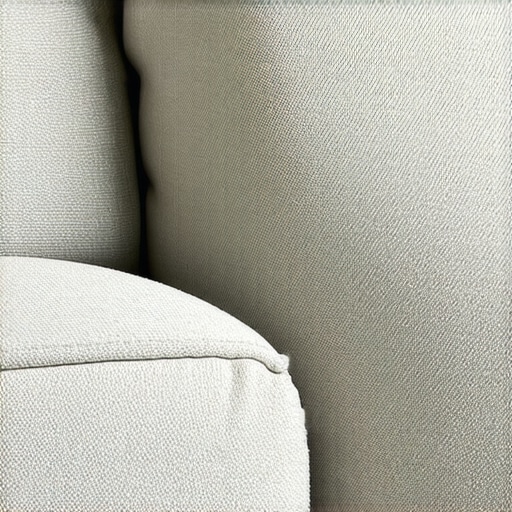
How to Identify the S-Code Trap Before It Is Too Late
There is a nuance to fabric types that most people miss until they see the fabric shrink or discolor. You must check the care tag for an ‘S’ code, which stands for ‘Solvent only.’ If you hit an S-coded fabric with water, you can cause permanent water spotting or fabric ripples. Learning how to treat s-coded upholstery fabric without ruining it is the difference between a successful refresh and a trip to the furniture store. It is the same level of detail required for a high-stakes move-out cleaning hacks ensure your deposit refund strategy—missing one small label can cost you hundreds of dollars.
Does your sanitizing routine actually kill germs or just move them around?
This is the question that separates the amateurs from the pros. Most people spray a disinfectant and wipe it off immediately. That is not sanitizing; that is just getting the surface wet. Most professional-grade disinfectants require a ‘dwell time’ of three to ten minutes to actually break down the cellular walls of bacteria. If you are just wiping and going, you are likely just spreading pathogens across a larger surface area. To truly protect your home, you need to follow effective sanitizing methods for a germ-free home that respect the chemistry of the product. The same applies to house cleaning strategies for a sparkling home today; speed is the enemy of true disinfection. Have you ever accidentally ruined a piece of furniture by being too clean? Let me know in the comments.
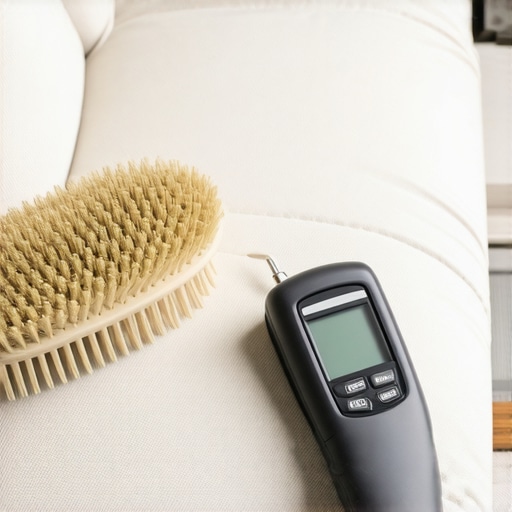
I am the guy who once spent three hours trying to save a thrifted velvet chair with nothing but a kitchen sponge and a prayer. It did not end well. If you want to move past the ‘just okay’ results of a Sunday afternoon scrub, you have to upgrade your toolkit. We are talking about the difference between a home that looks clean and a home that actually functions at a high level. For me, that meant investing in a real horsehair brush. Unlike plastic bristles, horsehair is soft enough to agitate dirt out of delicate fibers without causing pilling or tearing. It is one of those effective house cleaning secrets from cleaning experts that actually pays for itself the first time you do not have to reupholster a cushion.
How can I maintain a professional-level clean over the long term?
Consistency is not about working harder; it is about having the right gear staged and ready. I keep a dedicated ‘go-bag’ for my daily house cleaning routine to maintain perfection so I am never hunting for a specific nozzle or a specialized solvent. When you are looking at the long game, especially during a high-stakes transition, using a move-out clean checklist to simplify your transition helps you track the mechanical health of the home, not just the visible dust. In the future, I suspect we will all be using AI-driven sensors to detect moisture levels in our walls and furniture before we even smell the problem. We are already seeing a shift toward biostatic coatings that prevent germs from bonding to surfaces for up to 90 days. This is the new frontier of sanitizing secrets for a safer house in 2025.
Why a Moisture Meter is My Most Trusted Cleaning Secret
The single most important tool I own is not a vacuum or a mop—it is a digital moisture meter. I know it sounds like overkill for a homeowner, but it is the only way to know if your sofa is actually dry. If you have been following my ultimate upholstery care guide for lasting freshness, you know that trapped water is a recipe for disaster. I use the meter after every extraction to ensure the internal foam is below 15% moisture content. According to the Environmental Protection Agency (EPA), mold can begin to colonize within 24 to 48 hours on wet surfaces, so guessing is simply not an option. If you are worried about why your sofa smells like wet dog every time it gets humid, stop sniffing the cushions and start measuring the moisture. It is the same level of precision you need for move-out cleaning hacks ensure your deposit refund—data always beats a ‘visual check.’ Before you start your next deep clean, go find your furniture’s care tag and identify that ‘S’ or ‘W’ code right now so you do not accidentally ruin your favorite chair tonight.
The Most Expensive Mistakes I Made So You Do Not Have To
Looking back at my years as a homeowner, I realize I spent a lot of time cleaning surfaces while ignoring the systems that actually keep a house running safely. One of the biggest lightbulb moments I had was realizing that if I ignore the mechanics, the aesthetics do not matter. I once lost a security deposit because I focused on shiny countertops but ignored the dryer lint and the baseboards. If you are preparing for a transition, make sure you look at how to get your full security deposit back with this move-out list to avoid my early failures. Another hard truth? Smell is usually a chemical warning, not just an annoyance. If you smell something acrid in the laundry room or musty on the sofa, your home is literally telling you that a system is failing. Finally, never assume a label is a suggestion; whether it is an ‘S’ code on a couch or a ‘DO NOT COVER’ warning on a heater, those labels are there to prevent expensive disasters.
Tools That Moved Me Beyond the Basic Spray Bottle
I stopped relying on generic multi-purpose cleaners and started building a specialized kit that actually delivers results. Here is the gear I personally trust to maintain a professional standard:
- Digital Moisture Meter: This is the only way to verify that your fabric is dry enough to prevent mold growth. It is essential for any upholstery cleaning tips for a fresh home revival you might try.
- Flexi-Hose Vacuum Extension: Without this, you are just cleaning the front of your dryer. You need to reach the blower wheel to prevent fires.
- Horsehair Agitation Brush: This is my go-to for lifting hair and dust without pilling the fabric. It is significantly better than synthetic bristles.
- The EPA’s List N: I always cross-reference my disinfectants here to ensure they actually kill the pathogens I am worried about.
#IMAGE_PLACEHOLDER_E#
The Peace of Mind of a Truly Fresh Home
There is a specific kind of relief that comes from knowing the hidden corners of your home are as clean as the visible ones. It is not just about making things look pretty for guests; it is about creating a sanctuary that is safe, efficient, and free from hidden hazards like dryer lint fires or upholstery mold. By taking these extra steps, you are not just maintaining property value; you are protecting your health and your sanity. Implementing these house cleaning strategies for a sparkling home today will pay dividends in the longevity of your appliances and the freshness of your living space. Have you ever found something truly bizarre or concerning while cleaning out your dryer or couch guts? Let me know your weirdest discovery in the comments below!