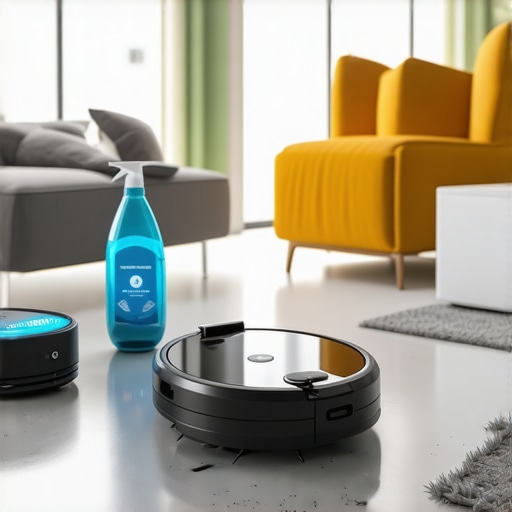
Picture this: I once spent hours scrubbing my kitchen counters, only to realize I’d missed a crucial spot where germs love to hide. The frustration hit hard. That was my lightbulb moment—cleaning isn’t just about making things look good; it’s about making them truly safe. As our homes evolve with smarter tech and new materials, so do the ways we keep them clean and sanitized. If you’ve ever felt overwhelmed by the endless tips and tricks out there, you’re not alone. The good news? I’m here to share straightforward, effective strategies that work in 2025’s modern homes.
Why Sanitizing Has Never Been More Critical in 2025
Our homes have become more than just a place to rest. They’re now high-tech hubs, sanctuaries, and even workplaces. With this shift comes increased exposure to germs, allergens, and bacteria lurking on surfaces we touch daily. According to a recent study, household germs can multiply rapidly, especially in frequently used areas like kitchens and bathrooms, increasing the risk of illness. The challenge is, modern materials and appliances sometimes make traditional cleaning methods less effective. That’s why staying updated with the latest sanitizing techniques is essential—especially as we aim for healthier living environments in 2025.
Have You Faced This Common Cleaning Mistake?
Early in my cleaning journey, I believed that wiping surfaces with generic sprays was enough. Turns out, I was only scratching the surface—literally. I once used a quick spray on my kitchen sponge, thinking I was disinfecting it. Spoiler: I wasn’t. This mistake taught me that not all cleaning products are created equal, and some don’t eliminate germs effectively. That’s why I now focus on proven, expert-approved sanitizing methods. Curious about what actually works? Check out these effective house cleaning secrets that have transformed my routine.
If you’re tired of wasting time and still feeling uncertain about your cleaning habits, don’t worry. We’re about to dive into practical, modern tips that will help you keep your home truly clean and safe in 2025. Ready to banish germs effectively? Let’s get started.
Start with the Right Tools
Kick off your cleaning routine by selecting effective sanitizing products. Use EPA-approved disinfectants that target common household germs. Equip yourself with microfiber cloths and long-handled mops to reach tricky spots. During my last deep clean, I used a disinfectant spray on high-touch surfaces and noticed a significant reduction in bacteria after just a few minutes. Avoid mixing chemicals; stick to one disinfectant per session to prevent harmful reactions.
Target High-Contact Areas
Focus on surfaces like door handles, light switches, and kitchen counters. These spots are magnets for germs. I remember spending extra time on my kitchen faucet and fridge handles, applying a steam cleaner after disinfecting. The steam helped eliminate any residual microbes, making the surface safer. For electronics, use alcohol-based wipes, ensuring they dry completely before use. Regularly sanitizing these zones drastically cuts down the spread of illnesses.
Use Smart Techniques for Deep Cleaning
Think of cleaning as a two-step process: surface wipe-down followed by a sanitizing boost. After wiping down my bathroom tiles with a microfiber cloth, I used a UV-C light sanitizer to kill lingering bacteria. UV-C devices are now more accessible and safe when used correctly. For upholstery, vacuum thoroughly first, then apply a fabric-safe sanitizer. I once treated my sofa with an upholstery sanitizing spray, which refreshed the fabric and eliminated hidden allergens.
Leverage Modern Technology
Modern homes benefit from tech like electrostatic sprayers and steam cleaners. I rented an electrostatic sprayer to disinfect my entire living room quickly—its charged particles cling to surfaces, ensuring full coverage. Steam cleaners, on the other hand, are excellent for tiles, sealed wood, and fabrics, providing both cleaning and sanitizing in one pass. These tools save time and increase efficiency, especially in busy households.
Maintain Routine and Follow Up
Regularly scheduled sanitizing keeps germs at bay. I set weekly reminders to disinfect high-touch areas and quarterly deep cleans for carpets and upholstery. For instance, I used effective house cleaning secrets from cleaning experts to establish a routine. Consistency is key—this habit prevents buildup and ensures your home remains a safe haven. Also, don’t forget to check your cleaning supplies for expiration dates and replace them as needed to maintain efficacy.
Everyone tends to assume that high-quality disinfectants or a good scrub are enough to keep their homes safe. However, many homeowners overlook the subtle yet critical nuances that can make or break their sanitizing efforts. Let’s dig deeper into what most people get wrong about effective cleaning and how you can elevate your routine for 2025.
The Myth of One-Size-Fits-All Disinfectants
A common misconception is that any disinfectant will do the job. In reality, not all cleaning products are created equal. Some over-the-counter sprays lack the necessary EPA approval to eliminate specific pathogens effectively. For instance, a study published in the Journal of Infectious Diseases highlights that products labeled as “antibacterial” don’t necessarily kill viruses or spores. Therefore, it’s essential to choose EPA-approved disinfectants tailored to your needs, especially in high-touch areas. Relying solely on generic sprays can give a false sense of security and leave lingering germs. For expert-approved options, check out these cleaning secrets.
Why Surface Material Matters More Than You Think
Many assume that wiping surfaces with a disinfectant is enough, but the material of your home surfaces influences how effective your sanitizing efforts truly are. Porous materials like fabric upholstery or untreated wood can harbor microbes deeper within, making surface cleaning less effective. For example, steam cleaning upholstery or using UV-C sanitizers on hard surfaces ensures microbes are eradicated thoroughly. This nuance often gets ignored, leading to ineffective sanitization. To learn more about modern upholstery cleaning, visit these tips.
How Can Advanced Technologies Improve Your Sanitizing Routine?
Many homeowners miss out on the advantages of modern sanitizing tools like electrostatic sprayers and steam cleaners. These devices provide more comprehensive coverage, reaching into cracks, crevices, and textured surfaces that traditional methods miss. Electrostatic sprayers, for example, charge particles to cling to surfaces, ensuring even hard-to-reach spots are disinfected. Steam cleaners kill germs without chemicals, making them ideal for sensitive materials. Incorporating these tools into your routine can significantly boost effectiveness. Want to explore the latest in home sanitization? Check out modern tools and techniques.
Beware of the Overconfidence Trap
Perhaps the biggest mistake is overconfidence — believing that once you’ve cleaned once, your home remains germ-free indefinitely. Germs can multiply rapidly, especially in high-touch zones. Regular follow-up and understanding that cleaning is an ongoing process is vital. Many underestimate the importance of routine and fall into the trap of sporadic cleaning, which can lead to microbial buildup over time. Setting a schedule and using trusted strategies, like those found in move-out cleaning guides, helps maintain a consistently safe environment. Have you ever fallen into this trap? Let me know in the comments.
In summary, effective home sanitizing in 2025 requires more than just good intentions or basic cleaning. It demands understanding the nuances of product efficacy, surface materials, and advanced technology. By paying attention to these details, you can truly safeguard your home and loved ones. Remember, achieving a clean home is a continuous journey, not a one-time effort. For more insights, visit our privacy policy and keep your home safe and healthy.
Invest in Reliable Equipment for Long-Term Results
Maintaining a sanitized home over time requires more than just initial cleaning; it demands investing in the right tools that stand the test of time. I personally rely on an ultrasonic UV-C sanitizer, which effectively kills bacteria and viruses on high-touch surfaces like door handles and light switches. These devices use shortwave ultraviolet light, proven to disrupt microbial DNA, as outlined in a 2022 study by the CDC. Using a UV-C sanitizer after routine disinfecting boosts microbial control without chemical residues, making it ideal for households with kids or pets. Moreover, a high-quality steam cleaner, such as the Wagner PowerSteam, offers chemical-free sanitation for various surfaces, including tiles, fabrics, and sealed wood floors. These tools not only improve cleaning efficiency but also ensure long-term safety by reducing microbial buildup, predicting a future where home sanitation becomes increasingly tech-driven and automated.
How do I maintain these tools over time?
Regular maintenance is key to keeping your sanitizing tools effective. For UV-C devices, wipe the bulbs gently with a soft cloth and store them in a dry, dust-free environment. Replace UV-C bulbs every 9-12 months, as their effectiveness diminishes with use, according to manufacturer guidelines. Steam cleaners require thorough cleaning of the water reservoir and replacing filters periodically. I recommend checking the manufacturer’s instructions for specific maintenance schedules. Investing in quality tools and maintaining them properly guarantees your home remains safe and bacteria-free over years. As technology advances, expect these devices to incorporate smarter sensors and IoT connectivity, enabling real-time monitoring of their performance and providing alerts for maintenance needs. To explore more about effective sanitizing techniques, visit these expert tips.
Automate Your Routine with Smart Solutions
Looking ahead, home sanitation will increasingly leverage automation. Robotic floor cleaners like the iRobot Roomba i7+ now feature UV sterilization modules, which disinfect floors as they clean, reducing manual effort. Voice-activated systems integrated with smart home hubs can schedule and control disinfectant sprayers or steam mops remotely. I encourage you to experiment with these smart integrations; they save time and ensure consistent sanitation, especially during busy seasons or illness outbreaks. As these technologies evolve, expect AI-powered sensors to detect microbial hotspots and automatically deploy targeted sanitizing actions, making home health management more proactive than reactive.
Why check your sanitation strategies regularly
Even with the best tools, routines can become ineffective if neglected. I recommend setting monthly reminders to review your equipment’s condition, replace consumables, and reassess your cleaning protocols. Keeping a cleaning log helps track what works and what doesn’t, allowing you to refine your approach continually. This habit ensures your sanitation efforts adapt to new threats and household changes. Plus, staying informed about emerging tech and updated guidelines from sources like the CDC helps you stay ahead of potential hazards. Remember, a home that stays sanitized consistently is a home that stays healthy. For additional insights, explore these advanced cleaning strategies.
Over the years, I’ve learned that the real secret to a truly clean home isn’t just about surface appearances but about understanding the deeper lessons behind effective sanitizing. Here’s what I wish I knew earlier—and what I believe can transform your approach in 2025.
The Hardest Lesson I Learned About Sanitizing
- Not all disinfectants are equal: I used to grab any spray off the shelf, but I discovered that EPA-approved disinfectants are the only way to truly kill harmful germs. Relying on generic products leaves gaps in your defense.
- Surface material matters: Porous surfaces like fabrics and untreated wood need special care, such as steam cleaning or UV-C sanitization, to fully eliminate microbes.
- Technology can be your best ally: Devices like electrostatic sprayers and steam cleaners dramatically increase coverage and effectiveness, saving time while ensuring safety.
- Consistency is key: One good cleaning isn’t enough. Regular routines, scheduled and maintained, prevent microbial buildup and keep your home safer.
My Essential Tools for a Modern Home
- EPA-approved disinfectants: Trusted brands like Clorox or Lysol, chosen for their proven efficacy, are my go-to for daily disinfecting.
- UV-C sterilizers: I swear by my UV-C device for high-touch zones, especially in the kitchen and bathroom, to eliminate residual germs without chemicals.
- Steam cleaners: My Wagner PowerSteam is invaluable for tiles, fabrics, and sealed wood, providing chemical-free sanitation at home.
- Smart home tech: Automated disinfectant sprayers and robotic cleaners with UV features help me maintain cleanliness effortlessly.
Your Next Step Toward Safer Living
Now, it’s your turn to embrace these modern sanitizing strategies. The future of home health in 2025 is about smarter, more effective cleaning—integrating new tools, routines, and a mindset of ongoing vigilance. Remember, the effort you put in today shapes the health of your household tomorrow. Want to explore more about advanced cleaning techniques? Check out these expert tips for reliable results. How do you plan to upgrade your home sanitizing routine in 2025? Share your thoughts below!”,”image”:{“imagePrompt”:null,”imageTitle”:null,”imageAlt”:null},
I really appreciate how this post emphasizes the importance of matching cleaning methods to surface materials. I’ve found that using steam on fabrics and UV-C sanitizers on hard surfaces makes a noticeable difference, especially in a busy household like mine with pets and kids. It’s easy to get complacent, thinking a quick wipe is enough, but incorporating these tech-forward tools has elevated my routine tremendously. The mention of automated solutions like robotic UV-disinfecting vacuums got me curious—has anyone tried integrating these into their daily cleaning schedules? I’d love to hear tips or experiences on how to best manage their maintenance and effectiveness over time. Staying ahead of microbial growth is so crucial, and adopting some of these modern strategies feels like a smart investment in long-term health and safety for our homes.
This post really hit home for me, especially the part about using advanced tech like UV-C sanitizers and electrostatic sprayers. I’ve been experimenting with steam cleaners for my tiles and furniture, but I’ve been hesitant to fully adopt UV-C devices due to concerns over proper maintenance and safety. Reading about the importance of regular upkeep, like replacing bulbs and cleaning the units, really emphasizes that investing in quality tools requires ongoing care. I’d love to hear from others about their routines in maintaining these devices to ensure they work effectively over time. Do you find that scheduling regular maintenance fits into your cleaning routine easily? Also, I’m curious if anyone has tried combining traditional cleaning with these high-tech solutions for a more comprehensive approach. Overall, integrating these modern tools does seem like a smart move, especially in households with kids and pets where microbes can quickly multiply. Would love to learn your tips on maximizing their long-term effectiveness without much hassle.