
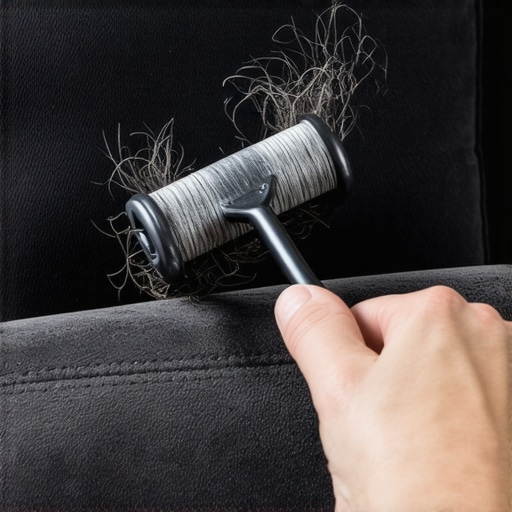
I’ll never forget the afternoon my neighbor, Mrs. Gable, decided to drop by unannounced for tea. I glanced over at my gorgeous, slate-grey suede armchair—the centerpiece of my living room—and felt my stomach drop. It didn’t look grey. It looked like a fuzzy, blonde topographical map of my Golden Retriever’s favorite nap spot. I panicked. In a moment of pure, unadulterated desperation, I grabbed a damp kitchen towel and started scrubbing. If you know anything about suede, you’re probably cringing right now. I ended up with a matted, dark stain that took weeks to fix because I didn’t follow a proper upholstery care guide. Today, I’m going to make sure you never make that same mistake. We’re tackling the fastest way to pull every single strand of fur off that delicate fabric without leaving a single mark or spending an hour on your knees.
Why Suede and Dog Hair Are a Match Made in Cleaning Hell
Dealing with suede is a bit like handling a sensitive plant; it’s easily offended and has a very specific set of rules. Unlike sturdier fabrics where you can just go to town with a heavy-duty vacuum, suede has a ‘nap’—those tiny little fibers that give it that soft, luxurious feel. Dog hair doesn’t just sit on top of these fibers; it weaves itself into them like a stubborn houseguest. I used to think a standard lint roller was the answer, but honestly, those things are often useless against deeply embedded fur. If you’ve ever felt like your vacuum is just pushing the hair around, you aren’t alone. In fact, most vacuum cleaners can actually make your house dustier or more hair-filled if the brushes aren’t designed for fine upholstery. According to the textile care specialists at the IICRC, improper mechanical action on delicate hides can cause permanent distortion of the pile. Have you ever spent twenty minutes scrubbing a spot only to realize the hair hasn’t moved an inch? It’s soul-crushing.
Can You Actually Get Suede Clean Without Ruining It?
I know what you’re thinking because I thought it too: ‘If I can’t use water and I can’t use a standard brush, am I just stuck with a furry chair forever?’ The fear of ruining the texture—that ‘crunchy’ feeling suede gets when you mess up—is real. But the secret isn’t more friction; it’s the right kind of grip. While some folks suggest removing pet hair from velvet without a roller, suede requires a slightly different touch to keep its sheen and avoid bald spots. I’ve found that the absolute fastest way involves a simple household item you probably have in your kitchen right now, and no, it isn’t a wet sponge. Before we dive into the step-by-step, I have to ask: what’s the weirdest thing you’ve tried to use to get pet hair off your furniture? Drop a comment and let me know—I bet I’ve tried it too! We need to maintain the integrity of the material while being ruthless with the fur, which is why upholstery cleaning tips for a fresh home revival are so vital for pet owners.
Use a Rubber Glove to Static-Shock the Fur Out
Forget those sticky rollers that lose their grip after three swipes. The most effective tool in your arsenal is a common kitchen item: a dry rubber dish glove. When you rub the rubber against the suede, it creates static electricity that acts like a magnet for pet hair. I remember the first time I tried this on the side of my sofa where Barnaby, my retriever, loves to lean. It looked like a solid wall of beige fur. I put on the glove, made one long stroke, and watched the hair roll up into a furry tumbleweed instantly. It didn’t just move the hair; it lifted it out of the weave. This is one of those effective house cleaning secrets from cleaning experts that saves hours of frustration. You want to use short, firm strokes in a single direction. If the glove stops gripping, just rinse it, dry it completely—and I mean completely—and start again. Water is the enemy of suede, so never use a damp glove. 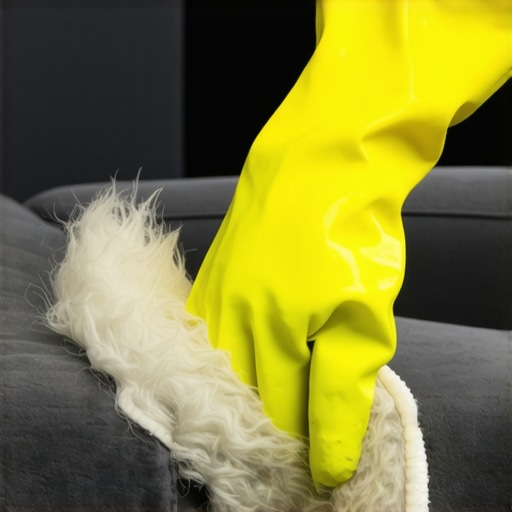
Brush the Nap Back to Life
Once you’ve cleared the bulk of the hair, your suede might look a little flat or ‘tired.’ This is because the tiny fibers, or the nap, have been crushed down by the weight of your pet and the friction of cleaning. To fix this, you need a dedicated suede brush—usually one with soft brass or nylon bristles. Brush the entire surface in small, circular motions to stand the fibers back up. This is a critical step in any ultimate upholstery care guide for lasting freshness. If you skip this, the fabric will eventually lose that signature soft texture and start looking like shiny, worn-out leather. Think of it like brushing your own hair after a long nap; you’re just putting things back where they belong.
Stop Your Sofa From Smelling Like a Kennel
Pet hair is rarely just hair; it carries oils and dander that can make your furniture smell. You might notice that your sofa smells like wet dog every time it gets humid, and that’s because the organic material trapped in the suede is reacting to the moisture in the air. To combat this without using liquids, sprinkle a thin layer of dry baking soda over the surface after you’ve removed the hair. Let it sit for at least 20 minutes to absorb the odors, then use your vacuum’s upholstery attachment—the one with the soft lint strips—to gently lift the powder away. Make sure your vacuum is clean, otherwise your vacuum cleaner is actually making your house dustier by blowing old dander back into the room.
Sanitize Without the Soak
If you are worried about bacteria, especially during flu season or after a move, you need to be careful. While is steam cleaning enough to kill bacteria on high touch surfaces is a common question, you should never steam genuine suede at home. Instead, look for a specialized suede-safe sanitizing spray that uses an alcohol base which evaporates quickly. This is part of maintaining a daily house cleaning routine to maintain perfection without risking water spots. Always test a hidden spot first. For deeper issues, exploring effective sanitizing methods for a germ-free home will help you keep your living space safe without ruining your expensive furniture pieces.
Stop Treating Suede Like It’s Just Fancy Carpet
Here is where most people get it wrong: they treat suede like it is just a thicker version of their living room rug. It’s not. While the rubber glove trick is a lifesaver for surface hair, the real nuance lies in how you handle what is under the fur. Everyone says to use baking soda to lift odors, but in my experience, this can be a recipe for disaster. If your home has even a hint of humidity, that fine powder can clump and bond to the delicate fibers, creating a gritty texture that feels like sandpaper. This is why your sofa smells like wet dog every time it gets humid—you’ve essentially created a moist, organic paste that traps bacteria instead of neutralizing it. Have you ever fallen into this trap? Let me know in the comments!
Deciphering the Mysterious S-Code on Your Sofa Tag
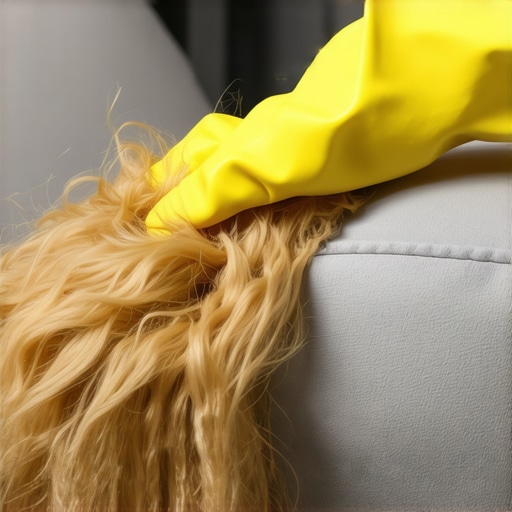
If you look under your cushions, you will likely see a tag with a capital ‘S.’ This is not a suggestion; it is a strict warning. It means you must use solvent-based cleaners only. Many DIYers think ‘solvent’ is just a fancy word for ‘soap,’ but using water-based dish soap on an S-coded fabric is the fastest way to leave permanent water rings. Learning how to treat s-coded upholstery fabric without ruining it is the difference between a sofa that lasts ten years and one that looks trashed in two. A common mistake during a move out cleaning is trying to deep-clean everything with a rental steamer. For suede, that is a death sentence. According to industry experts at Cleanfax, high-heat steam can permanently shrink the protein bonds in leather-based suedes, leading to warping that no brush can fix. If you are handling a transition, sanitizing secrets for a safer house in 2025 dictate that we must move away from moisture-heavy saturation and toward volatile solvents that evaporate before they damage the hide.
Why Does Your Professional Fabric Protector Still Fail?
You might have paid extra for a ‘stain-guard’ when you bought your furniture, but here is the hidden nuance: those protectors are often hydrophobic, meaning they repel water, but they do not do much against the oils found in dog fur. Over time, your pet’s natural skin oils break down the chemical bonds of the protector. This is why most fabric protectors don’t work on cheap upholstery or even high-end suede if they aren’t reapplied after a mechanical cleaning. If you are looking for effective sanitizing methods for a germ-free home, remember that agitation is more important than product volume. You want to lift the hair and the dander out, not push them deeper. Always prioritize upholstery cleaning tips for a fresh home revival that focus on the integrity of the pile. Keeping your furniture pristine isn’t just about removing hair; it’s about respecting the chemistry of the fabric to ensure long-term durability and freshness.
The One Tool That Beats Every Chemical Cleaner
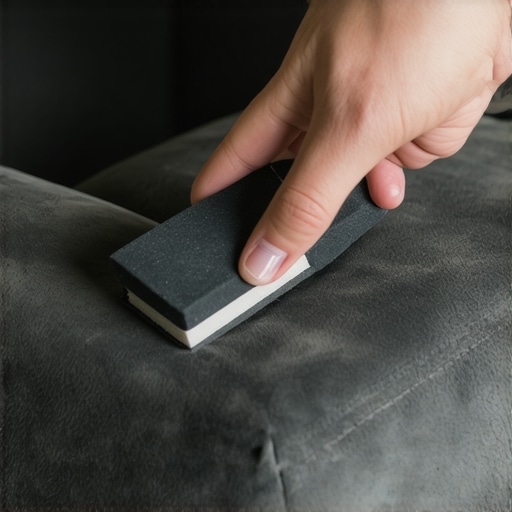
If you are tired of playing a guessing game with solvents, you need to invest in a suede eraser. I personally swear by this little block of crumbly rubber because it works on a mechanical level rather than a chemical one. Unlike sprays that can saturate the hide, a suede eraser physically grabs onto dried-on debris and pulls it away from the nap. When I’m tackling a tough spot, I use the eraser to gently ‘sand’ the area, followed immediately by a firm brushing. This is one of those effective house cleaning secrets from cleaning experts that most people ignore because they are looking for a magic spray. The friction creates just enough heat to loosen oils without compromising the fabric’s integrity. If you are preparing for a landlord inspection, using this tool is among the best move-out cleaning hacks to ensure your deposit refund, as it removes scuffs that vacuums simply cannot touch.
Keep Your Suede Looking New for Decades
Longevity isn’t about one-off deep cleans; it is about the micro-habits you bake into your life. The Leather Industries of America (LIA) notes that the natural pH of most animal-hide based suedes is slightly acidic, around 4.5 to 5.0, so using alkaline household cleaners is a guaranteed way to cause structural breakdown. This is why I advocate for a strict ‘dry-only’ maintenance rule. I’ve incorporated a five-minute ‘nap reset’ into my daily house cleaning routine to maintain perfection. Every evening, I give the high-traffic areas a quick once-over with a soft-bristle brush. This prevents the fibers from matting down, which is where dust and skin oils love to hide. By keeping the pile upright, you’re essentially creating a breathable barrier that keeps the sofa looking like it just left the showroom.
How Do I Keep My Suede Sofa Fresh Between Deep Cleans?
The secret to mid-term maintenance is your vacuum’s filtration system. You must use a HEPA-certified vacuum with a dedicated upholstery tool. If your filter is clogged or low-quality, your vacuum cleaner is actually making your house dustier by recycling fine pet dander back onto the suede. I make it a point to vacuum the crevices every Sunday, using the ‘stipple’ method—pressing the tool down and lifting it straight up rather than sliding it. This pulls dust from the base of the nap without fraying the fibers. For those who want a truly comprehensive approach, following an ultimate upholstery care guide for lasting freshness will help you identify the specific needs of your fabric before a minor issue becomes a permanent stain.
The Future of Fabric: Will We Ever Have to Scrub Again?
Looking ahead, I predict we are moving toward a world of ‘smart’ textiles. We are already seeing the rise of bio-engineered fabrics and nanotech coatings that are permanently bonded to the fibers during manufacturing. In the next few years, I expect to see residential suede that is inherently oleophobic, meaning it will repel the very oils from your pet’s fur that currently cause so much trouble. This shift will change our approach to sanitizing secrets for a safer house in 2025, moving us away from harsh chemicals and toward light-activated self-cleaning surfaces. Until then, we have to rely on the right tools and a bit of elbow grease. I challenge you to go out and buy a dedicated suede brush this week; use it for just two minutes a day and watch how the texture of your sofa transforms. It’s a small investment that provides a massive return on your home’s aesthetic. For more advanced techniques, check out these upholstery cleaning tips for a fresh home revival and start treating your furniture with the respect it deserves.
What I Learned the Hard Way About Delicate Fabric Care
After years of trial and error with my own pets, I have realized that the most expensive mistakes usually happen when I am in a big hurry. My biggest lightbulb moment was discovering that water is almost never the answer for suede. If you feel the urge to scrub a spot with a wet cloth, stop immediately. Instead, focus on mechanical lifting and gentle friction. I also learned that natural skin oils from our dogs are often more damaging than the hair itself because they act like a glue for dust. Always respect the manufacturer’s code; mastering how to treat s-coded upholstery fabric without ruining it is the single most important skill for a pet owner. Patience truly beats pressure every single time when you are trying to restore that original softness.
Tools That Actually Earned a Permanent Spot in My Cleaning Cabinet
I don’t believe in cluttering my home with every gadget on the market, but three items are now non-negotiable for my routine. First is the suede eraser, which acts like a magic wand for dry scuffs and stubborn debris that a vacuum misses. Second, I rely on a HEPA-filtered vacuum because I realized why your vacuum cleaner is actually making your house dustier when it lacks the proper filtration for fine dander. Lastly, a high-quality soft brass brush is the only tool I trust to reset the nap without tearing the hide. These are the effective house cleaning secrets from cleaning experts that turn a frustrating, hour-long chore into a quick five-minute maintenance task.
#IMAGE_PLACEHOLDER_E#
Turn Your Living Room Into a Sanctuary Again
Your home should be a place where you can relax with your furry friends without constantly worrying about the state of your expensive furniture. By implementing these upholstery cleaning tips for a fresh home revival, you take back control of your living space and extend the life of your investment. Don’t let the fear of a mess stop you from enjoying your beautiful suede pieces. Start with the rubber glove trick tonight and see for yourself how satisfying it is to watch that hair simply roll away. You now have the knowledge to handle even the toughest fur situations with professional-level confidence. Have you ever accidentally ruined a piece of furniture with a DIY cleaning hack that went wrong? Let’s share our horror stories and what we learned in the comments below!