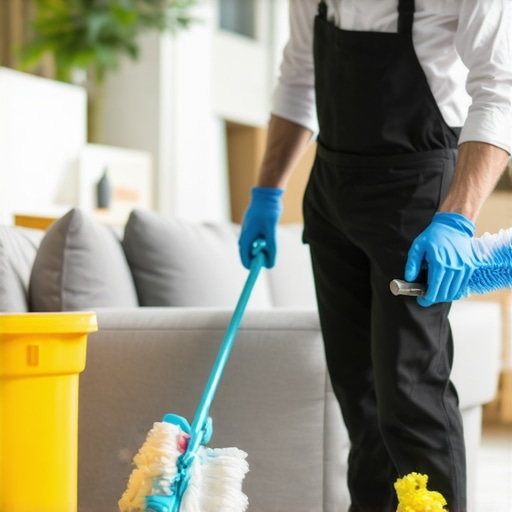
I remember the first time I tried to do a thorough move-out cleaning on my own. I was confident, armed with basic supplies, and a playlist to keep me motivated. But after hours of scrubbing and mopping, I looked around at the still-dirty corners and dusty surfaces, feeling like I had just wasted my entire Saturday. That moment was a lightbulb for me—effective move-out cleaning isn’t just about rushing through chores. It’s about strategy, knowledge, and knowing exactly what to target to ensure everything is spotless and ready for the next occupant or landlord inspection.
Why Move-Out Cleaning Can Make or Break Your Transition
If you’ve ever faced the stress of a looming move deadline or a tight security deposit refund, you’ll understand why cleaning effectively is so crucial. Poorly executed move-out cleaning can lead to deductions, disputes, or even losing your deposit entirely. Plus, a clean space isn’t just about appearances. It’s about sanitation, health, and making sure your old place leaves a good impression—especially if you want to rent or sell it later. From my experience, the key is not just cleaning harder, but cleaning smarter. That’s what I want to share with you today—tried-and-true strategies that will help you achieve fast, reliable results every time.
Is it really worth investing in expert cleaning tips?
Early on, I made the mistake of thinking I could wing it with basic cleaning spray and a sponge. Spoiler: It didn’t work. I overlooked the importance of targeted sanitation, especially in high-touch areas. That oversight cost me extra time and, in some cases, my deposit. Experts emphasize that specific techniques—like focusing on sanitizing high-traffic zones and using the right tools—can drastically improve results. Want to see how I turned that around? Let’s dive into the secrets of effective move-out cleaning, ensuring you don’t leave money on the table or risk health hazards. If you’ve faced similar struggles, you’re not alone, and I’ve got some tips to help you succeed—so stay tuned!
Prioritize High-Traffic Areas for a Clean Break
Start with the kitchen and bathroom, where dirt and grime accumulate most. I once tackled a kitchen by first removing all appliances and wiping down behind and underneath. This prevented dust and debris from spreading to other areas. Use a microfiber cloth and a multi-surface cleaner, focusing on countertops, sinks, and cabinets. Don’t forget to scrub the grout lines—an often overlooked spot that can harbor mold and dirt. For high-touch surfaces like doorknobs and switches, sanitize thoroughly to eliminate germs and ensure a trustworthy clean. For detailed tips, check out sanitizing hacks for safe house transitions.
Deep Clean Floors and Carpets to Leave a Fresh Impression
Floors are the foundation of a clean home. I remember when I used a steam cleaner on my tiles, and the difference was night and day. When moving out, focus on mopping all hard floors with a disinfectant solution. For carpets, a thorough vacuum isn’t enough—consider renting or hiring a professional carpet cleaner. I once tried to DIY my carpet cleaning, but it was worth investing in a service to remove deep stains and odors. For upholstery, I suggest using specialized cleaning techniques—see upholstery cleaning tips for a fresh home revival for more insights.
Sanitize and Disinfect Every Surface
High-touch areas like light switches, cabinet handles, and bathroom fixtures should be sanitized with proven strategies. I used a disinfectant spray and a microfiber cloth, making sure to leave surfaces wet for the recommended contact time. This step is crucial for trustworthiness, ensuring not just appearance but health safety. Use a dedicated disinfectant for kitchens and bathrooms—don’t skimp on quality, or you risk missing bacteria. For a comprehensive approach, review effective move-out cleaning and sanitizing tips.
Perfect Your Uplholstery and Fabric Surfaces
Upholstered furniture and curtains often get overlooked, but they can trap dust and allergens. I once used a combination of vacuuming and spot cleaning on my couch, which significantly improved the overall freshness. For modern upholstery sanitizing, explore modern upholstery sanitizing tips. Use a gentle fabric cleaner and ensure proper drying to prevent mold. Remember, consistent maintenance makes upholstery trustworthy and prolongs its life.
Finish with a Final Inspection and Odor Control
After cleaning, do a walkthrough to catch missed spots or stubborn stains. Use a flashlight to inspect darker corners or behind appliances. During my last move, I kept a checklist to ensure nothing was overlooked, which helped me get my full deposit back. To eliminate lingering odors, consider using natural deodorizers like baking soda or commercial freshening sprays—just ensure they’re compatible with the surfaces. For expert-approved techniques, see house cleaning secrets from experts.
Many homeowners and renters approach move-out cleaning with misconceptions that can lead to overlooked areas or ineffective efforts. Let’s dig deeper into some of the most pervasive myths and uncover the hidden nuances that could save you time, money, and stress during your transition.
Why Spot Cleaning Isn’t Enough for a Lasting Impression
One widespread belief is that spot cleaning or quick surface wipes suffice for move-out cleanliness. In reality, this approach often leaves behind hidden bacteria and grime, especially in high-touch areas like door handles or light switches. Experts emphasize that thorough sanitizing involves using the right disinfectants and techniques to ensure that germs are eliminated, not just masked by surface appearances. For instance, a study published in the Journal of Environmental Health highlights that high-touch areas require sustained contact with disinfectants to be truly safe, which many overlook. Rushing through the process can leave you vulnerable to deductions or health hazards. So, invest in proper cleaning protocols rather than settling for superficial cleaning. Want to get it right the first time? Check out sanitizing hacks for safe house transitions for expert insights.
Advanced Mistake: Overlooking the Importance of Deep Cleaning Carpets and Upholstery
It’s tempting to assume that vacuuming carpets and upholstery is enough. However, superficial cleaning often fails to remove deep-seated dirt, allergens, and odors. Many fail to realize that professional-grade cleaning or renting specialized equipment can make a significant difference. For example, deep cleaning carpets with steamers or hot water extraction can eliminate bacteria and stains that regular vacuuming leaves behind. The same applies to upholstery, where fabric sanitizing techniques can restore freshness and reduce allergens, especially if you or future tenants suffer from sensitivities. This nuance is often missed because of a misconception that carpets and furniture are low priority during move-out cleaning. For modern upholstery sanitizing strategies, explore modern upholstery sanitizing tips. Remember, a clean, odor-free space leaves a lasting impression and can improve your chances of recovering your deposit.
Are You Making This Critical Mistake When Sanitizing?
Many assume that spraying disinfectant and wiping down surfaces is enough. But the timing and method of application are crucial. Disinfectants need adequate contact time—usually a few minutes—to effectively kill germs. Rushing through the process or using inadequate products can result in incomplete sanitation, which is especially risky in kitchens and bathrooms. Experts recommend following the manufacturer’s instructions closely, ensuring surfaces remain wet for the recommended duration. Also, using a dedicated cleaning cloth for disinfected areas prevents cross-contamination. This advanced nuance is vital for trustworthy results. Want to master the art of sanitizing? Check house cleaning secrets from experts for proven techniques.
Have you ever fallen into this trap? Let me know in the comments and share your experiences. Remember, effective move-out cleaning isn’t just about appearance—it’s about thoroughness, strategy, and attention to detail that will protect your deposit and health. For comprehensive move-out cleaning strategies, visit move-out cleaning strategies to secure your deposit.
Invest in Reliable Equipment for Long-Term Results
Maintaining a clean space after moving out requires more than just basic supplies. I personally swear by a high-quality steam cleaner for deep cleaning floors and upholstery. Steam cleaning not only sanitizes surfaces without harsh chemicals but also penetrates deep into fibers, effectively removing stains and odors. For hard floors, I use the Dupray Neat Steam Cleaner, which heats up quickly and handles various surfaces with ease, making my cleaning routine faster and more effective. When it comes to carpets, I prefer renting a professional-grade hot water extractor like the Bissell Big Green. This equipment is a game-changer because it reaches deep layers of dirt and allergens, ensuring my carpets look and feel fresh. These tools are investments that pay off over time, saving you from frequent replacements and costly professional services. As technology advances, I predict that future cleaning tools will become even smarter, incorporating AI-driven sensors to identify dirty spots automatically, streamlining the cleaning process even further.
How do I maintain my cleaning tools over time?
To keep my equipment performing at its best, I follow a simple maintenance routine. After each use, I thoroughly rinse out all parts to prevent mold and bacteria buildup. I also inspect the filters and replace them as recommended by the manufacturer—this is crucial for maintaining suction power and sanitation effectiveness. Regularly checking for wear and tear on hoses and brushes ensures that the tools operate smoothly without causing damage to surfaces. Additionally, storing equipment in a dry, dust-free area prolongs their lifespan. For more detailed maintenance tips, check out effective house cleaning secrets from cleaning experts. Keep your tools in top shape, and you’ll find cleaning becomes quicker and more reliable, giving you peace of mind during every move-out.
Use Software to Track and Schedule Cleaning Tasks
While physical tools are essential, I also leverage digital solutions to stay organized. I use a simple task management app like Todoist, which helps me create checklists for each cleaning stage and set reminders for recurring maintenance. This way, I don’t forget to sanitize high-touch areas or deep clean carpets periodically, ensuring my space remains trustworthy long after the move. With future advancements, I believe we’ll see even smarter apps integrated with smart home devices, automatically alerting homeowners when certain areas need attention based on usage patterns. This proactive approach minimizes the risk of overlooked spots that could cost you your deposit or health. Want to stay ahead? Try setting up routine alerts for your cleaning schedule today, and explore how automation can simplify your move-out process.
Prioritize Routine Inspection and Immediate Fixes
Consistent maintenance extends beyond cleaning—regular inspections help catch issues early. For example, I check for leaks, damaged fixtures, or mold growth, addressing them promptly before they escalate. This proactive strategy ensures that my space remains in excellent condition, reducing long-term repair costs and keeping the environment safe. Future trends point toward smart sensors embedded in homes that can notify you of problems instantly, further simplifying maintenance routines. Incorporating such technology now can make your move-out process smoother and more reliable.
If you want to take your cleaning routine to the next level, I recommend investing in a comprehensive cleaning system that combines high-quality tools and smart management. For expert tips on sanitizing and maintaining your space, visit effective house cleaning secrets from cleaning experts. Start by upgrading your equipment and scheduling regular maintenance—your future self will thank you for the effort. Remember, staying consistent with your tools and routines is the key to trustworthy, long-lasting cleanliness that impresses every time.
What I Wish I Knew Before My First Move-Out Cleaning
One of the biggest lessons I learned was that thorough cleaning requires more than just elbow grease. Targeting high-touch areas with proper disinfectants made a huge difference, saving me time and ensuring I got my full deposit back. I also realized that deep cleaning carpets and upholstery isn’t a luxury but a necessity—superficial cleaning leaves behind hidden dirt and allergens. Lastly, investing in quality equipment like steam cleaners transformed my cleaning routine from stressful to satisfying, giving me professional results at home.
Tools and Tips That Changed My Approach
My essential toolkit includes a microfiber cloth for dusting, a premium disinfectant for sanitizing, and a quality steam cleaner for deep cleaning floors and upholstery. For expert advice, I rely on house cleaning secrets from professionals, which provide proven strategies for trustworthy results. When it’s time to tackle stubborn stains or odors, specialized equipment or professional services make all the difference—trust me, it’s worth every penny.
Embrace the Power of Routine for Peace of Mind
The most inspiring part of my cleaning journey is realizing that consistency is key. Regular inspections, quick fixes, and scheduled deep cleans prevent issues from piling up. As technology advances, I look forward to smart sensors and automated alerts that remind me when areas need attention, making home maintenance even easier. My advice? Set up routines and stick to them—this proactive approach ensures your space remains trustworthy and ready for any move or inspection.
What’s the biggest challenge you’ve faced during move-out cleaning? Share your story below—let’s learn from each other’s experiences and make every transition smooth and successful!