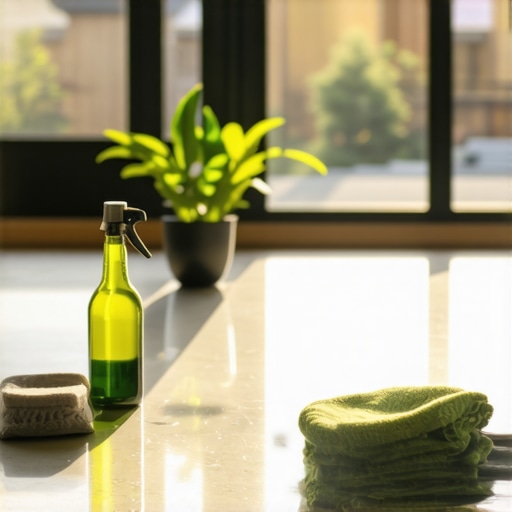
Ever had that sinking feeling when you walk into your home after a busy week, only to realize that despite your efforts, it still feels unclean and a bit off? I’ve been there. One weekend, after scrubbing for hours and using every cleaner I could find, I looked around and thought, “Is this really the best I can do?” That was my lightbulb moment. I learned that in 2025, our homes need more than just surface cleaning — they demand smarter, safer sanitizing techniques that fit our busy lives and modern standards.
Why Sanitizing Your Home Is More Crucial Than Ever
With the rise of new health concerns and the constant stream of new cleaning products, it’s easy to get overwhelmed. But here’s the truth: maintaining a sanitized home isn’t just about appearances. It’s about proactively protecting your family from invisible threats, like bacteria, viruses, and allergens, which can lurk on surfaces even after a quick wipe-down.
Did you know that according to the CDC, certain germs can survive on household surfaces for days? That means if you’re not using the right techniques, you might be recontaminating your space every time you clean. That’s why I’ve made it my mission to discover and share effective sanitizing tips that truly work in today’s modern homes. Trust me, a little extra effort goes a long way in creating a healthier environment for everyone.
The Promise: Smarter Cleaning Strategies for a Safer Home
Today, I’ll share the secrets I’ve uncovered — from choosing the right disinfectants to smart cleaning routines — so you can breathe easier knowing your home isn’t just tidy, but genuinely sanitized. Whether you’re battling stubborn germs or just want peace of mind, these practical tips will change how you think about home cleaning in 2025. Ready to transform your cleaning routine and finally feel confident in your home’s safety? Let’s dive in.
Is Overdoing It Worth It? My Early Mistake
Honestly, I used to think that scrubbing every surface with the strongest chemicals was the best way to sanitize. Turns out, I was doing more harm than good — damaging my surfaces and exposing my family to harsh chemicals. It was a wake-up call that led me to find safer, more effective methods, like using natural disinfectants and proper technique. Curious about how to avoid my mistake? Check out some house cleaning secrets from experts.
Choose the Right Disinfectants for Effective Results
Start by selecting disinfectants proven to kill common household germs. Natural options like vinegar, hydrogen peroxide, and alcohol-based solutions are effective and safer for your family. When I first tried switching to these, I noticed a significant reduction in chemical smells and allergic reactions. Be sure to read labels and verify their efficacy against bacteria and viruses.
Clean Surfaces Thoroughly Before Sanitizing
Remove dirt and grime by wiping surfaces with warm water and soap. Think of this step as preparing a canvas before painting—clean surfaces ensure disinfectants work optimally. I once skipped this step on my kitchen counter and found that the disinfectant didn’t do its job well, leaving behind some germs. For stubborn spots, use a scrubbing brush or microfiber cloth to lift debris.
Apply Disinfectant Properly for Maximum Coverage
Use a spray bottle or cloth to apply disinfectant evenly across all surfaces. Let it sit for the recommended contact time—usually 1-5 minutes—to effectively kill germs. During my first attempt, I rushed through spray application and wiped it off too quickly, which compromised sanitization. Setting a timer helped me ensure each area was properly disinfected.
Focus on High-Touch Areas
Prioritize cleaning doorknobs, light switches, remote controls, and cell phones daily. These spots are like the hubs of germ traffic—think of them as the busiest intersections in your home. I keep a dedicated microfiber cloth for these spots, so I don’t spread germs from one surface to another. Regularly disinfect these areas prevents recontamination.
Use Steam Cleaning for Deep Sanitation
For upholstery, curtains, and carpets, steam cleaning is a game-changer. It penetrates fabrics and kills germs without chemicals. I once borrowed a steam cleaner to refresh my sofa, and the difference was night and day—no harsh chemicals needed. Plus, steam sanitizes without leaving residues, perfect for allergy sufferers.
Sanitize Upholstery and Soft Furnishings
Upholstery can harbor bacteria and allergens. Use an upholstery-specific sanitizer or follow effective cleaning secrets from this guide. I recommend testing a small hidden spot first to check for colorfastness, then proceed carefully. Regular sanitization keeps your furniture fresh and safe.
Maintain a Routine to Prevent Recontamination
Establish daily and weekly cleaning schedules focusing on high-touch surfaces and soft furnishings. Consistency is key—think of it as brushing your teeth daily to prevent cavities. I set reminders on my phone to sanitize key areas every morning and deep clean on weekends, and it’s kept my home healthier overall.
Leverage Professional Help When Needed
For move-out cleaning or deep sanitizing, consider professional services that follow the latest standards. They use advanced techniques like specialized sanitizers and equipment, ensuring thorough results. I once hired experts for a move-out cleaning, and their attention to detail made my deposit return much easier. Check out this resource for more info.
Many homeowners believe they know the best way to sanitize their spaces, but some widely accepted practices are actually misconceptions that can undermine your efforts. Let’s dig deeper into what most people get wrong about sanitizing and how these myths could be causing more harm than good.
Are All Disinfectants Created Equal
There’s a common misconception that any disinfectant will do the job, but in reality, not all products are effective against the same range of germs. For example, many natural remedies like vinegar are popular but lack the broad-spectrum efficacy of EPA-approved disinfectants. Using the wrong product might give you a false sense of security, allowing harmful bacteria and viruses to persist. Always verify that your disinfectant is proven effective, especially against COVID-19 and other pathogens. For trusted recommendations, check out expert cleaning secrets.
Myth of Over-Sanitizing
Many believe that sterilizing every surface daily is necessary, but this can lead to unnecessary chemical exposure and surface damage. Over-sanitizing may also kill beneficial microbes and disrupt your home’s natural microbiome, which can have health implications. Instead, focus on high-touch areas and routine cleaning. For a balanced approach, consider targeted sanitization, especially on items like doorknobs and remote controls, which are hotspots for germs. You might find helpful insights on these sanitizing hacks.
Don’t Skip the Cleaning Step
Another mistake is skipping the cleaning step before sanitizing. Dirt, grime, and organic matter can shield germs from disinfectants, making sanitization ineffective. Think of it like trying to disinfect a dirty surface—you’re just wasting your disinfectant’s power. Always clean surfaces thoroughly first, then apply the disinfectant for maximum results. For detailed cleaning strategies, visit ultimate house cleaning tips.
What About Soft Surfaces and Upholstery
Many overlook the importance of sanitizing soft furnishings like upholstery, curtains, and carpets. These surfaces can harbor bacteria, allergens, and viruses. Using steam cleaning or safe, fabric-specific sanitizers can effectively sanitize without the use of harsh chemicals. For expert upholstery care tips, see upholstery cleaning tips. Remember, soft surfaces are a hidden reservoir of germs if not properly maintained.
By understanding these nuances, you can elevate your home sanitizing routine from guesswork to science-backed strategy. Have you ever fallen into this trap? Let me know in the comments and share your experiences!
Investing in the Right Equipment Pays Off
When it comes to keeping your home sanitized over the long term, the quality of your tools can make a significant difference. I personally rely on a high-grade steam cleaner, such as the McCulloch MC1275 Heavy-Duty Steam Cleaner. Its powerful steam output allows me to sanitize upholstery, curtains, and even sealed hard floors without the need for chemicals. This not only ensures thorough disinfection but also preserves my surfaces and reduces chemical exposure for my family.
Another essential device I recommend is a UV-C light sanitizer. Used properly, UV-C sterilizers can eliminate bacteria, viruses, and molds from surfaces that are hard to reach with traditional cleaning. I use it periodically on high-touch areas like remote controls and keyboard keys, especially during flu season or after illnesses. The key is to select a model with a sufficient wavelength (around 254 nm) and a safe, enclosed design to prevent UV exposure.
Embracing Smart Technology for Better Results
In 2025, integrating smart home devices into your cleaning routine is becoming more mainstream. I’ve started using a robotic vacuum equipped with UV sterilization features, such as the Ecovacs Deebot T10 Omni. It autonomously sweeps, mops, and sanitizes floors, saving me time and ensuring consistent cleaning. Setting it on a schedule means I don’t have to think about daily maintenance, and its app allows me to monitor and adjust the cleaning process remotely.
Similarly, I’ve adopted a smartphone app linked to my UV-C sterilizer, enabling me to control disinfection sessions and review operation logs. This integration guarantees I don’t miss spots and helps me maintain a sanitized environment effortlessly.
Long-Term Maintenance and Future Trends
To keep these tools working effectively over time, regular maintenance is crucial. For steam cleaners, I rinse and descale the unit every few months using specialized descaling solutions to prevent mineral buildup, which can reduce steam quality. UV sterilizers require periodic bulb replacement—usually after 1,000 hours of use—to ensure optimal germ-killing power. I set reminders to check and replace bulbs proactively.
Looking ahead, I predict that AI-powered cleaning devices—capable of learning your home’s layout and prioritizing high-touch zones—will become standard. These smart tools will adapt to your routines, providing personalized sanitization that is both efficient and reliable.
How do I maintain my sanitizing tools over time?
The secret is consistency. Regularly clean your equipment according to manufacturer instructions, replace consumables like UV bulbs on schedule, and store devices properly to prevent damage. Investing in high-quality tools and maintaining them diligently ensures they function effectively when you need them most. If you’re ready to upgrade your home sanitization arsenal, try integrating a UV-C sterilizer or a smart robotic vacuum with sanitizing features—these investments will pay off in health and peace of mind for years to come.
The Hardest Lesson I Learned About Home Sanitizing in 2025
One of the most eye-opening realizations was that over-relying on harsh chemicals can actually weaken your home’s natural defenses and harm your family’s health. Early on, I believed more disinfectant meant a safer home, but I discovered that targeted, smart sanitizing is far more effective and safer.
3 Myths About Modern Home Sanitizing That Held Me Back
Myth one: All disinfectants are created equal. I used to buy whatever was on sale, unaware that not all kill the same germs. Myth two: You need to sanitize every surface daily. I learned that focusing on high-touch areas with the right tools makes a bigger difference. Myth three: Chemical cleaners are always best. Natural disinfectants like hydrogen peroxide can be just as effective without the chemical load.
What Experts Won’t Tell You About Achieving a Truly Sanitized Home
They often overlook the importance of proper technique—like cleaning surfaces before disinfecting or allowing disinfectants sufficient contact time. Additionally, the future of home sanitizing involves integrating smart devices, such as UV-C sterilizers and robotic cleaners, which can maintain your home’s hygiene effortlessly.
Curated Tools That Changed My Routine
My top recommendation is the professional-grade steam cleaner, which sanitizes without chemicals and is gentle on surfaces. I also trust the specialized upholstery sanitizing spray for soft furnishings, ensuring my entire home is safe. Lastly, a UV-C sterilizer has become invaluable for quick, chemical-free surface disinfection, especially during flu season.
Your Next Step in Home Sanitizing
Embracing smarter, science-backed sanitizing methods transforms your home into a true sanctuary. It’s about quality over quantity—using the right tools and techniques to protect your loved ones. Are you ready to upgrade your home sanitizing routine and experience the peace of mind that comes with a healthier space?
What’s been your biggest challenge in maintaining a sanitized home? Share your experience below!