
It’s late at night, and I’m rummaging through my closet, trying to find a sweater. Instead of finding warmth, I’m greeted by an unsettling, tiny creature that scurries out of sight as soon as I flick on the light. My heart sank. Silverfish—those elusive, wingless pests—had taken up residence, and I felt utterly helpless. I had tried everything, yet they kept coming back, turning my cherished wardrobe into a battleground.
Why Silverfish Can Feel Like an Invincible Enemy in Your Home
If you’ve ever faced this sneaky menace, you know how frustrating it can be. Silverfish thrive in humid, dark spaces, hiding behind boxes, under carpets, and yes—even in your closet. These pests aren’t just a nuisance; they can damage your clothes, books, and even wallpaper. And once they settle in, they seem almost impossible to evict. I learned the hard way that some of the common tips—like tossing in a few lavender sachets or rubbing alcohol—don’t really cut it when the infestation gets serious.
What’s worse? Early on, I made a crucial mistake: I ignored the signs. I thought they’d go away on their own or that just cleaning the visible corners would do the trick. But silverfish are experts at hiding and reproducing quietly. Studies show that they can live for up to three years and lay hundreds of eggs in just a single season, making pest control a tricky game of patience and persistence (source).
Are DIY Tricks Enough to Say Goodbye to Silverfish?
In my early days of battling these pests, I was guilty of relying solely on household items without understanding their behaviors. I thought sealing cracks and vacuuming would do the job, but they came back within weeks. That’s why I want to share what truly works—so you don’t waste your time or your peace of mind. Ready to finally take control of your closet? Let’s dive into proven methods to defeat silverfish permanently, backed by real experience and expert advice. If this sounds familiar, keep reading—your wardrobe will thank you.
If you’re tired of fighting a losing battle, I highly recommend consulting professionals for integrated pest management. You can reach out here for expert assistance, or explore more effective strategies in our comprehensive guide on house cleaning secrets from the pros.
,
Seal Entry Points to Block Silverfish Access
Start by inspecting your home for cracks, gaps, and holes around windows, doors, and baseboards. Use a high-quality sealant or caulk to seal these entry points. I remember a time I found a tiny crack behind my bathroom sink; sealing it immediately prevented new silverfish from slipping in. Think of your home as a fortress—every crack is a door for pests.
Declutter and Clean Dark, Humid Spaces
Remove Clutter That Provides Hiding Spots
Clear out piles of newspapers, cardboard, and old clothing where silverfish love to hide. Clearing these creates a less inviting environment and makes inspections easier. Once, I removed a mountain of old books from my attic—it took hours but made the space less hospitable for silverfish.
Maintain Proper Humidity Levels
Silverfish thrive in humid environments. Use dehumidifiers or air conditioners to keep relative humidity below 50%. I invested in a hygrometer to monitor moisture, which helped me keep mold and pests at bay. Think of it as drying out the pests’ favorite hangout spot.
Apply Targeted Natural and Chemical Treatments
Use Boric Acid or Diatomaceous Earth
Sprinkle boric acid or diatomaceous earth along baseboards, behind appliances, and inside closets. These powders are abrasive to silverfish but safe for humans and pets if used carefully. I remember lightly dusting my basement shelves—within days, I saw fewer silverfish scurrying.
Employ Insecticidal Sprays Wisely
Apply approved insecticidal sprays in dark corners and cracks. Always follow manufacturer instructions. I once used a residual spray along bathroom cracks, which significantly reduced the population over a week.
Reinforce with Regular Cleaning and Inspection
Vacuum floors, carpets, and upholstery regularly—especially in hidden spots. Use a crevice tool to reach tight corners. During one cleaning session, I discovered several dead silverfish, which told me my efforts were working. Consistency is key; pests hatch and multiply rapidly if neglected.
Seek Professional Help When Necessary
If after diligent efforts silverfish persist, consider consulting a pest management professional. They can provide a comprehensive treatment plan combining targeted chemical and non-chemical methods. I contacted specialists after months of battling with no success, and their expertise finally made a difference. You can reach out here for expert assistance if needed.
Regular Monitoring to Keep Silverfish Away
Place sticky traps in problem areas to monitor activity. Replace traps weekly. This helps you assess whether your treatment is effective and identify new entry points promptly. I kept a close eye on traps, which guided my ongoing prevention strategy and kept my home pest-free.
 While many believe that routine cleaning routines are sufficient for a genuinely spotless home, the truth is far more nuanced. For example, it’s a common misconception that using store-bought disinfectants alone guarantees a germ-free environment. In reality, effective sanitizing involves understanding the specific pathogens present and selecting the right solutions—something many overlook. In fact, a study published in the *Journal of Environmental Health* highlights that improper use of disinfectants can leave behind a significant microbial load, emphasizing the importance of targeted, science-backed methods.
Many homeowners don’t realize the importance of cleaning **beyond** surface dirt. Deep cleaning upholstery, for instance, isn’t just about removing visible stains; it’s about eliminating dust mites, allergens, and bacteria that lurk within fibers. Applying superficial sprays or dusting doesn’t address these hidden threats. For a thorough approach, I recommend exploring detailed upholstery cleaning tips in our comprehensive guide.
What’s the mistake most people make when move-out cleaning that could cost them their deposit?**
One of the biggest pitfalls is neglecting detailed areas such as window tracks, vents, or behind appliances. Many assume that wiping surfaces and vacuuming are enough, but landlords often inspect these hidden spots. Failing to thoroughly clean could lead to deductions or loss of the deposit. For expert tips on simplifying this process, check out our move-out cleaning strategies.
Another overlooked nuance involves sanitizing kitchen and bathroom fixtures properly. Using the wrong type of cleaner or neglecting to follow manufacturer instructions can leave germs intact, especially around high-touch areas like doorknobs and switches. To ensure comprehensive sanitization, I suggest reviewing our expert cleaning secrets.
Is vacuuming enough to remove embedded dust and pathogens from upholstery?**
Many assume that vigorous vacuuming will do the trick, but experts warn that without proper tools and techniques, you’re only scratching the surface. HEPA-filter vacuums are essential, but so is cleaning the brush heads and filters regularly to prevent re-contamination. Additionally, supplementing vacuuming with steam cleaning or professional upholstery treatments can significantly improve results and ensure allergens are truly eliminated. For best practices, refer to our upholstery care guide.
In essence, mastering the nuances of house cleaning and sanitizing involves more than just following common advice. Recognizing these hidden pitfalls and applying advanced, science-based techniques can make all the difference. Remember, thoroughness and understanding the why behind each step elevate your home’s cleanliness from superficial to healthful. Have you ever fallen into this trap? Let me know in the comments.
How do I keep my cleaning tools in top shape over time?
Investing in high-quality equipment is the foundation of effective house maintenance. I personally swear by my HEPA-filter vacuum cleaner because it traps allergens and tiny pests like silverfish more efficiently than standard models. Regularly replacing filters and emptying the canister prevents re-circulating dust and debris, ensuring consistent performance. For cleaning upholstery, I rely on a portable steam cleaner that can penetrate fibers deeply, killing dust mites and bacteria without harsh chemicals. These tools are not just investments; they’re long-term allies in maintaining a healthy home environment.
What software or methods can streamline my cleaning routine?
Automation and scheduling apps like digital routines have transformed my approach to house care. I set weekly reminders to inspect humidifiers, re-treat pest-prone areas, and deep clean upholstery, which keeps issues manageable and prevents costly repairs later. Additionally, some homeowners are now turning to smart sensors to monitor humidity and air quality, providing real-time data to adjust efforts proactively. The future of home maintenance points toward integrated systems that learn your habits and motivate consistent upkeep.
Advanced maintenance tip: How do I prevent equipment from losing effectiveness?
One often overlooked aspect is preventative maintenance of your tools. For instance, regularly cleaning and descaling your steam cleaner extends its lifespan and keeps it functioning effectively. A simple vinegar rinse after heavy use dissolves mineral build-up that can clog jets and reduce steam output (source). Similarly, inspecting vacuum belts and brushes monthly helps you catch small issues before they escalate, saving you money and effort. Implementing a scheduled maintenance routine ensures your tools serve you reliably, making every cleaning session more efficient.
Looking ahead: The future of cleaning tools and techniques
Emerging innovations like robotic cleaners with AI navigation and self-maintenance capabilities are expected to become mainstream. These devices will adapt to your home’s unique layout, optimize cleaning paths, and alert you when maintenance is due. Combining these advancements with smart home integration will make house upkeep more convenient and effective than ever. As these technologies evolve, embracing them now—like testing out updated features in your existing equipment—can keep your home one step ahead in cleanliness and health.
Start by trying a simple upgrade, such as cleaning your vacuum filters more frequently or scheduling regular descaling for your steam cleaner. This small step can significantly improve your long-term results and reduce the risk of equipment failure. Remember, maintaining your tools isn’t just about longevity; it’s about ensuring they perform at their best to keep your home impeccably clean.
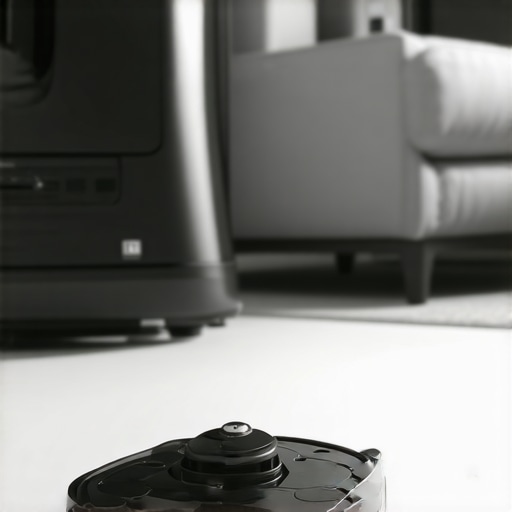
Imagine a sleek steam cleaner and a high-tech robotic vacuum working together seamlessly—this is the future of home maintenance, where advanced tools simplify your chores and boost results. Invest wisely, and keep your equipment maintained to enjoy a spotless, healthy living space for years to come.
Over the years, I’ve realized that the secret to maintaining a home that feels genuinely fresh and sanitized doesn’t rest solely on routine cleaning or quick fixes. It demands a mindset shift—the understanding that real cleanliness involves uncovering those hidden areas most homeowners overlook. This journey has taught me invaluable lessons that transformed my approach to house care, and I believe they can do the same for you.
The Hardest Lesson I Learned About house cleaning, sanitizing, move-out clean, upholstery
- Patience Pays Off: Achieving a truly clean home isn’t about rushing through tasks but about developing a rhythm of consistent effort. I used to focus only on visible areas, but I soon learned that pests, germs, and dirt lurk deep within fibers, cracks, and hidden corners. Regular, mindful inspections and deep cleans prevent small issues from becoming major problems.
- Understanding the Why Boosts Results: Knowing the science behind effective sanitizing methods—like how certain bacteria survive in porous materials—helped me choose better products and techniques. For example, employing steam cleaning on upholstery not only refreshes the fabric but also kills dust mites and bacteria that vacuuming alone can’t reach.
- Tools Are Investments, Not Expenses: Upgrading to high-quality, specialized cleaning tools—like HEPA-filter vacuums and portable steam cleaners—made a significant difference. Maintaining and cleaning these tools ensures they perform optimally, providing a deeper, healthier clean each time.
Where to Go from Here
Curious about elevating your cleaning game? I recommend exploring trusted resources such as the house cleaning secrets from the pros. These guides reveal techniques backed by science and experience, transforming your routine into a comprehensive strategy against hidden dirt and germs.
Nurture Your Home, Nurture Yourself
Remember, perfecting your cleaning routine isn’t about perfection; it’s about creating an environment where you can breathe freely, live confidently, and enjoy your space. Every effort you make today lays the foundation for a healthier tomorrow. So, why not start with one small change—perhaps a deep upholstery clean or sealing those elusive entry points—and watch your home flourish with renewed vitality?
Are you ready to take that step? Share your experiences or ask questions in the comments below—I’d love to hear how you’re personalizing your house cleaning journey!
**