
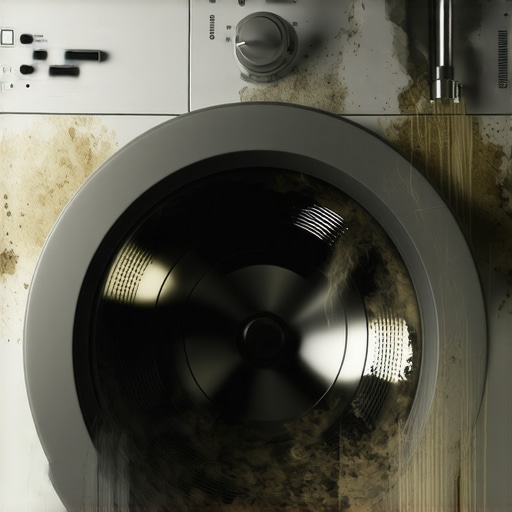
I’ll never forget the moment I opened my washing machine after a weekend away and was greeted not with a fresh scent but with a pungent, swamp-like smell. It was so bad I almost considered tossing the entire machine out! At that instant, I realized I wasn’t alone in this stinky dilemma. Many homeowners face this gross surprise, and trust me, it’s more common than you’d think.
Conquering the Odor: Say Goodbye to That Swamp Smell
Is a Smelly Washing Machine Really Worth All the Hype?
Early in my cleaning journey, I made a costly mistake—assuming a quick rinse cycle would do the trick. Spoiler: it didn’t. The truth is, the smell often comes from hidden mold, soap scum, and bacteria lurking in the seals and drum. Without proper cleaning, these little microbes thrive and produce that foul odor. That’s when I learned to pay attention to the neglected spots, rather than just the visible drum. Did you know, according to the Environmental Protection Agency, mold can begin growing in just 24-48 hours in damp environments? That’s faster than most of us realize, which makes regular upkeep crucial.
If you’ve ever wondered why the smell persists despite multiple washes, you’re not alone. Many assume running an extra rinse or using more detergent will solve the problem. But in reality, that can sometimes make things worse by leaving more residue behind—fueling the microbial growth. Taking the right preventive steps can not only eliminate that swampy stench but also extend your washer’s lifespan and keep your clothes fresher. Curious? Keep reading, because I’ll walk you through the proven methods to banish that dreadful odor for good. And for more expert secrets on effective cleaning routines, check out effective house cleaning secrets from cleaning experts.
End of introductory section. Let’s move on to the practical fixes that will restore your machine’s freshness!;
Start with a Deep Clean of Your Washer’s Gaskets and Seals
Remove Visible Build-up and Mold
Begin by inspecting the rubber door seal, where mold and soap scum love to hide. In my case, I once found a fuzzy, gray substance lurking in the folds. To tackle this, wear gloves and pull back the seal, then scrub away the gunk with a cloth soaked in a mixture of equal parts vinegar and water. Using an old toothbrush helps reach the crevices. Rinse thoroughly with a damp cloth to remove residual grime. This step is essential because these micro-organisms act as breeding grounds for the foul odor.
Run an Empty Hot Water Cycle with Cleaning Agents
Utilize Vinegar, Baking Soda, or Commercial Cleaners
Next, set your washing machine to the hottest cycle and add a cup of white vinegar directly into the drum. For extra deodorizing power, sprinkle half a cup of baking soda into the wash. I remember a Sunday afternoon where I combined these ingredients—initially messy, but the potent fumes proved incredibly effective. The vinegar breaks down soap scum and kills mold; baking soda absorbs lingering smells. For machines with stubborn odors, a commercial washing machine cleaner designed for this purpose can be your best ally.
Address Drain and Dispenser Areas
Prevent Residue Build-up Behind Detergent Cups and Drain Filters
Don’t forget to clean the detergent dispenser drawer and the drain filter, which can trap debris and mold. Remove the drawer, soak it in hot soapy water, then scrub away any soap residue. For the drain filter, consult your user manual or check online guides specific to your model; then, carefully remove, rinse, and reinstall. Cleaning these parts regularly prevents microbial growth that causes odors and keeps your machine running smoothly.
Implement Preventive Maintenance Habits
Keep Mold at Bay with Routine Checks
To maintain a fresh-smelling washer, leave the door slightly open after each wash to air out the interior. Wipe down the gasket monthly with a disinfectant rag. Also, run a cleaning cycle once a month with vinegar or specialized products from effective house cleaning secrets from cleaning experts to prevent mold buildup. These simple habits make a significant difference over time.
Use Odor Absorbers Inside the Machine
Keep a Box of Baking Soda or Activated Charcoal
Place an open box of baking soda or activated charcoal in the drum when not using the washer for a prolonged period. These natural absorbers neutralize incoming odors, much like a charcoal bag in a closet. I incorporated this trick after noticing a faint musty smell creeping in, and it worked wonders to maintain freshness.
Many homeowners believe that regular vacuuming and surface wiping are enough to keep upholstery and furniture pristine. However, this common misconception overlooks the nuanced science of deep cleaning and sanitizing. For instance, many assume that using store-bought sprays will eliminate all bacteria and odors, but studies show these products often only mask germs rather than eradicate them thoroughly, especially in porous fabrics. According to cleaning experts, true sanitation requires specific techniques and products that penetrate deep into fibers, such as hot steam treatments or enzyme-based cleaners, which can break down organic stains and bacteria more effectively. Also, there’s a prevalent myth that move-out cleaning is only about appearances; seasoned professionals know that meticulous attention to hidden areas like under cushions, inside zippers, and behind fabric fibers is essential for a truly thorough job. Ignoring these spots can lead to residual dirt, mold, or even pests, jeopardizing your deposit return or the health of future occupants.
What Advanced Cleaning Techniques Are Often Overlooked by DIYers?
Using ultrasonication or specialized extraction machines can dramatically improve cleaning results, but they are rarely employed outside professional settings. These methods reach deep layers that traditional methods might miss, as highlighted in recent industry studies. Skipping such steps is a mistake that can cause odors and allergens to linger, impacting indoor air quality over time. Consequently, understanding these nuances and investing in professional-grade equipment—like the steam cleaners and fabric-specific treatments discussed in ultimate upholstery care guide—can make all the difference. Remember, effective sanitation isn’t just about visible cleanliness; it’s about eliminating invisible threats that compromise your home’s hygiene. Always question the common practices, and seek expert advice to elevate your cleaning routine. Want to learn more about how to avoid costly mistakes? Visit our contact page for personalized tips. Have you ever fallen into this trap? Let me know in the comments.
Maintaining your home’s cleanliness and functionality requires not just knowledge but also the right tools that deliver professional results without breaking the bank. Over the years, I’ve curated a set of equipment and techniques that have transformed my cleaning routine, enabling me to keep upholstery, surfaces, and appliances in top condition with minimal hassle.
Invest in a Heavy-Duty Steam Cleaner
For deep sanitizing and stain removal, a high-quality portable steam cleaner is my go-to. Unlike conventional mops or sprays, steam cleaners use high-temperature vapor to penetrate fibers and surfaces, killing bacteria and breaking down grime without chemicals. I personally rely on the Dupray Neutrally Zero Steam Cleaner because of its robust heating system and versatility across upholstery, tiles, and even kitchen appliances. Regular use ensures my furniture remains fresh, and I avoid the buildup of mold or dust mites, which is crucial for allergies and long-term hygiene.
Choose a Reliable HEPA-Filter Vacuum
Vacuum cleaners with HEPA filters are game-changers in maintaining clean indoor air quality. I recommend models with sealed systems that trap ultrafine particles—avoiding the recirculation of dust and allergens. My favorite is the Dyson V15 Detect because it combines powerful suction with smart sensor technology. Using this regularly not only keeps my carpets and upholstery spotless but also prevents dust accumulation that can lead to respiratory issues over time.
Implement Smart Scheduling with Cleaning Software
Technology can streamline maintenance routines. I utilize voice-activated scheduling apps like effective house cleaning secrets from cleaning experts to set reminders for deep cleans, filter replacements, or moving delicate items for seasonal refreshes. This proactive approach prevents dirt and microbes from reaching problematic levels, saving me time and money in the long run.
Why Regular Maintenance Extends Your Tools’ Lifespan
Consistent care isn’t just about cleanliness—it significantly prolongs your equipment’s lifespan. For example, after each use, I flush my steam cleaner’s boiler with distilled water to prevent mineral deposits, and I replace vacuum filters every few months based on usage. This attention to detail ensures optimal performance and prevents costly repairs or replacements. Moreover, staying current with technology trends, such as incorporating environmentally friendly solutions and intelligent cleaning options, offers long-term benefits. Industry research, including reports from house cleaning strategies, suggests that investing in quality tools and regular maintenance boosts efficiency and hygiene considerably.
How do I maintain my cleaning tools over time?
Establish a routine of thorough cleaning after each session—desiccate detachable parts, run cleaning cycles, and store equipment in dry areas. Additionally, schedule professional servicing annually, especially for steam cleaners, to calibrate performance and check for wear. Remember that using the right cleaning solutions compatible with your tools, as recommended by manufacturers, prevents corrosion and internal damage. With the right knowledge and equipment, maintaining a hygienic, odor-free home isn’t just easier, but also more cost-effective and sustainable. Curious to elevate your cleaning game? Try using a HEPA-filter vacuum combined with a steam cleaner once a month; you’ll notice a substantial difference in indoor air quality and overall freshness. For personalized advice, don’t hesitate to contact us through our contact page and start experiencing professional-level results today.
The Hardest Lesson I Learned About Upholstery and Move-Out Cleaning
One of the most significant realizations I had was that deep cleaning isn’t just about surface appearance but about addressing unseen microbial colonies and hidden grime that cause persistent odors and damage. I once underestimated the importance of regular sanitizing, which led to stubborn smells and stained fabrics that seemed impossible to revive. This taught me that staying proactive with maintenance and understanding the science behind grime buildup is essential for long-lasting freshness.
3 Secrets from Cleaning Experts That Changed My Routine
Through my journey, I discovered that using a combination of steam cleaning, HEPA-filter vacuums, and routine disinfecting with enzyme-based solutions dramatically improves results. Trusted sources like house cleaning experts emphasize that investing in quality tools and understanding their operation helps prevent odors and prolongs the life of upholstery and appliances. Incorporating these techniques has transformed my home into a healthier, fresher space.
Your Turn to Elevate Your Cleaning Skills
Remember, every home is unique, and understanding the specific needs of your fabrics and appliances can make a significant difference. Don’t settle for quick fixes—embrace expert-backed methods to maintain a spotless and odor-free environment. With dedication and the right tools, you can turn cleaning from a chore into a rewarding routine that safeguards your family’s health and comfort. Ready to take the next step? Share your biggest cleaning challenge below, and let’s find solutions together!