
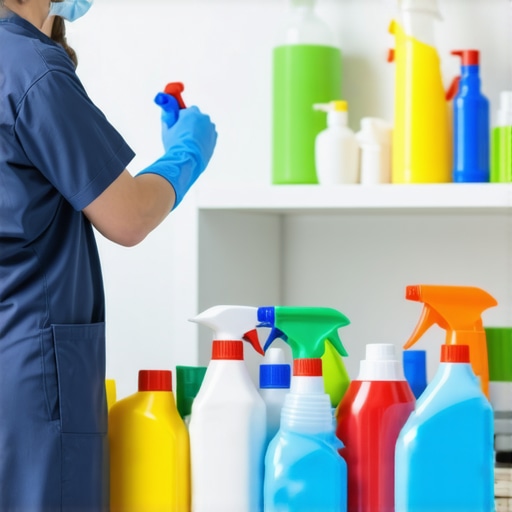
Ever had that gut-wrenching moment during a move where you step into a new place and immediately feel the urge to grab a hazmat suit? I remember once moving into an apartment after a long, exhausting day, only to find the bathroom floor sticky and the kitchen counters coated in a mysterious grime. It hit me—no matter how perfect the photos looked, I was about to spend a lot of time battling unseen germs and dirt that I didn’t sign up for. That lightbulb moment made me realize: for those of us who hate the idea of inheriting someone else’s germs, a thorough move-in cleaning isn’t just about aesthetics—it’s about peace of mind.
Why a Clean Start Matters When You Move In
If you’re like me, contamination fears run deep. The thought of touching surfaces that may have been exposed to countless hands before you is unsettling. According to the National Library of Medicine, bacteria such as Clostridium difficile can survive on surfaces for days, increasing your risk of infection if not properly sanitized. These risks make a solid move-in cleaning strategy essential, especially for those of us who are hyper-vigilant about germs.
Early in my own moving journey, I made the mistake of assuming that a quick wipe-down would suffice. Spoiler: it didn’t. I learned that neglecting detailed sanitizing can leave behind hidden bacteria, mold, and dust mites, which are not only bad for health but also contribute to allergens and unpleasant odors. That mistake cost me extra time and discomfort later on. Now, I approach this task with a clear plan, focusing on comprehensive sanitation methods that actually work.
What’s the real deal with move-in sanitizing? Is it worth the effort?
Many people wonder if such thorough cleaning is overkill or just an excuse to procrastinate. Trust me, I questioned the same thing initially. But data shows that regular disinfecting surfaces can reduce the spread of illness by up to 80%. For folks like us who want to start fresh without inheriting someone else’s dirt, investing time in an effective sanitation process is invaluable. Plus, thinking these surfaces are clean when they’re not can lead to faster wear and tear on your belongings. Moving in is stressful enough without adding sickness to the mix.
If you’ve ever faced the dilemma of deciding whether to deep-clean your new place before unpacking, you’re not alone. It’s tempting to just settle in and worry about the mess later, but taking that initial step can save you loads of trouble down the line. Ready to discover proven strategies that keep your new home truly germ-free? Let’s dive into practical steps that will turn this daunting task into a manageable routine, so you can breathe easy from day one.
Prepare Your Workspace for a Thorough Sanitation
Kick off by removing all clutter. This creates an unobstructed environment to focus on deep cleaning surfaces. I remember the time I moved in and found half an abandoned cardboard box behind the door. Clearing the area first made cleaning much easier and prevented overlooked spots.
Remove and Clean Soft Furnishings and Upholstery
Start with the upholstery since fabric traps dust and allergens. Use a vacuum with a brush attachment to loosen dirt, then apply an effective upholstery cleaner, focusing on areas with stains. I once scrubbed a fabric sofa, which had accumulated pet hair and smells, with a mixture of mild detergent and water, revealing a noticeably fresher look. For stubborn odors, consider professional upholstery cleaning tips.
Sanitize All Surfaces Methodically
Target High-Touch Areas
Focus on door handles, light switches, and appliance controls. Use a disinfectant spray or wipe, ensuring surfaces are visibly wet for the manufacturer’s recommended contact time. I once missed disinfecting the fridge handle, only to find a sticky residue I couldn’t identify later, so now I make it a rule to sanitize every touchpoint.
Deep Clean Floors and Carpets
Vacuum thoroughly, making multiple passes especially around the corners and under furniture. For carpets, consider a steam cleaner to eliminate germs and dust mites. I once rented a steam cleaner, which sucked out years of hidden grime, leaving my carpets looking like new. For stubborn stains or odors, check out expert carpet cleaning secrets.
Address Hidden Gunk in Smaller Spaces
Clean behind and under appliances like the refrigerator, stove, and dishwasher. Use a long-handled duster or vacuum attachment to reach tight spots. I pushed my fridge out carefully and discovered a layer of dust that had accumulated unnoticed, which I cleaned with a microfiber cloth and an all-purpose cleaner.
Sanitize Soft and Hard Surfaces Separately
For hard surfaces like countertops, sinks, and bathroom fixtures, employ specialized disinfectants. For soft surfaces, like curtains and cushions, opt for washable materials or professional laundering. My experience with cleaning a bathroom involved disinfecting the sink and toilet with a bleach-based cleaner, ensuring maximum germ elimination.
Seal and Protect Freshly Cleaned Surfaces
Apply protective coatings when appropriate, such as sealants on grout or natural stone countertops, to prevent future staining. This extra step preserved the pristine look I achieved after deep cleaning my kitchen.
Maintain Your Space with Routine Upkeep
Set a schedule for regular cleaning to keep germs at bay. Incorporate daily dusting and weekly disinfecting to prevent buildup. I found that following a daily cleaning routine helped me stay ahead, making move-in cleaning less daunting each time.
 Many assume that a basic wipe-down or vacuuming suffices for move-out cleaning, but in reality, this approach often misses critical nuances that can make or break your final inspection. One common myth is that surface cleaning alone guarantees a spotless space—yet, deep sanitation involves targeting hidden grime and bacteria in less obvious spots. For example, experts emphasize that overlooked areas like behind appliances or inside vents harbor pathogens that standard cleaning forgets. Failing to address these traps can lead to deposit deductions or even the need for re-cleaning, costing you time and money. An advanced mistake many make is relying solely on chemical disinfectants without understanding contact times—shorter isn’t necessarily better. Studies show that disinfectants like bleach or EPA-approved sprays require a specific dwell time to reduce microbial load effectively, or else you’re essentially wasting your effort. To truly master move-out sanitation, consider integrating detailed strategies such as deep cleaning upholstery using expert-approved techniques found in [Effective House Cleaning Secrets](https://spotlesscarpetz.com/effective-house-cleaning-secrets-from-cleaning-experts). Advanced readers should ask: How can understanding microbial survival on surfaces influence your cleaning routine? Because bacteria such as Clostridium difficile can survive days on surfaces if not properly sanitized, neglecting these nuances risks health issues for future occupants. Always remember that comprehensive cleaning isn’t just about appearances—it’s a safeguard that can save your security deposit and protect your well-being. Have you ever fallen into this trap? Let me know in the comments.
Invest in Quality Equipment for Long-Term Results
When it comes to preserving the cleanliness and hygiene of your home, having the right tools at your disposal makes all the difference. I personally swear by a high-quality steam cleaner for carpets and upholstery; it not only kills germs at a higher temperature but also deep-cleans fabric fibers, prolonging their lifespan. For example, my Kärcher SC 3 Steam Cleaner consistently delivers consistent results without the use of chemicals, ensuring my family’s safety. Additionally, a commercial-grade microfiber mop has transformed my weekly floor maintenance, trapping dust and preventing streaks that cheap mops leave behind. Investing in durable equipment means fewer replacements and more reliable sanitation over time.
Implement Smart Software to Track Maintenance Cycles
Manual schedules can slip through the cracks, especially when juggling a busy household. That’s why I recommend using smart home apps or cleaning management tools like Trello or dedicated cleaning apps such as MacPaw CleanMyHouse. These apps let you set recurring reminders for tasks like upholstery cleaning, sanitizing high-touch surfaces, and deep carpet cleaning. Over time, this system ensures your home stays consistently sanitized without the panic of last-minute scrambles. Looking ahead, technology trends are shifting toward AI-driven cleaning schedules that adapt based on your usage patterns, making home maintenance almost effortless.
Prioritize Routine Tool Maintenance for Maximum Efficiency
Even the best tools need regular TLC. For instance, I make a point to descale my steam cleaner every three months using descaling solutions recommended by the manufacturer. This prevents mineral build-up, maintains optimal steam output, and extends the device’s lifespan. Similarly, replacing microfiber cloths after each use ensures effective trapping of dirt and microbes. Neglecting routine maintenance doesn’t just reduce effectiveness; it can also lead to costly repairs or replacements in the long run. Remember, the longevity and performance of your tools directly impact your household’s ongoing cleanliness and health.
How do I maintain my cleaning tools over time?
Developing a regular maintenance routine—such as descaling your steam cleaner, inspecting vacuum belts, and laundering microfiber cloths—keeps your equipment performing at peak levels. Proper care not only prolongs your tools’ lifespan but also ensures they operate safely and effectively, reducing the risk of cross-contamination. For detailed guidance, check out expert cleaning secrets that include maintenance tips for various tools. Next time you finish a deep clean, take five extra minutes to care for your equipment—your future self will thank you. Want to boost your cleaning efficiency even more? Try using a microfiber mop for your floors; it’s a game-changer for trapping dust and allergens, especially in hard-to-reach corners.
Lessons Hidden in Plain Sight
One of the most surprising lessons I learned was that neglecting detailed sanitizing can lead to lingering health risks, even when surfaces look spotless. I once assumed a quick wipe was enough, only to encounter unexpected odors and allergens later. This taught me that true cleanliness requires attention to hidden spots like vents and behind appliances. It’s a lightbulb moment that transformed my approach to move-in cleaning, emphasizing thoroughness over convenience.
Another revelation was the crucial role of contact time when using disinfectants. Simply spraying and wiping doesn’t guarantee bacteria destruction—waiting the recommended time is essential. Rushing this step can mean the difference between a truly sanitized space and just a superficial shine. This insight has saved me from re-cleaning and potential health hazards, reinforcing the value of patience and precision in every move-in task.
I also discovered that investing in quality equipment, such as steam cleaners and microfiber tools, pays off in long-term cleanliness. These tools make deep cleaning more effective and efficient, ensuring that I don’t just move into a visually appealing space but one that’s genuinely healthy. It’s a reminder that the right gear is an investment in peace of mind and well-being.
Top Picks for a Germ-Free Transition
- Kärcher SC 3 Steam Cleaner: I rely on this for deep steaming of carpets and upholstery, killing germs without harsh chemicals. Its reliability makes it a staple in my move-in routine.
- Microfiber Mops: Durable and highly effective at trapping dust, they’re essential for daily and weekly maintenance to keep surfaces consistently clean.
- EPA-approved Disinfectants: Using the right disinfectants with proper contact times ensures total germ elimination. I trust brands recommended by experts for safety and effectiveness.
- Cleaning Management Apps like Trello: These help me stay organized with recurring cleaning tasks, preventing oversight and making regular sanitation effortless.
Your Next Step Towards a Safer Home
Now that you’ve gained some insider wisdom and practical tips, it’s time to take action. Implement these strategies to transform your move-in process from stressful to satisfying, knowing you’re creating a healthy environment from day one. Remember, a truly clean home isn’t just about looks; it’s about safeguarding your well-being and peace of mind. Ready to start your deep-cleaning journey with confidence? Your fresh, germ-free space awaits.
How have you handled move-in sanitation in the past? Share your experiences or ask questions below—let’s learn together to make every move safer and cleaner!
,