
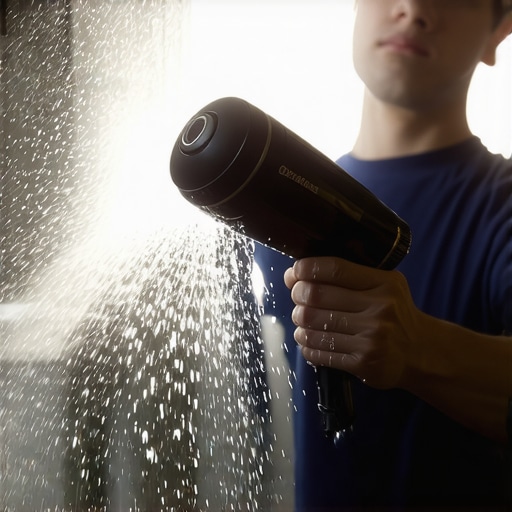
Ever had that sinking feeling when you spill wine or coffee on your sofa just minutes before guests arrive? I remember one particular evening when, in a rushed attempt to dry a large, wet stain on my upholstery, I grabbed my hairdryer. The result? A smelly, scorched mess that took days to fix. That lightbulb moment taught me a crucial lesson: never use a hairdryer on wet fabric spills. It’s a mistake I made early on, and trust me, I’ve since learned the hard way how damaging it can be. Today, I want to share my experience and guide you through safer, more effective ways to handle fabric spills without turning your home into a fire hazard or a bacterial playground.
The Hidden Risks of Hairdryers on Wet Fabric
Using a hairdryer sounds quick and convenient, especially in the middle of a chaos moment. You’re thinking, “It just blows hot air, right? How bad could it be?” Well, I used to think the same—until I learned some harsh truths. When you point a hairdryer at a wet fabric, the high heat can set stains permanently, warp delicate fibers, or even cause small fires if the fabric is flammable. Moreover, it pushes moisture deeper into the material, creating an ideal environment for mold and bacteria to thrive. According to a study published in the Journal of Household and Environmental Hygiene, excessive heat and moisture in fabrics accelerate microbial growth, leading to potential health issues. So, that quick fix can turn into a long-term problem if not approached correctly.
Is Your Desire for Speed Worth the Risk?
I admit it, for the longest time, I believed I was saving time—until I realized I was risking my home’s safety and the fabric’s life. My biggest early mistake was trusting in instant remedies like the hairdryer instead of understanding proper drying techniques. That oversight could have led to costly repairs or replacements. I want to help you avoid making the same mistake and teach you how to handle fabric spills more safely and effectively. Curious to find out what works best? Stay tuned for proven methods that won’t compromise your home’s safety or your sanity. For professional help, you might want to consider reaching out to experts—just visit here.
Prep Your Workspace Carefully
Before tackling upholstery or move-out cleaning, clear the area of small items and loose debris. Remove cushions, pillows, and any removable accessories to access all surfaces easily. This step prevents additional messes and allows you to work more efficiently. I learned this when I once overlooked interior cushions, making the cleaning process longer and more complicated. Clearing out space is like preparing your tools before a woodworking project — it sets the tone for a smooth task.
Vacuum Deeply to Lift Dirt and Allergens
Start with a thorough vacuuming, focusing on seams, crevices, and underneath cushions. Use a HEPA-filter vacuum for best results. This removes surface dust, pet hair, and loose debris, preventing them from smearing during cleaning. During my last upholstery session, skipping this step led to muddy stains spreading, so I always vacuum first now. Think of vacuuming as sharpening your tools — it ensures subsequent cleaning is more effective.
Apply Targeted Cleaning Solutions
Use Proper Products for Different Fabrics
Identify your fabric type—whether delicate velvet or sturdy microfiber—and select appropriate cleaning solutions. For natural fibers, a mild detergent mixed with water works well. For synthetic fabrics, specialized upholstery cleaners are preferable. For example, I once used a general all-purpose spray on my velvet sofa, which caused watermarks. Learning to choose the right product saved me from costly damage. Consider consulting upholstery cleaning tips for best product recommendations.
Test on Hidden Areas First
This prevents unwanted color bleeding or fabric damage. Dab a small amount on an inconspicuous spot and wait several minutes. I once skipped this step and ended up with a bleached patch on my fabric, teaching me to always test before full application. It’s like checking the soil before planting — a small step that prevents big mistakes.
Perform Gentle, Even Cleaning Techniques
Use soft brushes or microfiber cloths to apply cleaning solutions in gentle circular motions. Avoid excessive scrubbing, which can distort fibers or cause pilling. When I cleaned my sofa, I used a microfiber cloth and a gentle touch, which resulted in a crisp, fresh look without damage. Think of this as giving your furniture a spa treatment — tender care yields the best outcome.
Rinse and Remove Residues Thoroughly
Dampen a clean cloth with plain water and gently wipe down the fabric to remove soap residues. This prevents sticky buildup and re-soiling. For stubborn stains, repeat this process carefully. During my own cleaning, neglecting this step left a faint residue that attracted more dirt, reminding me how crucial rinsing is. Visualize rinsing as washing away the dirt to reveal the true beauty underneath.
Allow Proper Drying Time for Long-lasting Results
Air drying is optimal; open windows or use fans to circulate air. Avoid direct heat sources like heaters or hairdryers, which can shrink or warp fabrics. Once, I hastily used a hairdryer, which left the fabric with a scorch mark — a vivid lesson in patience. Consider referencing ultimate upholstery care tips to ensure complete drying and hygiene.
Sanitize and Deodorize for a Fresh Finish
After cleaning, apply a fabric-safe disinfectant or deodorizer to eliminate germs and odors. Use products backed by germ-killing properties, such as those found in effective sanitizing methods. I once sprayed a light mist on my sofa, and it revived the fresh scent while reducing microbial presence, making it inviting again. Remember, a sanitized sofa isn’t just clean; it’s healthier too.
Maintain Cleanliness with Regular Upkeep
Implement daily routines and periodic deep cleans to keep your upholstery and home spotless. Regular vacuuming, spot cleaning, and ventilation prevent stains and dirt buildup. For move-out scenarios, consult move-out cleaning hacks to streamline the process and secure your deposit. Much like brushing your teeth every day preserves dental health, consistent upkeep prolongs furniture life.
Many homeowners believe that sticking to basic cleaning routines ensures flawless results, but some misconceptions can sabotage your efforts. One common myth is that all cleaning products are one-size-fits-all; in reality, using the wrong cleaner for your fabric type can cause discoloration or damage. For example, **natural fibers like silk or wool** require gentle, pH-balanced solutions, while synthetic upholstery can handle stronger formulations. Overlooking this nuance often results in costly repairs or replacements. Another trap is relying solely on surface cleaning, ignoring deep-seated dirt and bacteria lurking beneath the fabric layers, which can compromise your health and longevity of furniture. Regularly **deep cleaning** with suitable tools and solutions enhances durability and hygiene—learn more about effective techniques in our Upholstery Cleaning Tips.
What about move-out cleaning? Many believe that a quick wipe-down suffices, but neglecting **detailed inspections** of hidden spots like behind appliances or under cabinets can cost you your deposit. It’s essential to follow a comprehensive checklist—our Move-Out Hacks guide offers invaluable insights.
A major oversight in general house cleaning involves sanitizing high-touch areas like light switches, remote controls, and door handles. These spots accumulate germs rapidly, yet people often forget to disinfect them properly. Using specialized sanitizers from trusted sources like Effective Sanitizing Methods can make a significant difference.
Now, let’s examine a nuanced question:
Why is it critical to match your cleaning method to each surface rather than applying generic solutions?
Typically, homeowners rely on universal cleaners or high heat; however, these can strip finishes, degrade fibers, or leave residues that attract more dirt. For example, using harsh chemicals on **natural stone surfaces** can cause etching, while excessive moisture from improper techniques fosters mold growth. According to industry experts, tailoring your approach based on material properties preserves your furnishings and ensures safety—detailed strategies are available in our Ultimate Upholstery Care Guide.
Being aware of these misconceptions and nuances arms you with the knowledge to avoid costly mistakes. For instance, instead of overusing vinegar or bleach which can damage your surfaces, opt for **professional-grade solutions** specifically formulated for your materials. Regularly updating your routines and consulting expert advice, such as on House Cleaning Strategies, guarantees long-term satisfaction and cleanliness.
Remember, proper cleaning isn’t just about aesthetics; it’s also about health, preservation, and efficiency. Have you ever fallen into this trap? Let me know in the comments.
Maintaining your home’s cleanliness and upholstery in tip-top shape requires more than just elbow grease. The right tools can elevate your cleaning routine, making tasks more efficient, thorough, and sustainable over the long haul. As someone who has personally tested numerous equipment and solutions, I can confidently say that investing in quality tools makes a tangible difference. First and foremost, a high-quality steam cleaner has become my go-to device for deep cleaning sofas, mattresses, and even curtains. Unlike chemical-heavy methods, steam cleaning uses only hot vapor to kill germs, dissolve dirt, and refresh fabrics without risking damage. I personally prefer the TurboClean model because of its powerful steam output and adjustable settings—perfect for different fabric types and stubborn stains. You can learn more about choosing the right upholstery cleaner in our Ultimate Upholstery Care Guide.
How do I maintain my cleaning tools over time?
Maintaining your equipment is crucial for longevity and ongoing effectiveness. For steam cleaners, regularly descaling to prevent mineral build-up is essential—most units come with a descaling kit, and following the manufacturer’s instructions ensures optimal performance. Additionally, always rinse and dry accessories after use to prevent mold and bacteria growth. For vacuum cleaners, replacing filters annually and checking for clogs keeps suction power high and air quality safe. Using a brush attachment designed for upholstery and navigating around delicate fabrics minimizes wear and tear while maximizing cleanliness.
Another tool I rely on is a microfiber cloth, which excels at trapping dust and dirt without abrasive chemicals. Switching to eco-friendly cleaning solutions when possible reduces environmental impact and exposure to harsh chemicals. For example, a mixture of warm water and a few drops of natural soap can handle most household spills and spots efficiently, especially when paired with the right cloths. To stay ahead of long-term results, scheduled maintenance like deep cleaning vents and filters, as well as regular sanitizing, can significantly extend the lifespan of your appliances. Consider visiting Effective Sanitizing Methods for ideas on maintaining hygiene tools.
The future of home cleaning tools looks promising
Emerging technologies such as robotic vacuums equipped with UV sterilization and AI-driven scrubbing devices are transforming home maintenance. These innovations promise to reduce manual effort while increasing the safety and effectiveness of cleaning routines. As the industry evolves, staying informed about new devices and techniques will empower you to keep your home healthier for years to come. For now, incorporating a reliable steam cleaner and maintaining your tools diligently stands as the best strategy to ensure consistent, long-term results.
If you’re ready to upgrade your cleaning arsenal, I highly recommend testing out a steam cleaner with adjustable steam settings—experience the difference yourself and keep your upholstery and surfaces sanitized efficiently. For personalized advice or help setting up your cleaning tools, don’t hesitate to reach out here.
What I Learned the Hard Way About Safety and Speed
My biggest lightbulb moment was realizing that rushing with a hairdryer on a wet sofa isn’t just ineffective—it’s risky. Nothing beats patience and proper techniques, which I wish I had adopted sooner. That lesson taught me to value safety over instant results, especially when dealing with delicate materials or stubborn stains.
The Hidden Wisdom Behind Choosing the Right Tools
From steam cleaners to microfiber cloths, investing in quality tools has transformed my cleaning routine. These tools not only make the job easier but also help preserve the integrity of my furniture. Trustworthy brands like this guide have been my go-to resource for selecting reliable equipment.
Beyond Cleaning: The Emotional Connection
I’ve found that caring for my upholstery isn’t just about aesthetics—it’s about creating a welcoming space that supports my well-being. A clean and sanitized environment contributes to peace of mind, reminding me that a little effort goes a long way toward a happier home.
Resources That Elevated My Approach
Real progress came when I turned to expert advice and trusted sources. The upholstery cleaning tips and comprehensive guides have been instrumental in refining my methods, preventing costly mistakes, and ensuring lasting results.
Your Next Move in Home Care
Now, it’s your turn to take action with confidence. Implement these insights, choose quality tools, and remember—patience and care beat speed every time in upholstery and house cleaning. Ready to start your own journey? Share your experiences or ask questions below; I’d love to hear how you plan to upgrade your cleaning game!