
I remember the moment vividly. I was rushing out the door, cup in hand, trying to grab my keys on the way to work when—fail. A sudden slip. Coffee splashed right onto my beloved suede sofa. Panic set in. My first instinct was to grab water, thinking it would help. But within seconds, I saw the dreaded water marks forming. That sinking feeling—that familiar dread of ruining a delicate fabric because I didn’t know better. Have you ever had a similar experience where a simple spill turned into a stain you couldn’t undo? It’s frustrating, isn’t it?
Why Removing Coffee Stains from Suede Is Trickier Than You Think
Suede is a beautiful material, but oh, so sensitive. Unlike leather, it’s porous and easily absorbs liquids, which makes cleaning a real challenge. Water marks are notorious for ruining its texture and appearance. Early on, I made the mistake of trying everyday hacks—like wiping with water or harsh detergents—which only made things worse. It’s a common mistake that many people make, often leading to permanent damage. But I’ve learned that with the right techniques, you can tackle coffee stains without leaving water marks or damaging the fabric’s delicate nap.
Is Cleaning Suede Really That Difficult, or Is It Just a Myth?
For a long time, I believed that removing coffee from suede was a daunting task, requiring specialized equipment or professional help. But I discovered that some simple, water-free methods exist, and they work surprisingly well. My initial error was thinking that regular cleaning products could be used on suede—big mistake. According to experts, using the wrong agents on delicate fabrics can lead to discoloration or loss of texture. That’s why I want to share what I’ve personally tested and trusted to keep my suede looking fresh and stain-free without water marks.
If you’re tired of the guesswork and want real results, stay tuned. We’ll explore effective, water-safe techniques that will save your favorite suede pieces from coffee disasters—without the stress or damage. Have you faced this kind of stain before? Trust me, you’re not alone, and the good news is, you can fix it. Ready to restore your suede’s elegance? Let’s dive into the secret methods that truly work.
.
Start by Blotting the Spill Quickly
As soon as you notice the coffee spill, grab a clean, dry microfiber cloth and gently blot the area. Do not rub, as this can push the stain deeper into the porous material. I learned this the hard way when I tried to wipe a fresh coffee stain and made it worse. Blotting lifts the excess liquid without disturbing the delicate nap of the suede.
Use a Water-Free Cleaning Solution
Instead of water, opt for a suede-specific cleaner or a mixture of white vinegar and rubbing alcohol in equal parts. Applying with a soft cloth, gently dab the stain, working from the outside inward to prevent spreading. I applied this method on a stubborn coffee mark on my chair, and within minutes, the stain lightened considerably.
Employ a Suede Brush to Lift the Nap
After the area dries slightly, use a suede brush—preferably one with soft, rounded bristles—to gently lift the nap and restore texture. Brushing helps to blend the cleaned area with the rest of the fabric. I noticed that brushing a few times after cleaning made my sofa look almost untouched. This technique is essential for maintaining the plush appearance of suede.
Address Water Marks with a Dry Eraser or Baking Soda
If water marks remain, lightly rub a suede eraser over the area; if unavailable, sprinkle a thin layer of baking soda and let it sit for 15 minutes. Then, brush away with the suede brush. This process absorbs residual moisture and helps minimize water stains. I found that baking soda was a great alternative when I didn’t have a suede eraser at home.
Prevent Future Stains with Proper Protection
Once your suede is clean, applying a water-repellent spray designed for suede offers an extra layer of defense against future coffee spills. Regular maintenance, including gentle brushing and protection, keeps your suede looking new longer. Check out upholstery cleaning tips for more ideas on maintaining delicate fabrics.
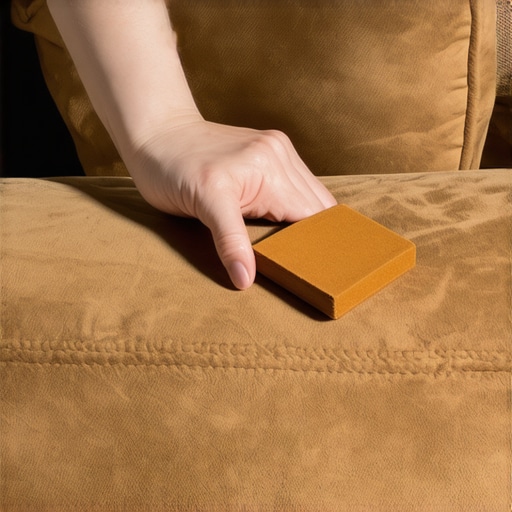 Many homeowners believe that following generic cleaning routines suffices for a truly spotless home, but that couldn’t be further from the truth. One prevalent myth is that more frequent cleaning automatically equates to a cleaner environment. However, experts note that the quality and method of cleaning matter more than the frequency alone. For instance, using harsh chemicals for upholstery can damage fibers over time, leading to discoloration and wear—this is a mistake I’ve seen many make, thinking it accelerates cleanliness. In reality, specialized cleaning agents tailored for delicate fabrics provide better results without harm.
Another nuance often overlooked involves move-out cleanings. Many people assume a standard wipe-down of surfaces is enough, but detailed strategies are crucial to retrieve your security deposit. For example, focusing solely on visible dirt neglects hidden buildup behind appliances or in grout lines. According to a comprehensive guide on move-out cleaning strategies, meticulous attention to every corner ensures no detail is missed, saving time and money in the long run.
A common trap in sanitizing practices is the overreliance on disinfectant wipes or sprays, believing they sterilize thoroughly. But studies, like those from the CDC, emphasize the importance of proper contact time and proper surface cleaning before sanitizing to effectively eliminate germs. Skipping this step leaves bacteria and viruses resilient on surfaces, which can be especially risky during flu seasons or viral outbreaks.
When it comes to upholstery care, many assume regular vacuuming is sufficient. While it’s essential, deeper issues like embedded pet hair, dust mites, or bacterial buildup often require professional extraction. Overlooking this can lead to persistent odors and allergen buildup. As noted in the upholstery care guide, informed cleaning extends beyond superficial methods—deep cleaning techniques preserve fabric integrity and healthfulness.
How do these misconceptions affect your cleaning routine? Recognizing the difference between myths and facts can dramatically improve your cleaning effectiveness. Instead of quick fixes, adopt advanced strategies that incorporate expert recommendations—like using specific cleaners designed for your materials or consulting detailed checklists for move-out processes. For more detailed sanitizing techniques, you might want to see effective sanitizing methods for a germ-free home. Remember, understanding these nuances isn’t just about appearance; it’s about ensuring a healthier, longer-lasting home environment.
Curious about achieving professional-level results at home? Dive into expert secrets on effective house cleaning secrets from cleaning experts and elevate your routine today. Have you ever fallen into this trap? Let me know in the comments.Maintaining a consistently clean and healthy home requires the right tools and a strategic approach that evolves over time. One of my go-to investments is a high-quality, adjustable steam cleaner. I personally find that models with variable steam control, like the Bissell PowerFresh, allow me to tackle everything from upholstery to tile grout without the use of harsh chemicals. Its versatility not only streamlines my cleaning routine but also ensures I can switch seamlessly between surfaces, maintaining hygiene without risking damage. Additionally, encapsulation carpet cleaning machines, such as the Rug Doctor Mighty Pro, come in handy for occasional deep cleans, extending the freshness of carpets without the high expense of professional services.
For sanitizing and long-term results, I recommend maintaining a cleaning solution that is both effective and safe. A blend of oxygenated whiteners and eco-friendly disinfectants has worked wonders for me, especially when combined with microfiber cloths optimized for dust and bacteria removal. Regularly replacing or sterilizing these cloths prevents bacterial buildup, keeping your cleaning gear working at peak performance.
Investing in specialized tools is just part of the equation. Developing a routine that aligns with your home’s specific needs is crucial. For example, scheduling quarterly upholstery refreshes using professional extraction services helps maintain appearance and reduces allergens. Moreover, leveraging tools like handheld UV sterilizers can quickly reduce surface bacteria, especially in frequently touched areas like door handles and light switches—expert-approved methods recommend incorporating such devices to enhance overall sanitation.
Looking ahead, I believe the trend in home maintenance tools will lean toward smarter, app-controlled devices that monitor dirt and bacteria levels in real-time. Imagine vacuums that alert you when they’re full or need a brush adjustment, or sensors that notify your phone about high microbial zones. This evolution will make long-term home upkeep more manageable and efficient.
<
>How do I keep my cleaning tools in top shape over time?
> Regularly disassemble, clean, and sterilize your equipment, especially microfiber cloths and attachments, to prevent bacteria buildup. A quick wipe-down with alcohol-based disinfectant after each use also prolongs their lifespan and effectiveness.
> For larger machinery like steam cleaners and carpet extractors, follow the manufacturer’s maintenance schedule meticulously. Check for mineral deposits or blockages that can impair performance, referring to detailed guides like the ultimate upholstery care guide to optimize longevity.
Experimenting with these refined tools and maintenance habits not only preserves your home’s cleanliness but also enhances the overall hygiene and comfort. Consider trying the steam cleaning techniques I use to keep upholstery looking pristine—it’s an investment that pays off in a healthier living environment.
Throughout my cleaning journey, I’ve uncovered some unexpected truths about maintaining delicate fabrics like suede. One hard-earned lesson was that rushing to clean a stain often worsens the situation—patience and proper technique are key. I once attempted a quick water spray, only to realize later that it created more water marks than the original coffee spill. Another revelation was that investing in specialized tools, such as a suede-specific brush or a water-repellent spray, can drastically extend the life and appearance of your cherished pieces. These insider tips, gained from trial and error, have transformed my approach into a more confident, effective routine—not just for suede but for all sensitive fabrics. Lastly, I learned to recognize the myth that all stains require water-based solutions—sometimes, the safest approach is a water-free cleaner crafted specifically for the material. Sharing these lessons might save you from costly damage and help preserve your home’s elegance.