
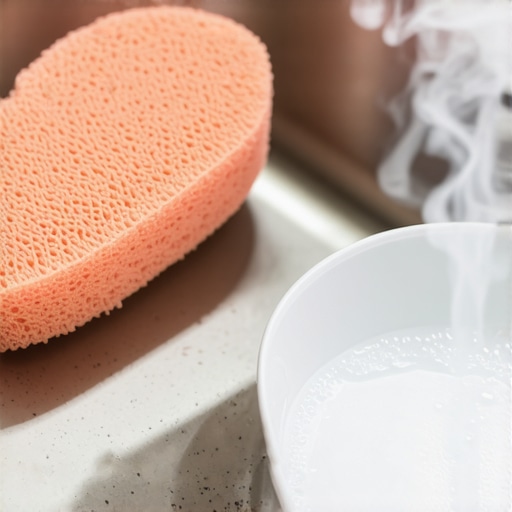
Ever had that heartbreaking moment when you reach for your trusty dish sponge, only to find it covered in unsightly mold or a foul odor that just won’t quit? I’ve been there, fumbling in the sink, feeling that sinking disappointment creeping in every time my sponge starts to smell or look less than fresh. It’s maddening, isn’t it? You want to keep your kitchen hygienic, but the usual cleaning hacks often leave your scrubber soggy, misshapen, or worse, completely melted in the process.
Why My Kitchen Sponge Became My Biggest Cleaning Frustration
For years, I believed that boiling, microwaving, or bleaching my sponges was the way to go. But every attempt seemed to backfire. Too hot, and my sponge would turn into a sad, flimsy mess. Too many chemicals, and I feared introducing toxins into my home. The real lightbulb moment came when I realized that there was a better way—a way to sanitize effectively without turning my beloved sponge into a soggy ruin. That tiny discovery transformed my cleaning routine and prolonged the life of my sponges significantly. Now, I want to share that secret with you so you won’t have to endure the same frustrations I once did.
Is Sanitizing Your Sponge Worth It If It Melts?
I made the mistake of overdoing it early on—think boiling and bleaching every day—and it only resulted in melted, discolored sponges that were worse than before. That’s why understanding the right methods is crucial. I promise, with the right techniques, you can keep your sponge germ-free without risking damage. Plus, knowing how to properly sanitize can help prevent bacteria like harmful germs from lingering in your kitchen. So, do you often find yourself wondering if your cleaning methods are actually effective or just damaging your tools? If yes, you’re not alone, and I’ve got you covered with simple, no-melt solutions ahead.
Let’s dive into how you can keep your sponges fresh, sanitary, and intact—saving you money and worry in the long run. Stay tuned for practical tips that will change how you approach kitchen cleaning forever.
Use a Microwave Correctly for Safe Sanitizing
One effective method I tried involved microwaving my sponge. I soaked it in water, then microwaved on high for 1-2 minutes. This kills bacteria without melting the sponge. I remember once tossing a dry sponge straight into the microwave, which caused it to spark and smell burnt—lesson learned: keep it wet! When done properly, this technique preserves the sponge’s integrity and ensures sanitation.
Vinegar and Hydrogen Peroxide Combination
Another proven step is soaking your sponge in a solution of white vinegar and hydrogen peroxide. I filled a bowl with equal parts vinegar and peroxide, then submerged the sponge for 5 minutes. The acidity of vinegar and the oxidizing power of peroxide work together to eliminate germs without harsh chemicals. Afterward, rinse thoroughly. This method has kept my sponges fresh and bacteria-free for weeks.
Deep-Freezing to Kill Germs
For a no-heat approach, I tried placing my sponge in a sealed plastic bag and freezing it overnight. Freeze for at least 4 hours. The freezing process disables bacteria without risking melting or damaging the sponge. In the morning, I thawed and rinsed it. This trick is especially useful if you want to avoid chemicals or heat, and it prolongs sponge life.
Use of Commercial Sanitizing Sprays
I also turned to commercial antibacterial sprays designed for kitchen tools. I sprayed my sponge thoroughly, let it sit for 5 minutes, then rinsed well. These sprays are formulated to sanitize without heat or bleach, preventing damage. Always choose sprays labeled safe for sponges and follow the instructions carefully. I found this method quick, convenient, and effective.
Maintain Proper Drying and Storage
Lastly, I realized that how I stored my sponge affects mold growth. After sanitizing, I wrung out excess water and let it dry in the sun or near a heat source. Sunlight’s UV rays naturally kill bacteria and mold spores. Ensuring the sponge dries completely reduces the risk of mold and bad odors, saving money and hassle. Remember, storing sponges in well-ventilated holders helps keep them dry and fresh longer.
Many homeowners and renters operate under misconceptions about the best ways to sanitize, clean, and prepare their spaces for move-out or regular upkeep. In my experience, a critical nuance often gets overlooked: the belief that one-size-fits-all solutions are effective across different cleaning needs. For instance, it’s commonly assumed that harsh chemicals or intense scrubbing are always necessary, but this approach can cause more harm than good, leading to damage or incomplete sanitation.
Why Overusing Chemical Cleaners Might Sabotage Your Efforts
Many people think that heavy-duty disinfectants are the ultimate solution for all cleaning tasks. However, over-reliance on chemicals like bleach or commercial sprays can degrade surfaces and create health risks due to residue. Evidence suggests that natural antibacterial agents like vinegar and hydrogen peroxide, used judiciously, can be equally effective without damaging the environment or your belongings. For example, effective sanitizing hacks can prevent most bacteria and viruses when applied correctly, matching or surpassing chemical-heavy methods.
Understanding the proper application of cleaning agents is vital—using too much or too little can either leave germs behind or damage surfaces. It’s a delicate balance that separates a superficial clean from a truly sanitized environment. This nuance is especially pertinent in move-out scenarios where deposits hinge on thorough cleaning, and in homes where delicate materials like upholstery or wood require careful treatment.
Common Myth: Mopping Every Surface with Hot Water
Many assume that hot water is inherently better for cleaning floors and surfaces, but this isn’t always accurate. Hot water can actually cause warping or discoloration on certain materials like vinyl or laminate. Furthermore, hot water doesn’t significantly improve the removal of microbes if proper disinfectants are not used. Instead, cold or room-temperature water combined with appropriate cleaning solutions often offers safer, more effective results, especially when combined with techniques like vacuuming or using microfiber cloths that trap dust and microbes better.
This misconception can lead to unnecessary surface damage and a false sense of cleanliness. Advanced cleaning experts advocate using the right temperature for the material and purpose, which emphasizes the importance of knowledge—not just brute-force cleaning. For comprehensive insights, check out house cleaning secrets from experts.
How to Avoid the Hidden Traps in Upholstery and House Cleaning
One overlooked pitfall is the misuse of cleaning equipment. For example, over-wetting upholstery can lead to mold or musty odors, especially if improper drying techniques are used. Many assume that wet cleaning is always necessary, but lighter, dry methods supplemented with specialized products preserve the fabric’s integrity. The ultimate upholstery care guide offers tips on selecting the right cleaning method for your furniture.
Furthermore, neglecting proper drying after cleaning can be detrimental. Mold spores thrive in damp environments, so ensure thorough air circulation and drying, especially after move-out cleaning when apartments must meet strict standards. Always remember, a meticulous yet gentle approach often yields the best long-term results.
Have you ever fallen into this trap? Let me know in the comments. Navigating these nuances can significantly elevate your cleaning game, saving time, money, and frustration in the process.
Maintaining a spotless home isn’t just about elbow grease; it demands the right tools and a strategic approach to keep everything functioning efficiently over time. I’ve tested countless equipment and methods, and I want to share the equipment I rely on to streamline my cleaning routine and prolong the lifespan of my surfaces and tools. These aren’t just gadgets—they’re essentials that ensure your home stays pristine without unnecessary damage or effort.
Why I Invest in a High-Quality Steam Cleaner
Unlike traditional mops, my Vaposhield Steam Cleaner delivers consistent, chemical-free sanitation. It heats water to a precise temperature, ensuring effective bacteria kill without risking water damage or warping delicate surfaces. The adjustable steam settings let me tackle everything from grout lines to upholstery—saving time and reducing chemical use. According to house cleaning experts, quality steam cleaning extends surface durability and improves hygiene.
Microfiber Cloths for Delicate Cleaning
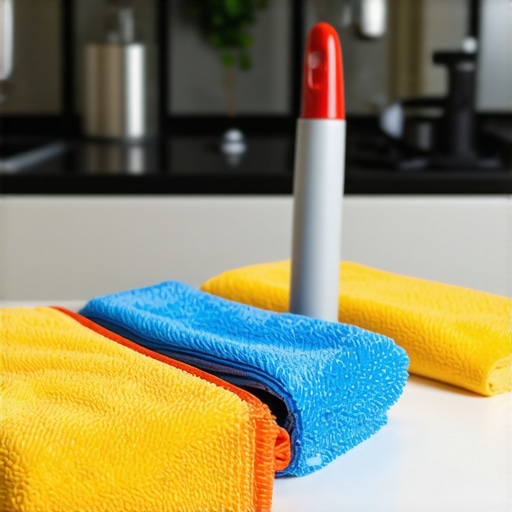
Microfiber isn’t just trendy; it’s scientifically proven to trap dust, microbes, and grease better than old rags. I use premium microfiber cloths from CleanCloth Co.—crafted with split fibers measuring less than 1 micron—to wipe surfaces without scratching or leaving lint. They’re washable and reusable, making them both eco-friendly and cost-effective. Regularly replacing cheap alternatives with high-quality microfiber can dramatically improve dust removal and surface longevity.
Powerful, Long-Lasting Vacuum Equipment
My trusted choice is the Dyson V15 Detect. Not only does it provide superior suction, but it features laser technology revealing microscopic dust particles, ensuring nothing gets left behind. Its cyclone system maintains consistent power, and its HEPA filters prevent allergen recirculation—crucial for maintaining air quality and furniture longevity. For those serious about long-term results, investing in a durable vacuum is a game changer.
Smart Scheduling Software for Routine Maintenance
Tools are one thing, but consistent upkeep ensures they perform at their best. I use HomeClean Scheduler, an intuitive app that reminds me when to deep clean filters, replace microfiber cloths, or run maintenance routines on appliances. Staying proactive prevents buildup, mold, and damage—saving money and extending the life of my equipment. This strategy aligns with industry advice that regular servicing Long-term results depend on timely, disciplined maintenance routines.
Anticipating Future Cleaning Trends
Looking ahead, automation and smart sensors will become more integrated into home cleaning tools—think robot vacuums that monitor surface wear or self-cleaning upholstery systems. Embracing these innovations will turn maintenance from a chore into a seamless part of daily life, ensuring your home remains clean and your tools last longer. Staying ahead means investing in adaptable, intelligent equipment now, so you aren’t caught off guard later.
How do I keep my tools in great shape over time?
Regular cleaning and proper storage are crucial. After each use, I rinse and dry my microfiber cloths thoroughly, avoiding mold. I keep my vacuum filters clean and replace them per manufacturer recommendations. For steam cleaners, I flush out residual minerals with distilled water and store them upright in a dry place. Staying disciplined with these habits prevents tool deterioration and ensures peak performance—saving you money and frustration in the long run. For more comprehensive strategies, check out house cleaning strategies.
By investing in quality equipment and maintaining it diligently, you’re setting yourself up for a home that stays clean, healthy, and among the most functional spaces in your life. Remember, the key is consistency—your tools will serve you well if you treat them with care and respect. Ready to upgrade your cleaning arsenal? Try the high-grade microfiber cloths I mentioned, and witness the difference firsthand!
After experimenting with countless cleaning methods, I realized that the most effective approach involves a combination of simple techniques and insightful routines that not only sanitize but also preserve the integrity of my home’s surfaces. Those lightbulb moments, like discovering freezing sponges or smart drying practices, transformed my cleaning routine from routine to revolutionary. It’s these nuanced lessons that truly make a difference—less about harsh chemicals and more about strategic care.
What I Wish I Knew Before Sacrificing My Sponges
One of the toughest lessons I learned was that overzealous sanitizing can backfire. Initially, I thought boiling or bleaching my sponges daily would keep germs at bay, but all it did was shorten their lifespan and introduce new problems. Instead, I found that gentle methods, like microwaving damp sponges for a couple of minutes or freezing them overnight, deliver excellent sanitation without damage. The key is respecting the material’s limits, something I wish I had grasped sooner.
Tools That Turn Routine Cleaning Into an Art
Investing in high-quality equipment has been a game-changer. A versatile steam cleaner like the Vaposhield Steam Cleaner allows me to sanitize with just water, eliminating the need for harsh chemicals. Combined with premium microfiber cloths from CleanCloth Co., which trap dust and microbes effectively, my cleaning sessions become more thorough and less abrasive. These tools have extended the life of my surfaces and kept my home healthier.
Why Proper Drying Could Be Your Secret Weapon
Proper drying techniques are often overlooked, yet they play a crucial role in preventing mold, odors, and bacterial growth. After sanitizing, I always wring out excess water and dry my sponges and cloths in the sun or near a heat source. UV rays naturally disinfect, and thorough drying keeps mold at bay. This simple step saves me from ongoing mold issues and ensures my cleaning efforts last longer—it’s a tactic I highly recommend.
Looking Ahead at Cleaning Trends That Matter
The future of home cleaning is trending towards automation and smarter devices. Robot vacuums with sensors that monitor surface health or self-cleaning upholstery systems will make maintaining a pristine home effortless. Staying informed about these innovations helps me anticipate changes and adopt solutions that keep my space consistently fresh without extra effort. Embracing technology now means less stress and more time enjoying my home.
Final Thoughts: Small Changes, Big Impact
Transforming your cleaning routine isn’t about perfecting one miracle method but about understanding the nuanced care each surface needs. Incorporate subtle routines like freezing sponges or using quality tools, and your home’s cleanliness will improve dramatically. Over time, these small improvements culminate in a healthier environment that feels fresh and inviting every day. Remember, the difference often lies in the details, and mastering them makes all the difference.
What’s one unconventional tip you’ve tried to keep your home fresh? Share your experience below—I’d love to hear what’s worked for you!