
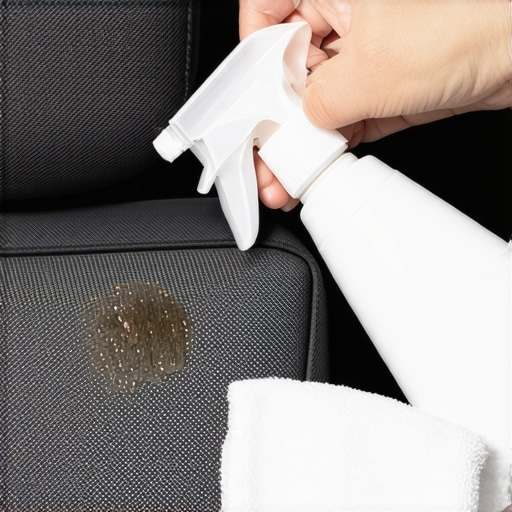
Have you ever sat down on your couch, only to notice that unmistakable wet imprint from your furry friend’s latest misadventure? Maybe it was while you were relaxing after a long day, or during a quick moment of distraction when your pet decided to mark its territory right on your beloved fabric armrest. That sinking feeling of realizing there’s a fresh saliva stain—especially on something as prominent as your armchair—can be downright frustrating. I know the feeling all too well. I remember the first time I spotted a saliva mark on my sofa and felt utterly hopeless about cleaning it without turning my living room into a chemical lab.
Why Pet Stains Keep Coming Back and How to Tackle Them Fast
It’s not just about aesthetics. Pet saliva can harbor harmful bacteria and cause lingering odors if not addressed promptly and correctly. The challenge is that these stains often seem stubborn—setting deep and resisting typical cleaning attempts. Over the years, I’ve experimented with countless techniques, from scrubbing with plain water to expensive enzymatic cleaners, often ending up disappointed or, worse, damaging my fabric. But I eventually discovered that there’s a quick, reliable method to handle saliva stains, especially on fabric armrests, that doesn’t require expensive products or arduous scrubbing.
Is This DIY Trick Actually Worth the Hype?
Early in my cleaning journey, I made the mistake of assuming that any stain would come out after a vigorous scrub or heavy-duty chemical. Turns out, I was just pushing the stain further into the fibers, making it harder to remove. A friend, who’s a professional cleaner, once warned me that using too much harsh chemicals can actually set the stain and damage delicate fabrics. Since then, I’ve learned to prioritize gentle, effective methods—like the one I’m about to share—that not only save time but also protect your furniture. If you’ve ever wondered whether a simple solution could save your sofa from permanent saliva marks, I promise—it can.
But enough talk—let’s get into how you can quickly reclaim your fabric armrests and keep your living space fresh and inviting. For more pro-level tips, check out our ultimate upholstery care guide and discover how to extend the life of your furniture.
,
Prepare Your Workspace and Gather Necessary Supplies
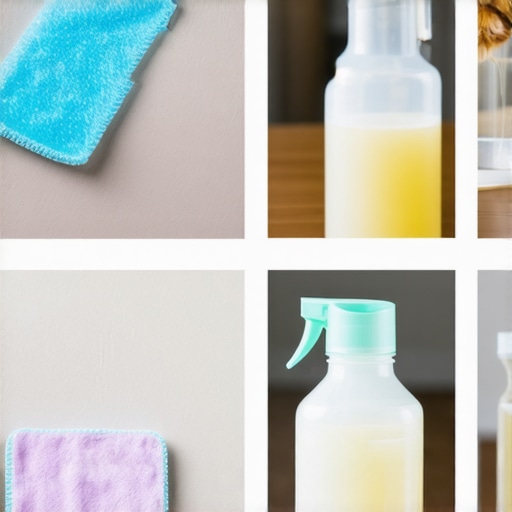
Start by clearing your furniture of loose items and vacuuming the area thoroughly to remove pet hair and loose dirt. Gather white microfiber cloths, mild dish soap, white vinegar, baking soda, a spray bottle, and a clean sponge. Remember, using white cloths prevents dye transfer, and natural cleaning agents are gentler on fabrics.
Test Your Cleaning Solution First
Before applying any solution, test it on a hidden area of the fabric to prevent discoloration. Dampen a cloth with a small amount of your cleaning mixture—mix equal parts white vinegar and water or a drop of mild dish soap diluted in water. Gently dab the test spot and wait five minutes to observe any adverse reaction. This prevents surprises when treating visible stains.
Blot Excess Saliva and Loosen the Stain
Use a clean, dry microfiber cloth to blot the saliva stain gently, absorbing as much moisture as possible. Avoid rubbing; think of blotting as squeezing out a sponge—gentle pressure prevents spreading the stain further into fibers. This step is crucial in preventing the stain from setting deeper, much like blotting a coffee spill on a carpet.
Apply the Cleaning Solution Carefully
Spray your vinegar-water mixture generously on the affected area, ensuring full coverage. Let it sit for five minutes to break down proteins in the saliva. If using a dish soap solution, apply with a sponge and work in gentle circular motions, akin to washing a delicate piece of fabric without over-scrubbing. This approach helps lift the stain without damaging the material.
Scrub Gently and Absorb Residue
Use a soft-bristled brush or sponge to lightly agitate the area, loosening the saliva from fibers. Think of this step as a gentle massage—enough to dislodge the stain without harming the fabric’s integrity. Follow with blotting using a clean microfiber cloth to lift the loosened stain and cleaning solution. Repeat as necessary until the stain diminishes.
Treat Odor After Stain Removal
Sprinkle baking soda over the damp area to absorb residual odors—a trick that works like a charm. Leave it for 15-20 minutes, then vacuum thoroughly. This step ensures your furniture smells fresh, even if the original saliva had a strong odor. For persistent issues, consider a professional upholstery sanitizing technique, as detailed in our ultimate upholstery care guide.
Dry and Final Inspection
Allow the area to air dry completely, preferably with good ventilation or a fan. Once dry, inspect to ensure the stain is gone and no new issues arose. If needed, repeat the cleaning process. Always test any new cleaning method on a hidden spot first to prevent damage. For comprehensive cleaning strategies, explore our house cleaning secrets.
Getting the Basics Wrong Can Wreck Your Efforts
Many homeowners believe that scrubbing harder or using stronger chemicals guarantees a thorough clean. However, in my experience, this approach often leads to damage—especially on delicate fabrics or new surfaces. For example, using bleach on upholstery can cause discoloration and fabric degradation, contradicting the common myth that harsher chemicals are always better. Experts unanimously agree that understanding material sensitivities and employing gentle, targeted techniques yield superior results and extend the life of your furnishings. This nuanced approach is the key to truly effective house cleaning, especially when it comes to move-out cleaning or sanitizing high-touch areas, as detailed in our sanitizing hacks for safe house transitions.
Watch Out for traps Designed to Trip You Up
One widespread mistake is overusing cleaning products, which can leave residues that attract more dirt or cause skin sensitivities. For instance, applying too much carpet cleaner or disinfectant might seem like a good idea but often results in streaks or sticky patches, making your space look unkempt despite the effort. The ‘less is more’ principle applies here, especially when cleaning upholstery—remember that natural remedies like vinegar and baking soda can be highly effective and safer for fabrics. Additionally, neglecting proper ventilation during cleaning can trap chemicals indoors, creating health risks and impairing air quality. Eat your cleaning efforts—aim for thorough but judicious application. For detailed tips on proper sanitizing methods, check out effective sanitizing methods.
Why Do Most People Miss the Small Details?
An advanced mistake many homeowners make is ignoring hidden or overlooked areas that can harbor dirt and germs. For example, dust tends to accumulate behind appliances, inside vent covers, or along baseboards—places that are often skipped during routine cleanings. Over time, these neglected zones can undermine the perceived cleanliness of your home and even affect indoor air quality. Paying attention to these details might seem like a minor effort, but it significantly enhances overall hygiene and prolongs the freshness of your furniture. For a complete move-out and deep cleaning strategy that covers those tiny but crucial spots, refer to our move-out cleaning strategies.
Make sure to assess your cleaning routines critically—are you truly addressing every nook and cranny? Keep an eye out for overlooked details to keep your home truly spotless. Have you ever fallen into this trap? Let me know in the comments.
Maintaining a spotless home doesn’t depend solely on effort but also on having the right tools at your disposal. Investing in high-quality equipment can make your cleaning routine more effective, efficient, and enjoyable. I personally swear by certain devices and supplies that have transformed my approach to house cleaning, upholstery care, and sanitizing.
Choosing the Right Vacuum for Long-Term Cleanliness
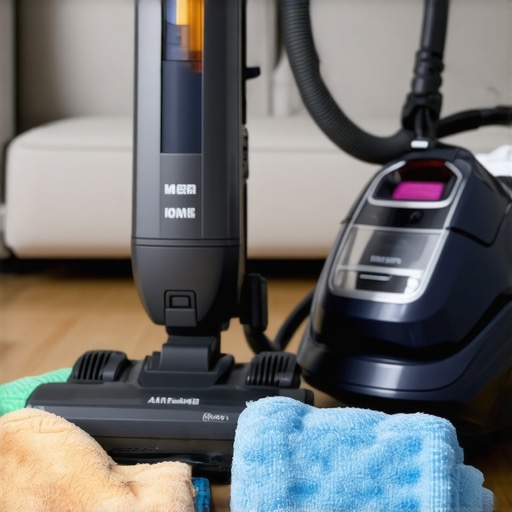
A powerful, reliable vacuum cleaner is fundamental. I prefer models with adjustable suction settings and HEPA filters because they trap allergens and fine dust. My go-to is a canister vacuum with a motorized brush head, which handles everything from pet hair on upholstery to deep-pile carpets. Investing in a high-quality vacuum might seem pricey upfront but saves money over time by reducing the need for frequent replacements and ensuring thorough cleaning. For specialized tasks, such as move-out cleaning, consider a vacuum with attachments designed for hard-to-reach areas; this ensures you won’t miss those tricky corners that harbor dirt and allergens.
The Magic of Microfiber Cloths and Natural Cleaners
In my cleaning arsenal, microfiber cloths are indispensable. They pick up dust, dirt, and bacteria more effectively than traditional cotton towels, especially when paired with natural solutions like vinegar or baking soda. These cloths are durable, washable, and eco-friendly, making them a smart long-term investment. When cleaning upholstery or sanitizing high-touch areas, I rely on microfiber cloths to lift residues without spreading germs. To maximize their effectiveness, I keep multiple cloths dedicated to different areas, preventing cross-contamination. Using quality microfiber also reduces the need for chemical cleaners, aligning with my goal of a healthier home environment.
Steam Cleaners: A Game-Changer for Deep Sanitizing
Steam cleaners have revolutionized my approach to deep cleaning and sanitizing. They effortlessly eliminate germs, bacteria, and dust mites without chemicals, making them ideal for upholstery, mattresses, and even kitchen surfaces. I recommend models with adjustable steam pressure and large water tanks, so you can cover larger areas without frequent refills. Regular use of a steam cleaner enhances the longevity of your furniture and keeps allergens at bay, especially in households with pets or allergy sufferers. As steam cleaning technology advances, portable units are becoming more efficient and easier to handle—making them a worthwhile investment for both routine maintenance and deep cleans.
Small Devices That Make a Big Difference
Don’t underestimate the power of small, specialized tools. A detail brush can reach those tight crevices around baseboards or appliance edges, removing accumulated grime. A handheld extractor makes quick work of stains on upholstery and carpets, perfect for tackling pet accidents or move-out cleaning. For sanitizing electronics or high-touch surfaces, I use UV-C sterilizers, which ensure germs are eradicated without harsh chemicals. These devices are increasingly affordable and compact, offering added protection and peace of mind.
Future Trends in Home Maintenance Equipment
As technology progresses, I foresee smart cleaning devices integrating AI and IoT capabilities, allowing for scheduled maintenance and remote control. Robotic vacuums with advanced mapping are becoming more intelligent, adapting to household layouts for optimal coverage. Expect more eco-friendly, chemical-free tools that prioritize health and sustainability—aligning with the rising awareness of indoor air quality and green living. Staying updated with these innovations can help you keep your home pristine with less effort.
How do I keep my cleaning tools in top shape?
Routine maintenance of your cleaning arsenal is crucial. I recommend washing microfiber cloths after each use, descaling steam cleaners regularly, and replacing vacuum filters and bags as recommended by the manufacturer. Proper upkeep ensures your tools remain effective and prolongs their lifespan. Additionally, storing tools in a dry, organized space prevents damage and makes your cleaning routine more seamless. For comprehensive tips, see our house cleaning strategies.
To get the most out of your equipment, try incorporating sanitizing sprays designed for specific surfaces—using tools in tandem maximizes cleanliness. Using a high-quality steam cleaner combined with microfiber cloths, for instance, can rapidly elevate your home sanitation game. Explore advanced methods like integrating UV sterilizers or robotic cleaners, which are trending toward making home maintenance smarter and more hands-off. For detailed product reviews and recommendations, visit our ultimate upholstery care guide.
Remember, consistent care of your tools is as vital as their initial purchase. A well-maintained set of cleaning devices ensures you sustain a healthy, sanitized living environment with less effort over time. So, choose your equipment wisely, stay on top of maintenance, and embrace emerging technology to keep your home both beautiful and safe.
Lessons Hidden in Plain Sight for Saliva-Free Furniture
One of my biggest lightbulb moments was realizing that patience beats brute force. Rushing to scrub or piling on chemicals often worsened the stain or damaged delicate fabrics. Instead, gentle blotting combined with natural solutions like vinegar diluted in water proved more effective and safer for my furniture. Also, I learned to trust small tools like microfiber cloths—they’re underrated heroes that can lift residue without introducing new messes. Lastly, I discovered that consistent maintenance, such as regular vacuuming and quick response to new stains, keeps upholstery healthier and more resistant to stubborn marks.
Curated Picks to Elevate Your Cleaning Game
I swear by a few tools and resources that have transformed my approach. First, I recommend investing in high-quality microfiber cloths—they’re versatile and surprisingly inexpensive for how much they improve cleaning efficacy. My favorite natural cleaning solution is a simple vinegar-water spray; it’s gentle, effective, and safe around pets. For deep sanitizing, a reliable steam cleaner has become indispensable, especially one with adjustable steam pressure. Lastly, for move-out or deep cleaning projects, exploring trusted guides like our ultimate upholstery care guide provides step-by-step strategies that save time and prevent costly mistakes.
Let Your Heart and Home Shine—Take Action Now
Cleaning pet saliva stains isn’t just about removing a mark; it’s about caring for your space with confidence and love. Embrace gentle techniques, trust your tools, and maintain a proactive approach to household hygiene. Your furniture, pets, and family will thank you for your dedication. Remember, a clean home isn’t just visually appealing—it’s healthier and more inviting for everyone. So, why wait? Start implementing these insider tips today and turn your cleaning routine into a satisfying ritual that keeps your home fresh and protected for years to come. Have you ever tried a cleaning trick that unexpectedly changed your entire approach? Share your success stories below—I’d love to hear them!