
There I was, staring at my favorite velvet cushion after a long weekend of house chaos. It lay flat, dull, and looking a bit worse for wear—a victim of overuse and a few careless spills. You know that feeling when your treasured furniture starts to lose its bounce and texture, and you wonder if it’s beyond saving? That was me, realizing I had to do something, but I had no clue how to bring my cushion back to life without wrecking its luxurious velvety pile.
Why Restoring Velvet Cushions Can Feel Like Walking a Tightrope
Velvet, especially the plush kind, is notorious for its delicate nature. A wrong move, a harsh cleaning product, or a vigorous scrub can permanently flatten or even damage its beautiful texture. I learned this the hard way early on—I once tried using steam cleaning on my velvet sofa, thinking it would refresh it, only to end up with water spots and a pile that looked even flatter. It was a costly mistake that taught me the importance of understanding how to properly care for velvet fabrics.
That’s why, in this guide, I want to share practical tips that I’ve gathered from personal trial, error, and research, so you can revive your flat velvet cushions safely. We’ll focus on gentle, effective methods that preserve the fabric’s natural elegance, ensuring your cushion looks plush and inviting once again.
Is It Really Worth the Effort or Just a Waste of Time?
Initially, I questioned whether attempting to revive my cushion was worth the effort. Would a simple fluffing do the trick? Or was I just wasting my time with methods that might worsen the problem? That hesitation prevented me from acting for a while, which only made the flattening worse. Looking back, I realize that with the right approach—one that respects velvet’s unique properties—you can genuinely breathe new life into your cushions. For more professional insights, I recommend checking out the ultimate upholstery care guide that offers expert advice on maintaining various fabrics.
Now, let’s get into the practical steps and reveal how I managed to restore that beloved velvet cushion without risking damage. Trust me, it’s simpler than you might think—if you know the correct techniques and tools.
Fluff It Properly to Reclaim Its Plumpness
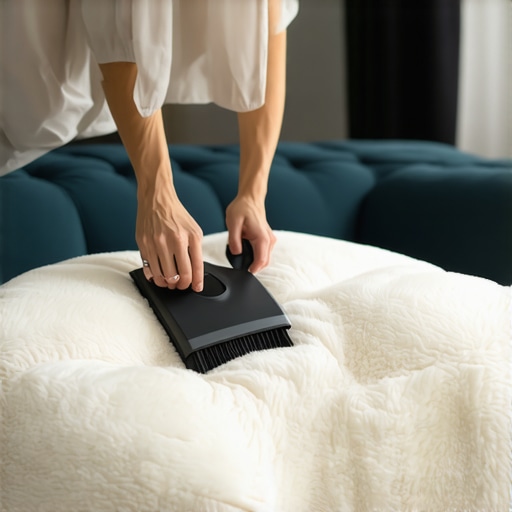
My first attempt involved simply fluffing the cushion with my hands, mimicking how a chef tenderizes meat. I gently tapped and kneaded, but it only made a slight difference. To truly revitalize the fibers, I used a handheld upholstery brush, set to a light setting, and brushed along the pile in the direction of the grain. This action lifts flattened fibers like raising the hairs on a brush, restoring some bounce. Remember, avoid aggressive scrubbing; think of it as petting a delicate cat — gentle and respectful.
Dry Scattering Baking Soda to Absorb Odors
Next, I sprinkled a thin layer of baking soda across the cushion’s surface, focusing on areas that felt particularly flat or smelled musty. Baking soda acts like a sponge, absorbing moisture and odors, much like how fresh snow absorbs ambient heat and scent. I left it for about 30 minutes, then gently vacuumed using a brush attachment, ensuring I lifted out trapped dirt and residual odor compounds. This step not only refreshes the look but also leaves your cushion smelling clean. For best results, regularly repeat this process to prevent odors from settling in again.
Gentle Moisture with a Distilled Water Mist
To revive the pile’s texture, I misted the cushion lightly with distilled water, using a spray bottle set to a fine mist. Think of it as giving your fabric a spa treatment: too much water can flatten fibers further, but a light spritz can help fibers stand upright and regain their original density. I then used a clean, soft towel to gently pat, avoiding any rubbing that could damage delicate fibers. This process is especially useful for cushions that lost their plushness after prolonged use or cleaning attempts. Ensure the cushion dries completely in a well-ventilated space afterward.
Use a Carpet Steam Cleaner with Caution
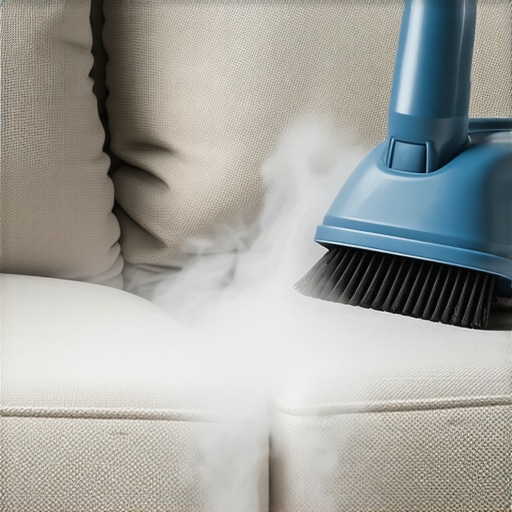
In my case, I experimented with a low-heat, dry-steam setting on a portable carpet cleaner, carefully avoiding soaking the fabric. The goal wasn’t deep cleaning but rather infusing just enough moisture to lift fibers without causing water spots or damage. I held the nozzle at a safe distance and moved quickly, like a painter with a spray gun, to prevent over-saturation. Be cautious; steam cleaning velvet isn’t always advisable and can sometimes cause irreversible damage, so always test a small hidden area first or consult upholstery care guidelines. For a comprehensive approach, check out the ultimate upholstery care guide.
Finish with Proper Brushing and Fluffing
Finally, I used a soft-bristled upholstery brush once more, gently going against the grain to lift fibers and restore the velvet’s lustrous pile. Think of it as brushing your hair after a day’s work—careful, gentle, and with a light touch. Regularly, I would repeat these steps every few weeks, and over time, the cushion regained its original plush appearance and inviting texture, proving that with patience and proper technique, velvet can be revived effectively. Remember, always avoid harsh chemicals and aggressive scrubbing, which could ruin the fabric’s delicate surface. For other specific tips, the comprehensive upholstery guide offers detailed insights on maintaining velvet and other delicate fabrics.Many homeowners and tenants believe that tackling surface dirt is enough for a successful move-out clean, but this misconception often leads to subpar results. One prevalent myth is that all cleaning products are equally effective; in reality, using generic or harsh chemicals can damage delicate fabrics or surfaces, especially when cleaning upholstery or high-touch electronics. For expert advice on selecting the right cleaning solutions, check out the ultimate upholstery care guide.
Another often overlooked mistake is neglecting hidden places like behind appliances or under furniture, which harbor grime and bacteria, compromising sanitation. This oversight can result in residual germs that pose health risks, especially during flu season. Properly sanitizing these areas is crucial; for strategies, visit sanitizing secrets for a safer house.
Advanced cleaners know that superficial cleaning isn’t enough—true move-out cleaning demands attention to detail to prevent lingering odors or invisible microbial contamination. A common myth is that rinsing with water suffices, but without proper disinfectants and dwell time, bacteria and viruses can persist. This misconception can lead to _false confidence_ in cleanliness. For a comprehensive approach, see effective sanitizing methods.
Have you ever fallen into this trap? Let me know in the comments.
What improves results for experienced cleaners is recognizing that high-quality tools and knowledge of material-specific cleaning techniques make a significant difference. For example, using the wrong brush on upholstery can damage fibers, leading to costly replacements. Learn more about precise techniques in upholstery cleaning tips.
Lastly, many underestimate the importance of following a structured move-out checklist. Skipping steps like detailed cleaning of door frames or vents can give landlords ammunition for withholding deposits. To streamline this process, consult move-out cleaning checklist and ensure nothing is overlooked.
In summary, avoiding these nuanced mistakes requires awareness, patience, and proper tools. Only then can your cleaning efforts truly meet the high standards of landlords and new homeowners alike. Remember, mastery isn’t just about speed, but meticulous precision—so take the time to do it right. For more professional secrets, explore expert house cleaning secrets. Let’s keep our homes spotless and safe—happy cleaning!
Maintaining a pristine home or upholstery over time requires more than just good intentions; it demands reliable equipment and proven techniques. As a seasoned cleaning enthusiast, I’ve curated a set of tools that I personally rely on to ensure my cleaning efforts are both efficient and effective. In this section, I’ll share the equipment that consistently delivers results and explain why they belong in your toolkit.
Why a High-Performance Upholstery Brush Matters
Not all brushes are created equal. I swear by a dense, natural-fiber upholstery brush with stiff but flexible bristles. It allows me to lift flattened fibers without damaging delicate fabrics like velvet or silk blends. I prefer a brush with an ergonomic handle to reduce fatigue during longer sessions. The key is gentle agitation; aggressive scrubbing can ruin textures, but a quality brush makes lifting dust and restoring fluff effortless.
The Steam Extractor: A Game Changer for Deep Cleaning
For deep cleaning carpets and upholstery, I recommend investing in a professional-grade steam extractor with adjustable steam levels. I personally use a model with a wide cleaning path and reusable microfiber pads that trap dirt effectively. This equipment is invaluable for sanitizing fabrics without the use of harsh chemicals—perfect for maintaining health and extending the life of your furnishings. Do keep in mind, not all fabrics tolerate steam, so always check fabric compatibility before proceeding. For more on cleaning delicate fabrics, visit this upholstery care guide.
Smart Tools for Long-Term Results
Using tools is just part of the story. I also rely on software solutions like cleaning schedules integrated with timers and reminders to stay consistent. Apps that remind me of regular maintenance and deep cleaning sessions ensure I don’t get lax—especially important when dealing with upholstery or sanitization routines that need periodic attention. Moving forward, I believe automation and smart home integrations will play a bigger role in maintaining cleanliness effortlessly.
How do I keep my cleaning tools in top shape?
Proper tool maintenance is essential. Regularly wash or replace brushes, clean steam extractor filters, and store equipment in dry, dust-free areas. This prevents mold, bacterial buildup, and mechanical wear, prolonging their usability. I’ve found that a bit of routine upkeep saves me money and ensures optimal performance during each use. Plus, having well-maintained equipment reduces the risk of accidentally damaging fabrics during cleaning.
In the future, I predict more eco-friendly, wireless tools will revolutionize home cleaning by combining power, convenience, and sustainability. Innovations like battery-powered scrubbers with longer runtimes and smart sensors that detect fabric type are on the horizon, promising even better results with less effort.
Make it a habit to check your tools regularly
This simple step prevents equipment degradation and guarantees your cleaning results stay high quality. Why not challenge yourself to inspect and clean your tools tonight? Remember, investing in quality equipment and proper maintenance is key to keeping your spaces fresh, healthy, and inviting for the long haul. When you’re ready, explore more expert cleaning secrets in this comprehensive guide.
Throughout my cleaning journey, I’ve realized that restoring velvet cushions goes beyond superficial fixes; it’s about understanding the fabric’s soul and treating it with respect. One of the most eye-opening lessons was discovering that aggressive chemicals or rough brushing can irreparably damage delicate velvet fibers, turning a plush piece into a stiffer, less inviting surface. Patience, gentle techniques, and quality tools are the keys to preserving its luxurious texture and appearance.
Lessons Only the Pros Will Share About Velvet Revival
- Skip the magic cleaning sprays: They often contain harsh chemicals that can strip velvet’s shine. Instead, opt for natural solutions like distilled water and careful brushing.
- Don’t ignore fiber direction: Always brush along the grain to lift flattened fibers and restore plushness; going against the pile can cause unnecessary damage.
- Be cautious with moisture: Light misting can rejuvenate fibers, but over-saturating will flatten them permanently. Use a fine spray and let it dry completely in a well-ventilated space.
- Invest in the right tools: A soft upholstery brush and a quality steam extractor tailored for delicate fabrics make all the difference. Regular maintenance of your tools ensures longevity and effective performance.
- Patience over haste: Restoring velvet is a gradual process. Repeat gentle treatments over weeks, and you’ll see a remarkable transformation that truly revives your cushion’s luxurious feel.
Tools and Resources That Changed My Approach
- Upholstery cleaning tips— A comprehensive guide that emphasizes fabric-specific techniques, preventing accidental damage.
- Ultimate upholstery care guide— My go-to resource for understanding how to balance cleaning and preservation, especially for delicate materials like velvet.
- Cleaning secrets from experts— Packed with insider knowledge, it helped me refine my approach and avoid common pitfalls.
- Move-out cleaning checklists— Ensures I don’t overlook detailed care for fabrics and furniture during seasonal deep cleans or moves.
Step Into the World of True Carpet and Upholstery Experts
My journey with velvet cushions has taught me that mastery in cleaning isn’t just about the right products—it’s about a mindset of gentle precision, patience, and continuous learning. When you invest time in understanding your fabric and tools, you’re not just cleaning; you’re caring for your home’s most cherished pieces. That commitment transforms routine chores into acts of love for your furniture, making every sit-down a luxurious experience. Don’t let misconceptions hold you back—embrace the process, and enjoy a truly plush, revitalized velvet cushion that invites you to sink right in. And now, I’d love to hear from you: what’s been your biggest challenge when restoring delicate fabrics like velvet? Share your stories below and let’s learn together.