
Ever had that sinking feeling when you spill coffee right onto your favorite polyester sofa? I remember the exact moment—I was rushing to finish my morning brew, and before I knew it, a splash of dark liquid was spreading across the fabric. Panic bubbled up instantly. I tried blotting with a paper towel, hoping the stain would just vanish. Spoiler: it didn’t. Instead, I watched in dismay as it set in and became part of the couch’s story. Sound familiar? If you’ve faced this frustration, you’re not alone. Coffee stains on upholstery are stubborn foes, especially on polyester, which is notorious for holding onto liquid and stains more than we’d like. But here’s the thing—I’ve learned a simple trick that turned so many of my stain catastrophes into distant memories. Today, I want to share the method that saved my sofa and could do the same for yours. We’ll focus specifically on how to lift those persistent coffee marks using one of the most overlooked yet effective techniques: cold water. Surprising fact: according to cleaning experts, using hot water on polyester can actually set stains, making them harder to remove. That’s why I always recommend sticking to cold water when dealing with coffee splashes. Now, let’s dive into the reason why this technique works and how you can apply it effectively.
Why Cold Water Is Your Best Friend in Stain Removal
Start With Cold Water Immediately
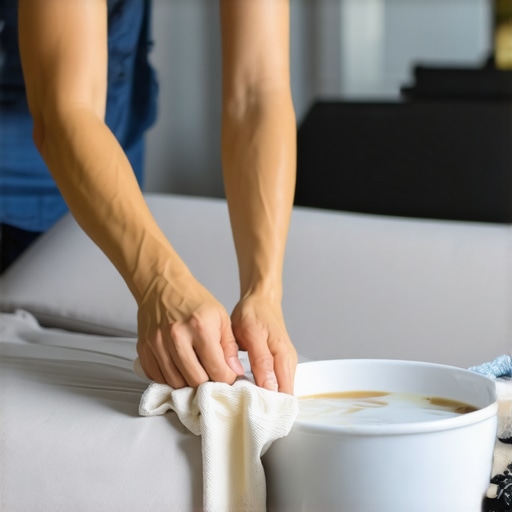
As soon as you notice the coffee spill, grab a clean cloth and soak it in cold water—never hot, as it can set the stain further into polyester fibers. Blot the stain gently, pressing the cloth onto the affected area, without rubbing. I vividly remember applying this method during a weekend visit when my niece spilled her juice on my sofa. Within minutes, I blotted the stain with cold water, and the dark mark faded significantly overnight. This quick response prevents the coffee from penetrating deeper, making subsequent cleaning easier.
Use a Gentle Detergent Solution
Mix a small amount of mild dish soap with cold water—about a teaspoon per cup—and dampen a clean cloth with this mixture. Lightly dab the stain, working from the outside inward to avoid spreading. Think of this as smoothing ripples in a pond; working from the edges prevents the stain from enlarging.
Vinegar and Baking Soda Boost Power
For stubborn stains, lightly spray a mixture of equal parts white vinegar and cold water onto the area. Wait for 5 minutes. Then, sprinkle a small amount of baking soda to create a foaming action. Use a soft sponge or cloth to gently scrub the area, lifting residual coffee particles. I employed this technique when a particularly stubborn coffee ring refused to budge, and it proved effective without damaging the fabric.
Rinse and Blot Excess Moisture
Once the stain lightens, dampen a clean cloth with plain cold water and blot to remove any cleaning residues. Then, press a dry towel onto the area to absorb remaining moisture. This step is crucial to prevent water rings or mold growth, which are common pitfalls if the fabric stays wet too long.
Allow Proper Drying and Evaluate
Let the cleaned area air dry completely before using the sofa again. To speed up drying, you can point a fan at it or open windows. Once dry, assess if any stain remains; repeat the process if necessary. During my last attempt, I noticed a faint coffee stain still visible, so I repeated these steps and achieved spotless results.
Implementing these concrete actions turns cleaning from guesswork into a reliable process. Remember, acting fast with cold water and gentle solutions minimizes damage and maximizes stain removal success. For more upholstery care insights, check out our Ultimate Upholstery Care Guide.
Many people assume that a quick spray of disinfectant is enough to ensure a truly clean home, but this oversimplifies the complex nature of effective sanitation. Contrary to popular belief, not all disinfectants are created equal—some fail to penetrate biofilms or reach hard-to-access areas, leaving germs behind. Additionally, relying solely on surface cleaning without considering the nuances of pathogen reservoirs—like under appliances or inside upholstery—can give a false sense of security. Studies, such as the one published in the Journal of Infection Control, highlight that proper contact time and comprehensive coverage are critical for effective disinfecting. An often-overlooked aspect is the importance of mechanical cleaning; scrubbing and physically removing dirt and microbes significantly enhances disinfectant efficacy, especially in high-touch zones. Many assume that once an area appears clean, it’s sanitized, but without proper techniques, microbes can survive and multiply unnoticed. For example, cleaning upholstery isn’t just about removing visible stains; it requires understanding fiber types, appropriate cleaning agents, and methods to eliminate embedded allergens and bacteria. Moving out, many overlook hidden grime, like the grime buildup under appliances or inside vents, which can be a source of residual odors and bacteria, threatening security deposit refunds. To improve your cleaning routine, avoid the trap of only superficial wiping and focus on thorough, methodical cleaning—using the right tools and solutions designed for specific surfaces. Want to take your cleaning knowledge further? Check our comprehensive guide on effective house cleaning secrets from cleaning experts. Have you ever fallen into this trap? Let me know in the comments.
Keeping Your Cleaning Gear in Prime Shape
To maintain a pristine home, investing in high-quality tools makes all the difference. I personally swear by a professional-grade steam cleaner like the McCulloch MC1385. Its powerful steam output effortlessly sanitizes upholstery and hard surfaces without the need for chemical cleaners, making it ideal for families with kids or pets. Regularly cleaning your tools is equally vital—it prevents the buildup of bacteria and ensures peak performance. A simple habit I follow is to empty and wipe down my vacuum filters and attachments weekly, which prolongs their lifespan and maintains suction power.
Essential Cleaning Solutions Besides the Usual
While store-bought cleaning agents are convenient, I recommend crafting your own for specific tasks. For example, a mixture of white vinegar and baking soda not only cleans but neutralizes odors and kills bacteria effectively. I keep a spray bottle of this solution for quick disinfecting of high-touch areas. For upholstery and delicate fabrics, I use enzymatic cleaners like our detailed guide recommends, as they break down organic stains without damaging fibers.
Automation and Scheduling for Consistency
Using smart home technology has transformed my cleaning routine. Devices like the iRobot Roomba i7+ automatically clear dust and pet hair, especially in hard-to-reach spots, maintaining cleanliness without daily effort. Automation not only saves time but also ensures you don’t neglect maintenance, which can lead to long-term issues like mold or grime buildup in hidden corners. Predictive maintenance, aided by sensors, can alert you when filters or brushes need replacing, keeping your tools functioning optimally.
Where might technology go next in home cleaning?
Looking ahead, I predict a surge in AI-integrated cleaning systems capable of learning your habits and optimizing cleaning schedules automatically. These innovations will adapt to your home’s unique environment, providing truly hands-free maintenance.
How do I maintain my cleaning tools to ensure long-term effectiveness?
Consistently inspecting and maintaining your equipment is critical. For instance, I recommend rinsing microfiber cloths and brushes after each use and replacing filters every few months, following manufacturer guidelines. This simple habit prevents bacteria buildup, preserves the tools’ suction and cleaning power, and extends their lifespan. Incorporate routine checks into your cleaning schedule to catch issues early—it’s a small step that pays off in the longevity and reliability of your equipment.
Interested in deepening your cleaning expertise? Visit our effective house cleaning secrets page for pro tips and tricks. And don’t forget—try out the advanced maintenance tip of rinsing and replacing filters regularly to keep your tools performing at their best. Your home will thank you for it!
Through my cleaning journey, I discovered that patience truly pays off, especially when dealing with stubborn coffee stains. One of my most valuable lessons was realizing that rushing or using harsh chemicals can sometimes worsen the situation. Instead, trusting simple, natural methods like cold water and gentle solutions proved more effective, saving my upholstery from unnecessary damage and discoloration. Embracing these techniques has transformed my approach, making stain removal less stressful and more predictable.
Secrets Only Long-Time Cleaners Know About Upholstery Care
- Hot water can set certain stains into polyester fabrics, so always opt for cold water as your first line of defense.
- Immediate action is crucial; the sooner you respond to a spill, the easier it becomes to lift the stain.
- Vinegar and baking soda are more than kitchen staples—they’re powerful allies against persistent stains without harming delicate fabrics.
- Repeated gentle treatments often outperform aggressive scrubbing, preserving the integrity of your furniture.
- Consistent maintenance and using the right tools extend the life of your upholstery and keep it looking new.
Recommended Resources to Elevate Your Upholstery Cleaning Skills
- The Ultimate Upholstery Care Guide: Offers in-depth strategies for maintaining and restoring fabric furniture, trusted for its practical advice.
- Effective House Cleaning Secrets from Cleaning Experts: A compilation of professional tips that help you master home sanitation on a budget.
- Move-Out Cleaning Strategies to Secure Your Deposit: Focuses on detailed cleaning checklists, perfect for landlords and tenants alike.
- Sanitizing Hacks for Safe House Transitions: Essential reading for ensuring your home is germ-free during significant changes or after illness outbreaks.
Your Turn to Shine with Confident Cleaning
Now that you’re equipped with proven techniques and trusted resources, it’s time to tackle those stains and keep your upholstery looking flawless. Remember, a clean home isn’t just about aesthetics; it’s about creating a safe, comfortable space for you and your loved ones. Start integrating these cold water methods today, and enjoy the rewarding feeling of a truly refreshed home. Curious about other versatile cleaning tricks? Check out our effective house cleaning secrets to keep your house shining every day.