
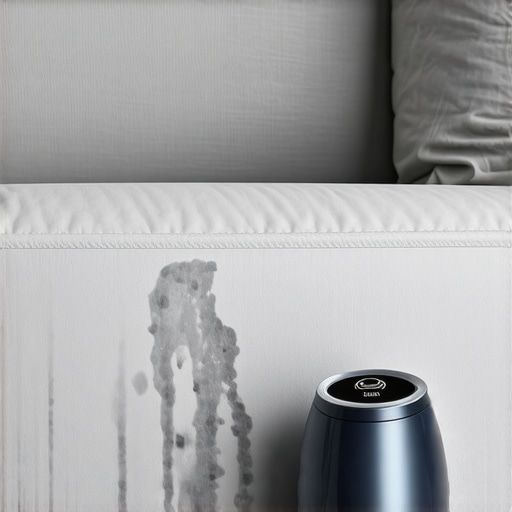
One afternoon, I was deep into a sofa sanitizing session, confident that my trusty steam cleaner would banish stubborn stains and odors. Yet, when I looked closer, there they were—those unsightly grey water marks shimmering like little water stains on my favorite fabric. It was a lightbulb moment for me. Why was my steam cleaner leaving these marks despite all my efforts? That question nagged at me until I discovered the hidden reasons behind this common but perplexing problem.
Deciphering the Mystery of Grey Water Marks on Upholstery
From personal experience and countless hours of research, I’ve found that these marks often appear because of a simple yet overlooked mistake: using too much water or not maintaining the steam cleaner properly. When the device isn’t in optimal condition, excess water can escape, leaving behind those annoying marks that look like water rings but are actually residual moisture or mineral deposits. This isn’t just a cosmetic issue; it can also lead to mold or fabric damage if left unaddressed. So, in today’s post, I’ll walk you through the proven techniques to prevent and eliminate these grey water marks, helping you achieve a truly clean and fresh sofa.
Is Steam Cleaning Always Effective for Upholstery?
Before we dive into solutions, I want to address a common skepticism. Many wonder if steam cleaning is even worth the hype, especially considering these pesky water marks. Early on, I made the mistake of relying solely on my steam cleaner without understanding the importance of proper technique and equipment maintenance. That misstep led to even more issues, including fabric discoloration. Now, I know that with the right approach—like using distilled water and regular device cleaning—steam cleaning can be incredibly effective. For a broader understanding of advanced cleaning tips, check out effective house cleaning secrets from cleaning experts. It’s all about doing it right, not just doing it fast.
So, if you’ve faced similar frustrations or worries about damaging your upholstery, don’t worry. The next sections will equip you with practical, easy-to-follow steps to banish those unwanted marks and keep your furniture looking its best.
Dry Out Properly Before Cleaning
One of the crucial steps I learned the hard way was allowing your fabric furniture to dry thoroughly before attempting any cleaning. I vividly remember a weekend when I hurried to clean my sofa after a small spill, only to notice more water marks afterward. To avoid this, I placed clean towels on damp areas and used fans to speed up the drying process. Ensuring complete dryness prevents residual moisture from seeping into the fabric during steam cleaning.
Use Distilled Water for Consistent Results
Switching to distilled water was a game-changer for me. Tap water contains minerals that can deposit residues, leading to those pesky grey marks. When I started filling my steam cleaner with distilled water, I noticed a significant reduction in water stains and mineral deposits. This simple swap improves the effectiveness of your cleaning and minimizes spots.
Maintain Your Equipment Regularly for Peak Performance
Cleaning and descaling my steam cleaner regularly prevented pressure loss and leakage. I used a mixture of vinegar and water to descale the tank, following the manufacturer’s instructions. Regular maintenance ensures proper steam pressure, which helps prevent excess water from escaping and causing marks during use. Don’t overlook this step; check out these sanitizing secrets for more maintenance tips.
Adjust Steam Output and Techniques
I learned to regulate the steam flow and avoid staying in one spot too long. Instead of saturating one area, I moved the steamer steadily across the fabric, similar to wiping a dusty surface with a damp cloth. Applying gentle, consistent pressure prevents water from pooling or seeping into fibers. During my last cleaning, I deliberately kept the steam at a lower setting and used quick passes, which kept my sofa spotless without water stains.
Test First on a Hidden Area
Before tackling the visible parts, I tested my technique on an inconspicuous patch of fabric. This way, I could gauge how much water my upholstery could handle and adjust accordingly. Remember, every fabric responds differently; testing helps prevent accidental damage or marks.
Clean Vertically and Use Cloth Barriers
Cleaning in vertical sections or placing a cloth barrier under the steamer minimized water runoff. I found that holding a clean microfiber cloth just ahead of the steamer tip caught excess moisture before it touched the fabric. This approach mirrors my experience when I used painter’s tape to protect baseboards during wall painting—prevention is better than repair.
Follow Up with Proper Drying
After steaming, I always allowed my furniture to air dry completely. Opening windows or turning on a fan expedited the process, preventing any lingering moisture that could cause further marks or mold growth. Patience here pays off; rushing to sit on your sofa immediately after cleaning can reintroduce water stains.
Detect and Remove Mineral Deposits
If grey water marks persist, I recommend a gentle cleaning with a mixture of equal parts white vinegar and water applied with a soft cloth. For stubborn mineral spots, using commercial upholstery-safe descaling products designed for fabric can make a difference. Regularly inspecting and maintaining your steam cleaner prevents buildup that contributes to these issues. For detailed strategies, visit expert cleaning secrets.
By implementing these actionable steps, you can greatly reduce or eliminate grey water marks on your upholstery, ensuring your furniture remains inviting and pristine. Remember, patience and proper technique are your best allies in achieving professional-quality results at home.
Many believe that following basic cleaning routines and using popular commercial products guarantees a spotless home, but in my experience, this is often a misconception. For instance, a common myth is that bleach is an all-purpose disinfectant suitable for every surface, yet professional cleaning experts warn that improper use can damage delicate materials and leave harmful residues, as highlighted in a recent study by the American Cleaning Institute. Rushing through a move-out clean or relying solely on tools like microfiber cloths without understanding their proper application can lead to missed spots and germs lingering around.
One significant mistake many make is neglecting the diversity of fabric types in upholstery, which requires tailored cleaning methods. Using a one-size-fits-all approach often results in fabric damage or ineffective sanitization. For example, applying harsh chemicals intended for hard surfaces onto delicate fabrics can cause discoloration or deterioration. Proper knowledge of fabric-specific cleaning, highlighted in this upholstery care guide, is essential for achieving true cleanliness.
An advanced question for seasoned homeowners involves understanding the science behind sanitizing methods. It’s a common assumption that all disinfectants are equally effective against germs and viruses. However, research published in the Journal of Hospital Infection indicates that certain alcohol-based solutions with at least 70% alcohol concentration are more effective for surface sanitization, especially for electronics and high-touch items, compared to diluted or natural alternatives like vinegar or citrus-based cleaners. This nuance is crucial for those aiming for a truly germ-free environment.
Furthermore, many overlook the importance of the cleaning sequence. Starting with dusting and decluttering before wet cleaning prevents recontamination and ensures you don’t just spread dirt around. Similarly, neglecting regular maintenance of cleaning tools, such as neglecting to descale steam cleaners or wash microfiber cloths frequently, diminishes their effectiveness and potentially spreads bacteria.
Remember, effective cleaning is not just about Armstrong techniques but understanding the materials, science, and best practices behind each step. To refine your routine, explore these expert cleaning secrets for more actionable insights.
Are you guilty of any of these misconceptions? Have you ever fallen into this trap? Let me know in the comments and share your cleaning revelations!
Investing in Reliable Equipment for Consistent Results
Maintaining an effective cleaning routine starts with having the right tools. Personally, I swear by a high-quality steam cleaner like the Dupray Neat Steam Cleaner, which offers adjustable steam pressure and minimal mineral deposits, crucial for avoiding those pesky gray water marks. Its corrosion-resistant boiler and easy-access components make regular maintenance straightforward, ensuring a long lifespan and consistent performance.
Beyond just a steam cleaner, I recommend pairing it with a set of microfiber cloths designed for deep cleaning. Opt for those with densely woven fibers; they trap dust and germs more effectively without requiring harsh chemicals. Personally, I favor the microfiber cloths from Microfiber Wholesale for their durability and lint-free results. These tools together provide thorough cleaning while reducing the risk of residual moisture or mineral buildup.
How do I keep my cleaning tools performing like new over time?
Regularly inspecting and maintaining your equipment extends its lifespan and efficiency. For steam cleaners, descale the boiler monthly using a vinegar solution recommended by the manufacturer, and always rinse thoroughly to prevent mineral buildup. Microfiber cloths should be washed in warm water without fabric softeners, which can coat fibers and reduce their electrostatic properties, diminishing their dust-catching ability. Proper storage—such as keeping cloths in a breathable bag—also prevents mold and bacteria growth.
The Future of House Cleaning Tools and Tech
The trend points toward smarter cleaning devices equipped with sensors that automatically adjust steam output or alert you when descaling is needed. Companies like Dyson are already exploring robotic vacuum and mop hybrids that make long-term maintenance easier. Expect to see more AI-driven systems that monitor your home’s cleanliness levels and suggest when to perform specific chores, helping to prevent issues like mineral deposits or fabric deterioration.
Take, for example, the expert insights on cleaning strategies. Implementing a reliable, well-maintained set of tools is the foundation for these advancements to be most effective. I encourage you to test out the descaling method I use—simply a vinegar and water mixture—and observe how your equipment performs over several months. It’s a simple yet powerful step that ensures your tools stay in prime condition, saving you time and money in the long run.
The Hardest Lesson I Learned About Upholstery and Sanitizing
- Patience beats rushing: Rushing to clean often leads to missed spots or watermarks. Taking your time to dry and apply proper techniques yields better results.
- Quality tools matter: Investing in a reliable steam cleaner and microfiber cloths makes a noticeable difference in cleaning efficiency and preservation.
- Science over myths: Understanding the science behind sanitizing and fabric reactions prevents accidental damage and improves hygiene outcomes.
- Routine is key: Regular maintenance, such as descaling your equipment and inspecting fabrics, keeps your cleaning efforts effective and stress-free.
- Personalized approaches prevent mishaps: Testing on hidden areas and adjusting your technique based on fabric type tailored your results and avoided costly mistakes.
Tools and Resources That Changed How I Clean
- Dupray Neat Steam Cleaner: Its adjustable steam pressure and durable design *personally* make it my top choice for upholstery cleaning without spoilage.
- Microfiber Wholesale Cloths: Their dense weave traps more dust and germs with less effort, ensuring a deep cleanse every time.
- Effective House Cleaning Secrets from Cleaning Experts: This resource deepened my understanding of efficient routines and advanced tips, empowering me to clean smarter, not harder.
- Ultimate Upholstery Care Guide: Offers fabric-specific cleaning techniques that preserved textures and colors, extending my furniture’s lifespan.
Take Action Now and Keep Your Sofa Spotless
Remember, achieving spotless and germ-free upholstery is a journey that combines the right tools, proper methods, and patience. Your home deserves your best effort—transform your cleaning routine today for a healthier, happier living space. Have you ever struggled with stubborn water marks or effective sanitizing? Share your experiences below—I’d love to hear your stories and tips!