
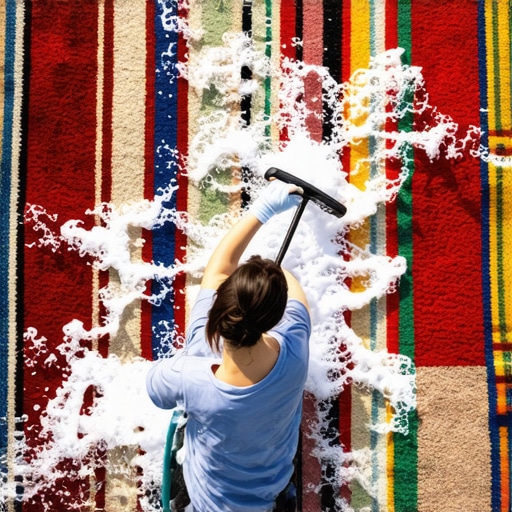
I remember the moment clearly—my once plush, vibrant rug turned into a coarse, uninviting mat after what I thought was a thorough cleaning. I had splashed extra detergent, thinking it would make my life easier. But soon, I realized that too much soap was doing more harm than good, leaving my beloved rug stiff and less welcoming than before. That frustrating experience was a lightbulb moment for me, and I bet many of you have faced similar dilemmas.
Uncovering the Real Reason Your Rug Stays Stiff After Cleaning
Many homeowners believe that the more detergent they use, the cleaner and softer their rugs will be. However, the reality is quite different. Excess detergent doesn’t just fail to rinse out thoroughly; it accumulates within the fibers, creating a sticky residue that hardens over time. This residue acts like glue, making your rug stiff and less comfortable underfoot. Trust me, I’ve learned this the hard way, and early on, I made the mistake of overusing soap, thinking I was cleaning better. Instead, I was trapping grime and leaving behind a crusty layer that was tough to remove later.
Is Extra Detergent Actually Worth the Hype?
One common fear I hear is that skimping on detergent won’t effectively clean the carpet or rug. That’s simply not true. Proper cleaning relies on using the right amount of soap, thorough rinsing, and sometimes, a good vinegar rinse to cut through residues. Overloading your rug with detergent can lead to build-up, which ironically makes your cleaning efforts ineffective and your rug more uncomfortable. Heating, in particular, amplifies this problem because it sets the residue, making your once-soft rug feel coarse and uninviting. It’s a classic case of less being more—less detergent, better results.
If you’ve ever faced a stiff, sticky rug after cleaning, you’re not alone. I’ve been there myself. Luckily, with some simple adjustments and proper techniques, you can restore your rug’s softness without the frustration. Stay with me as we go through proven strategies to fix this common mistake and keep your carpets looking and feeling their best.
Rinse and Remove Excess Detergent Thoroughly
Start by extracting as much soap residue as possible. Use a clean, damp sponge or cloth to blot the rug, working from the edges toward the center. Apply gentle pressure without rubbing, which can push the soap deeper into fibers. This initial step prevents the detergent from setting further and minimizes residue left behind. Remember, just like rinsing a paintbrush, thorough rinsing is key to preventing stiffness.
Use a Vinegar Solution to Break Down Residue
Mix equal parts white vinegar and water in a spray bottle. Lightly mist the affected area, ensuring not to oversaturate. Vinegar acts as a natural degreaser, helping to break down soap build-up. After spraying, wait 10-15 minutes to let it penetrate, then blot with a clean cloth. A personal experience I had involved a heavily soaped rug, and this vinegar spray transformed its texture, restoring softness and flexibility. For more cleaning secrets, visit Sanitizing Secrets for a Safer House in 2025.
Flush Out Residue with Clear Water Rinses
Follow the vinegar treatment with multiple clear water rinses. Use a wet cloth or sponge to gently wipe the area, removing vinegar and residual soap. Rinse your cloth frequently to avoid re-depositing dirt or soap. Think of this as giving your rug a gentle shower, removing all remaining cleaning agents. Be cautious not to oversoak the rug; excessive moisture can lead to mold. Just like washing a delicate sweater, gentle and repeated rinsing preserves the fibers’ integrity.
Extract Excess Moisture Carefully
After rinsing, use a wet/dry vacuum or a clean towel to soak up as much water as possible. Press firmly to draw out moisture, but avoid aggressive scrubbing. This step is crucial to prevent the fibers from drying out stiffly. If you have access to a carpet cleaner with an extraction feature, employ it to speed up drying and improve fiber flexibility. Allow the rug to air dry completely, preferably with good ventilation and indirect sunlight. This method ensures your rug regains its softness without the risk of becoming stiff or brittle again.
Prevent Future Stiffness with Proper Cleaning Tips
Always use detergents sparingly—about one to two capfuls per gallon of water—and rinse thoroughly. Consider switching to a gentle, pH-balanced carpet cleaner that minimizes residue. For regular maintenance, incorporate a vinegar rinse into your routine to keep fibers soft. Regularly vacuum and deodorize your rug to prevent grime buildup that can exacerbate stiffness. Sometimes, a professional cleaning is worth the investment; technicians can apply specialized solutions that prevent residue accumulation. If you want expert assistance, check out Contact Us, and they’ll help restore your rug’s plushness.Many homeowners carry misconceptions about what it truly takes to maintain a clean, healthy home, particularly regarding move-out cleaning, sanitizing, and upholstery care. One prevalent myth is that scrubbing harder or using harsher chemicals guarantees better results. In reality, aggressive scrubbing can damage delicate fabrics and surfaces, leading to longer-term issues like fiber deterioration or chemical buildup. Instead, gentle yet effective techniques, such as using microfiber cloths or natural cleansers like vinegar, often produce superior results—referring to insights shared in [Upholstery Cleaning Tips for a Fresh Home Revival](https://spotlesscarpetz.com/upholstery-cleaning-tips-for-a-fresh-home-revival).
What Advanced Homeowners Need to Know About Sanitizing Chemicals
Many assume that combining multiple disinfectants makes the home safer. However, mixing household cleaning agents can produce dangerous fumes or deactivate each other’s effectiveness, a risk documented by experts in sanitation protocols. For instance, combining bleach with ammonia can create toxic chloramine vapors. To ensure safety and efficacy, consult reputable sources like [Effective Sanitizing Methods for a Germ-Free Home](https://spotlesscarpetz.com/effective-sanitizing-methods-for-a-germ-free-home).
Another overlooked nuance is the importance of understanding residual product interactions. For example, applying air fresheners directly after cleaning can trap residues in textiles, potentially causing respiratory irritation. Recognizing that certain cleaning practices may inadvertently introduce new allergens or odors is crucial. Being meticulous with rinsing and airing out spaces minimizes these risks.
It’s also essential to recognize that move-out cleaning involves more than just surface wiping. Deep cleaning tasks like removing grime from hidden spots—such as behind appliances or under cabinetry—are often neglected. This oversight can cause issues during inspections and jeopardize your deposit return, as outlined in [Move-Out Cleaning Strategies to Secure Your Deposit](https://spotlesscarpetz.com/move-out-cleaning-strategies-to-secure-your-deposit).
Are you falling for any of these misconceptions? Share your experiences or questions in the comments. Remember, a truly clean and healthy home results from understanding the subtle details that many overlook—like choosing the right products, technique, and timing. For more expert tips, check out [Effective House Cleaning Secrets from Cleaning Experts](https://spotlesscarpetz.com/effective-house-cleaning-secrets-from-cleaning-experts). Keep refining your approach, and enjoy a safer, more pristine living space.
Keep Your Home Glowing with Reliable Tools and Methods
Maintaining a clean, healthy home isn’t a one-time effort—it’s an ongoing commitment that benefits from the right tools and routines. Over the years, I’ve refined my arsenal to include equipment that truly makes a difference. For example, I swear by my high-efficiency vacuum cleaner with HEPA filtration, which effectively traps allergens and pet dander, ensuring cleaner air and less dust accumulation. Using a microfibre mop system for floors allows me to pick up fine dust and pet hair without spreading grime around, saving time and effort during regular cleaning cycles. Effective sanitizing equipment is essential, especially when dealing with high-touch areas like light switches or door handles, where germs can linger. These tools not only streamline the cleaning process but also ensure long-term results, diminishing the need for intensive periodic cleans.
Another game-changer in my routine has been investing in an upholstery steamer. Unlike traditional vacuuming, a steam cleaner can penetrate deep into fabric fibers, eliminating hidden bacteria and grime that cause odors or fabric deterioration. I use it regularly on sofas and curtains, which keeps them fresh and prolongs their lifespan. Additionally, for sanitizing surfaces and electronics safely, I prefer UV sterilizers, which offer chemical-free disinfection. They’re especially handy for smartphones, remotes, and other gadgets that are hard to clean thoroughly with wipes alone.
How do I keep up maintenance without feeling overwhelmed?
Consistency is key. I schedule a weekly check-up of high-traffic areas, using specific tools like microfiber cloths and eco-friendly disinfectants. Regularly replacing filters in appliances and vacuum cleaners helps prevent dust and mold buildup, which are common culprits for long-term household deterioration. Furthermore, integrating these tools into a daily routine—like quick wipe-downs and spot cleaning—prevents dirt from becoming ingrained, saving hours of deep scrubbing later. Investing in quality tools doesn’t just make cleaning easier; it boosts your home’s overall health and longevity, reducing the need for costly repairs or replacements down the line.
Looking to future-proof your cleaning regimen? Advances like robotic vacuums with mapping capabilities and smartphone app controls are evolving fast, making maintenance more effortless and less time-consuming. Embracing new technology can help you stay on top of home hygiene, especially for busy schedules. For instance, I now schedule nightly automatic vacuuming via an app, which ensures my floors stay spotless without daily manual effort. To see how to incorporate these innovations, explore smart home cleaning strategies.
What’s the best way to ensure long-term cleanliness?
Consistency combined with the right tools makes all the difference. Prioritize routine maintenance like replacing filters, applying protective treatments to upholstery, and conducting periodic deep cleans with equipment like steamers or UV sterilizers. Remember, investing in quality tools upfront pays off by reducing cleaning time and improving results. Try scheduling a monthly upholstery refresh with your steamer—that simple step can dramatically extend the life of your furniture and keep it looking vibrant. The key is to develop habits that fit your lifestyle yet are thorough enough to prevent grime build-up. Long-term results aren’t just about immediate shine—they’re about creating a healthier living environment and safeguarding your investment in your home.
Lessons I Wish I Learned from the Start
- Overusing detergent can trap residues that turn your soft rug into a stiff obstacle; patience with gentle cleaning is key.
- Thorough rinsing and vinegar-based treatments can save your rug from irreversible damage, saving time and money long-term.
- Investing in quality tools like microfiber cloths and steam cleaners can make a profound difference in maintaining your home’s comfort and hygiene.
- Understanding the science behind cleaning residues helps you make smarter choices, avoiding common pitfalls that professionals often see too late.
- Embracing routine, gentle maintenance prevents the build-up of stubborn grime, transforming the mundane task into a moment of care for your space.
Tools and Resources That Make a Difference
- Effective sanitizing methods: A go-to guide I’ve relied on for safe and effective cleaning routines that preserve my rugs’ softness.
- Upholstery care tips: Learning to extend the life of furniture has directly impacted my home’s comfort and aesthetics.
- Move-out cleaning strategies: Essential for ensuring that your efforts in maintaining the home are both thorough and appreciated.
- Home cleaning routines: Customizing my schedule to include these tips has turned housework from chore to habit.
Your Next Step Toward a Healthier Home
Remember, achieving an inviting, soft rug isn’t just about quick fixes—it’s about cultivating a mindful approach to cleaning that respects your space and well-being. You have the power to transform your home into a sanctuary where cleanliness and comfort go hand in hand. Don’t let misconceptions hold you back—embrace these insights, apply what resonates, and enjoy the vibrant life your home can truly have. How will you start implementing these tips today? Share your plans below and inspire others on the journey to a pristine home environment.