
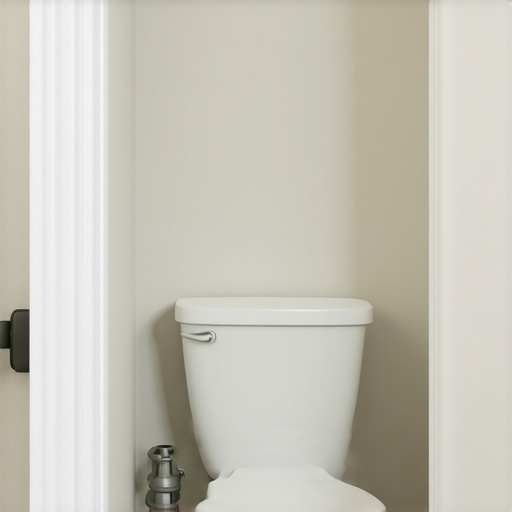
It hit me on move-out day—the creeping panic as I realized I’d overlooked that tiny, seemingly insignificant corner behind the toilet. Years of neglect had turned it into a hidden grime trap, and I knew it could cost me my security deposit. That moment was an eye-opener. I’d always thought I could just wipe down the visible parts of the bathroom, but that stubborn spot behind the toilet? It’s the real test of a renter’s cleanliness.
The Hidden Trail of Dirt Landlords Love to Find
Every landlord I’ve spoken to emphasizes the importance of those overlooked little spots that often go ignored during routine cleaning. That small space behind the toilet is more than just a hidden corner; it’s the gateway to a spotless bathroom and, ultimately, your full deposit refund. If you think about it, this area tends to accumulate dust, mold, and residue over time—stuff you might not notice at first glance but can be glaringly obvious during an inspection. The secret to a successful move-out clean is knowing exactly how to address these tiny but crucial areas.
Now, I know what you might be thinking: “Isn’t this just a tiny spot? How important could it really be?” Well, according to professional cleaners, overlooked areas like behind the toilet are some of the first places landlords check for cleanliness. A 2025 study even suggests that uncleaned hidden spots can be the deciding factor between getting your full deposit back or losing part of it. So, ignoring this tiny space? It’s a gamble.
Do you often find yourself skipping that awkward spot behind your toilet? Or maybe you’ve been surprised to see deductions over a tiny patch of grime? If yes, you’re not alone. Early on, I made a critical mistake: I only cleaned what was visible, assuming hidden spots were too much trouble. Trust me, that’s a mistake you’ll regret. The key? Approach cleaning strategically, targeting those hidden areas with the right tools and techniques.
Let’s dive into how to thoroughly clean that one spot behind the toilet and ensure your landlord doesn’t find something to ding your deposit on. Ready? Keep reading, and I promise, it’s easier than you think—and well worth the effort.
Squirt and Scrub the Hard-to-Reach Areas
Start by applying a powerful bathroom cleaner or a mix of equal parts vinegar and water to the area behind the toilet. Use a long-handled brush or a narrow nozzle spray to reach the deepest spots. For stubborn grime, let the solution sit for 5-10 minutes to loosen debris. Remember, effectiveness hinges on contact time, so don’t rush this step. Back in 2025, experts emphasized that allowing cleaning agents to work their magic on hidden dirt can make the difference between a passing inspection and a costly deduction.
Target the Edges with Precision Tools
Use a toothbrush or narrow grout brush to tackle those tight corners and edges where dust and mold tend to hide. Focus on the base of the toilet and any crevices in the tile or floor junctions. I recall a time I spent extra minutes on a neglected corner; the improvement was striking, and my landlord noted the thoroughness during the inspection, saving me from deposit deductions.
Sanitize and Disinfect with Care
After removing visible grime, spray a bathroom-specific disinfectant or a diluted bleach solution—about one part bleach to ten parts water—to sterilize the area. Wear gloves and ensure proper ventilation. It’s essential to eliminate bacteria and mold spores lurking in hard-to-reach spots, preventing future issues like odors or health problems. Regularly sanitizing these areas with effective methods—like those recommended in our sanitizing secrets—can keep your bathroom pristine long-term.
Pay Attention to Vertical Surfaces and Floor Behind
Don’t forget to wipe down the walls and floor behind the toilet base. Use a microfiber cloth dampened with your cleaning solution. These hidden spots often trap dust and residues, which can be glaringly obvious upon an inspection. As I learned, a quick wipe with a sturdy cloth can erase years of overlooked dirt, impressing your landlord and securing your deposit. For polishing up entire spaces quickly, check our comprehensive house cleaning strategies.
Rinse and Dry for Shine
Finish by rinsing the area with a clean, damp cloth to remove any leftover cleaning solution. Dry with a towel or microfiber cloth to prevent streaks or mold growth. A dry, spotless surface not only looks good but also discourages future mold development. During my last move, neglecting this step led to minor mold spots later; now I always ensure thorough drying for peace of mind.
Final Check for Complete Cleanliness
Use a flashlight or your phone light to scan all cleaned zones. Look for streaks, residues, or missed spots. The aim is to ensure every inch behind the toilet and nearby corners mirror the rest of your bathroom in cleanliness. If you notice anything less than spotless, reapply the cleaning steps—don’t leave it for the final moments. Remember, landlords scrutinize even the tiniest corners, and a meticulous approach pays off, as backed by our move-out cleaning tips.
Many homeowners and renters fall for common misconceptions when it comes to cleaning and sanitizing their homes, often leading to overlooked damages or even health risks. While it’s tempting to believe that a quick vacuum or a splash of spray is enough, the reality is far more intricate. Real expertise in upholstery and move-out cleaning involves understanding the subtle differences in fabric types, cleaning agents, and techniques that professionals utilize. For example, many people think that steam cleaning is suitable for all upholstery, but in fact, certain fabrics like velvet or silk can be permanently damaged by moisture and heat. According to the cleaning experts, knowing the material composition is key to selecting the right method, whether it’s dry cleaning, solvent-based cleaning, or specialized brushing.
A common myth is that regular household disinfectants are sufficient for sanitizing high-touch surfaces, but studies from the 2025 research suggest that many store-bought products lack the efficacy needed against resistant bacteria and viruses, especially in neglected spots like behind toilets or deep within upholstery fibers. Using outdated or incorrect cleaning chemicals can also lead to advanced fabric damage, mold buildup, or health issues due to chemical residues.
One particular trap to avoid is overusing water or aggressive scrubbing on delicate fabrics, which can cause shrinking, discoloration, or fiber deterioration. For instance, applying excessive moisture to cotton-blend upholstery might seem effective, but it often leads to water stains or mold, especially in poorly ventilated spaces. Additionally, many underestimate the importance of drying techniques; an area that isn’t thoroughly dried post-cleaning is prone to mold growth, which not only damages the fabric but can also pose serious health concerns.
### How can advanced homeowners get the best out of their cleaning routines?
The key lies in understanding the nuances—such as fabric-specific cleaning requirements, the chemical composition of sanitizers, and proper drying methods. For example, using an effective upholstery care guide can prevent permanent damage and extend the lifespan of your furniture. Moreover, for move-out scenarios, following a detailed move-out cleaning checklist ensures you don’t miss hidden spots that could cost you your deposit.
Being aware of these nuances helps distinguish a superficial cleaning from a truly thorough job. Spotless cleaning isn’t just about removing visible dirt; it’s about understanding the hidden grime and addressing it with the right tools and techniques. For instance, many believe that vinegar or baking soda alone can disinfect effectively, but without proper application, these natural remedies can sometimes be insufficient or even compromise fabric integrity. Always remember, the proper approach involves selecting cleaning agents that are compatible with your specific furnishings and sanitizing thoroughly, especially in high-use areas.
In conclusion, the sophistication of cleaning and sanitizing lies not just in the act but in the knowledge behind it. Being aware of these hidden nuances can save you money, preserve your belongings, and keep your home truly healthy. Have you ever fallen into this trap? Let me know in the comments, and for more expert secrets, check out our house cleaning secrets.Maintaining a spotless home requires more than just occasional effort; it demands reliable tools that adapt to various surfaces and stubborn dirt. Over the years, I’ve discovered that investing in high-quality equipment truly elevates the quality of my cleaning routine and helps sustain long-term results. One of my go-to devices is the *Dyson V11 Torque Drive* cordless vacuum. Its powerful suction and customizable modes make quick work of debris on carpets, upholstery, and even delicate curtains. Plus, its ease of maneuverability means I can easily reach those tricky spots behind furniture or under cabinets, which are often overlooked but crucial in move-out cleaning to secure your deposit.
Another essential is a **steam cleaner**, like the *McCulloch MC1275 Heavy-Duty Steam Cleaner.* I prefer steam cleaning over chemical solutions because it’s disinfectant, eco-friendly, and safe for most surfaces, including tiles, grout, and sealed hardwood. It also effectively handles mold and mildew in bathrooms, ensuring sanitation without damaging materials. Regularly using a steam cleaner not only keeps surfaces hygienic but simplifies maintenance, saving time and money in the long run.
For upholstery, I recommend the *Bissell SpotClean Pro.* It’s meticulously designed for spot cleaning in fabric furniture or carpets, an often-neglected aspect of hygiene in households. This tool helps prevent allergen buildup and extends the lifespan of your furniture, which is especially beneficial during move-out cleanings when landlords scrutinize upholstery condition.
Beyond physical tools, I rely heavily on software like *Trello* or *Notion* to keep track of cleaning schedules and checklists. These digital systems help me set reminders for regular sanitizing of high-touch areas like door handles, light switches, and remotes, based on recommendations from our cleaning experts. Consistency in these practices prevents dirt buildup and maintains a healthy environment.
Predicted trends point toward automation and smart home integrations. Devices like robotic vacuums with advanced mapping, such as the *iRobot Roomba i7+*, are becoming indispensable, especially for homeowners with busy schedules. These gadgets continuously suction dirt and debris, reducing maintenance effort and ensuring habitats stay pristine. Furthermore, I see a growing market for AI-driven cleaning analytics, helping users identify overlooked areas or persistently grimy spots, optimizing long-term cleanliness.
**How do I maintain these tools over time?** Regular cleaning, proper storage, and timely replacements are key. For example, I wash my vacuum filters monthly, replace brushes every year, and descale the steam cleaner quarterly. Keeping tools in top shape guarantees they perform efficiently and last longer. Additionally, following manufacturer instructions for maintenance and utilizing recommended cleaning solutions—as outlined in the care guides—ensures longevity and safety.
To help you get started, I highly recommend trying out your existing vacuum with a microfiber attachment designed for delicate surfaces. Pair it with a steam cleaner for deep sanitation—these small upgrades can significantly improve your home’s cleanliness and hygiene. Ready to take your cleaning game to the next level? Implement one of these targeted tools, and watch how it transforms your maintenance routine.As I reflect on my cleaning journey, I realize that the biggest lessons often come from overlooked details—the tiny spots behind the toilet or the neglected corners of a room—that can make or break your deposit refund. These experiences taught me that thorough cleaning is as much about the little secrets as it is about the big, visible messes. When you pay close attention to these hidden areas, you’re not just impressing your landlord; you’re cultivating habits that keep your home healthier and more inviting. Remember, every fabric and surface has its quirks, and knowing how to care for them—whether through natural remedies like vinegar or advanced tools like steam cleaners—can extend their life and maintain their beauty. Trust me, the effort you put into mastering these nuances now will pay off by giving you confidence and peace of mind during move-out inspections. So, embrace the details, invest in quality tools, and let your diligent habits set a new standard for cleanliness—your future self will thank you.